1235 Aluminum Foil
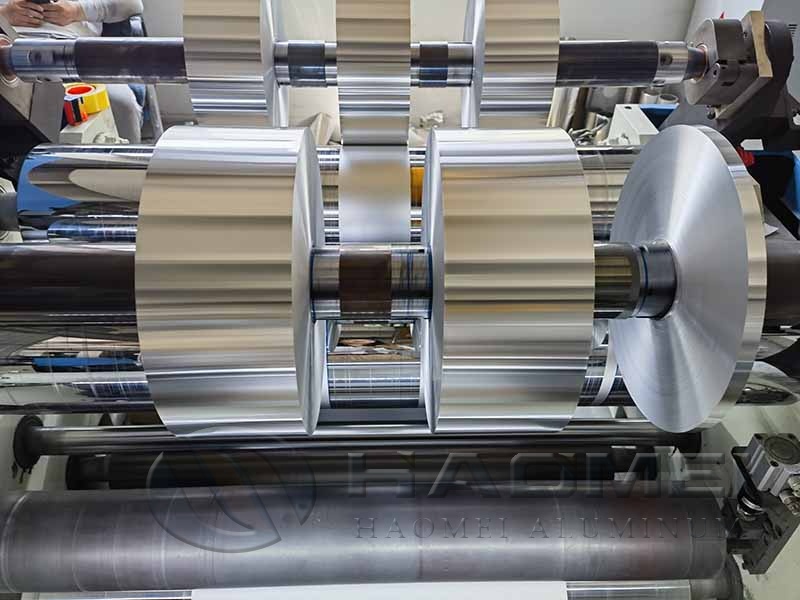
Hot FAQs on 1235 aluminum foil: composition, common uses, thickness, pricing factors, and QC tests for packaging, tape, and battery-related needs.
1) What is 1235 aluminum foil, and how is it different from 8011 or 8079?
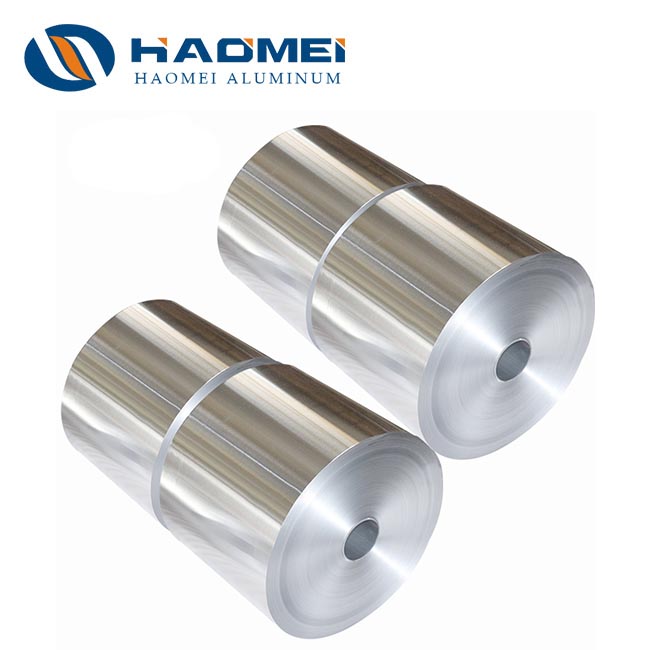
A lot of recent Q&A threads revolve around a simple confusion: 1235 sounds like a "specific performance" alloy, but it is mainly valued for high purity and formability. In practice, 1235 is a 1xxx series alloy that is typically around 99.35% aluminum minimum, with the remainder being small amounts of silicon and iron. That chemistry tends to translate into good ductility, clean surface appearance, and stable converting performance in many packaging and tape jobs.
Compared with 8011 or 8079, the difference is usually not "better or worse," but "different priorities." Many 8xxx alloys are chosen when converters want a balance of strength, pinhole resistance, and runnability at very thin gauges for certain packaging structures. 1235 is frequently chosen when a high-aluminum base is preferred for consistent forming and clean finishing, and when the downstream process is more sensitive to surface cleanliness and uniformity.
If you are evaluating multiple alloys, it helps to ask the supplier what the target application is (tape backing, pharmaceutical packaging laminate, capacitor, or other). You can also compare typical mechanical property windows by temper and thickness rather than focusing only on alloy name.
For a quick overview of where 1235 sits in the pure-aluminum family, see 1xxx Aluminum.

2) Is 1235 aluminum foil safe for food contact, and what documents should I request?
People on Google and Quora often ask this in a single sentence, but the real answer depends on your market and your converting process. The base metal itself is widely used in packaging supply chains. However, food-contact safety is usually proven by compliance documentation and process controls, not only by alloy.
When requesting 1235 for food-related packaging, ask for:
- A material test certificate (MTC) with chemistry and basic mechanical properties.
- A statement of compliance for relevant regulations in your destination market (for example, EU framework and GMP expectations, or FDA-related declarations depending on product setup).
- Surface cleanliness controls, especially if you plan to print, laminate, or coat.
- Information on rolling oil type and residual limits if your process is odor-sensitive.
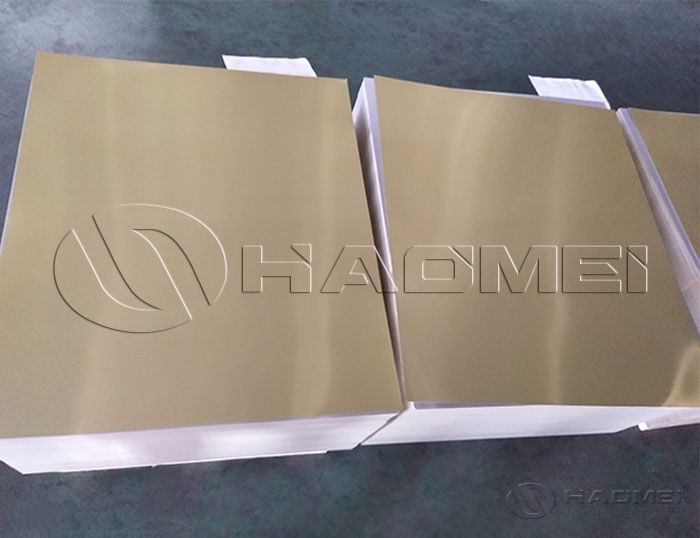
Also clarify whether you need one-side bright, two-side bright, matte, or controlled gloss. Many "is it safe" problems on real projects come from mismatch between the converter's lamination, adhesive, or ink system and the foil surface condition, not from the alloy designation.
3) What thickness and temper are most common for 1235 aluminum foil used in tape and flexible packaging?
This is one of the hottest practical questions because new purchasers usually start from a target thickness, then struggle with temper selection. While exact specs vary by producer and end-use, the most common purchasing pattern is:
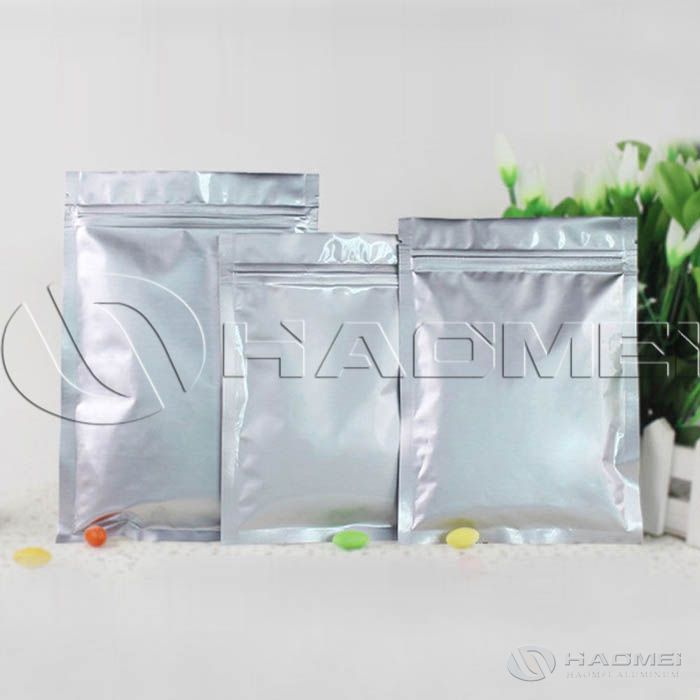
- Thin gauges for flexible packaging laminates, where the foil acts as a barrier layer.
- Medium gauges for tape backings, insulation, and general industrial laminations.
- Tempers that balance formability and converting speed, depending on whether you need deep embossing, tight slitting, or high-speed lamination.
Here is a decision-style table you can use when discussing requirements with a supplier.
| Application focus | Typical thickness range (reference) | Common temper direction | What to confirm before ordering |
|---|---|---|---|
| Flexible packaging barrier layer | 6 to 20 mic | Softer to medium | Pinhole performance, surface cleanliness, wetting and lamination bond |
| Foil tape backing | 20 to 80 mic | Medium to harder | Tensile, elongation, adhesive compatibility, flatness after slitting |
| General insulation lamination | 9 to 50 mic | Medium | Wrinkle resistance, coil set, consistent gloss level |
If your project is specifically for tape and related converting, this product page can be a helpful reference point for typical supply scope: 1235 Aluminum Foil Battery and Tape.
4) Why does 1235 aluminum foil pricing change so much week to week?
This is a recurring question on Q&A platforms, especially from new sourcing teams. Price swings usually come from a combination of metal cost and processing cost, plus the "hidden" costs of quality requirements.
Common drivers include:
- Aluminum ingot price fluctuations and hedging practices.
- Premiums for certain widths, tight thickness tolerances, or special surface requirements.
- Order size and lead time. Short lead times often increase cost.
- Yield impact from extremely thin gauges or tight pinhole limits.
- Packaging and logistics. Export packing, moisture protection, and pallet requirements add cost.
A practical tip: ask for a quotation that separates the metal component from the conversion component (rolling, slitting, annealing, packing). Even if the supplier will not disclose every detail, a split structure helps you compare offers more fairly when aluminum prices move.
5) How can I check 1235 aluminum foil quality when it arrives (without a lab)?
Many real-world complaints show up only after slitting, printing, or lamination, so incoming inspection matters. You can do several effective checks with simple tools.
Fast checks for incoming rolls
- Visual surface scan under consistent light: look for streaks, chatter marks, embedded particles, or patchy gloss.
- Odor check: strong residual rolling-oil odor can cause issues in sensitive packaging or when heat is used downstream.
- Flatness and telescoping: verify roll edges are even, no severe telescoping, and no wave that could cause wrinkling.
- Basic thickness verification: use a calibrated micrometer, sample across width and along length if possible.
Pinhole screening (simple method)
For thin gauges, a basic light-table test is a useful screen. Place a sample sheet over a bright, uniform light source in a darkened area and count visible pinholes in a defined area. This is not a replacement for formal testing, but it can quickly flag a mismatch between your expectation and the delivered lot.
Converting simulation
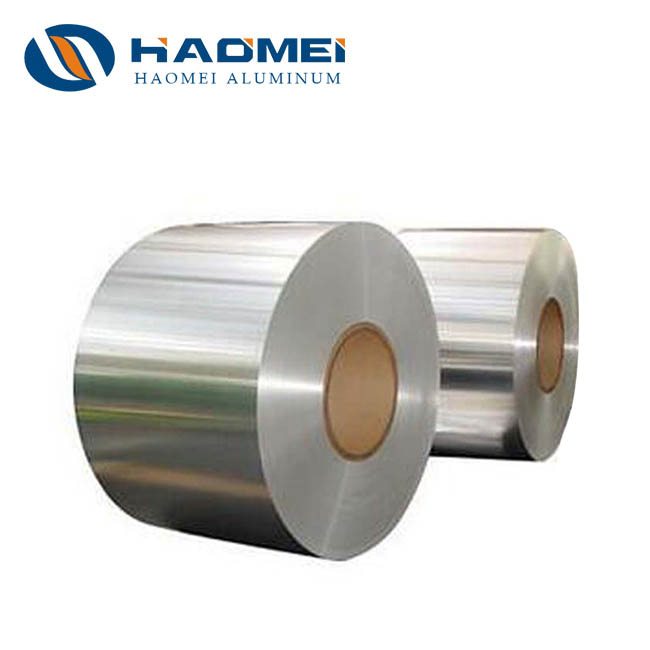
If your operation is sensitive, the best "no lab" test is a small pilot run: slit a short length, laminate or apply adhesive, and check for wrinkling, edge burr, and bond stability after 24 hours. Most costly surprises come from downstream interaction: adhesive wet-out, ink anchorage, or thermal exposure.
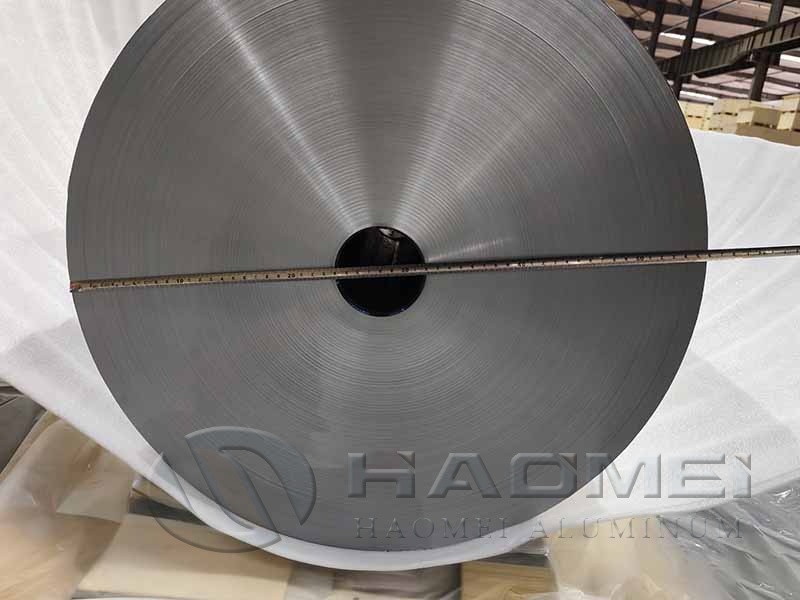
Quick QC checklist table
| Risk area | What you might see | Quick action |
|---|---|---|
| Poor cleanliness | Fish-eyes in coating, weak lamination bond | Request cleanliness control data, confirm rolling oil management |
| Edge issues | Burr, dust, tape delamination at edges | Confirm slitting knives, edge trim standard, and packaging protection |
| Gauge inconsistency | Wrinkles, tension instability | Tighten thickness tolerance agreement and sampling method |
| Pinhole level too high | Barrier failure complaints | Align on pinhole spec by area and test method before production |
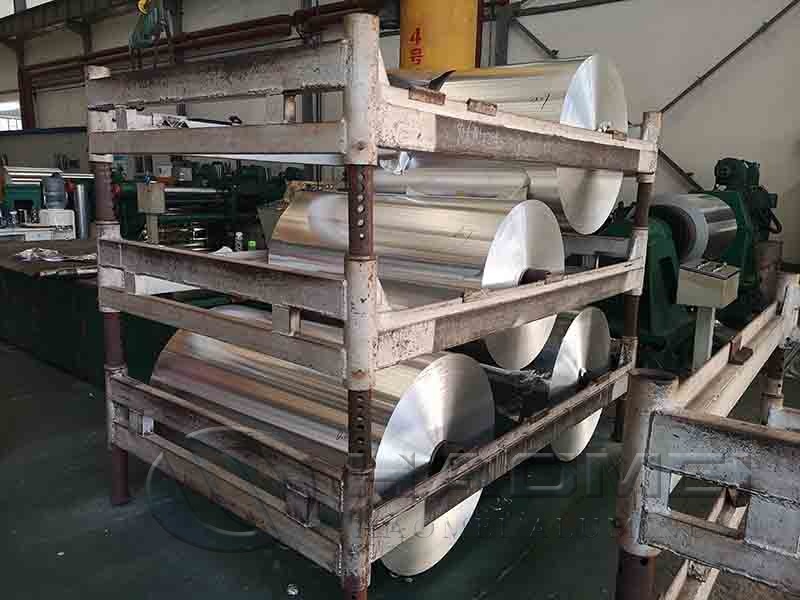
- Aluminum Foil for CapacitorsSep 22, 2026
Plan year-end capacitor production with specified aluminum foil: purity, temper, surface controls, test docume...
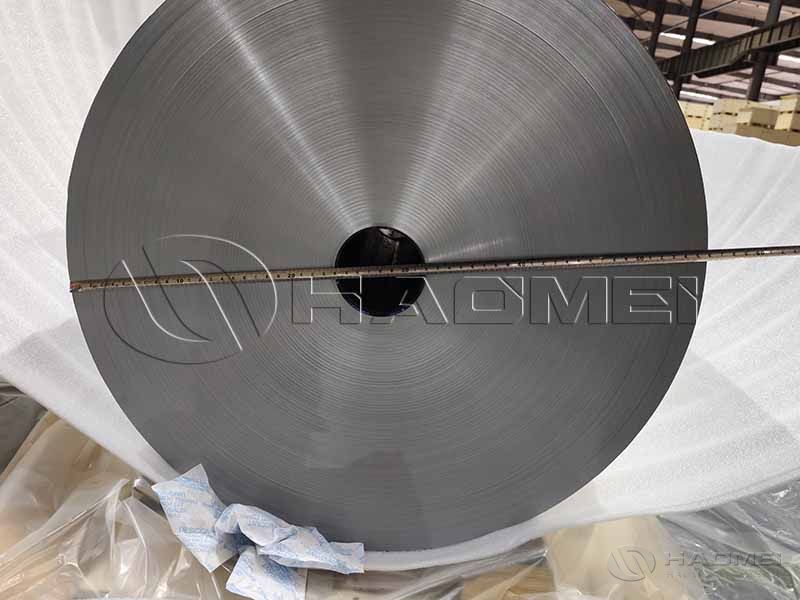
- Household Aluminum Foil vs Foodservice Jumbo RollAug 06, 2026
Wondering the differences between household and commercial large-roll aluminum foil? Explore key distinctions...
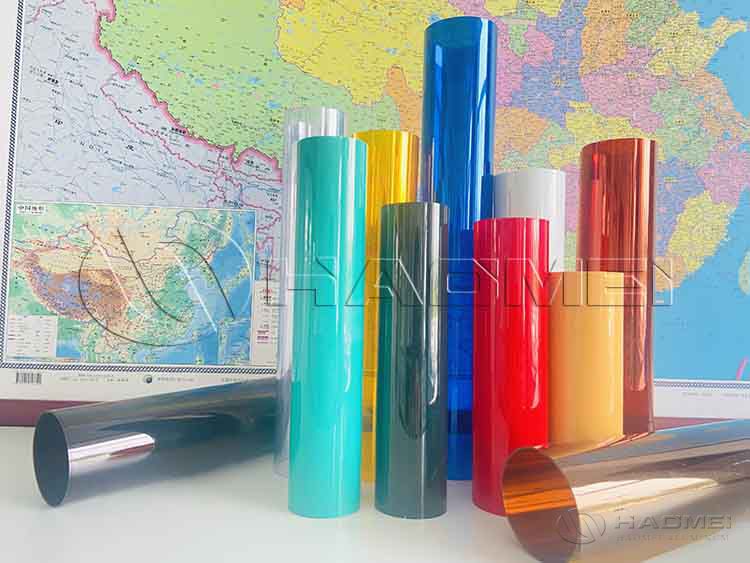
- Pharmaceutical PTP Aluminum Foil and PVC Foil for Blister PackagingNov 25, 2024
PTP blister packaging is one of the application methods of blister packaging. The main difference from general...
- Aluminum Blister Foil for Tablet PackagingJul 25, 2023
Aluminum foil is mainly used in the blister packaging of tablets or capsules in pharmaceutical packaging. 801...
- What Is Aluminum Foil Electrical ConductivityAug 26, 2025
In the industrial sector, the aluminum foil jumbo roll, thanks to its advantages such as lightweight, corrosio...
Inquiry
Products Category
Latest Application
-
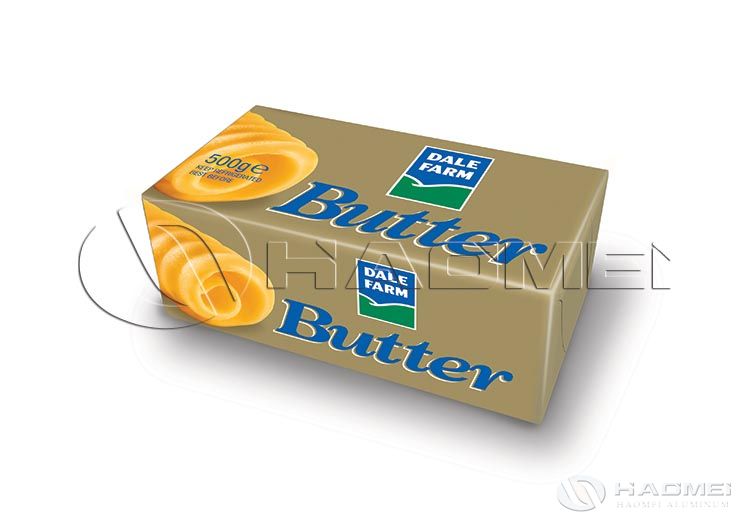 Why butter aluminum foil is neededButter aluminum foil blocks oxygen, moisture, and light, effectively preventing butter from oxidizing and spoiling, preserving nutrients, and significantly extending its shelf life. High-end products can see their sh
application
Why butter aluminum foil is neededButter aluminum foil blocks oxygen, moisture, and light, effectively preventing butter from oxidizing and spoiling, preserving nutrients, and significantly extending its shelf life. High-end products can see their sh
application
-
 Cables are usually composed of conductors, insulation layers, shielding layers, and sheaths. Aluminum foil for cable is generally located outside the insulation layer as part of the shielding layer. It fits tightly to the surface of the insulation la
application
Cables are usually composed of conductors, insulation layers, shielding layers, and sheaths. Aluminum foil for cable is generally located outside the insulation layer as part of the shielding layer. It fits tightly to the surface of the insulation la
application
-
Aluminum Gold Foil Paper For Chocolate Wrapping
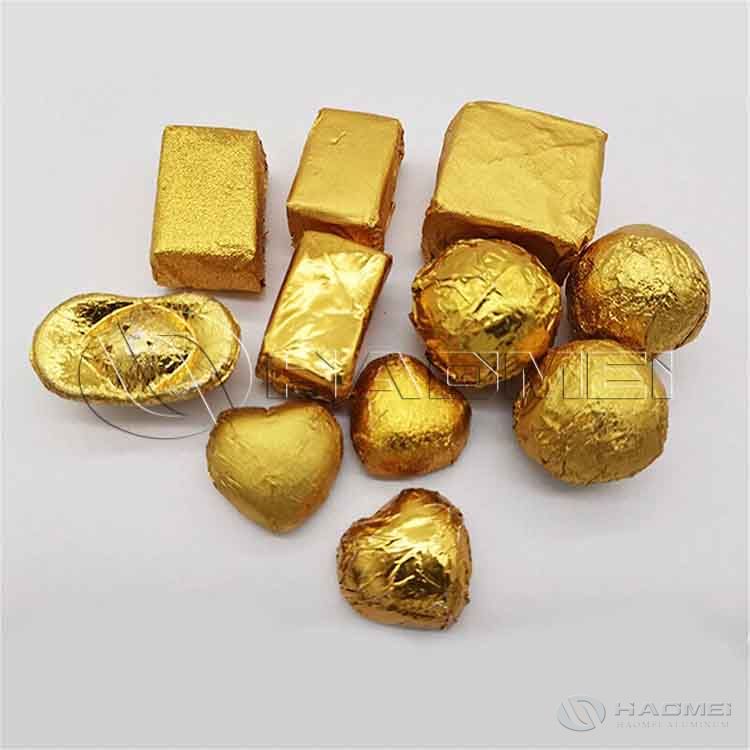 When is aluminum foil used for chocolate wrappingThe use of aluminium foil food for chocolate can be traced back to the early 20th century. In 1911, Swiss candy companies began to wrap chocolate with aluminum foil, gradually replacing the tin foil. T
application
When is aluminum foil used for chocolate wrappingThe use of aluminium foil food for chocolate can be traced back to the early 20th century. In 1911, Swiss candy companies began to wrap chocolate with aluminum foil, gradually replacing the tin foil. T
application
-
PVC Rigid Film and Aluminum Foil for Medicine Packaging
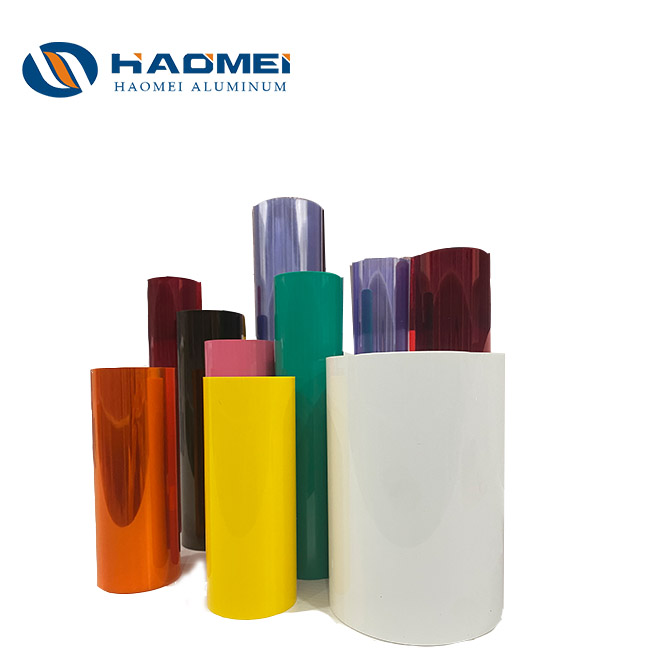 Haomei Aluminum provides different types of aluminum foil and plastic rigid films like PTP aluminum foil, cold forming foil, tropical foil, PVC rigid film, PE/PET film,etc. Best Price! Inquire now.
application
Haomei Aluminum provides different types of aluminum foil and plastic rigid films like PTP aluminum foil, cold forming foil, tropical foil, PVC rigid film, PE/PET film,etc. Best Price! Inquire now.
application
-
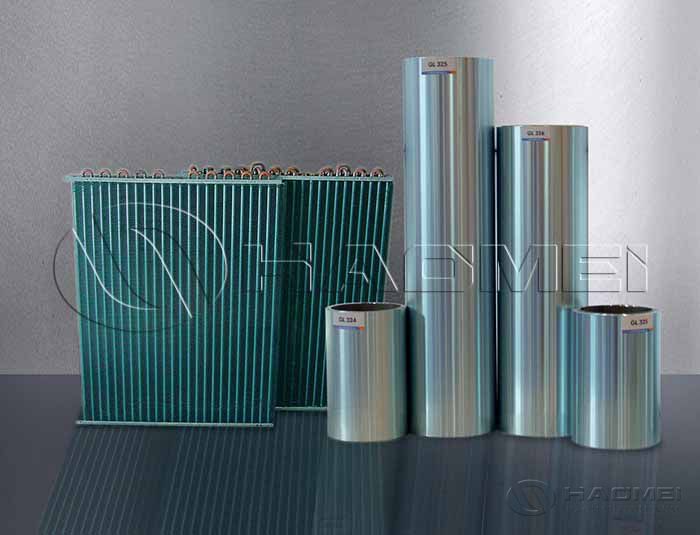 Haomei Aluminum offers you different colors of air conditioner aluminum foil like hydrophilic aluminum foil, including1100/ 3003 /8006/8011 aluminum foil,etc. Learn more.
application
Haomei Aluminum offers you different colors of air conditioner aluminum foil like hydrophilic aluminum foil, including1100/ 3003 /8006/8011 aluminum foil,etc. Learn more.
application
Latest Blog
-
3003, 8011 and 8006 Aluminum Foil for Food Packing
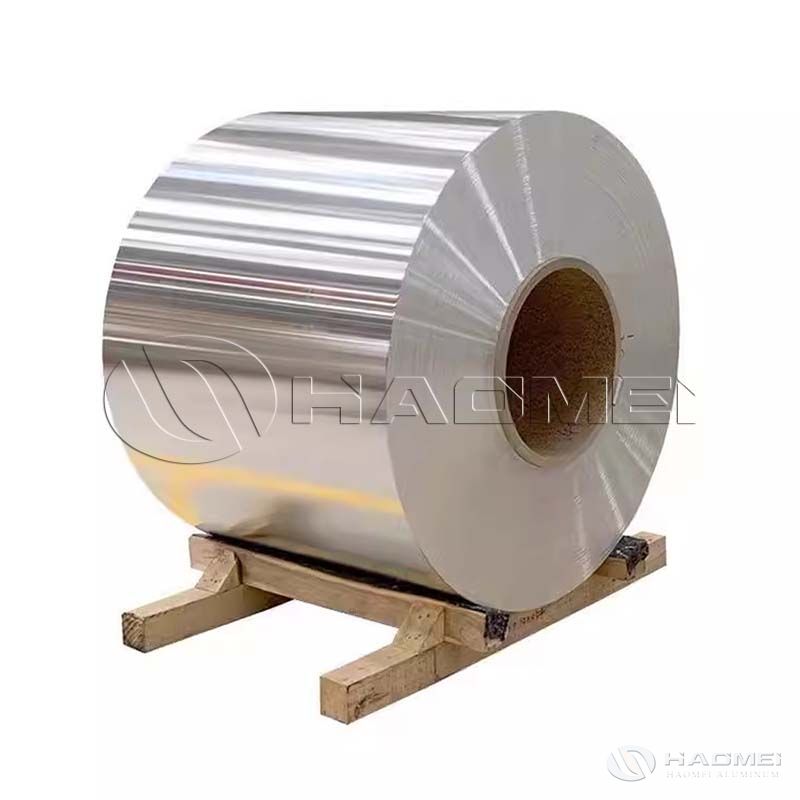 In the food packaging sector, aluminum foil is widely used for products such as composite flexible packaging, containers, meal boxes, sealing lids, and baking packaging due to its excellent barrier properties, light-shielding capabilities, heat resistance
Blog
In the food packaging sector, aluminum foil is widely used for products such as composite flexible packaging, containers, meal boxes, sealing lids, and baking packaging due to its excellent barrier properties, light-shielding capabilities, heat resistance
Blog
-
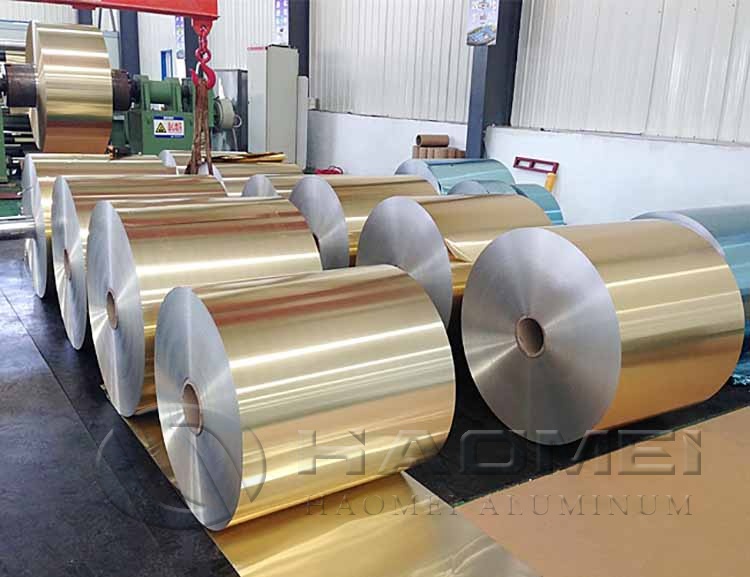 Select air conditioner foil for durable heat-exchanger fins: alloys, hydrophilic coatings, test methods, tolerances, and order specifications for HVAC units.
Blog
Select air conditioner foil for durable heat-exchanger fins: alloys, hydrophilic coatings, test methods, tolerances, and order specifications for HVAC units.
Blog
-
Aluminum Foil Jumbo Roll for Flexible Packaging Laminates
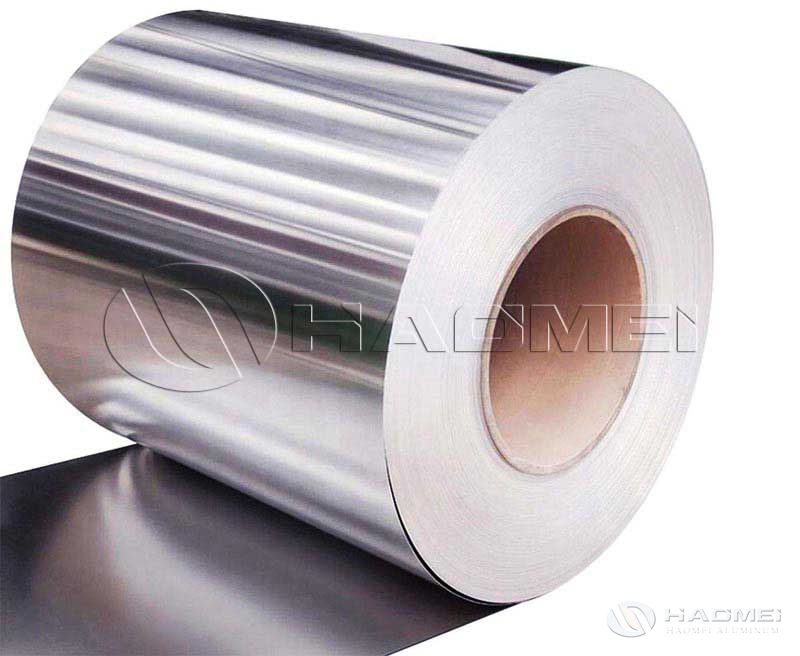 Compare 1235 pure aluminum & 8011 alloy foil jumbo rolls for flexible packaging lamination. Learn their differences in material properties, performance, pros & cons, and key application scenarios to choose the right foil for food, pharmaceutical & consume
Blog
Compare 1235 pure aluminum & 8011 alloy foil jumbo rolls for flexible packaging lamination. Learn their differences in material properties, performance, pros & cons, and key application scenarios to choose the right foil for food, pharmaceutical & consume
Blog
-
Plan year-end capacitor production with specified aluminum foil: purity, temper, surface controls, test documents, and shipment timing that reduce line risk.
Blog
-
Where To Find a Reliable Air Conditioner Fin Foil Supplier
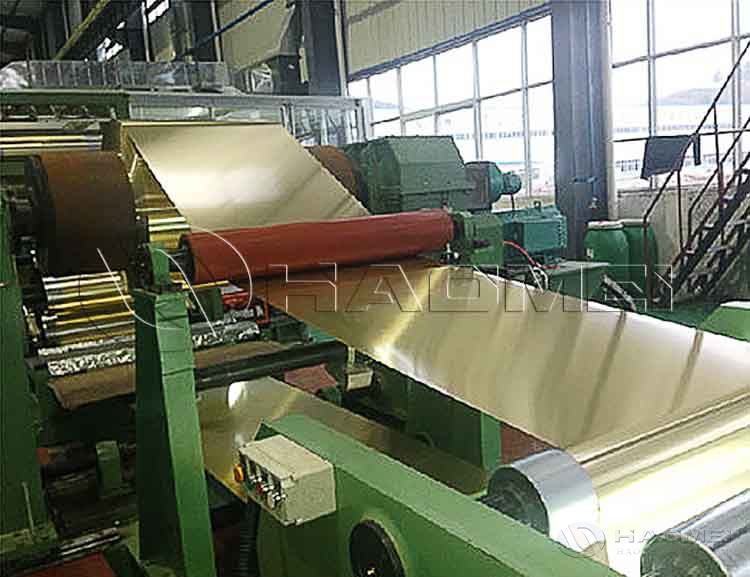 In the competitive HVAC industry, the quality of air conditioner fin stock directly determines the heat exchange efficiency, durability, and energy-saving performance of air conditioning equipment. For manufacturers, distributors, and processing enterpris
Blog
In the competitive HVAC industry, the quality of air conditioner fin stock directly determines the heat exchange efficiency, durability, and energy-saving performance of air conditioning equipment. For manufacturers, distributors, and processing enterpris
Blog

Haomei Aluminum CO., LTD.
Tel/Whatsapp: +86-15978414719
Email: sale@alumhm.com
Website: https://www.alumfoils.com
Xin'an Industrial Assemble Region,Luoyang,Henan Province,China
Office Add: 1103, No.14 Waihuan Road, CBD, Zhengzhou, China