Capacitor Aluminum Foil
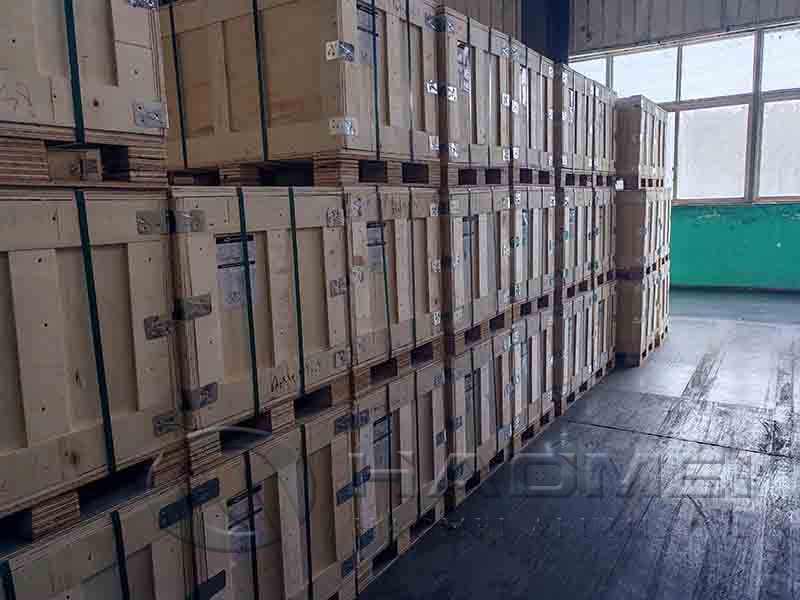
Capacitor aluminum foil sourcing checklist covering purity, etching, formation, defects, testing, standards, cost drivers, and supply planning.
Capacitor aluminum foil is a functional electrode material, not a general packaging grade. Its commercial value depends primarily on one concern: stable capacitance after etching and dielectric formation. A low initial metal price does not compensate for poor etch response, pinholes, inconsistent formed voltage, or high leakage current in the finished electrolytic capacitor.

For purchasing teams, the specification must connect foil metallurgy to the capacitor maker's process window. This means defining purity, temper, thickness, surface condition, edge quality, coil geometry, and electrical performance after formation rather than ordering only by alloy and gauge.
Specify the Material Around Electrical Performance
Aluminum electrolytic capacitors use etched aluminum electrodes with an aluminum oxide, Al2O3, dielectric layer. Etching increases the effective surface area; anodic formation creates the dielectric. The oxide layer is electrically insulating and self-healing within the capacitor's designed operating limits. The material must therefore etch uniformly and form a stable oxide film.
High-purity aluminum is normally required for anode material. Common commercial starting materials are within the 1xxx series, but alloy designation alone is insufficient. For example, nominal 1050 composition permits at least 99.50% aluminum under EN 573-3, while demanding etched-anode applications may require substantially higher purity and tightly controlled trace elements. Confirm the producer's chemical limits for iron, silicon, copper, manganese, zinc, titanium, and other residuals.
1xxx Aluminum is the relevant family for high-conductivity foil, but capacitor qualification should be based on certified chemistry and downstream etching trials. For electronics applications with less demanding forming requirements, 1050 Aluminum Foil for Battery and Electronics may be evaluated separately; it should not be assumed equivalent to high-purity capacitor anode stock.
| Requirement | Why it matters | What to place on the purchase specification |
|---|---|---|
| Aluminum purity and trace elements | Residual elements affect grain structure, etching uniformity, and corrosion behavior | Maximum limits for Fe, Si, Cu, Mn, Zn, Ti, and total residuals; mill certificate required |
| Thickness and tolerance | Gauge variation changes etch behavior, handling, and capacitance consistency | Nominal thickness, tolerance band, measurement method, and sampling plan |
| Temper and elongation | Material must withstand unwinding, etching, and winding without tearing | Temper designation plus tensile strength and elongation limits |
| Surface cleanliness | Rolling oil or particles can interfere with etching and formation | Residual oil limit, wettability method, particle-control requirement |
| Pinholes and edge cracks | Defects can cause breaks, leakage, or process scrap | Inspection method, defect size threshold, and allowable frequency |
| Coil build | Poor winding causes telescoping, wrinkles, and line stops | Inner diameter, outer diameter, width, camber, burr limit, and splice policy |
Thickness varies with capacitor design and production route. Extremely thin material raises handling risk and pinhole sensitivity, while thicker stock can limit packing efficiency. Do not accept a broad "thin foil" description. State the exact gauge range, width tolerance, coil mass range, and permitted thickness variation across the width and along the coil.
Control Etching, Formation, and Incoming Quality
The manufacturing chain typically includes casting, hot rolling, cold rolling, intermediate annealing, final rolling, degreasing, slitting, and inspection. Capacitor-grade material may then undergo electrochemical etching and anodic formation at the capacitor producer or a specialized converter.
Etching creates a porous surface. For low-voltage capacitors, fine tunnel structures and high surface-area development are generally important. High-voltage designs need structures that can be formed reliably at higher voltage without excessive leakage or dielectric breakdown. The optimal foil is therefore application-specific: a material qualified for one electrolyte system and formation voltage should not automatically be released for another.
Use a staged qualification process:
- Document review: Verify mill test certificates, lot identity, chemical analysis, dimensions, temper, and coil inspection records.
- Incoming inspection: Measure thickness across the width, check slit edges, inspect for wrinkles and scratches, and confirm coil winding quality.
- Etch trial: Compare weight loss, surface morphology, capacitance gain, and process stability against an approved reference lot.
- Formation trial: Measure formation voltage behavior, leakage current, withstand performance, and capacitance retention after the defined formation cycle.
- Finished-capacitor validation: Confirm electrical parameters after winding, impregnation, aging, and any required endurance test.
Faraday's constant is 96,485 C/mol, providing the electrochemical basis for formation charge calculations. However, formation recipes cannot be transferred solely from this constant: electrolyte composition, temperature, current density, dwell time, foil morphology, and target voltage all influence the oxide layer. Require performance data generated using the intended process conditions.
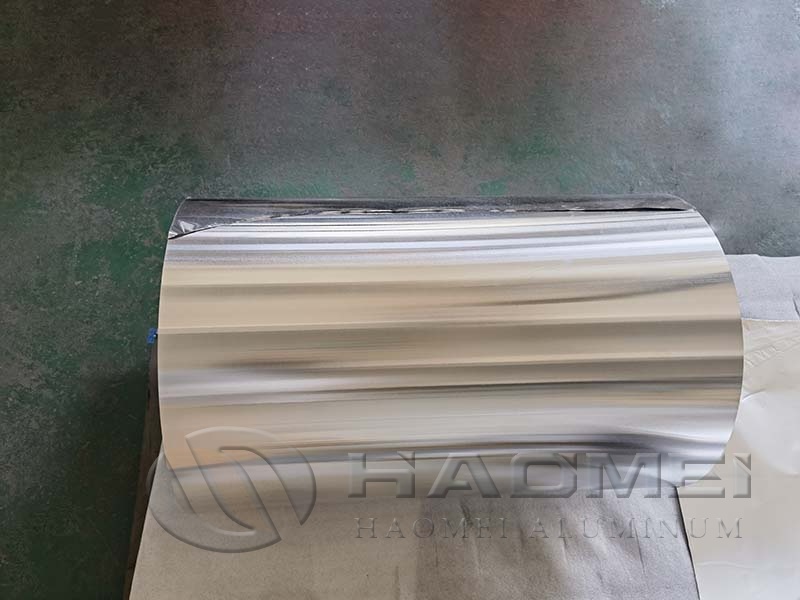
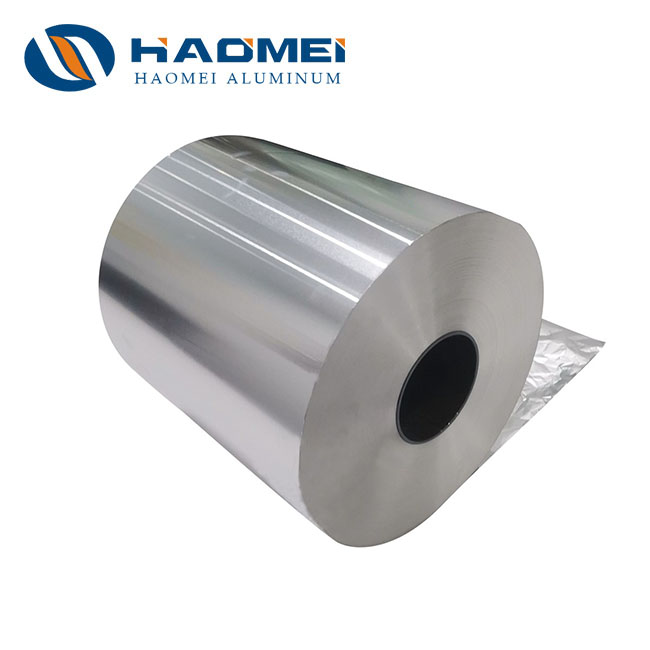
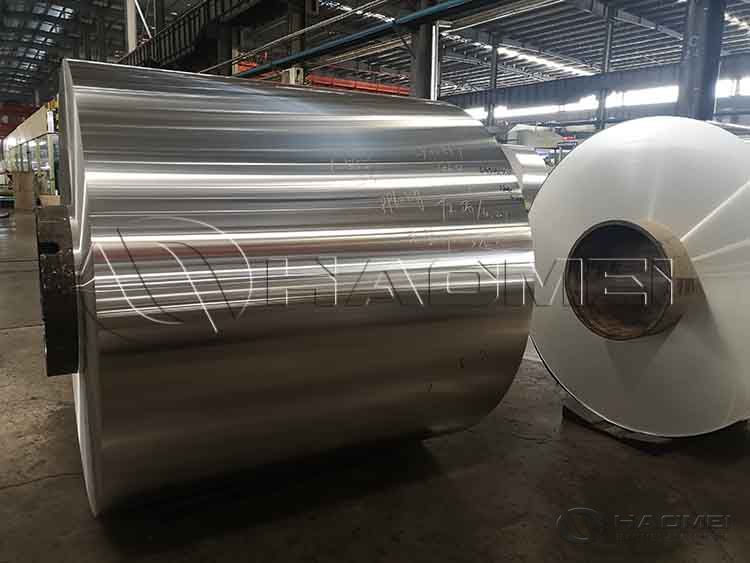
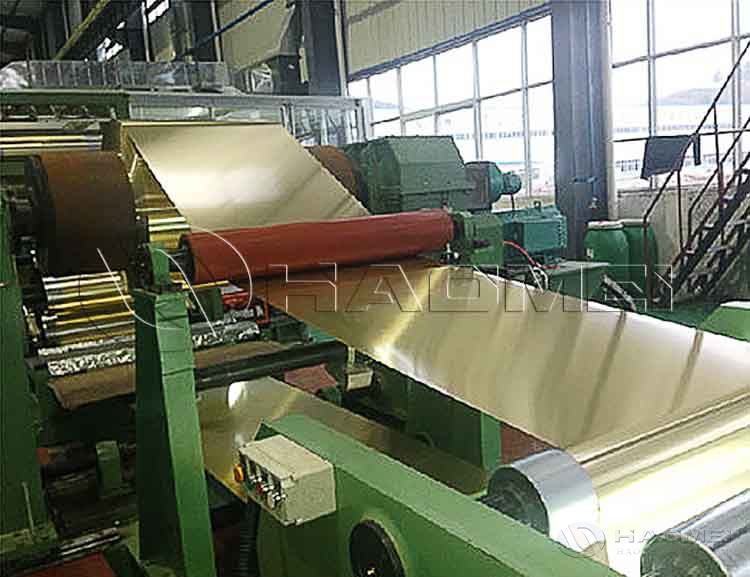
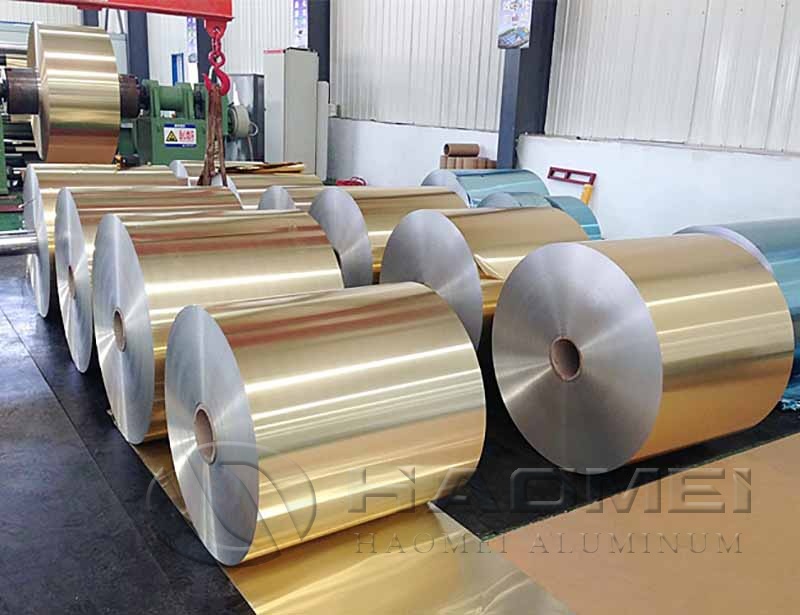
The available image represents rolled aluminum stock; capacitor electrode material requires its own qualification and should not be identified by appearance alone.
For quality agreements, distinguish between appearance defects and functional defects. A minor surface mark can be acceptable on general foil yet unacceptable if it creates localized current concentration during formation. Include a retained-sample procedure, lot traceability, nonconformance response time, and rules for disposition of partially consumed coils.
Standards, Cost Structure, and Supply-Risk Actions
No single general foil standard proves suitability for every electrolytic capacitor design. IEC 60384-4 covers fixed aluminum electrolytic capacitors and is useful for understanding finished-component terminology and performance context. ASTM B479 covers annealed aluminum and aluminum-alloy foil for flexible barrier applications; it may support dimensional or delivery discussions, but it does not replace capacitor-specific electrical qualification. Use the capacitor producer's approved material specification as the controlling document.
Commercial pricing should be separated into transparent components:
| Cost component | Typical exposure | Practical control |
|---|---|---|
| Primary aluminum metal | Linked to exchange pricing and regional premium | Define quotation basis, metal reference date, currency, and hedging responsibility |
| Conversion | Rolling, annealing, slitting, testing, yield loss | Compare conversion charges at the same purity, gauge, width, and coil size |
| Scrap and yield | Higher for thin gauges and tight defect limits | Agree on tolerance, claim method, and return or credit treatment |
| Freight and packaging | Sensitive to coil weight, route, and moisture protection | Specify export packing, desiccant, transit insurance, and delivery terms |
| Qualification inventory | Long approval cycles can create working-capital exposure | Use trial lots before annual-volume commitments and maintain approved alternates |
Supply risk is concentrated upstream. High-purity metal availability, rolling-mill capacity, specialty annealing schedules, and narrow-width slitting capability can all extend lead times. A procurement plan should reserve capacity early, especially when a design requires unusual thickness, very tight flatness, or a restricted chemistry window.
Release each production lot only when the following records are complete: certificate of analysis, dimensional report, coil identification, visual inspection result, traceability to casting or parent coil where available, and approved etch-and-formation test status. This discipline protects capacitance consistency, reduces line interruptions, and prevents inexpensive metal from becoming expensive capacitor scrap.



- Aluminum PTP Blister FoilJan 16, 2023
The aluminum-plastic blister packaging is a main application of aluminum foil in pharmaceutical packaging. The...
- What Are Uses of Alu Foil PackagingDec 28, 2023
Food packaging is the most common application field of aluminum foil. Besides, alu foil packaging is also wide...
- Why Is Aluminum Foil Packaging So Popular?Apr 17, 2023
The common alloys of aluminum foil packaging are 8011, 8021 and 8079 aluminum foil roll. The the thickness is...
- Is It Economic to Use Aluminum Foil for Making Food ContainerApr 02, 2025
The aluminum foil roll for making food container features safety, direct heating convenience and 100% recycle....
- PTP Packaging: PTP blister foil and Hard PVCJan 06, 2025
The PTP packaging consists of ptp blister foil and hard pvc. They both need to satisfy the medical requirement...
Inquiry
Products Category
Latest Application
-
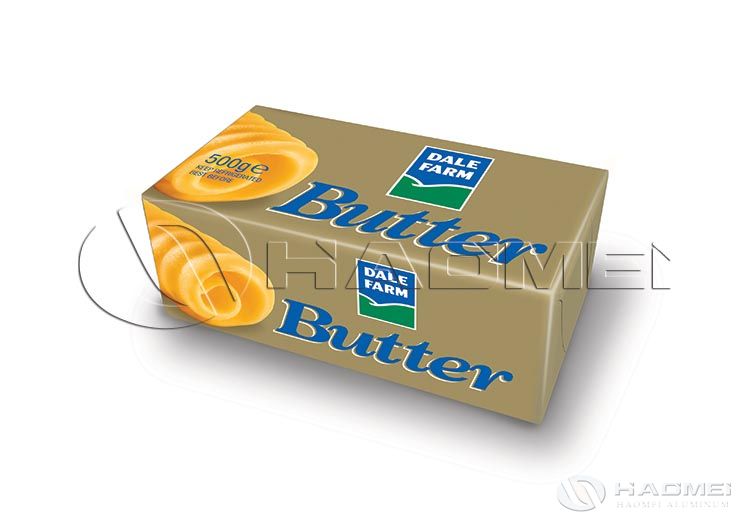 Why butter aluminum foil is neededButter aluminum foil blocks oxygen, moisture, and light, effectively preventing butter from oxidizing and spoiling, preserving nutrients, and significantly extending its shelf life. High-end products can see their sh
application
Why butter aluminum foil is neededButter aluminum foil blocks oxygen, moisture, and light, effectively preventing butter from oxidizing and spoiling, preserving nutrients, and significantly extending its shelf life. High-end products can see their sh
application
-
 Cables are usually composed of conductors, insulation layers, shielding layers, and sheaths. Aluminum foil for cable is generally located outside the insulation layer as part of the shielding layer. It fits tightly to the surface of the insulation la
application
Cables are usually composed of conductors, insulation layers, shielding layers, and sheaths. Aluminum foil for cable is generally located outside the insulation layer as part of the shielding layer. It fits tightly to the surface of the insulation la
application
-
Aluminum Gold Foil Paper For Chocolate Wrapping
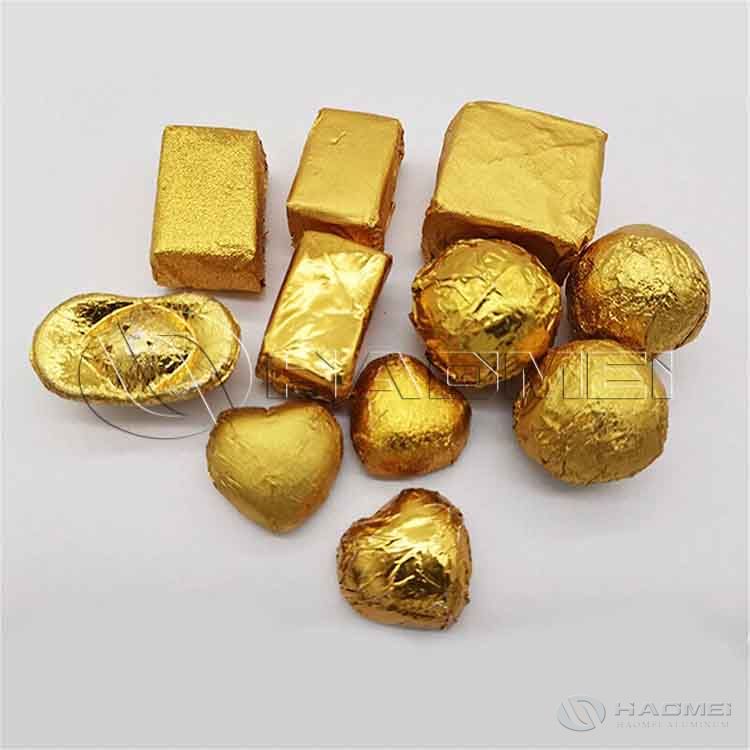 When is aluminum foil used for chocolate wrappingThe use of aluminium foil food for chocolate can be traced back to the early 20th century. In 1911, Swiss candy companies began to wrap chocolate with aluminum foil, gradually replacing the tin foil. T
application
When is aluminum foil used for chocolate wrappingThe use of aluminium foil food for chocolate can be traced back to the early 20th century. In 1911, Swiss candy companies began to wrap chocolate with aluminum foil, gradually replacing the tin foil. T
application
-
PVC Rigid Film and Aluminum Foil for Medicine Packaging
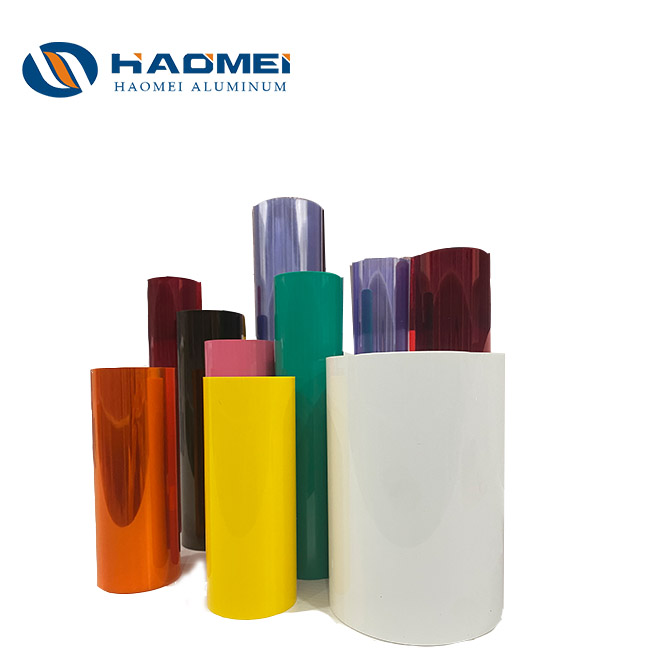 Haomei Aluminum provides different types of aluminum foil and plastic rigid films like PTP aluminum foil, cold forming foil, tropical foil, PVC rigid film, PE/PET film,etc. Best Price! Inquire now.
application
Haomei Aluminum provides different types of aluminum foil and plastic rigid films like PTP aluminum foil, cold forming foil, tropical foil, PVC rigid film, PE/PET film,etc. Best Price! Inquire now.
application
-
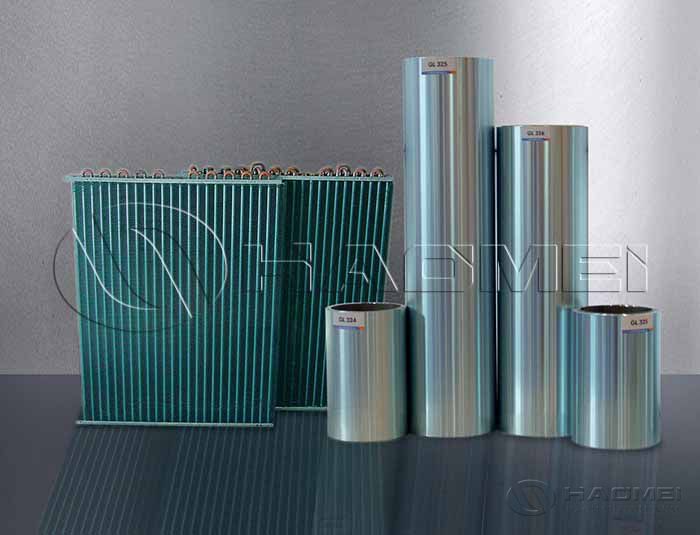 Haomei Aluminum offers you different colors of air conditioner aluminum foil like hydrophilic aluminum foil, including1100/ 3003 /8006/8011 aluminum foil,etc. Learn more.
application
Haomei Aluminum offers you different colors of air conditioner aluminum foil like hydrophilic aluminum foil, including1100/ 3003 /8006/8011 aluminum foil,etc. Learn more.
application
Latest Blog
-
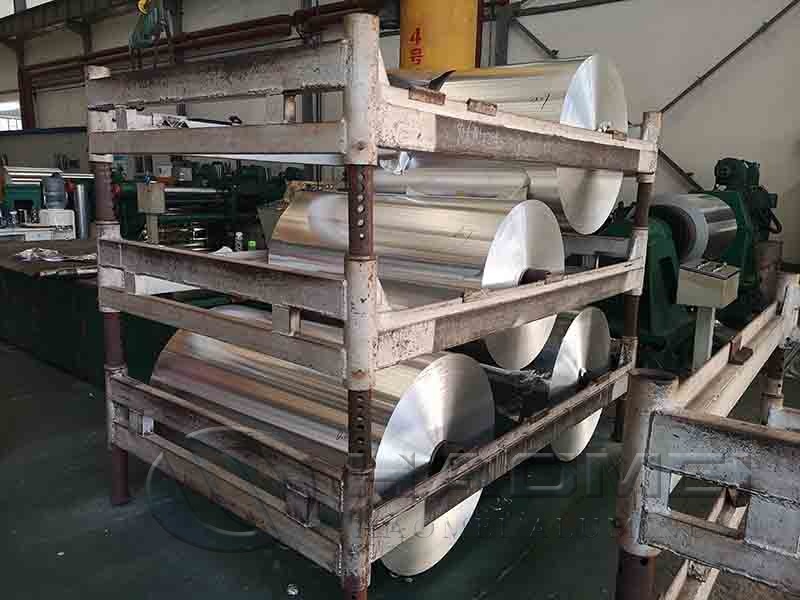 Plan year-end capacitor production with specified aluminum foil: purity, temper, surface controls, test documents, and shipment timing that reduce line risk.
Blog
Plan year-end capacitor production with specified aluminum foil: purity, temper, surface controls, test documents, and shipment timing that reduce line risk.
Blog
-
Where To Find a Reliable Air Conditioner Fin Foil Supplier
 In the competitive HVAC industry, the quality of air conditioner fin stock directly determines the heat exchange efficiency, durability, and energy-saving performance of air conditioning equipment. For manufacturers, distributors, and processing enterpris
Blog
In the competitive HVAC industry, the quality of air conditioner fin stock directly determines the heat exchange efficiency, durability, and energy-saving performance of air conditioning equipment. For manufacturers, distributors, and processing enterpris
Blog
-
 Specify aircon aluminum foil with durable hydrophilic coating: compare alloys, tests, standards, conversion costs, and receiving controls for HVAC fins.
Blog
Specify aircon aluminum foil with durable hydrophilic coating: compare alloys, tests, standards, conversion costs, and receiving controls for HVAC fins.
Blog
-
Aluminium Foil for Air Conditioner
 Explore aluminium foil for air conditioner questions on alloy, coating, thickness, and inspection for efficient, durable heat-exchanger fins.
Blog
Explore aluminium foil for air conditioner questions on alloy, coating, thickness, and inspection for efficient, durable heat-exchanger fins.
Blog
-
What Is Food Grade Aluminum Foil Jumbo Roll
 From the aluminum foil used for everyday baking and grilling to the containers used for takeout and the packaging that keeps food fresh, these ubiquitous aluminum foil products all originate from the same core raw material: the food grade aluminum foil ju
Blog
From the aluminum foil used for everyday baking and grilling to the containers used for takeout and the packaging that keeps food fresh, these ubiquitous aluminum foil products all originate from the same core raw material: the food grade aluminum foil ju
Blog

Haomei Aluminum CO., LTD.
Tel/Whatsapp: +86-15978414719
Email: sale@alumhm.com
Website: https://www.alumfoils.com
Xin'an Industrial Assemble Region,Luoyang,Henan Province,China
Office Add: 1103, No.14 Waihuan Road, CBD, Zhengzhou, China