3003 Aluminum Foil
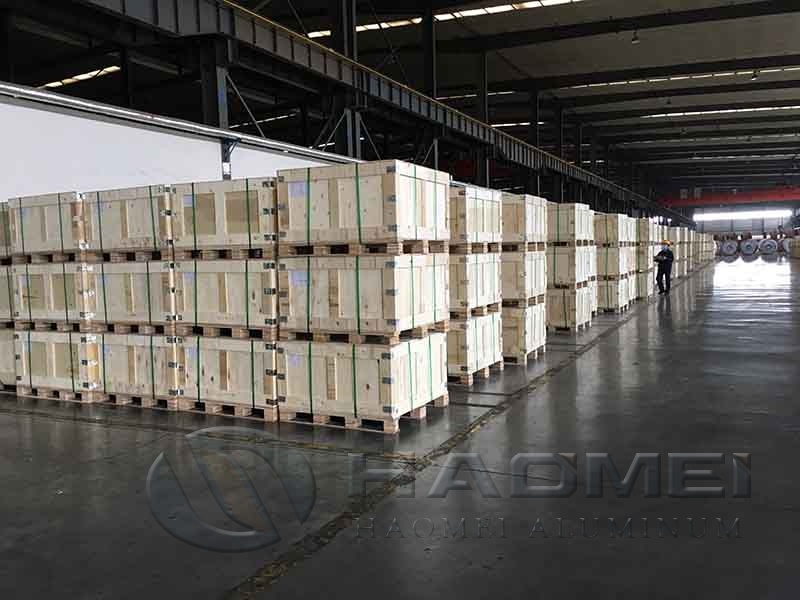
3003 aluminum foil specs, tempers, forming tests, compliance, cost drivers, and sourcing checks for container and electronics procurement teams.
For high-volume container, lid, insulation, and electronics programs, 3003 aluminum foil is often selected when pure aluminum grades are too soft and higher-strength alloys are unnecessary. Its main advantage is practical: stable formability under stamping, embossing, and drawing, with better strength than 1xxx alloys.
The feature to control most closely is formability without cracking. Many supply disputes arise not from chemistry, but from mismatched temper, thickness tolerance, surface cleanliness, or lubrication residue.

Specifications
3003 belongs to the Al-Mn series. The 3xxx Aluminum family is non-heat-treatable, so properties are controlled by cold rolling and annealing rather than solution treatment.
Typical registered composition limits for AA 3003 include manganese at 1.0%-1.5% and copper at 0.05%-0.20%, with aluminum as the balance. Exact limits should be verified against the latest Aluminum Association registration, ASTM, or EN standard required in the purchase contract.
| Item | Practical requirement for procurement |
|---|---|
| Common tempers | O, H14, H16, H18, H22, H24 |
| Typical container range | About 0.03-0.20 mm, subject to tool design |
| Main strengthening element | Mn |
| Heat treatment response | Not heat treatable |
| Main forming risk | Edge cracks, pinholes, orange peel, excessive springback |
| Common standards | ASTM B479, EN 546, EN 573-3, customer drawings |
Temper selection should follow the forming method. O temper gives maximum softness for deep forming. H22 and H24 are common for semi-rigid food trays because they balance stiffness and drawability. H18 is harder and should be used only when the forming depth is moderate and rigidity is the priority.
For dedicated container and electronics programs, specify 3003 Aluminum Foil for Container and Electronics with temper, thickness, width, core size, surface side, oil level, and packing method stated in one technical file.
Processing
The usual route is casting, homogenization when required, hot rolling or continuous casting, cold rolling, intermediate annealing, final rolling, slitting, and inspection. For foil products, cleanliness during final rolling is critical because rolling oil, metal fines, or water stains can affect food contact suitability, coating adhesion, and downstream sealing.
Use this process checklist before releasing a trial order:
Confirm alloy and temper on the mill test certificate.
Match thickness tolerance to the die, not only to the nominal gauge.
Define pinhole inspection level and sampling method.
Require edge condition: slit edge, burr control, telescoping tolerance.
State surface finish: bright, matte, one-side-bright, or degreased.
Confirm maximum oil residue if printing, coating, or sealing follows.
Request trial rolls from the same route planned for production.
A common mistake is approving a laboratory sample that was produced with a different annealing cycle from mass production. For repeat orders, ask the mill to identify rolling route and annealing window in its internal control plan, even if those parameters remain confidential.
Applications
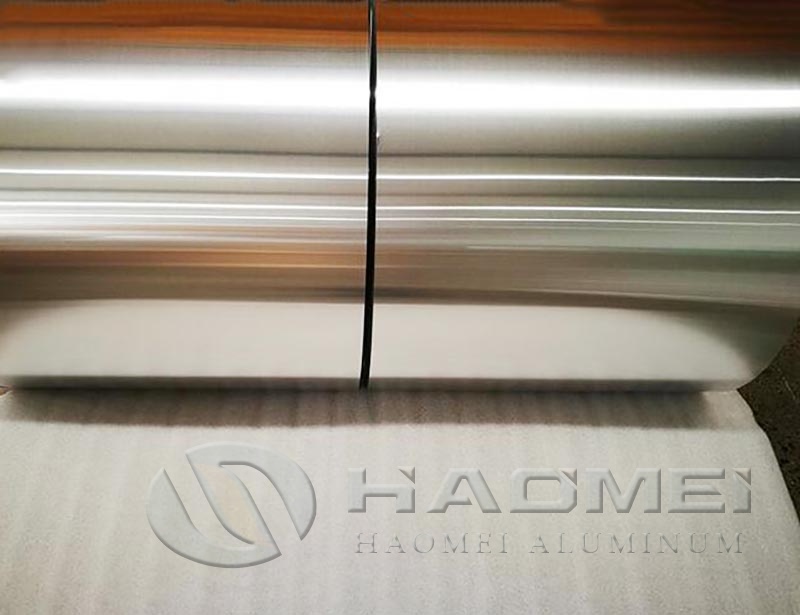
This alloy is widely used for smooth-wall containers, wrinkle-wall trays, lunch boxes, lids, heat exchanger fins, insulation, labels, and some electronic shielding or spacer uses. It is chosen when the part must resist denting better than high-purity foil while still forming cleanly.
| Application | Suggested temper | Watch point |
|---|---|---|
| Deep food tray | O, H22 | Cracking at corners |
| Semi-rigid container | H22, H24 | Balance stiffness and draw ratio |
| Lid or cover | H14, H16 | Flatness and coating adhesion |
| Insulation layer | O, H14 | Pinhole and roll cleanliness |
| Electronics spacer or shield | H18, H24 | Burr, conductivity, surface stain |
Compared with 8011, 3003 usually provides higher strength and better tray rigidity, while 8011 is often preferred for general packaging where softness and cost competitiveness are stronger priorities. Compared with 8006, 3003 is more widely available in many markets, while 8006 can be favored for special container forming where very high elongation after annealing is specified.
| Alloy | Strength | Formability | Typical use decision |
|---|---|---|---|
| 3003 | Medium | Good | Rigid or semi-rigid formed parts |
| 8011 | Low to medium | Very good | General packaging, household foil |
| 8006 | Medium | Excellent in suitable temper | Premium formed containers |
| 3004 | Higher than 3003 | Good | Higher-strength container designs |
Compliance
For food contact, the alloy itself is only one part of compliance. Rolling oil, coating, printing ink, lubricant, and cleaning process also matter.
Regulatory references commonly requested include:
EU Regulation (EC) No 1935/2004 for materials intended to contact food.
EU Regulation (EC) No 2023/2006 for good manufacturing practice.
FDA 21 CFR provisions relevant to indirect food additives, depending on coating or use condition.
EN 602 for aluminum products intended for food contact, where specified.
RoHS and REACH declarations for electronics or export programs.
Do not accept a generic food-grade statement without test context. Ask for product name, alloy, temper, thickness range, intended contact condition, coating system if any, and the issuing laboratory or responsible quality department.
Costing
The transaction price is usually built from three parts: aluminum metal value, conversion charge, and commercial adjustments. The metal part often references LME aluminum prices, regional premiums, and currency. Conversion charge reflects gauge, width, temper, surface requirement, slitting loss, packing, order volume, and inspection burden.
Cost drivers that materially change quotations:
| Cost driver | Why it matters |
|---|---|
| Thin gauge | More rolling passes and higher break risk |
| Narrow width | More slitting loss and handling time |
| Soft O temper | Annealing cost and longer lead time |
| Tight pinhole limit | Slower inspection and higher rejection |
| Degreased surface | Extra cleaning or controlled annealing |
| Export seaworthy packing | Stronger pallets, desiccant, wrapping, fumigation rules |
For price comparison, normalize quotations to the same metal basis, thickness tolerance, net weight, payment term, incoterm, packing, and claim allowance. A lower unit price can disappear if yield loss rises at stamping.
Sourcing
A reliable supplier should prove control over both metallurgical properties and roll handling. Before contract award, request a small production trial and measure actual forming yield on your own press.
Supplier audit checklist:
Mill test certificate showing alloy, temper, thickness, width, and mechanical values.
Coil traceability from casting or rolling batch to finished roll.
Pinhole, surface, and edge inspection records.
Packaging drawings for export or long-distance trucking.
Claim procedure with photo, sample retention, and response time.
Capability for repeat gauge and temper over multiple lots.
Market cycles also affect availability. When LME aluminum rises sharply, mills may shorten quotation validity. During container-foil demand peaks before holiday food seasons, H22 and H24 capacity can tighten. Secure annual volume with rolling forecasts, but keep technical specifications fixed; frequent changes in width, temper, or core size reduce mill efficiency and can raise conversion charges.
Procurement teams should approve this material only after trial stamping, surface testing, and compliance document review are complete. The most useful acceptance rule is simple: no visible cracks after forming, no abnormal oil or stain, and no uncontrolled deviation from the agreed temper, gauge, and roll condition.



- What Are Uses of Alu Foil PackagingDec 28, 2023
Food packaging is the most common application field of aluminum foil. Besides, alu foil packaging is also wide...
- What Is Heavy Duty Aluminum Foil ThicknessJun 03, 2025
In the family of material science, aluminum foil stands out for its unique properties and is widely used in ma...
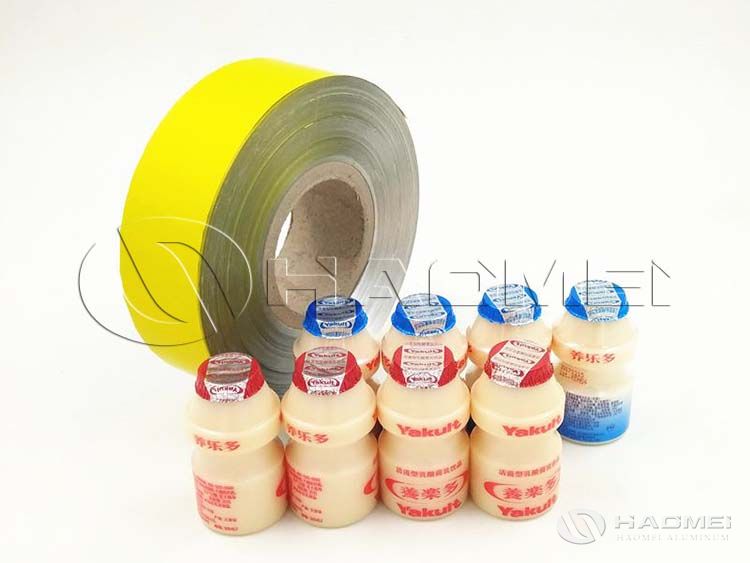
- What Is Specification of Aluminum Seal for BottlesAug 12, 2025
In the packaging industry, bottle sealing foil plays a crucial role, ensuring the quality of the product insid...
- Coated Aluminum Foil for AirconAug 04, 2022
The aluminum foil for aircon has two types:plain aluminum foil and coated aluminum foil. One of the main coat...
- Gold Aluminum Foil Roll for Flexible Air DuctApr 22, 2024
Aluminum foil tube is a pipe material widely used in air conditioning system, ventilation system and fume exha...
Inquiry
Products Category
Latest Application
-
 Why butter aluminum foil is neededButter aluminum foil blocks oxygen, moisture, and light, effectively preventing butter from oxidizing and spoiling, preserving nutrients, and significantly extending its shelf life. High-end products can see their sh
application
Why butter aluminum foil is neededButter aluminum foil blocks oxygen, moisture, and light, effectively preventing butter from oxidizing and spoiling, preserving nutrients, and significantly extending its shelf life. High-end products can see their sh
application
-
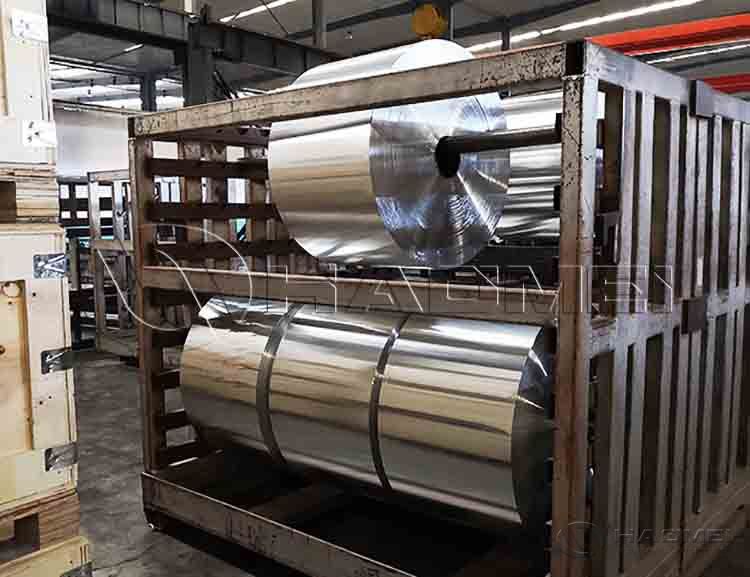 Cables are usually composed of conductors, insulation layers, shielding layers, and sheaths. Aluminum foil for cable is generally located outside the insulation layer as part of the shielding layer. It fits tightly to the surface of the insulation la
application
Cables are usually composed of conductors, insulation layers, shielding layers, and sheaths. Aluminum foil for cable is generally located outside the insulation layer as part of the shielding layer. It fits tightly to the surface of the insulation la
application
-
Aluminum Gold Foil Paper For Chocolate Wrapping
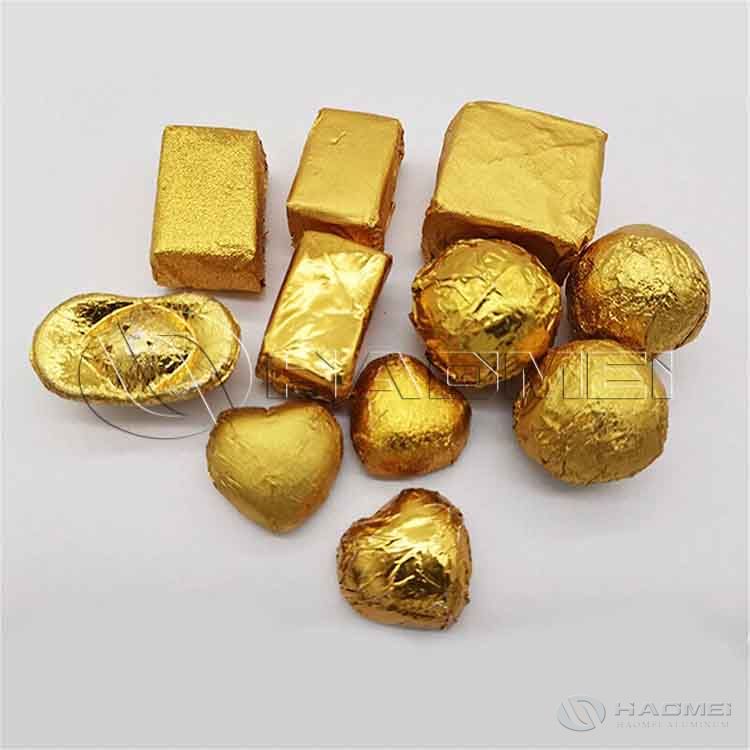 When is aluminum foil used for chocolate wrappingThe use of aluminium foil food for chocolate can be traced back to the early 20th century. In 1911, Swiss candy companies began to wrap chocolate with aluminum foil, gradually replacing the tin foil. T
application
When is aluminum foil used for chocolate wrappingThe use of aluminium foil food for chocolate can be traced back to the early 20th century. In 1911, Swiss candy companies began to wrap chocolate with aluminum foil, gradually replacing the tin foil. T
application
-
PVC Rigid Film and Aluminum Foil for Medicine Packaging
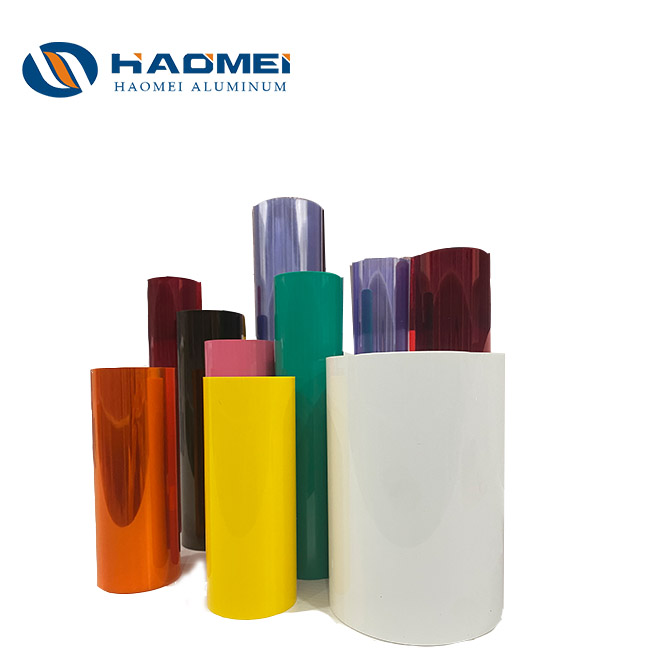 Haomei Aluminum provides different types of aluminum foil and plastic rigid films like PTP aluminum foil, cold forming foil, tropical foil, PVC rigid film, PE/PET film,etc. Best Price! Inquire now.
application
Haomei Aluminum provides different types of aluminum foil and plastic rigid films like PTP aluminum foil, cold forming foil, tropical foil, PVC rigid film, PE/PET film,etc. Best Price! Inquire now.
application
-
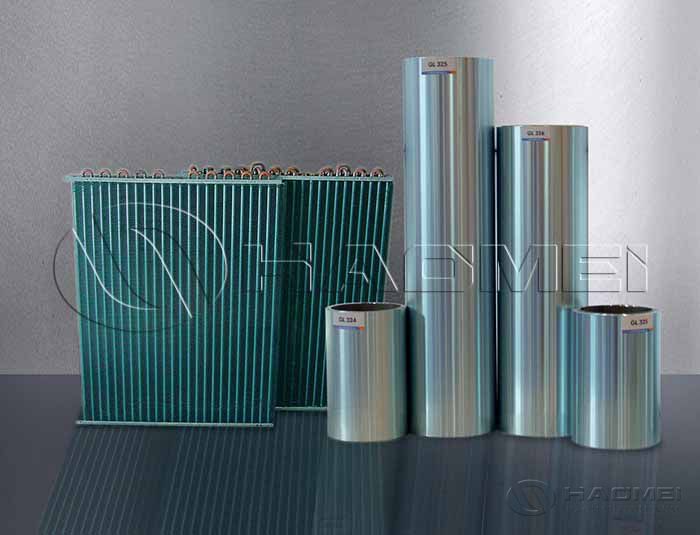 Haomei Aluminum offers you different colors of air conditioner aluminum foil like hydrophilic aluminum foil, including1100/ 3003 /8006/8011 aluminum foil,etc. Learn more.
application
Haomei Aluminum offers you different colors of air conditioner aluminum foil like hydrophilic aluminum foil, including1100/ 3003 /8006/8011 aluminum foil,etc. Learn more.
application
Latest Blog
-
Aluminum Foil Jumbo Roll for Flexible Packaging Laminates
Compare 1235 pure aluminum & 8011 alloy foil jumbo rolls for flexible packaging lamination. Learn their differences in material properties, performance, pros & cons, and key application scenarios to choose the right foil for food, pharmaceutical & consume Blog
-
 Plan year-end capacitor production with specified aluminum foil: purity, temper, surface controls, test documents, and shipment timing that reduce line risk.
Blog
Plan year-end capacitor production with specified aluminum foil: purity, temper, surface controls, test documents, and shipment timing that reduce line risk.
Blog
-
Where To Find a Reliable Air Conditioner Fin Foil Supplier
 In the competitive HVAC industry, the quality of air conditioner fin stock directly determines the heat exchange efficiency, durability, and energy-saving performance of air conditioning equipment. For manufacturers, distributors, and processing enterpris
Blog
In the competitive HVAC industry, the quality of air conditioner fin stock directly determines the heat exchange efficiency, durability, and energy-saving performance of air conditioning equipment. For manufacturers, distributors, and processing enterpris
Blog
-
 Specify aircon aluminum foil with durable hydrophilic coating: compare alloys, tests, standards, conversion costs, and receiving controls for HVAC fins.
Blog
Specify aircon aluminum foil with durable hydrophilic coating: compare alloys, tests, standards, conversion costs, and receiving controls for HVAC fins.
Blog
-
Aluminium Foil for Air Conditioner
 Explore aluminium foil for air conditioner questions on alloy, coating, thickness, and inspection for efficient, durable heat-exchanger fins.
Blog
Explore aluminium foil for air conditioner questions on alloy, coating, thickness, and inspection for efficient, durable heat-exchanger fins.
Blog

Haomei Aluminum CO., LTD.
Tel/Whatsapp: +86-15978414719
Email: sale@alumhm.com
Website: https://www.alumfoils.com
Xin'an Industrial Assemble Region,Luoyang,Henan Province,China
Office Add: 1103, No.14 Waihuan Road, CBD, Zhengzhou, China