Aluminum Foil for Capacitors
Plan year-end capacitor production with specified aluminum foil: purity, temper, surface controls, test documents, and shipment timing that reduce line risk.
Year-end holidays can disrupt capacitor manufacturing more than normal demand cycles. Christmas Day falls on December 25, 2026, New Year's Day follows on January 1, 2027, and Lunar New Year begins on February 6, 2027. Port schedules, conversion capacity, inspection windows, and inland transport may all be affected around these dates.
For capacitor manufacturers, the practical holiday solution is not simply ordering earlier. It is specifying capacitor-grade aluminum strip or foil clearly enough that incoming material can move into etching, forming, slitting, or winding without avoidable qualification delays.
The top concern is consistent foil surface quality, because the aluminum substrate directly affects downstream etching behavior and dielectric formation. A shipment that meets thickness requirements but has uncontrolled surface condition, edge damage, or inconsistent temper can create process variation when production capacity is already constrained.

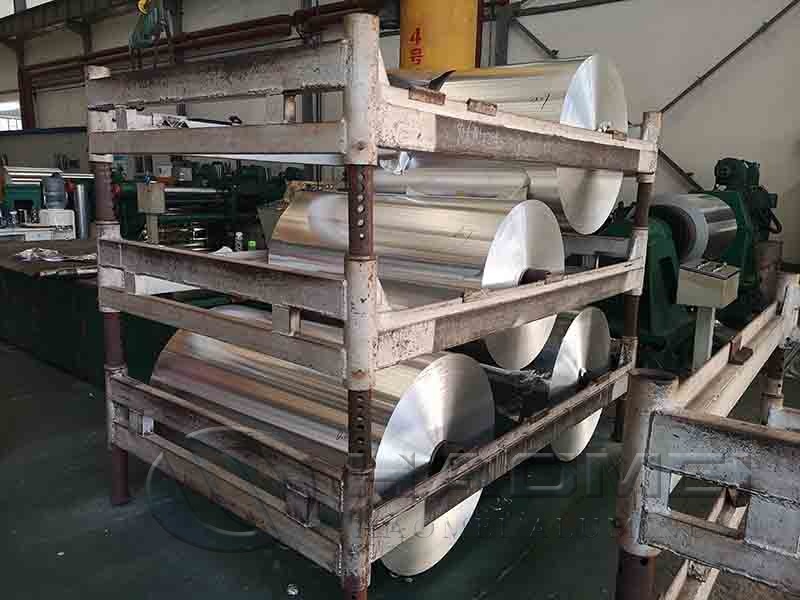
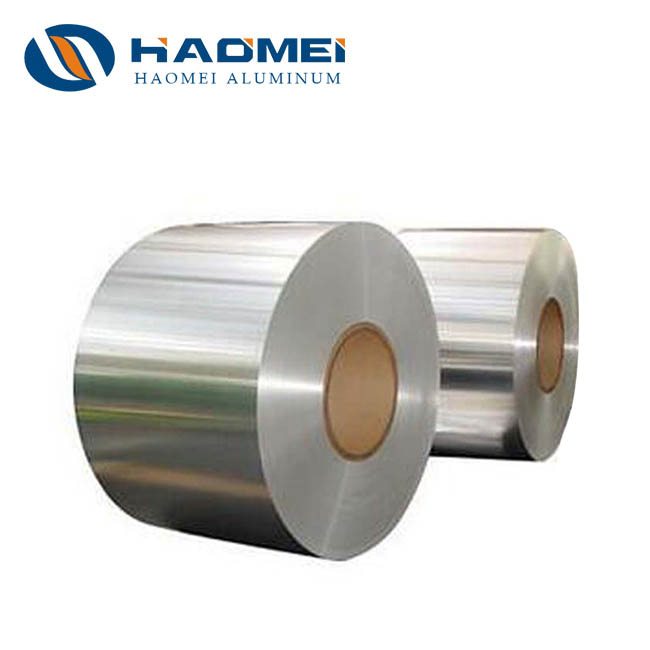
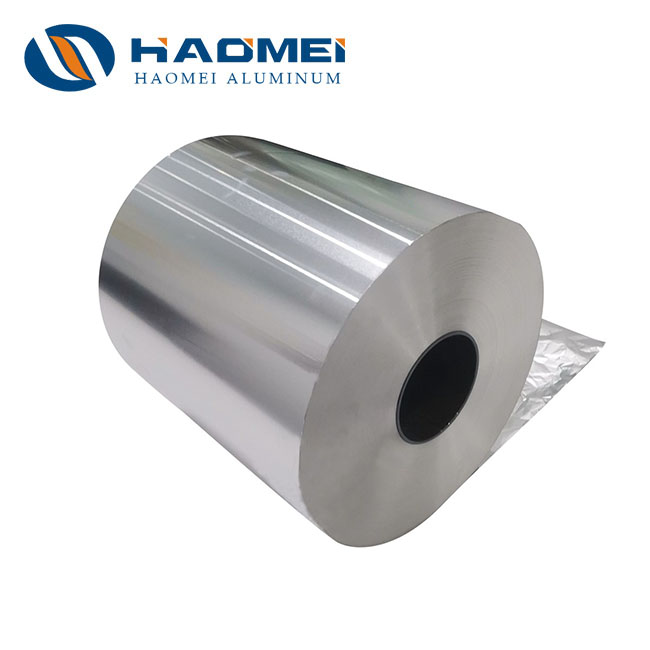
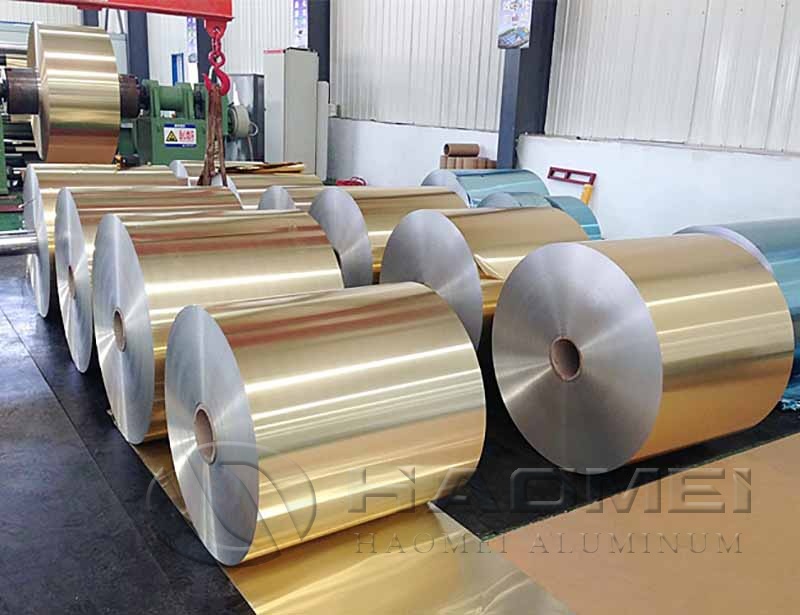
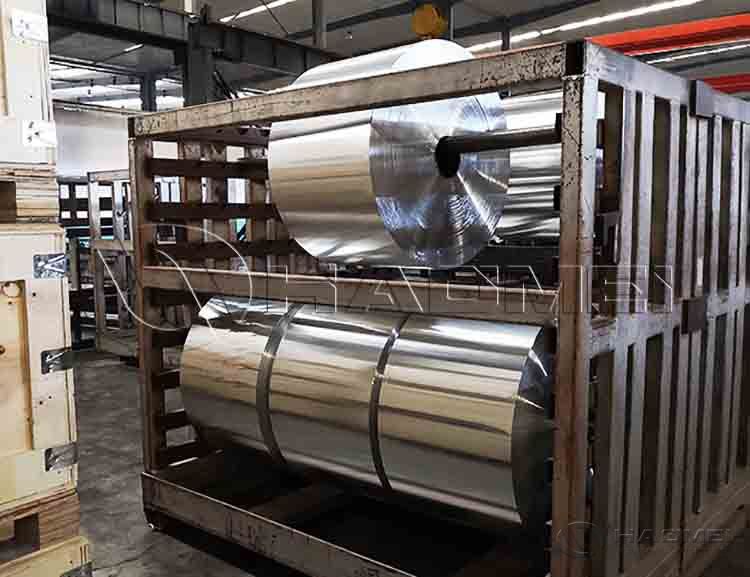
Illustrative foil image. Coil appearance alone cannot verify suitability for capacitor processing.
Specify the Foil Around the Actual Capacitor Process
Aluminum electrolytic capacitors commonly use high-purity aluminum foil as the starting material for anode or cathode processing. In the anode route, the foil is etched to increase effective surface area, then anodically formed to create an aluminum oxide dielectric layer. The capacitance relationship, C = εA/d, shows why etched surface area and controlled dielectric thickness matter: increasing effective area A can increase capacitance, while the oxide layer controls dielectric performance.
IEC 60384-4 covers fixed aluminum electrolytic capacitors, but it does not replace a material specification agreed between the foil supplier and the capacitor producer. Incoming foil requirements should therefore match the actual conversion route and final electrical targets.
| Incoming foil requirement | Why it matters in capacitor processing | What to place on the purchase specification |
|---|---|---|
| Alloy and minimum aluminum content | Purity influences etching response and conductivity consistency | State alloy, such as 1050 or 1070, and applicable standard |
| Temper | Excessively hard or variable temper can affect winding and processing stability | State temper range and mechanical-property limits |
| Thickness and tolerance | Variation changes etching conditions, winding geometry, and yield | State nominal thickness, tolerance, and measurement method |
| Surface cleanliness | Rolling residue or contamination can affect etching and formation | Define cleanliness standard, inspection method, and acceptance limit |
| Edge condition | Burrs, cracks, and wave edges can interrupt slitting or winding | Specify edge type, burr control, and allowable defects |
| Coil geometry | Incorrect ID, OD, width, or winding direction delays line loading | Confirm coil dimensions, core material, and winding direction |
For reference, the Aluminum Association alloy designation system identifies 1050 as aluminum with a minimum 99.5% aluminum content and 1070 as aluminum with a minimum 99.7% aluminum content. Higher nominal purity alone does not guarantee capacitor performance; etching chemistry, formation conditions, and final capacitor design remain controlling factors.
Where 1050 material fits the process window, 1050 Aluminum Foil for Battery and Electronics can be evaluated against the plant's thickness, temper, and surface requirements. For operations requiring a higher-purity 1xxx-series starting point, compare the required documents and conversion results with 1070 Aluminum Foil for Packaging and Transformer before releasing production material.
Use a Holiday Release Schedule That Prevents Line Stops
The most effective holiday plan separates technical approval from shipment release. Do not wait until a production line is close to depletion before confirming samples, documentation, and packaging details.
Use this release sequence:
- Lock the material specification. Confirm alloy, temper, thickness, width, coil ID, coil OD, surface condition, and packaging requirements in one controlled document.
- Approve a representative sample. Run the sample through the intended slitting, etching, forming, or winding step. Record actual process observations rather than relying only on visual inspection.
- Require shipment documents before dispatch. Review the mill test certificate, coil list, packing list, and certificate of conformity where contractually required.
- Set an arrival buffer. Allow time for port congestion, customs processing, receiving inspection, and any re-slitting before the holiday closure.
- Confirm packaging for warehouse conditions. Foil should be protected from moisture, dust, compression damage, and coil-edge impact during extended storage.
A commercial offer should identify the quoted alloy, dimensions, temper, quantity, lead time, Incoterms rule, payment terms, document package, and packaging method. Price should not be compared without confirming these points. A lower quoted figure may omit slitting, export packing, inspection records, or a required coil configuration.
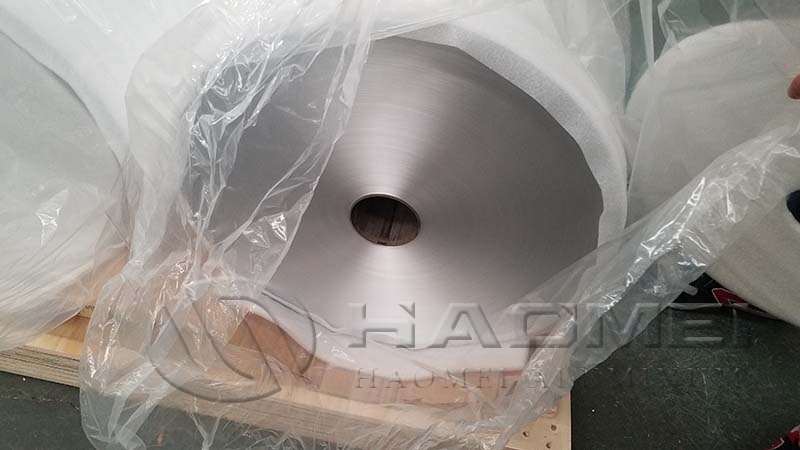
Foil products may look similar in photographs, but capacitor applications require documented material and process controls rather than appearance-based selection.
Receiving Inspection Checklist for Capacitor Foil
Use the following checklist at receiving, particularly for shipments intended to cover holiday production periods:
- Match each coil number to the mill test certificate and packing list.
- Verify alloy, temper, thickness, width, and coil dimensions against the purchase specification.
- Inspect outer wraps, edge protectors, pallets, and cores before unloading.
- Check for telescoping, crushed edges, water staining, scratches, loose winding, and transport damage.
- Retain samples by coil number for traceability through etching and formation trials.
- Measure thickness using the agreed method and sampling plan.
- Record surface observations before removing protective wrapping.
- Quarantine coils with document mismatches or visible packaging damage until disposition is approved.
For holiday coverage, establish a minimum on-site inventory level based on average daily consumption, receiving lead time, inspection time, and planned shutdown days. Keep approved material identification separate from material awaiting verification so that urgent production does not bypass incoming controls.


- What Are Uses of Alu Foil PackagingDec 28, 2023
Food packaging is the most common application field of aluminum foil. Besides, alu foil packaging is also wide...
- Aircon Aluminum FoilSep 16, 2026
Specify aircon aluminum foil with durable hydrophilic coating: compare alloys, tests, standards, conversion co...
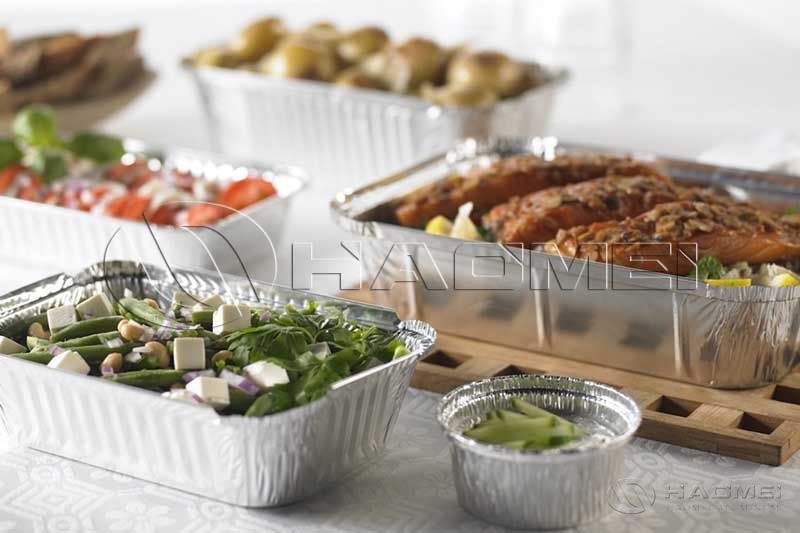
- Food Container Aluminum Foil Grades, Thickness, Uses, and Buying GuideJun 10, 2026
Shop reliable food aluminum foil containers made of 8011, 3003, 8006 alloys. Different thickness specs for hou...
- 3003 Aluminum FoilJul 09, 2026
3003 aluminum foil specs, tempers, forming tests, compliance, cost drivers, and sourcing checks for container...
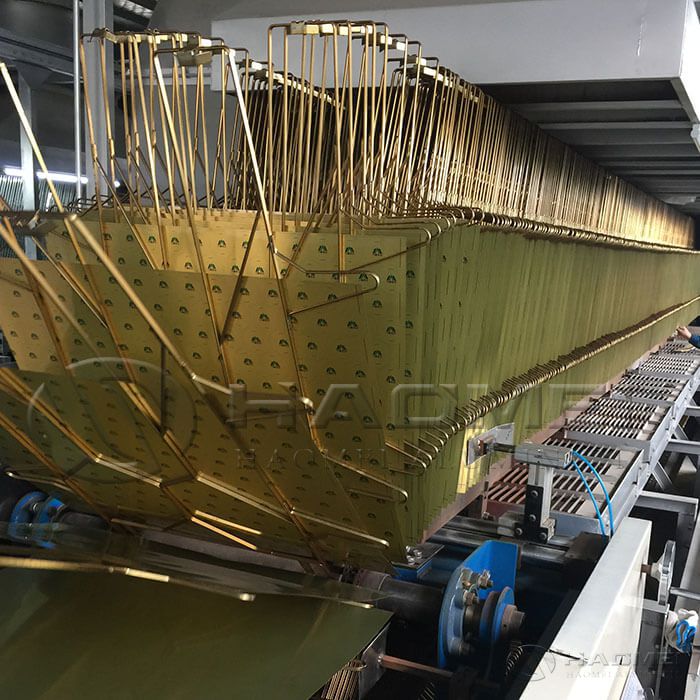
- Aluminum Foil for Pet JarJun 02, 2023
The gold aluminum sheet is one of the popular colors of the aluminum foil for bottle cap. What are its main pr...
Inquiry
Products Category
Latest Application
-
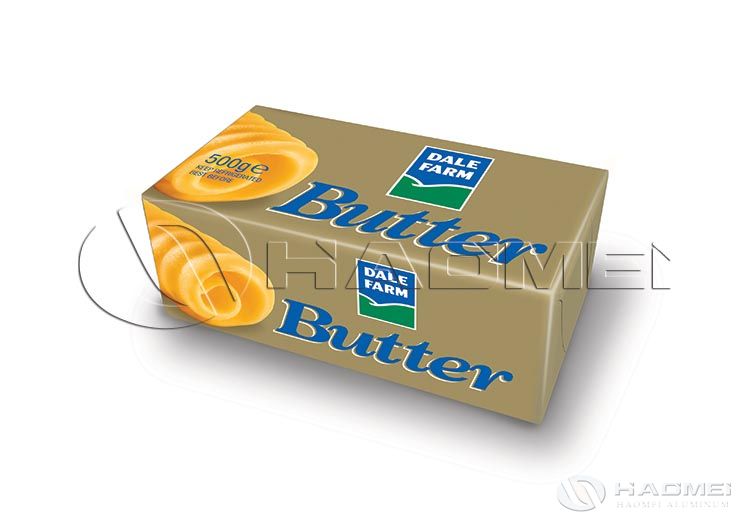 Why butter aluminum foil is neededButter aluminum foil blocks oxygen, moisture, and light, effectively preventing butter from oxidizing and spoiling, preserving nutrients, and significantly extending its shelf life. High-end products can see their sh
application
Why butter aluminum foil is neededButter aluminum foil blocks oxygen, moisture, and light, effectively preventing butter from oxidizing and spoiling, preserving nutrients, and significantly extending its shelf life. High-end products can see their sh
application
-
 Cables are usually composed of conductors, insulation layers, shielding layers, and sheaths. Aluminum foil for cable is generally located outside the insulation layer as part of the shielding layer. It fits tightly to the surface of the insulation la
application
Cables are usually composed of conductors, insulation layers, shielding layers, and sheaths. Aluminum foil for cable is generally located outside the insulation layer as part of the shielding layer. It fits tightly to the surface of the insulation la
application
-
Aluminum Gold Foil Paper For Chocolate Wrapping
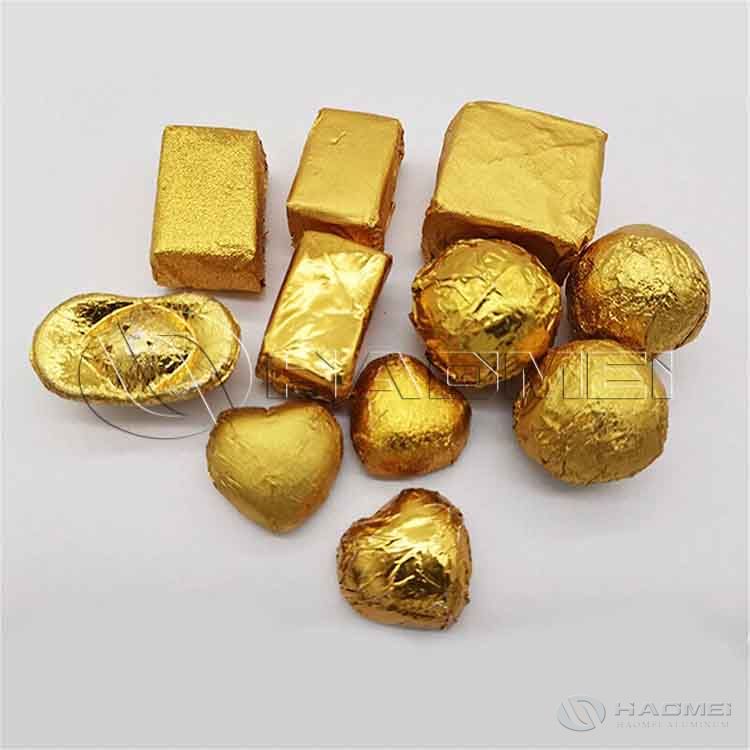 When is aluminum foil used for chocolate wrappingThe use of aluminium foil food for chocolate can be traced back to the early 20th century. In 1911, Swiss candy companies began to wrap chocolate with aluminum foil, gradually replacing the tin foil. T
application
When is aluminum foil used for chocolate wrappingThe use of aluminium foil food for chocolate can be traced back to the early 20th century. In 1911, Swiss candy companies began to wrap chocolate with aluminum foil, gradually replacing the tin foil. T
application
-
PVC Rigid Film and Aluminum Foil for Medicine Packaging
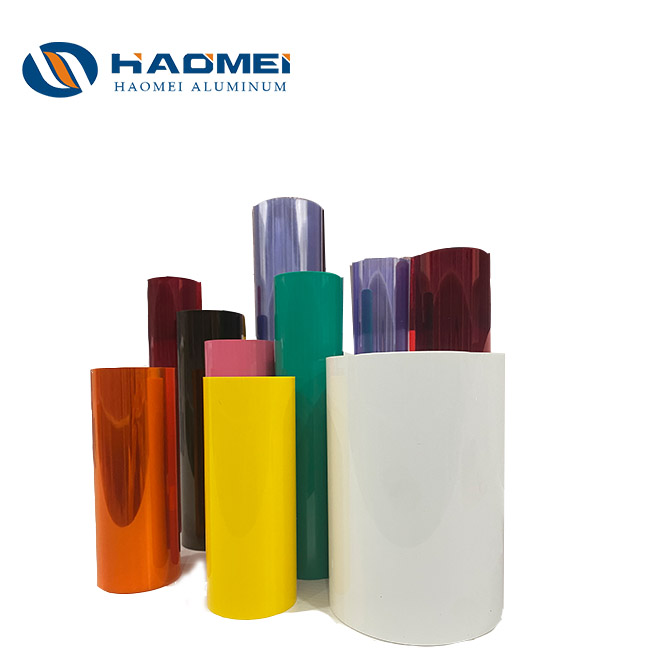 Haomei Aluminum provides different types of aluminum foil and plastic rigid films like PTP aluminum foil, cold forming foil, tropical foil, PVC rigid film, PE/PET film,etc. Best Price! Inquire now.
application
Haomei Aluminum provides different types of aluminum foil and plastic rigid films like PTP aluminum foil, cold forming foil, tropical foil, PVC rigid film, PE/PET film,etc. Best Price! Inquire now.
application
-
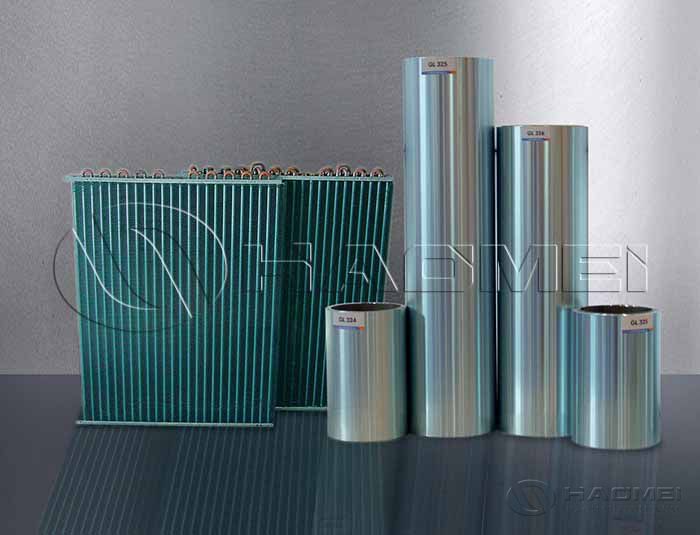 Haomei Aluminum offers you different colors of air conditioner aluminum foil like hydrophilic aluminum foil, including1100/ 3003 /8006/8011 aluminum foil,etc. Learn more.
application
Haomei Aluminum offers you different colors of air conditioner aluminum foil like hydrophilic aluminum foil, including1100/ 3003 /8006/8011 aluminum foil,etc. Learn more.
application
Latest Blog
-
Plan year-end capacitor production with specified aluminum foil: purity, temper, surface controls, test documents, and shipment timing that reduce line risk.
Blog
-
Where To Find a Reliable Air Conditioner Fin Foil Supplier
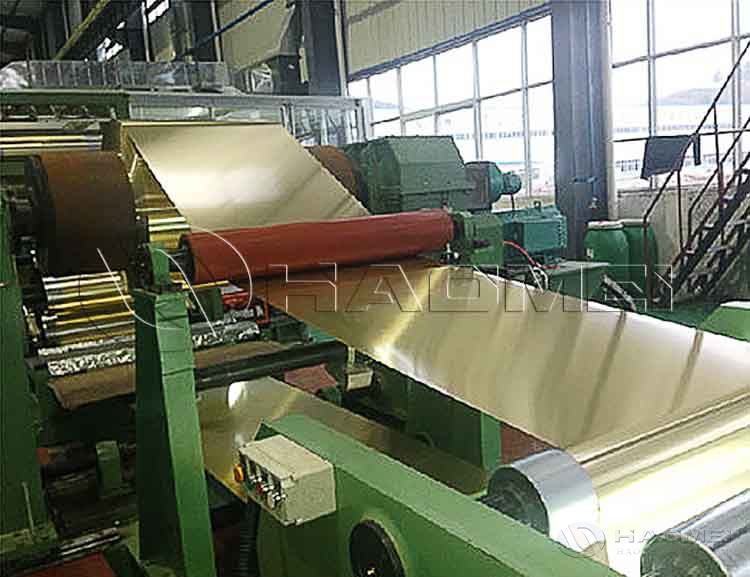 In the competitive HVAC industry, the quality of air conditioner fin stock directly determines the heat exchange efficiency, durability, and energy-saving performance of air conditioning equipment. For manufacturers, distributors, and processing enterpris
Blog
In the competitive HVAC industry, the quality of air conditioner fin stock directly determines the heat exchange efficiency, durability, and energy-saving performance of air conditioning equipment. For manufacturers, distributors, and processing enterpris
Blog
-
Specify aircon aluminum foil with durable hydrophilic coating: compare alloys, tests, standards, conversion costs, and receiving controls for HVAC fins.
Blog
-
Aluminium Foil for Air Conditioner
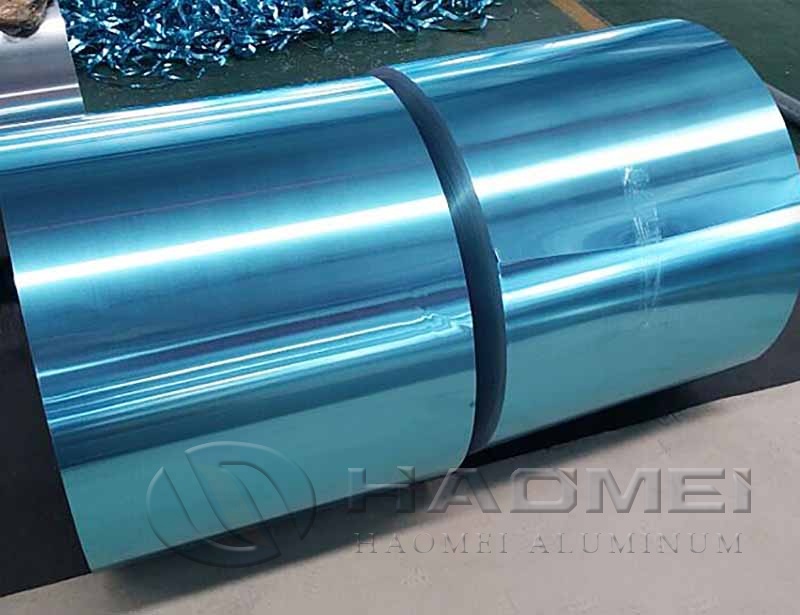 Explore aluminium foil for air conditioner questions on alloy, coating, thickness, and inspection for efficient, durable heat-exchanger fins.
Blog
Explore aluminium foil for air conditioner questions on alloy, coating, thickness, and inspection for efficient, durable heat-exchanger fins.
Blog
-
What Is Food Grade Aluminum Foil Jumbo Roll
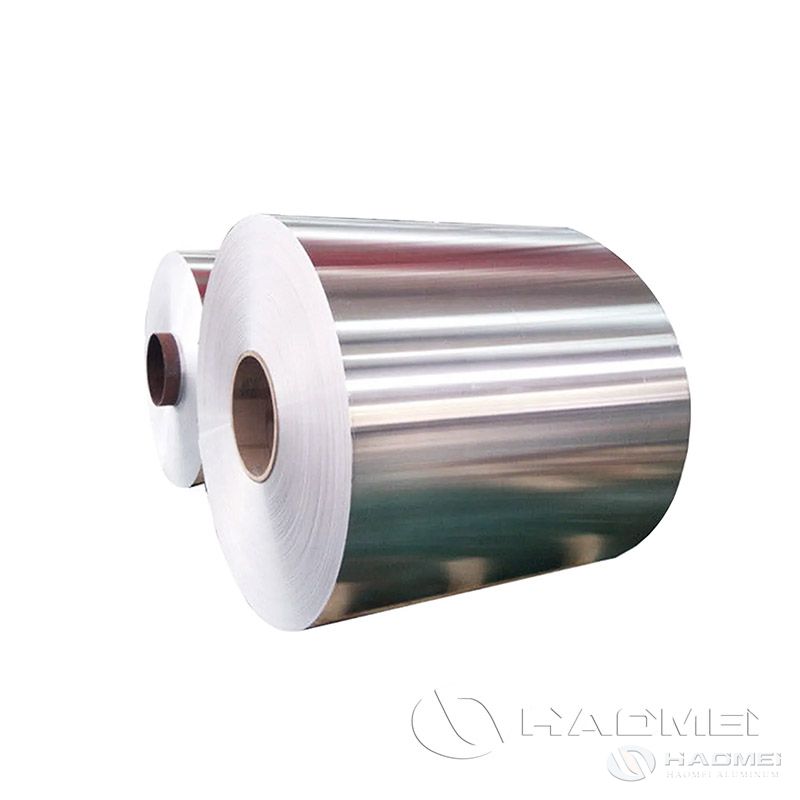 From the aluminum foil used for everyday baking and grilling to the containers used for takeout and the packaging that keeps food fresh, these ubiquitous aluminum foil products all originate from the same core raw material: the food grade aluminum foil ju
Blog
From the aluminum foil used for everyday baking and grilling to the containers used for takeout and the packaging that keeps food fresh, these ubiquitous aluminum foil products all originate from the same core raw material: the food grade aluminum foil ju
Blog

Haomei Aluminum CO., LTD.
Tel/Whatsapp: +86-15978414719
Email: sale@alumhm.com
Website: https://www.alumfoils.com
Xin'an Industrial Assemble Region,Luoyang,Henan Province,China
Office Add: 1103, No.14 Waihuan Road, CBD, Zhengzhou, China