Aluminium Foil for Air Conditioner
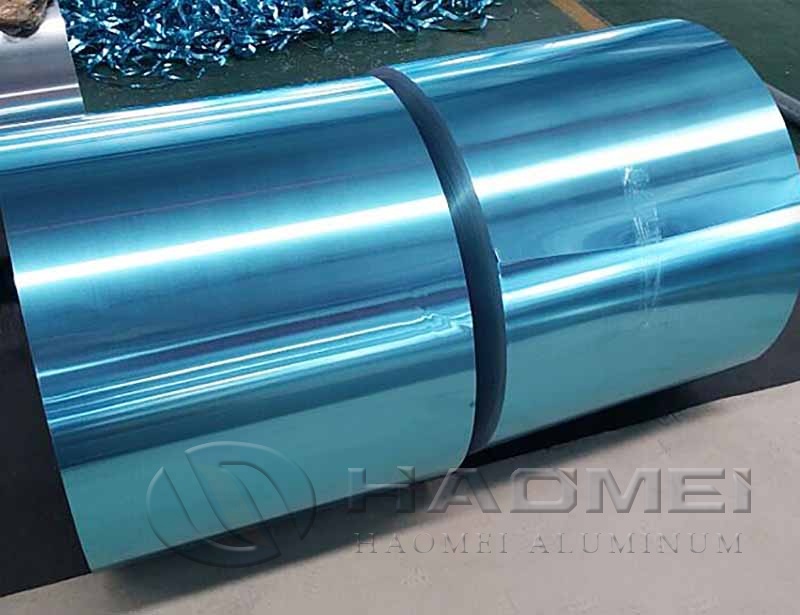
Explore aluminium foil for air conditioner questions on alloy, coating, thickness, and inspection for efficient, durable heat-exchanger fins.
Air-conditioner manufacturers and component fabricators are increasingly discussing how aluminium fin material affects heat transfer, drainage, corrosion resistance, and forming performance. The following five questions reflect recurring English-language Q&A topics seen in recent discussions about aluminium foil for air conditioner heat exchangers.

| Question Area | What It Affects | Typical Decision Factor |
|---|---|---|
| Alloy selection | Formability and conductivity | 1100, 1200, or 8011 series |
| Coating type | Drainage and corrosion resistance | Bare, blue hydrophilic, or gold coating |
| Thickness | Strength and material use | Fin design and stamping capability |
| Temper | Collar forming and louver punching | Annealed or H-series temper |
| Inspection | Production consistency | Surface, coating, dimensions, and mechanical data |
1. What aluminium foil is commonly used for air conditioner fins?
For evaporator and condenser fins, commercially pure aluminium grades are widely used because they combine high thermal conductivity with good formability. Grades in the 1xxx family, particularly 1100-type material, are frequently selected for conventional HVAC fin production. Their relatively low alloying content supports stable rolling, louver punching, collar drawing, and expansion processes.
An alloy alone does not define whether the material will perform well. Temper, thickness tolerance, surface cleanliness, and coating adhesion are equally important. A fin material can have the right chemical composition but still create production issues if it has uneven mechanical properties across the width. This may appear as inconsistent collar height, edge cracking, or irregular louver geometry after stamping.
For applications requiring dependable workability, manufacturers may evaluate 1100 Aluminum Foil for Battery and Air Conditioner based on temper range, width capability, and finish requirements. The material should be matched to the actual fin die, tube pitch, and forming speed rather than selected only by alloy number.
A practical specification should state the alloy, temper, thickness, width, inner diameter, outer diameter, and surface treatment. It should also identify which side, if any, receives the functional coating.
2. Is hydrophilic aluminium foil worth using in an AC evaporator?
Hydrophilic aluminium foil is designed to help condensed water spread into a thin film and drain away more easily from the evaporator surface. In cooling mode, humid air passes over cold fin surfaces and moisture condenses. If droplets bridge the fin spacing, they can obstruct airflow, increase pressure drop, and create water carryover concerns. A hydrophilic coating reduces droplet beading and supports smoother drainage.
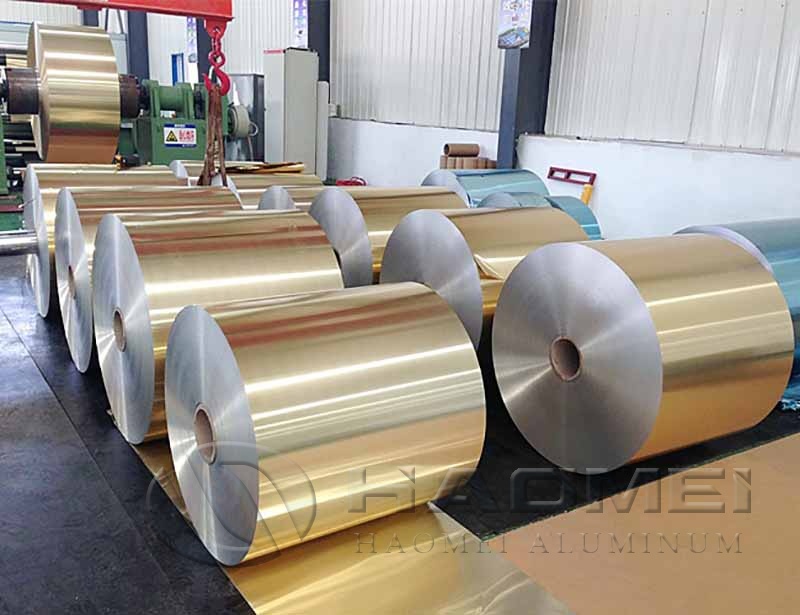
The value of hydrophilic treatment is usually greatest in indoor evaporators, especially where humidity is high or compact fin spacing is used. It can also help reduce temporary water retention after defrosting or shutdown. However, the coating must survive stamping, tube expansion, transport, and long-term exposure to condensate. A coating that performs well in a laboratory wetting test but cracks around collars may not deliver the expected service benefit.
When comparing hydrophilic options, ask for more than the coating color. Blue, gold, or clear appearance does not automatically indicate performance level. Relevant properties include coating weight, adhesion, pencil hardness where applicable, wetting angle, salt-spray behavior, alkali resistance, and post-forming integrity.
| Surface Type | Common Use | Main Advantage | Point to Verify |
|---|---|---|---|
| Bare aluminium | Standard condenser fins | Lower processing cost | Corrosion environment |
| Blue hydrophilic coating | Indoor evaporators | Improved drainage | Coating uniformity after forming |
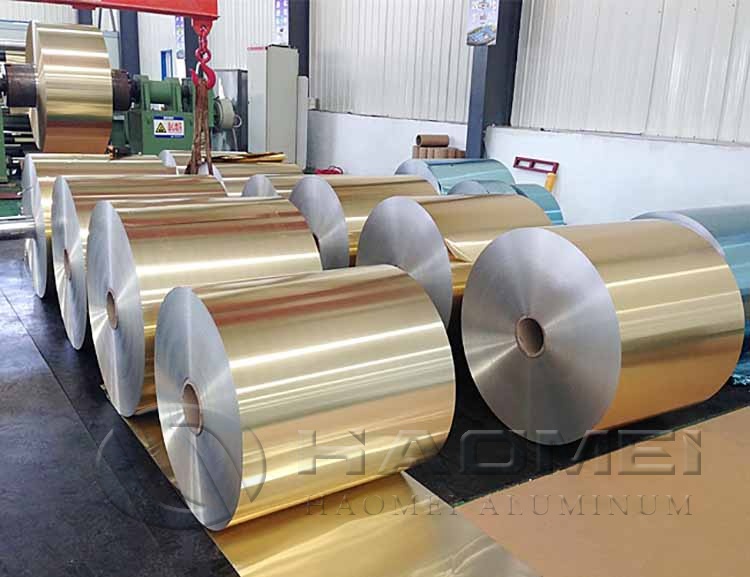
| Gold hydrophilic coating | Higher corrosion-demand settings | Added protective performance | Test method and acceptance criteria |
3. What thickness is best for aluminium foil in an air conditioner?
There is no single best thickness because the correct range depends on the heat-exchanger design. Many AC fin applications use thin material in the approximate 0.08 mm to 0.20 mm range. Compact residential units may favor lighter gauges for material efficiency and heat-transfer design, while larger commercial equipment or demanding stamping conditions may require a more robust gauge.
Thickness must be considered alongside fin pitch and collar geometry. Very thin material can lower weight and reduce material consumption, but it may be more sensitive to wrinkling, edge damage, and deformation during fin pressing. Thicker material can improve rigidity, yet it may require adjusted die settings and can change thermal design calculations.
Rather than specifying only a nominal thickness, request a thickness tolerance and a measurement method. Consistent thickness across the width is vital because uneven stock can cause variation in collar formation and stacking. It is also useful to confirm whether the stated thickness includes the coating layer or refers only to the aluminium base.
4. Should I choose bare, blue hydrophilic, or gold hydrophilic aluminium foil?
The choice should begin with the operating environment. Bare material may be suitable for less aggressive conditions and cost-sensitive condenser applications. Hydrophilic aluminum foil is often preferred for evaporators because it improves condensate behavior. Gold hydrophilic systems are commonly considered where corrosion exposure, coastal conditions, industrial pollutants, or extended service expectations make additional protection valuable.
Do not treat color as a universal standard. Different producers can use similar colors with different resin systems, coating weights, curing conditions, and corrosion performance. The better comparison is a documented technical package that includes coating composition category, thickness or mass, adhesion result, hydrophilicity test, and corrosion-test conditions.
For sourcing conversations, 1xxx Aluminum can be a useful starting point when high-purity material and forming behavior are central requirements. The final selection should still be validated through a fin-stamping trial and assembled heat-exchanger evaluation.
5. How can I inspect aluminium foil before it enters AC fin production?
Incoming inspection should combine documentation checks with physical verification. Start by comparing the packing label, mill test certificate, and purchase specification. Confirm alloy, temper, dimensions, net weight, coating designation, and lot identification. Then inspect the surface under suitable lighting for dents, scratches, oil marks, coating streaks, edge damage, pinholes, and telescoping.
For coated material, test both the coating and the metal substrate. Simple checks may include coating adhesion after bending, water wetting behavior, coating continuity, and thickness measurement at multiple width positions. For production-critical orders, samples should be run through the actual fin press. This reveals issues that laboratory measurements can miss, including louver cracking, collar splitting, coating powdering, and lubricant compatibility.
| Inspection Item | Why It Matters for AC Fins | Typical Check |
|---|---|---|
| Thickness consistency | Supports repeatable stamping | Micrometer readings across width |
| Temper and tensile data | Influences collar and louver forming | Certificate review and tensile test |
| Surface cleanliness | Prevents coating and bonding issues | Visual check and cleanliness test |
| Coating adhesion | Helps coating remain intact after forming | Bend or tape-based assessment |
| Wetting performance | Supports condensate drainage | Water-spread observation |
| Edge condition | Reduces feeding and stamping interruptions | Visual inspection of slit edges |
A clear acceptance specification is especially important for long-running HVAC programs. It should define allowable dimensional variation, surface limits, coating performance criteria, packaging protection, and sampling frequency. This creates a common quality reference before material reaches the fin press.
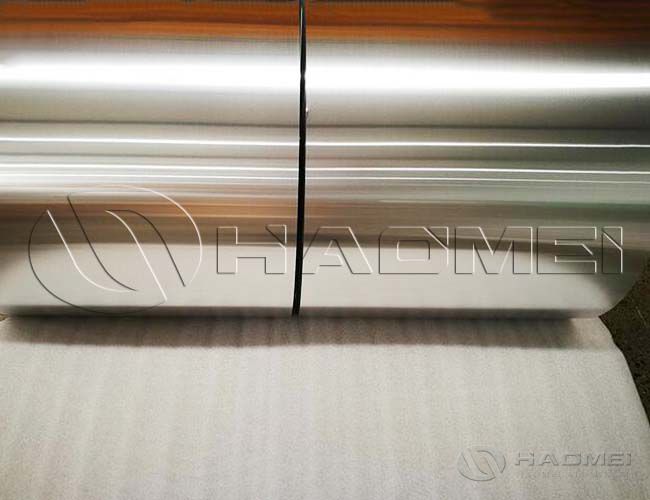
- Aluminum Foil Raw Material for Bottle SealingMay 25, 2022
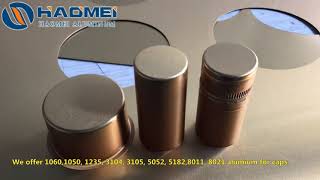
Aluminum foil bottle caps are very common in life. The two common aluminum foil raw material are 8011 and 8021...
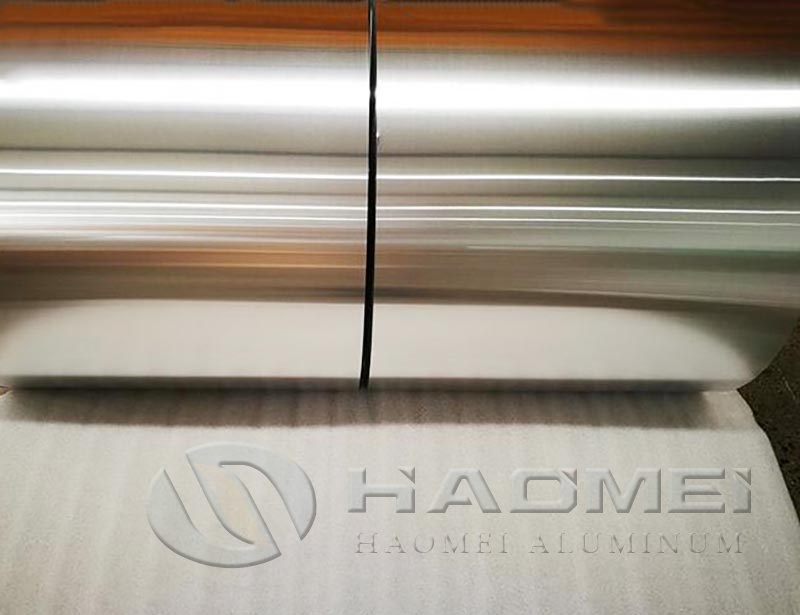
- Food Container Aluminum FoilFeb 03, 2026
Food container aluminum foil explained: grades, temp limits, coatings, sealing, and QC checks for bulk supply...
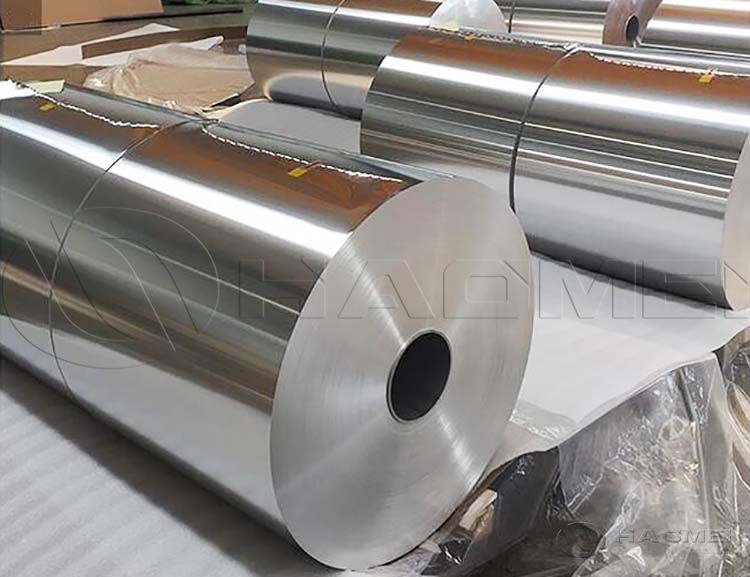
- What Is Thickness of Standard Aluminum FoilSep 25, 2023
Generally speaking, the thickness of standard aluminum foil is between 0.01mm and 0.2mm. The thickness require...
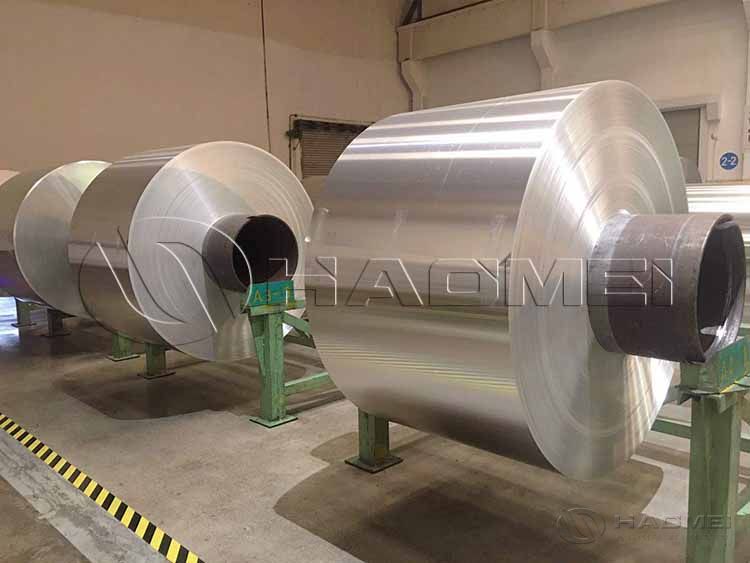
- What Is Aluminum Foil Electrical ConductivityAug 26, 2025
In the industrial sector, the aluminum foil jumbo roll, thanks to its advantages such as lightweight, corrosio...
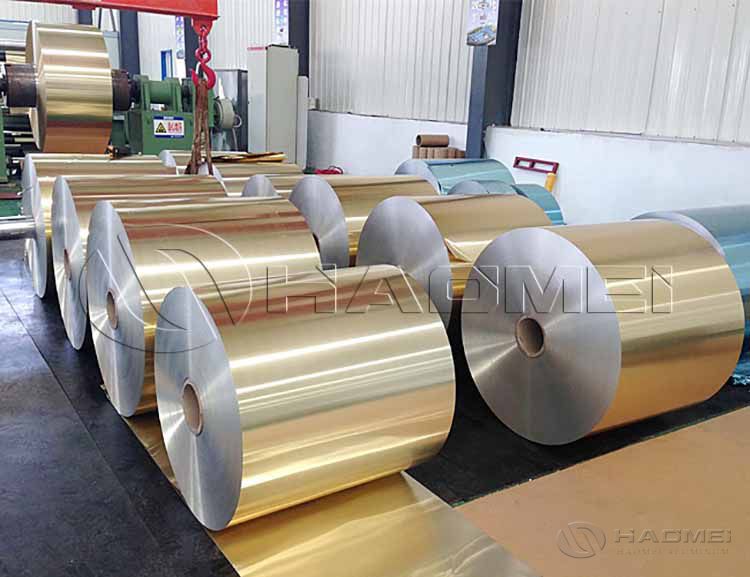
- Golden Aluminum Foil for Flexible DuctOct 16, 2024
The alloys of aluminum foil for flexible duct are usually 1000 series, 3000 series and 8000 series. The main a...
Inquiry
Products Category
Latest Application
-
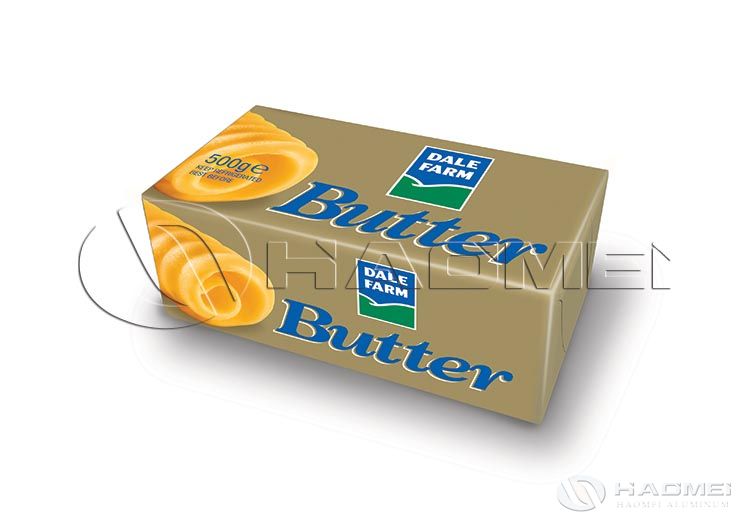 Why butter aluminum foil is neededButter aluminum foil blocks oxygen, moisture, and light, effectively preventing butter from oxidizing and spoiling, preserving nutrients, and significantly extending its shelf life. High-end products can see their sh
application
Why butter aluminum foil is neededButter aluminum foil blocks oxygen, moisture, and light, effectively preventing butter from oxidizing and spoiling, preserving nutrients, and significantly extending its shelf life. High-end products can see their sh
application
-
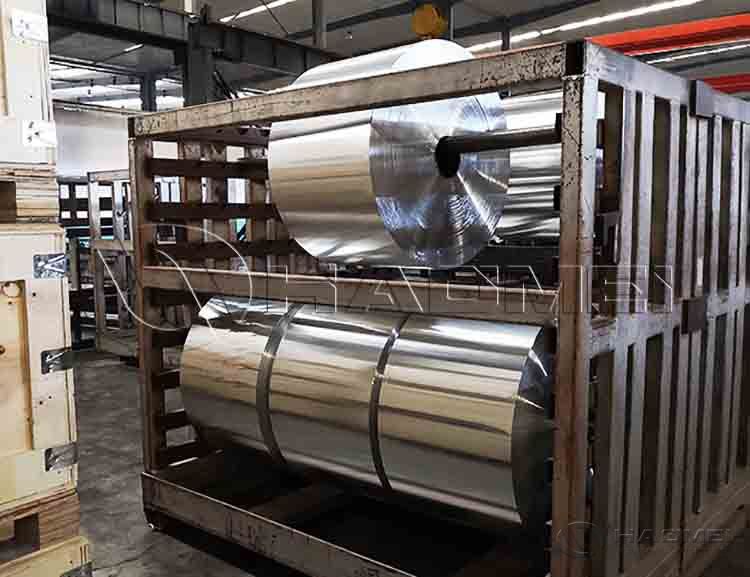 Cables are usually composed of conductors, insulation layers, shielding layers, and sheaths. Aluminum foil for cable is generally located outside the insulation layer as part of the shielding layer. It fits tightly to the surface of the insulation la
application
Cables are usually composed of conductors, insulation layers, shielding layers, and sheaths. Aluminum foil for cable is generally located outside the insulation layer as part of the shielding layer. It fits tightly to the surface of the insulation la
application
-
Aluminum Gold Foil Paper For Chocolate Wrapping
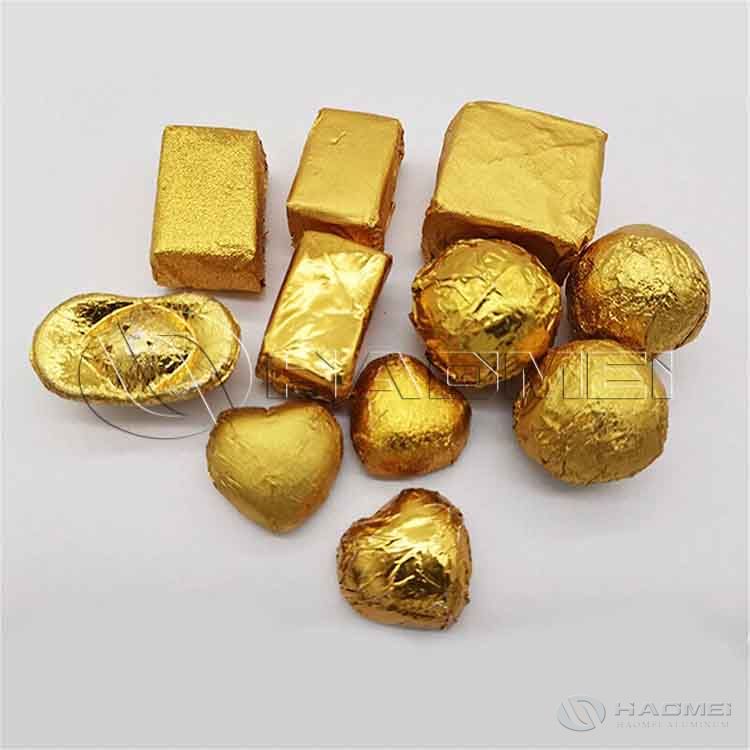 When is aluminum foil used for chocolate wrappingThe use of aluminium foil food for chocolate can be traced back to the early 20th century. In 1911, Swiss candy companies began to wrap chocolate with aluminum foil, gradually replacing the tin foil. T
application
When is aluminum foil used for chocolate wrappingThe use of aluminium foil food for chocolate can be traced back to the early 20th century. In 1911, Swiss candy companies began to wrap chocolate with aluminum foil, gradually replacing the tin foil. T
application
-
PVC Rigid Film and Aluminum Foil for Medicine Packaging
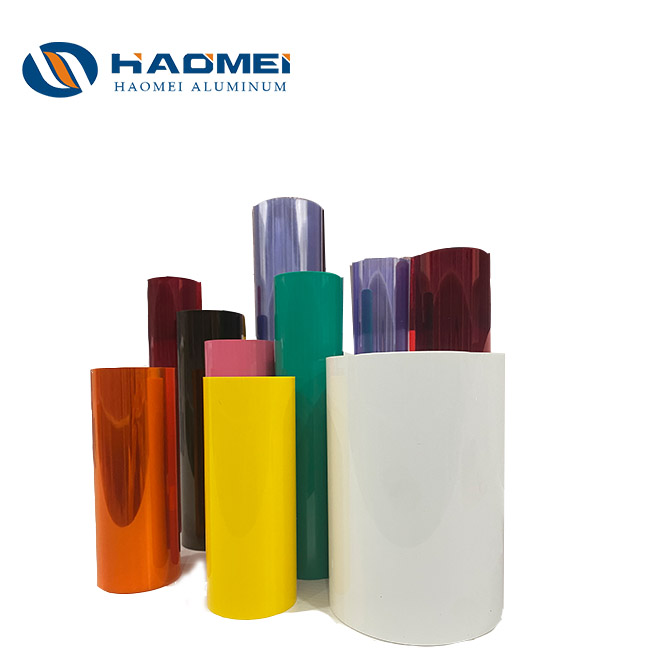 Haomei Aluminum provides different types of aluminum foil and plastic rigid films like PTP aluminum foil, cold forming foil, tropical foil, PVC rigid film, PE/PET film,etc. Best Price! Inquire now.
application
Haomei Aluminum provides different types of aluminum foil and plastic rigid films like PTP aluminum foil, cold forming foil, tropical foil, PVC rigid film, PE/PET film,etc. Best Price! Inquire now.
application
-
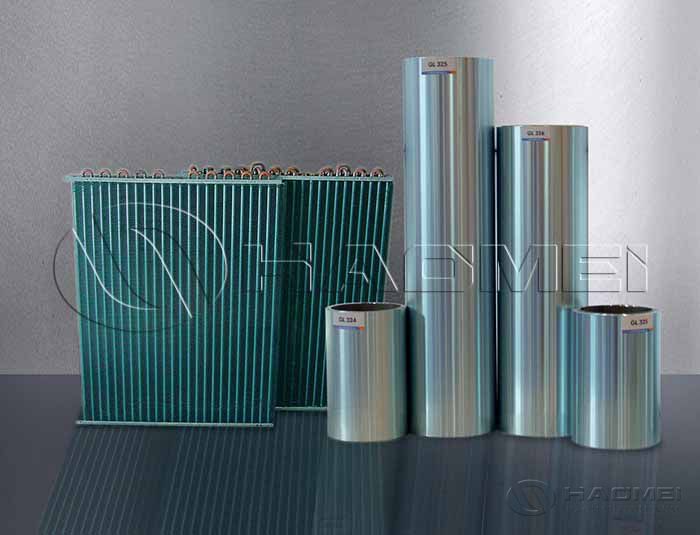 Haomei Aluminum offers you different colors of air conditioner aluminum foil like hydrophilic aluminum foil, including1100/ 3003 /8006/8011 aluminum foil,etc. Learn more.
application
Haomei Aluminum offers you different colors of air conditioner aluminum foil like hydrophilic aluminum foil, including1100/ 3003 /8006/8011 aluminum foil,etc. Learn more.
application
Latest Blog
-
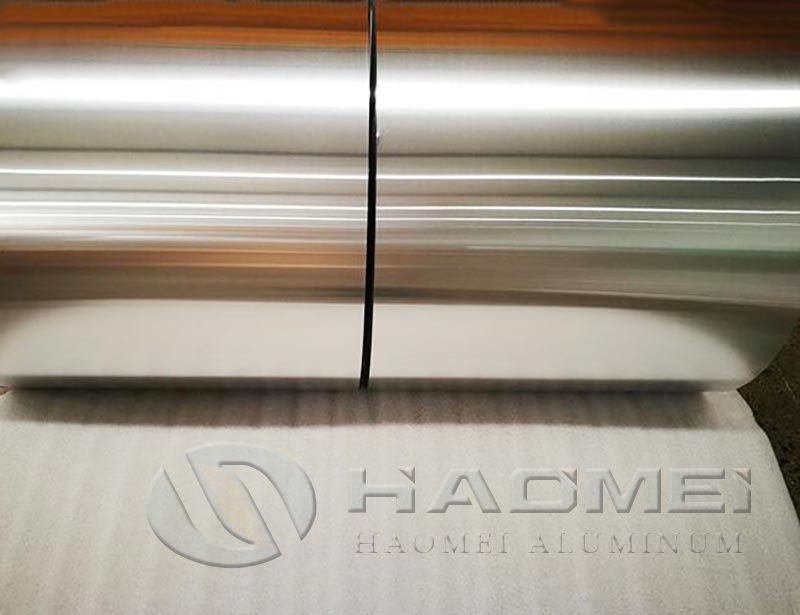 Specify 8011 aluminium foil with practical chemistry, pinhole, temper, testing and packaging checks for reliable food and pharmaceutical conversion.
Blog
Specify 8011 aluminium foil with practical chemistry, pinhole, temper, testing and packaging checks for reliable food and pharmaceutical conversion.
Blog
-
3003, 8011 and 8006 Aluminum Foil for Food Packing
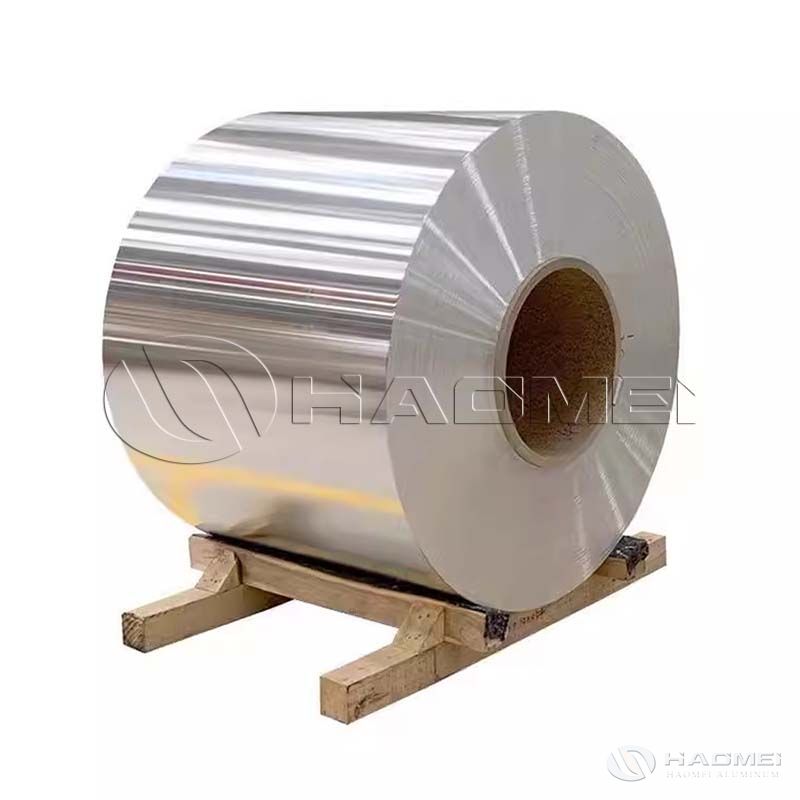 In the food packaging sector, aluminum foil is widely used for products such as composite flexible packaging, containers, meal boxes, sealing lids, and baking packaging due to its excellent barrier properties, light-shielding capabilities, heat resistance
Blog
In the food packaging sector, aluminum foil is widely used for products such as composite flexible packaging, containers, meal boxes, sealing lids, and baking packaging due to its excellent barrier properties, light-shielding capabilities, heat resistance
Blog
-
 Select air conditioner foil for durable heat-exchanger fins: alloys, hydrophilic coatings, test methods, tolerances, and order specifications for HVAC units.
Blog
Select air conditioner foil for durable heat-exchanger fins: alloys, hydrophilic coatings, test methods, tolerances, and order specifications for HVAC units.
Blog
-
Aluminum Foil Jumbo Roll for Flexible Packaging Laminates
 Compare 1235 pure aluminum & 8011 alloy foil jumbo rolls for flexible packaging lamination. Learn their differences in material properties, performance, pros & cons, and key application scenarios to choose the right foil for food, pharmaceutical & consume
Blog
Compare 1235 pure aluminum & 8011 alloy foil jumbo rolls for flexible packaging lamination. Learn their differences in material properties, performance, pros & cons, and key application scenarios to choose the right foil for food, pharmaceutical & consume
Blog
-
 Plan year-end capacitor production with specified aluminum foil: purity, temper, surface controls, test documents, and shipment timing that reduce line risk.
Blog
Plan year-end capacitor production with specified aluminum foil: purity, temper, surface controls, test documents, and shipment timing that reduce line risk.
Blog

Haomei Aluminum CO., LTD.
Tel/Whatsapp: +86-15978414719
Email: sale@alumhm.com
Website: https://www.alumfoils.com
Xin'an Industrial Assemble Region,Luoyang,Henan Province,China
Office Add: 1103, No.14 Waihuan Road, CBD, Zhengzhou, China