8006 Aluminium Foil
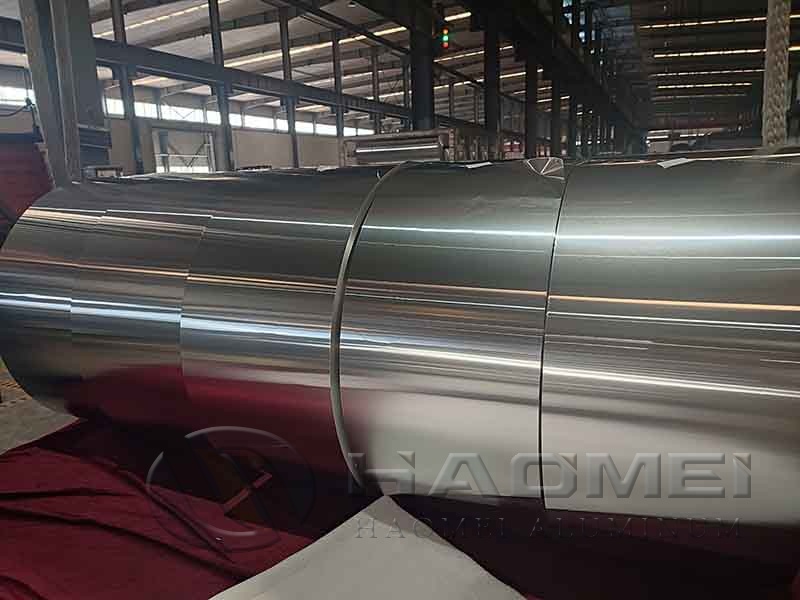
Explore current 8006 aluminium foil questions on food containers, temper, thickness, safety, and sourcing specifications for dependable forming performance.
8006 aluminium foil is frequently discussed for semi-rigid food containers, takeaway trays, bakery pans, and household cooking containers. Recent English-language Q&A discussions commonly focus on whether the alloy is strong enough for deep drawing, how it compares with 3003 and 8011 grades, and which specifications should be confirmed before production.

The following five questions reflect recurring topics in recent search and Q&A conversations. The answers focus on practical material selection, forming behavior, and specification details that affect finished container quality.
| Property | Typical Relevance for 8006 Aluminium Foil |
|---|---|
| Main application | Food trays, lunch boxes, baking containers, airline meal containers |
| Strength level | Higher than many soft packaging grades |
| Formability | Suitable for stamped and drawn container shapes |
| Common tempers | H22, H24, H26 |
| Important checks | Thickness tolerance, pinholes, surface cleanliness, cup-forming performance |
1. Is 8006 Aluminium Foil Good for Food Containers?
Yes. 8006 aluminium foil is widely selected for formed food containers because it provides a useful balance of rigidity, elongation, and corrosion resistance. Compared with softer household wrapping material, it is intended to hold a shaped profile after pressing. That matters for containers with flanges, ribs, deep walls, and embossed bases.
A well-selected 8006 material can help a tray resist collapsing when filled with hot rice, sauces, baked foods, or chilled meals. It also performs well in ovens within the temperature limits of the finished container design. However, the alloy alone does not determine food-contact suitability. Surface condition, lubricating oil control, coating selection, and production cleanliness should also be evaluated.
For applications requiring consistent tray production, 8006 Aluminium Foil for Container is commonly specified with controlled temper and dimensional tolerances. It is particularly suitable when the container needs more stiffness than a light-duty wrapping grade.
2. What Is the Difference Between 8006 Aluminium Foil and 3003 Aluminium Foil?
The main difference is their forming and strength profile. Both alloys can be used in food-container production, but 8006 is often chosen for applications requiring reliable deep drawing and a clean, stable container shape. 3003 is also a widely used manganese-containing alloy and may be appropriate for standard tray designs, depending on thickness, temper, tooling, and required load capacity.
| Comparison Point | 8006 Aluminium Foil | 3003 Aluminium Foil |
|---|---|---|
| Typical use | Deep-drawn food containers | Containers and general formed applications |
| Forming focus | Stable shape retention and drawing behavior | Balanced strength and workability |
| Suitable tray profile | Deeper or more rigid designs | Standard trays and moderate-depth designs |
| Selection factor | Container stiffness after pressing | Cost, tooling match, and required properties |
For a shallow rectangular takeaway tray, both materials may work well. For a deep, round, heavily embossed, or high-wall container, 8006 is often worth considering because its performance can be more favorable for retaining shape after forming.
If a project is already based on a manganese-alloy specification, 3003 Aluminum Foil for Container and Electronics may be compared against 8006 through trial stamping rather than alloy name alone. Tooling condition and lubricant performance can significantly affect the result.
3. What Temper Is Best for 8006 Aluminium Foil Containers?
H22, H24, and H26 are frequently requested tempers for 8006 aluminium foil used in container production. The best option depends on the forming depth, wall geometry, and stiffness expected after stamping.
H22 generally offers a softer condition, which can support easier forming in some shapes. H24 is a popular middle choice where manufacturers need both workable drawing performance and dependable rigidity. H26 is harder and may be selected when greater stiffness is needed, although very complex or deep designs may require careful testing to avoid cracking around corners or flanges.
Material temper should not be selected in isolation. A deeper container may need a softer temper even if the finished tray must feel rigid, while a shallow tray with reinforcing ribs may successfully use a harder temper. The press speed, die radius, punch clearance, and lubricant quantity all influence whether the material forms smoothly.
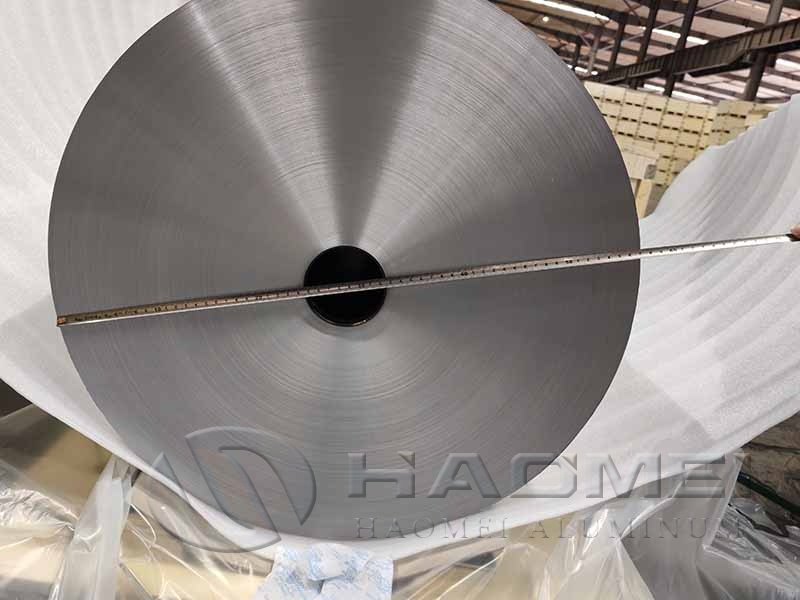
Before placing a production order, provide the following details:
Container dimensions, including depth and rim width.
Required wall thickness after forming.
Whether embossing, curling, or lid sealing is involved.
Container load, such as dry bakery products or liquid meals.
Required temper and acceptable mechanical-property range.
Surface requirements, including bright finish, low residual oil, and food-contact compliance documents.
4. What Thickness of 8006 Aluminium Foil Is Used for Lunch Boxes and Trays?
Thickness depends on the container size, shape, and load requirement. Many food-container applications use material in a range that can support both forming and rigidity, often around 0.05 mm to 0.20 mm. Lightweight bakery cups and small dessert containers may use thinner material, while large meal trays, airline catering containers, and containers with heavy contents may require a thicker gauge.
A thinner material can reduce metal consumption, but it may also create problems such as weak rims, distorted corners, reduced stacking strength, or tearing during stamping. A thicker material improves rigidity but can increase forming pressure and material cost. The optimal thickness is therefore the one that passes actual press trials while meeting the target weight and load requirement.
A useful approach is to test two nearby gauges using the same die. Measure the formed container weight, rim flatness, sidewall wrinkles, stacking performance, and resistance to deformation after filling. This gives a more dependable answer than selecting thickness solely from a catalog value.
5. Is 8006 Aluminium Foil Safe for Oven and Food Packaging Use?
8006 aluminium foil can be suitable for food packaging and oven-use containers when it is produced and handled for food-contact applications. Aluminium containers are valued for heat transfer, barrier performance, light weight, and recyclability. They are commonly used for baking, reheating, freezing, and transporting prepared foods.
The finished container must match the intended use. For example, an uncoated tray may be appropriate for many dry or neutral foods, while highly acidic, salty, or long-storage products may need a suitable food-safe lacquer or coating. Tomato-based sauces, vinegar-rich foods, and strongly salted marinades deserve additional evaluation because they can increase the risk of surface interaction during extended contact.
Ask for documentation covering food-contact compliance in the destination market, as requirements differ by country and application. Also confirm residual rolling oil, odor, surface cleanliness, pinhole control, and whether a coating is needed for the food type. These details are especially important for prepared meals that will be stored, frozen, heated, and served in the same container.
Specification Checklist for an 8006 Container Project
| Item to Confirm | Why It Matters |
|---|---|
| Alloy and temper | Determines forming response and final rigidity |
| Thickness tolerance | Helps maintain consistent container weight and shape |
| Width and outer diameter | Must match press feeding equipment |
| Surface condition | Affects hygiene, appearance, coating adhesion, and stamping |
| Mechanical properties | Supports stable forming across production batches |
| Food-contact documentation | Supports compliance for the intended market |
| Trial samples | Verifies actual performance in the selected die |
For new container designs, trial material remains the most practical way to verify 8006 aluminium foil performance. A sample run can reveal edge cracking, flange wrinkling, insufficient rigidity, or surface-marking issues before full-volume production begins.
- Aluminum Foil for Wine Bottle CapsFeb 07, 2023
Aluminum foil for wine bottle caps can be divided into plain, coated and printed aluminum foil. How to get qua...
- 8011 8079 Aluminum Foil RollSep 18, 2024
Although aluminum alloy 8011 and 8079 aluminum foil are the same aluminum alloy, they have many differences an...

- What Are Uses of Extra Wide Aluminum FoilNov 27, 2023
Extra Wide Aluminum foil jumbo roll is an important raw material in many fields including packaging, cable shi...
- What Is PTP Blister Aluminium Foil SpecificationJun 26, 2023
The main materials of blister packaging are PTP aluminum foil, plastic hard sheet (polyvinyl chloride PVC) and...
- Aluminum Foil for Food PackagingJun 08, 2022
The aluminum foil has been an important packaging for food for a long time, including 1060, 1100, 3003, 8021 a...
Inquiry
Products Category
Latest Application
-
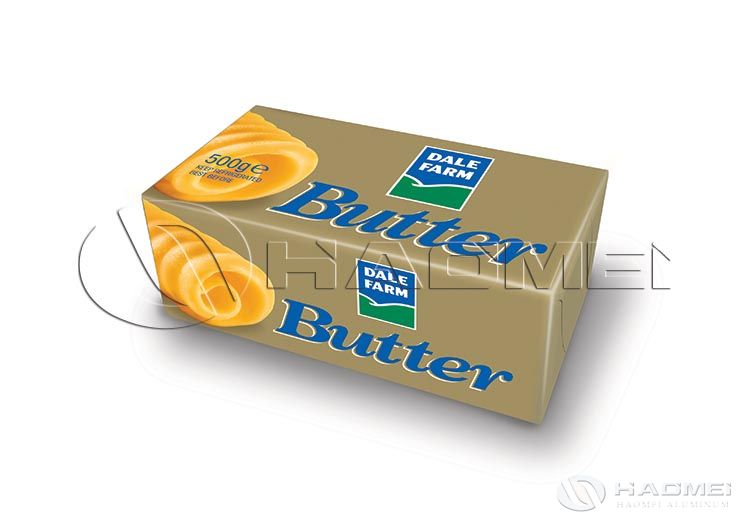 Why butter aluminum foil is neededButter aluminum foil blocks oxygen, moisture, and light, effectively preventing butter from oxidizing and spoiling, preserving nutrients, and significantly extending its shelf life. High-end products can see their sh
application
-
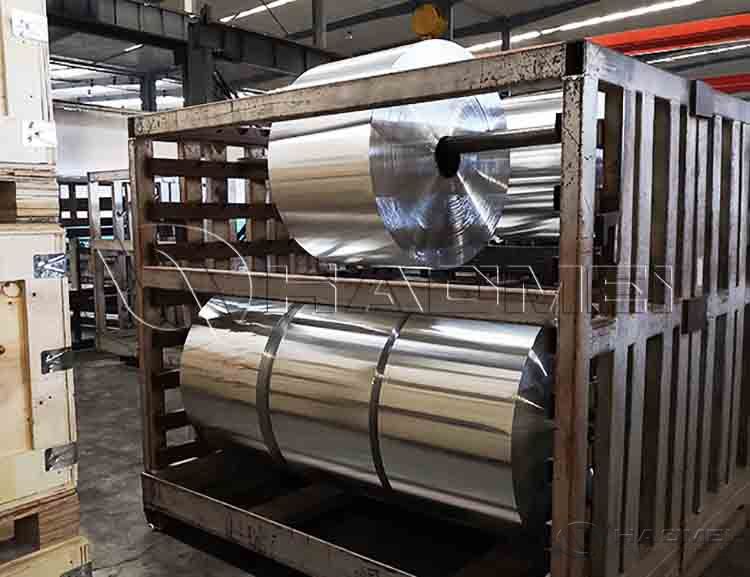 Cables are usually composed of conductors, insulation layers, shielding layers, and sheaths. Aluminum foil for cable is generally located outside the insulation layer as part of the shielding layer. It fits tightly to the surface of the insulation la
application
-
Aluminum Gold Foil Paper For Chocolate Wrapping
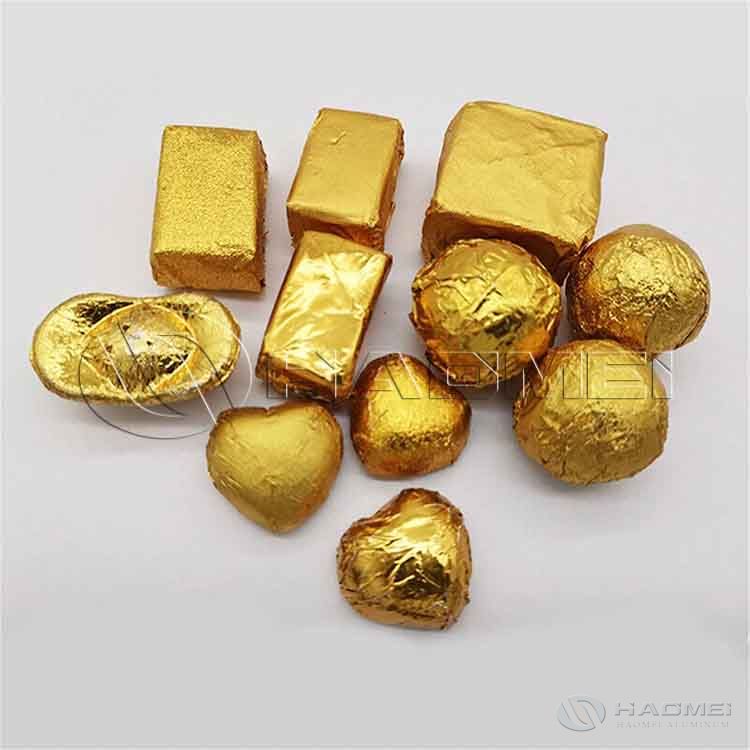 When is aluminum foil used for chocolate wrappingThe use of aluminium foil food for chocolate can be traced back to the early 20th century. In 1911, Swiss candy companies began to wrap chocolate with aluminum foil, gradually replacing the tin foil. T
application
-
PVC Rigid Film and Aluminum Foil for Medicine Packaging
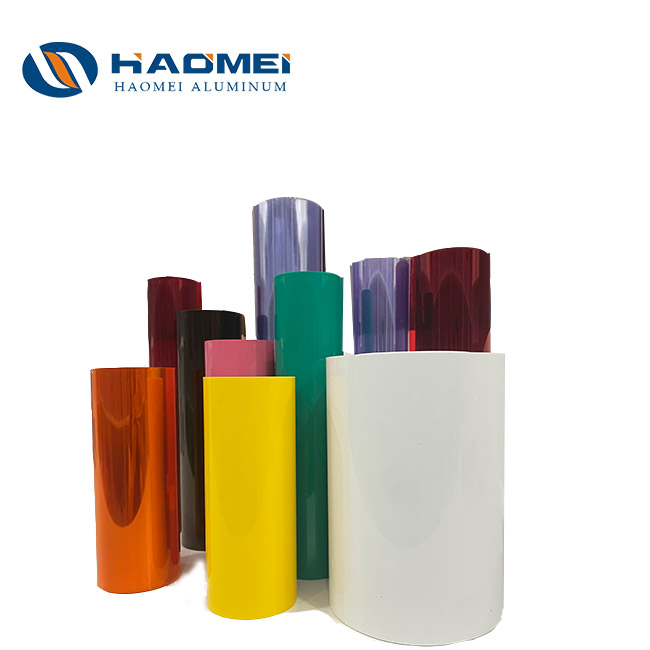 Haomei Aluminum provides different types of aluminum foil and plastic rigid films like PTP aluminum foil, cold forming foil, tropical foil, PVC rigid film, PE/PET film,etc. Best Price! Inquire now.
application
-
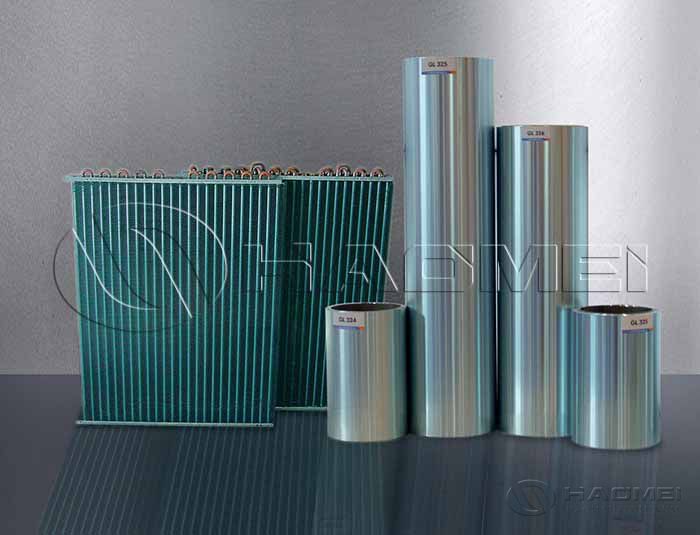 Haomei Aluminum offers you different colors of air conditioner aluminum foil like hydrophilic aluminum foil, including1100/ 3003 /8006/8011 aluminum foil,etc. Learn more.
application
Latest Blog
-
Explore current 8006 aluminium foil questions on food containers, temper, thickness, safety, and sourcing specifications for dependable forming performance.
Blog
-
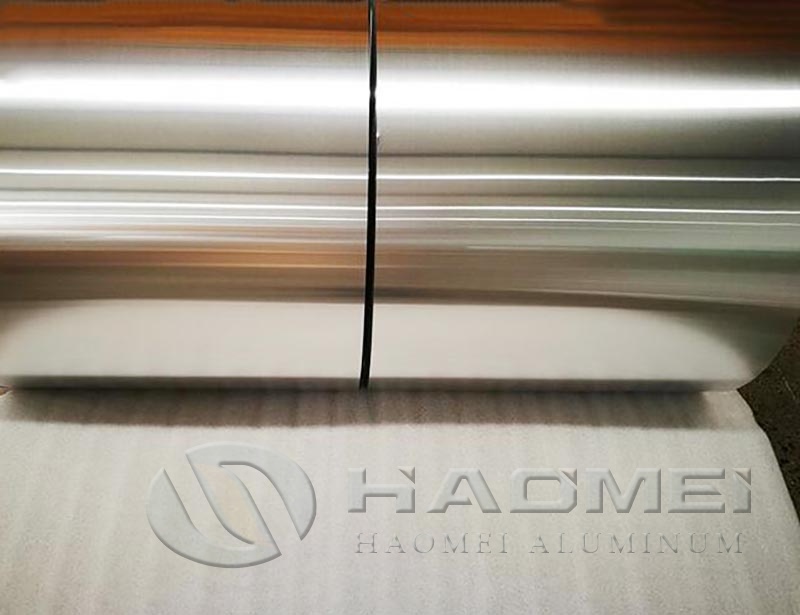 Specify 8011 aluminium foil with practical chemistry, pinhole, temper, testing and packaging checks for reliable food and pharmaceutical conversion.
Blog
-
3003, 8011 and 8006 Aluminum Foil for Food Packing
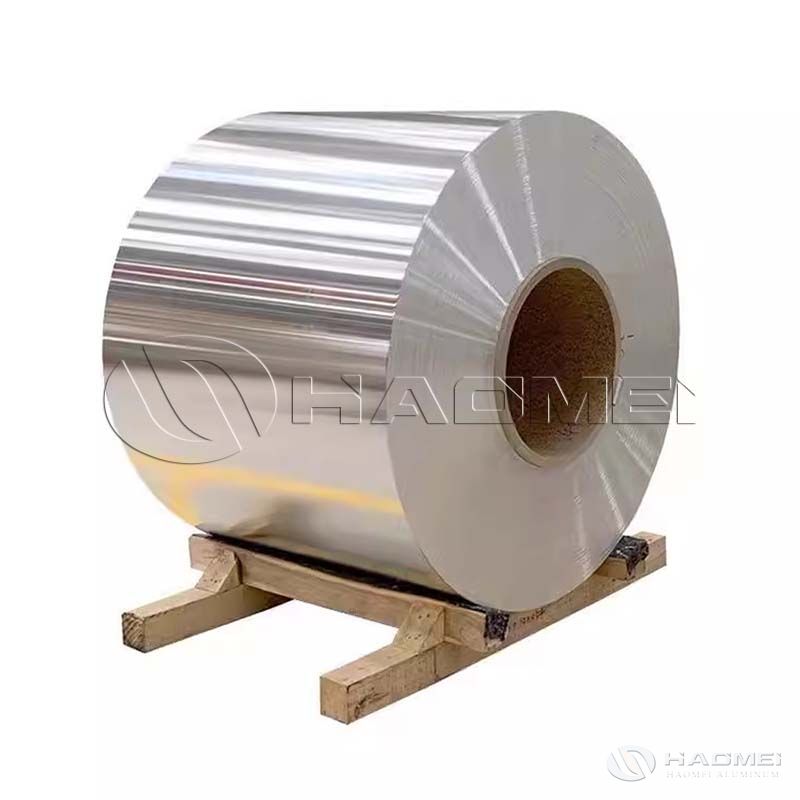 In the food packaging sector, aluminum foil is widely used for products such as composite flexible packaging, containers, meal boxes, sealing lids, and baking packaging due to its excellent barrier properties, light-shielding capabilities, heat resistance
Blog
-
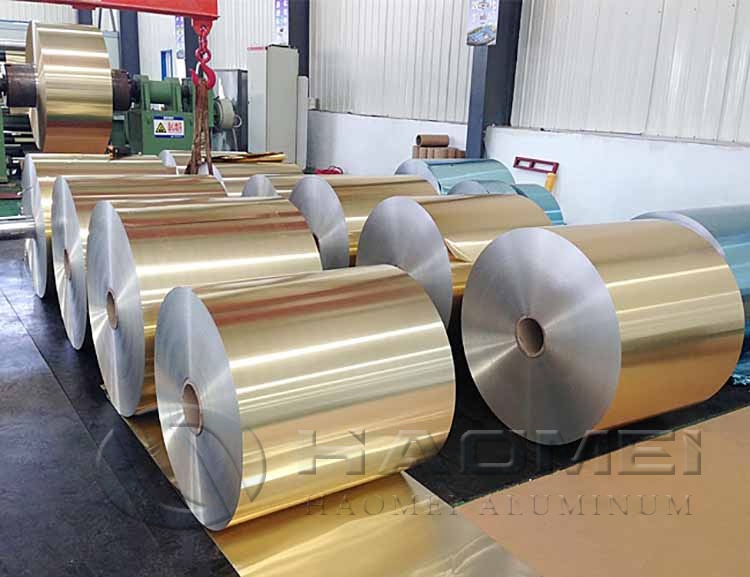 Select air conditioner foil for durable heat-exchanger fins: alloys, hydrophilic coatings, test methods, tolerances, and order specifications for HVAC units.
Blog
-
Aluminum Foil Jumbo Roll for Flexible Packaging Laminates
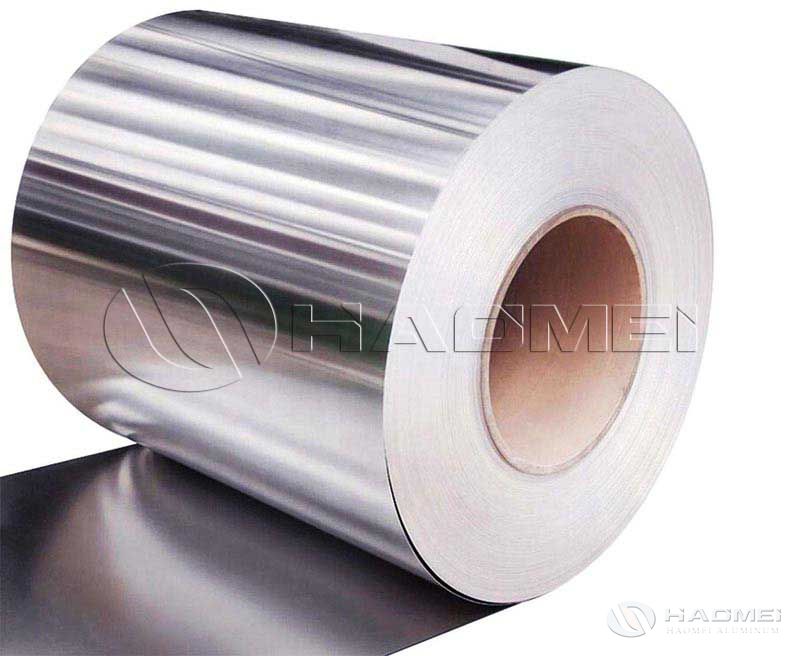 Compare 1235 pure aluminum & 8011 alloy foil jumbo rolls for flexible packaging lamination. Learn their differences in material properties, performance, pros & cons, and key application scenarios to choose the right foil for food, pharmaceutical & consume
Blog

Haomei Aluminum CO., LTD.
Tel/Whatsapp: +86-15978414719
Email: sale@alumhm.com
Website: https://www.alumfoils.com
Xin'an Industrial Assemble Region,Luoyang,Henan Province,China
Office Add: 1103, No.14 Waihuan Road, CBD, Zhengzhou, China