8011 Aluminium
Specify 8011 aluminium foil with practical chemistry, pinhole, temper, testing and packaging checks for reliable food and pharmaceutical conversion.
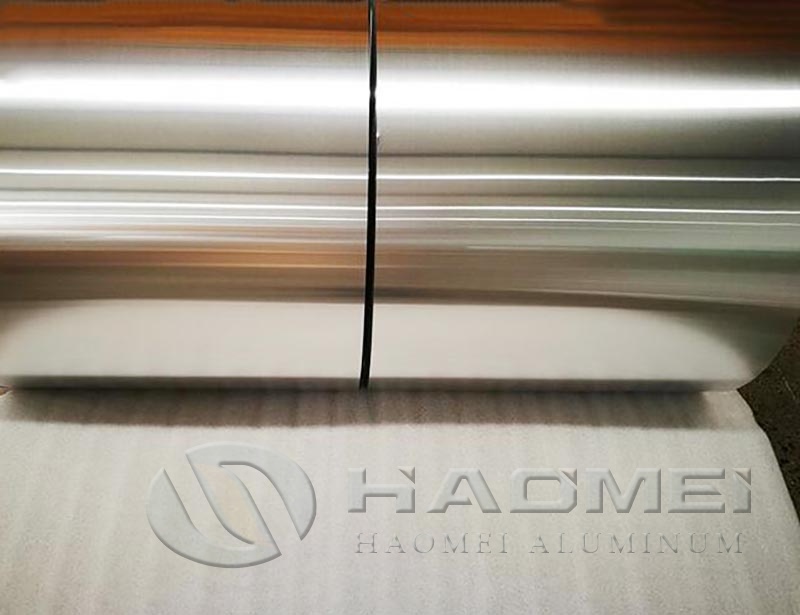
8011 aluminium is an Al-Fe-Si alloy widely converted into packaging foil, household foil, pharmaceutical blister stock, cable wrap and closure material. For thin-gauge packaging, the most important commercial concern is often pinhole control. A foil can meet nominal thickness yet fail as a moisture, oxygen, light or aroma barrier if pinholes exceed the agreed limit.
The alloy designation alone does not guarantee barrier performance. Procurement documents should define the final use, temper, gauge, width, surface condition, pinhole acceptance method and inspection sampling plan. This avoids disputes caused by ordering only "8011 foil" without measurable requirements.

Material Definition and Pinhole Risk
Under EN 573-3, 8011 is an aluminium alloy with silicon plus iron specified at 0.50-1.00% by mass. Listed limits include Cu 0.10% maximum, Mn 0.20% maximum, Mg 0.05% maximum, Zn 0.10% maximum and Ti 0.08% maximum, with aluminium as the remainder. The Fe-Si constituents provide useful strength relative to very high-purity 1xxx grades while retaining good rolling and forming characteristics.
For rolled aluminium products, material certification should identify the governing standard. Common references include EN 573-3 for composition, EN 546 series for foil requirements and testing, ASTM B479 for aluminium and aluminium-alloy foil used in flexible barrier applications, and ASTM B209 where applicable to plate, sheet and rolled products. Confirm the edition and the exact product scope before placing an order; standards do not automatically establish suitability for every end use.
Pinhole formation becomes more likely as gauge decreases because hard intermetallic particles, surface inclusions, rolling damage and handling defects become proportionally more significant. Pinhole count is therefore not a universal figure for all thicknesses. It must be agreed against a defined gauge range and test method.
| Requirement to state | Why it matters | Practical instruction |
|---|---|---|
| Nominal thickness and tolerance | Barrier and yield depend on actual gauge | State target gauge, permitted deviation and measurement method |
| Temper | Controls strength, elongation and converting behavior | Specify O, H22, H24 or the required temper standard |
| Pinhole limit | Determines functional barrier continuity | State maximum count per defined area, minimum pinhole diameter and test method |
| Surface | Affects lamination, printing and coating | Identify bright/matte side, wettability requirement and oil limit if needed |
| Roll geometry | Prevents converter stoppages | Set ID, OD, width tolerance, splice policy and telescoping limit |
For food-contact applications, alloy compliance is not the complete approval route. The finished article may include lacquer, adhesive, ink, laminate, lubricant or recycled-content considerations. In the EU, Regulation (EC) No 1935/2004 establishes the general framework for food-contact materials. In the United States, the applicable FDA requirements depend on the complete food-contact construction and conditions of use. Request declarations for the finished structure, not merely a mill certificate for bare metal.
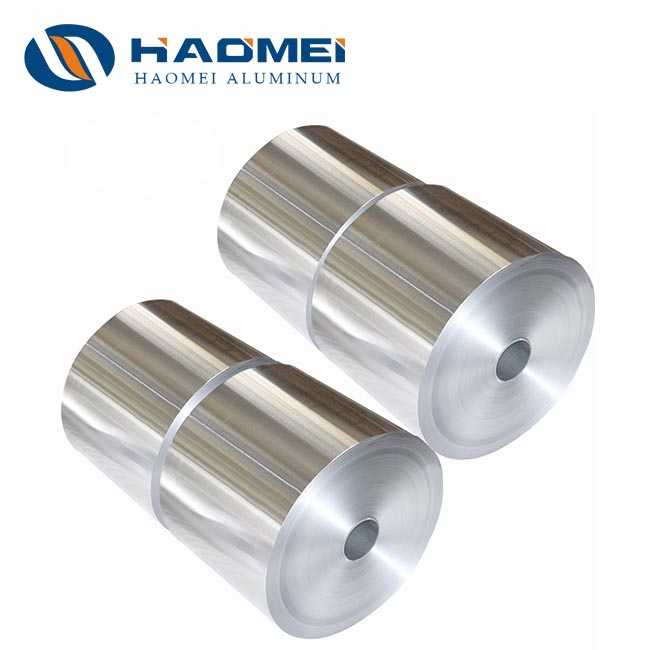
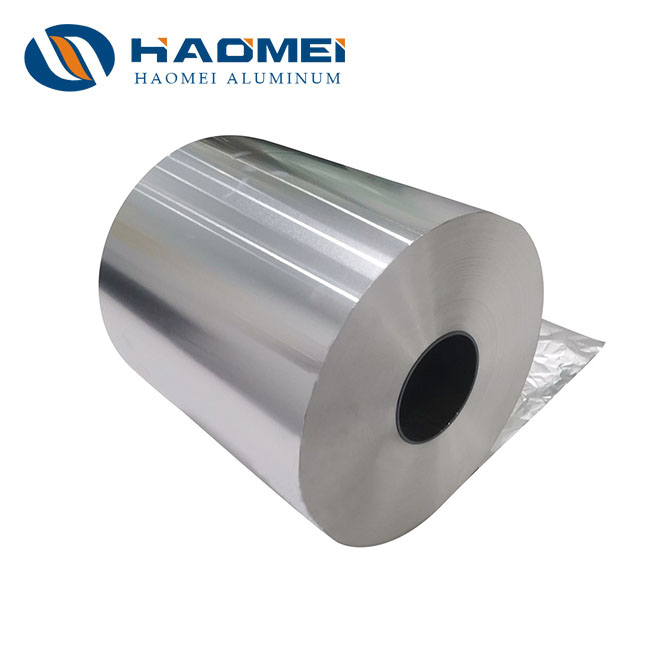
For standard food-packaging applications, 8011 Aluminum Foil Food for Packaging is typically selected where formability and dependable rolled surface quality are needed. Validate it on the actual laminating, embossing or container-making line before approving routine supply.
How to Specify, Test and Accept Supply
Use a three-stage control plan: pre-production approval, in-process verification and receiving inspection. This approach identifies defects earlier than relying only on a final certificate.
1. Issue a complete technical specification. Include alloy, temper, gauge, width, coil mass range, ID, OD, rolling direction, surface finish, edge condition, packing method and application. For pharmaceutical or high-barrier laminates, include pinhole criteria, surface tension or wettability criteria, and allowable residual rolling oil where relevant to downstream bonding.
2. Request traceable documents. Each shipment should be traceable to heat or cast number, production lot, coil number and test report. A certificate of analysis should report chemical composition. A certificate of conformance should identify the purchase-order requirements and relevant product standard. Do not treat a generic "food grade" statement as a substitute for these records.
3. Inspect dimensions and appearance. Measure thickness at an agreed number of transverse positions with calibrated equipment. Check width, burrs, edge cracks, dents, scratches, oil stains, oxidation, loose winding, telescoping and crushed cores. For slit material, edge quality affects later stamping and rewinding performance.
4. Verify mechanical properties when conversion depends on them. Tensile strength and elongation should be tested to the referenced standard and agreed direction. Temper labels alone are insufficient where deep drawing, embossing or high-speed folding is critical. Perform trial conversion using production-equivalent tools, lubricants and line speed.
5. Test pinholes on representative samples. Specify sample area, illumination or electrical test arrangement, counting rules, minimum reportable hole size and acceptance level. Optical testing requires controlled illumination and operator consistency; automated camera systems improve repeatability for high-volume inspection. Keep retained samples from first-article approval and each delivery for complaint comparison.
Selection Comparison and Order Checklist
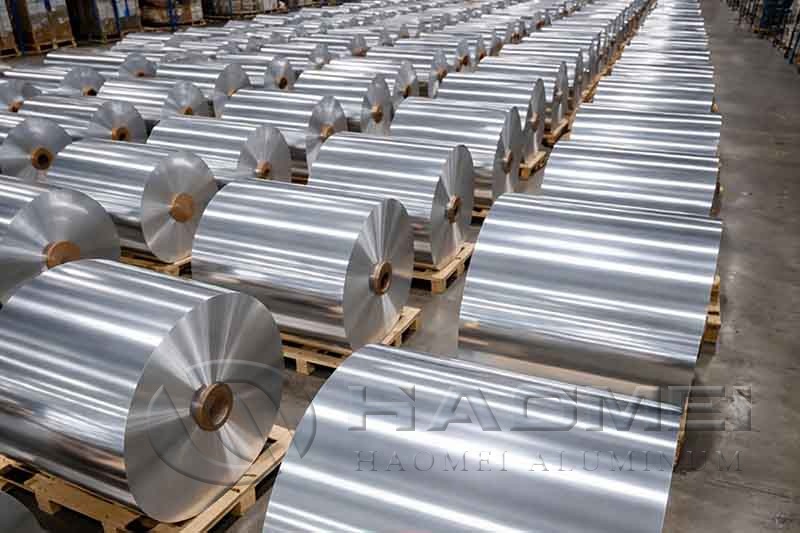
8011 is not automatically the strongest choice for every packaging format. Select the alloy based on the dominant conversion risk.
| Application requirement | Suitable starting option | Selection rationale |
|---|---|---|
| Flexible food laminate, household foil, general closure stock | 8011, typically in soft or work-hardened tempers as required | Balanced strength, formability and availability in packaging gauges |
| Drawn food containers requiring higher strength | 3003 Aluminum Foil for Container and Electronics | Mn-containing 3xxx alloy can offer improved strength for formed container applications; validate draw depth and tooling |
| Very thin flexible packaging with stringent barrier targets | 8011 or 1235 after pinhole qualification | Final gauge, rolling quality and pinhole specification are more decisive than alloy name alone |
| Pharmaceutical blister lidding | 8011 subject to coating and package qualification | Require lacquer compatibility, adhesion testing and regulatory documentation for the finished system |
Before releasing a purchase order, confirm this checklist:
Alloy standard and chemical certificate requirement.
Product form, temper, thickness, width, ID, OD and permitted splice count.
Pinhole limit tied to gauge, test area and method.
Mechanical-property limits where forming or folding is involved.
Surface requirement, including bright/matte orientation and coating compatibility.
Sampling level, nonconformance disposition and retained-sample period.
Export packing: moisture barrier, desiccant policy, pallet design, core protection and transport orientation.
Required documents: certificate of analysis, certificate of conformance, packing list and application-specific declarations.
A well-written 8011 aluminium specification converts the principal barrier risk, pinholes, into an auditable acceptance criterion. This protects converter uptime, reduces packaging leakage investigations and makes supplier comparisons technically meaningful.


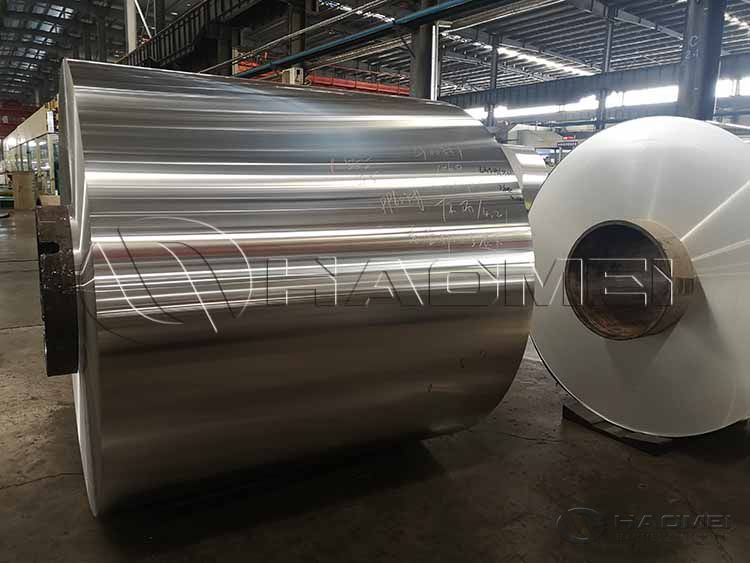
- What Gauge is Aluminum FoilAug 06, 2024
Two popular aluminum foil thicknesses are 50 micron and 18 micron, which are 24 gauge and 33 gauge aluminum f...
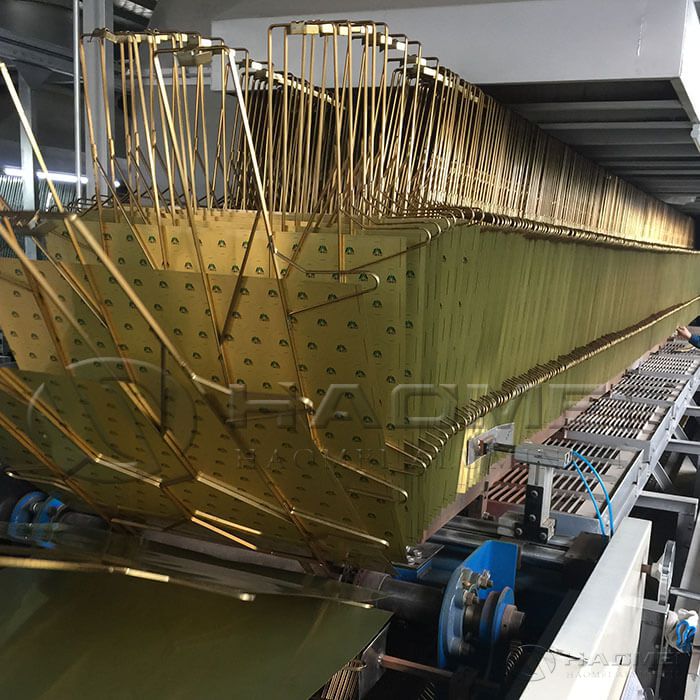
- Aluminum Foil for Pet JarJun 02, 2023
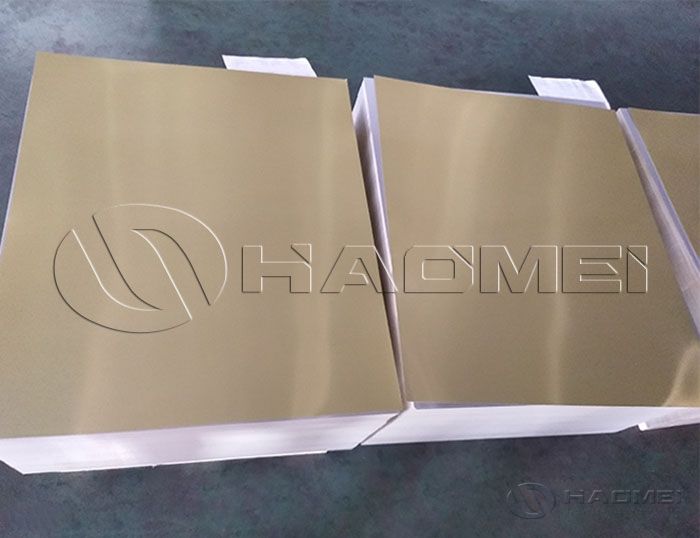
The gold aluminum sheet is one of the popular colors of the aluminum foil for bottle cap. What are its main pr...

- Hairdressing Foil Roll WholesaleMar 18, 2026
Hairdressing Foil Roll Wholesale Q&A: thickness, embossing, alloy, roll specs, MOQ, and quality checks for...
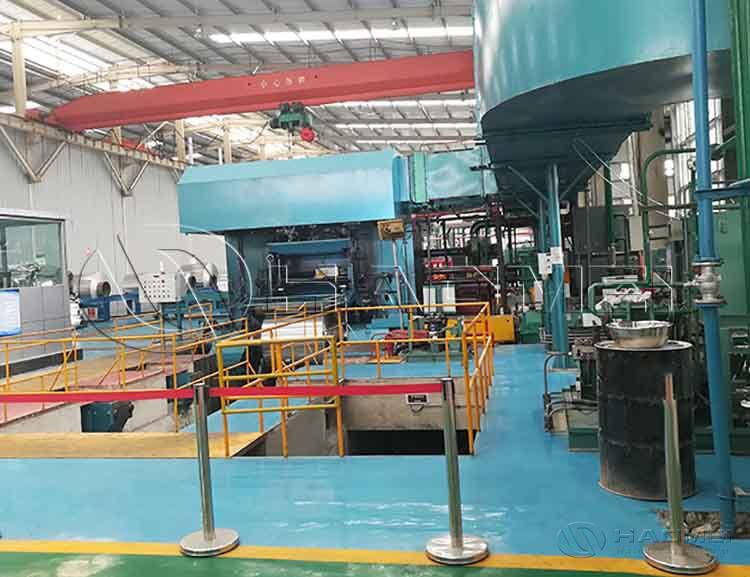
- How to Control Aluminum Foil Roll ThicknessDec 19, 2023
What are the factors causing the thickness deviation of aluminum foil roll? And how to control it? Modern alum...
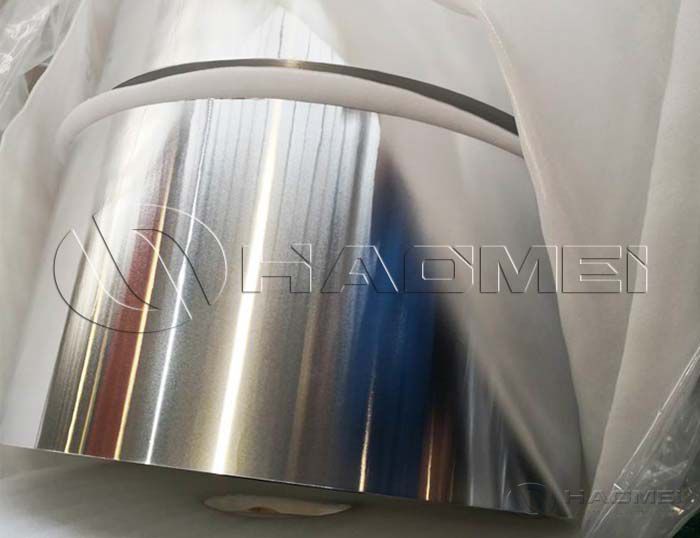
- How to Control Thickness Difference of Heavy Duty FoilApr 20, 2022
From heavy duty foil to light gauge foil, the aluminum foil paper is of wide application. How to control its t...
Inquiry
Products Category
Latest Application
-
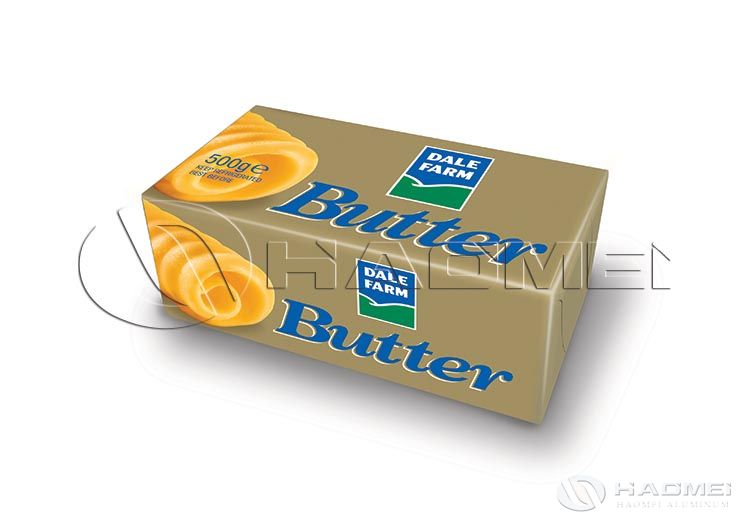 Why butter aluminum foil is neededButter aluminum foil blocks oxygen, moisture, and light, effectively preventing butter from oxidizing and spoiling, preserving nutrients, and significantly extending its shelf life. High-end products can see their sh
application
-
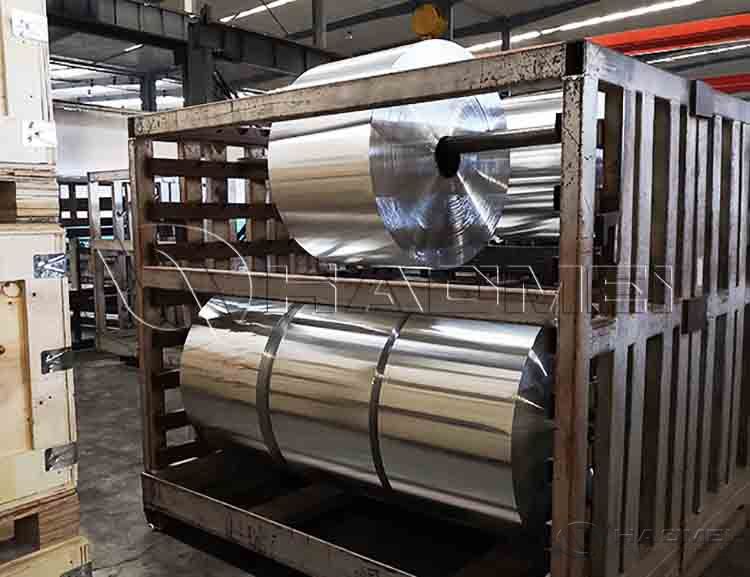 Cables are usually composed of conductors, insulation layers, shielding layers, and sheaths. Aluminum foil for cable is generally located outside the insulation layer as part of the shielding layer. It fits tightly to the surface of the insulation la
application
-
Aluminum Gold Foil Paper For Chocolate Wrapping
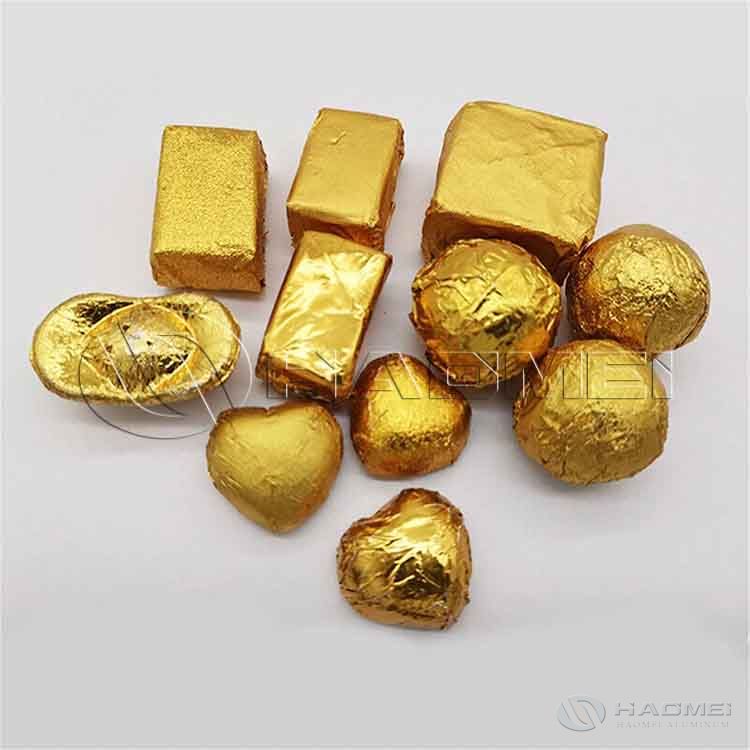 When is aluminum foil used for chocolate wrappingThe use of aluminium foil food for chocolate can be traced back to the early 20th century. In 1911, Swiss candy companies began to wrap chocolate with aluminum foil, gradually replacing the tin foil. T
application
-
PVC Rigid Film and Aluminum Foil for Medicine Packaging
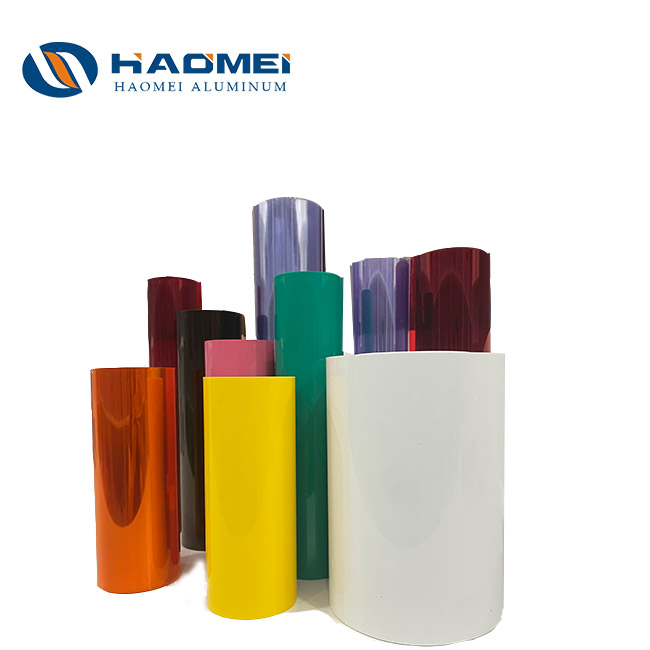 Haomei Aluminum provides different types of aluminum foil and plastic rigid films like PTP aluminum foil, cold forming foil, tropical foil, PVC rigid film, PE/PET film,etc. Best Price! Inquire now.
application
-
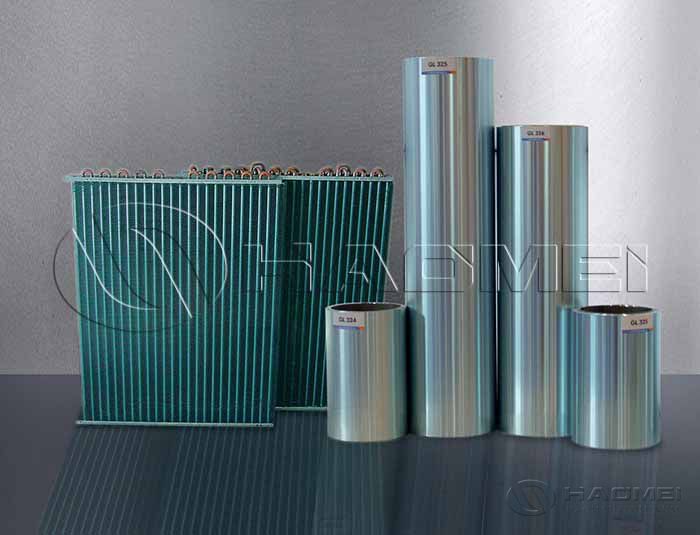 Haomei Aluminum offers you different colors of air conditioner aluminum foil like hydrophilic aluminum foil, including1100/ 3003 /8006/8011 aluminum foil,etc. Learn more.
application
Latest Blog
-
Specify 8011 aluminium foil with practical chemistry, pinhole, temper, testing and packaging checks for reliable food and pharmaceutical conversion.
Blog
-
3003, 8011 and 8006 Aluminum Foil for Food Packing
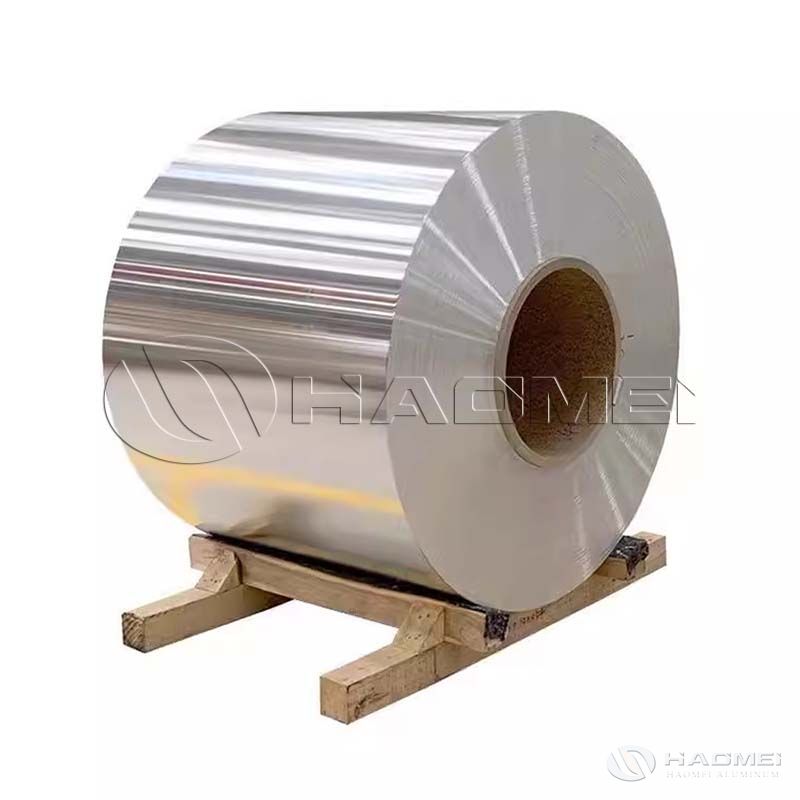 In the food packaging sector, aluminum foil is widely used for products such as composite flexible packaging, containers, meal boxes, sealing lids, and baking packaging due to its excellent barrier properties, light-shielding capabilities, heat resistance
Blog
-
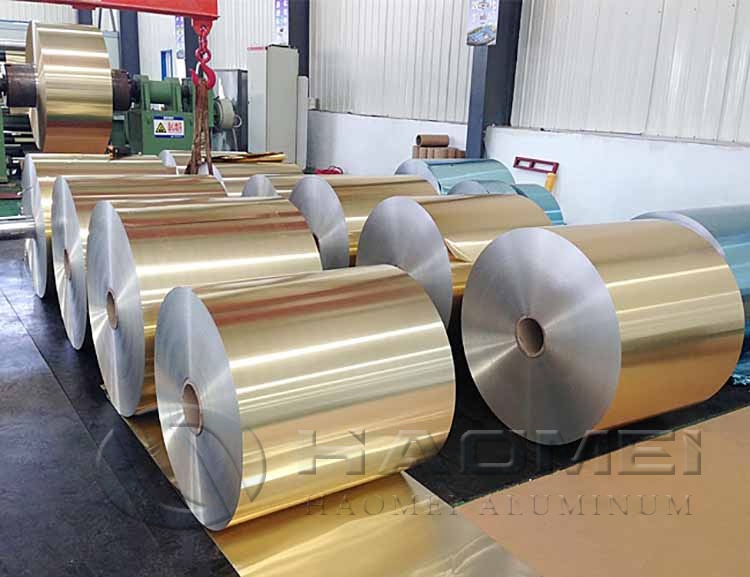 Select air conditioner foil for durable heat-exchanger fins: alloys, hydrophilic coatings, test methods, tolerances, and order specifications for HVAC units.
Blog
-
Aluminum Foil Jumbo Roll for Flexible Packaging Laminates
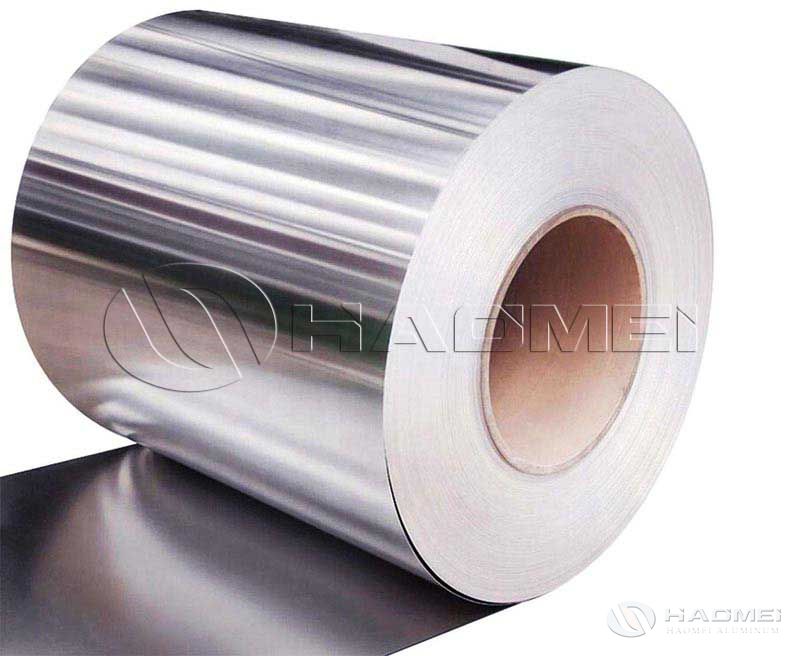 Compare 1235 pure aluminum & 8011 alloy foil jumbo rolls for flexible packaging lamination. Learn their differences in material properties, performance, pros & cons, and key application scenarios to choose the right foil for food, pharmaceutical & consume
Blog
-
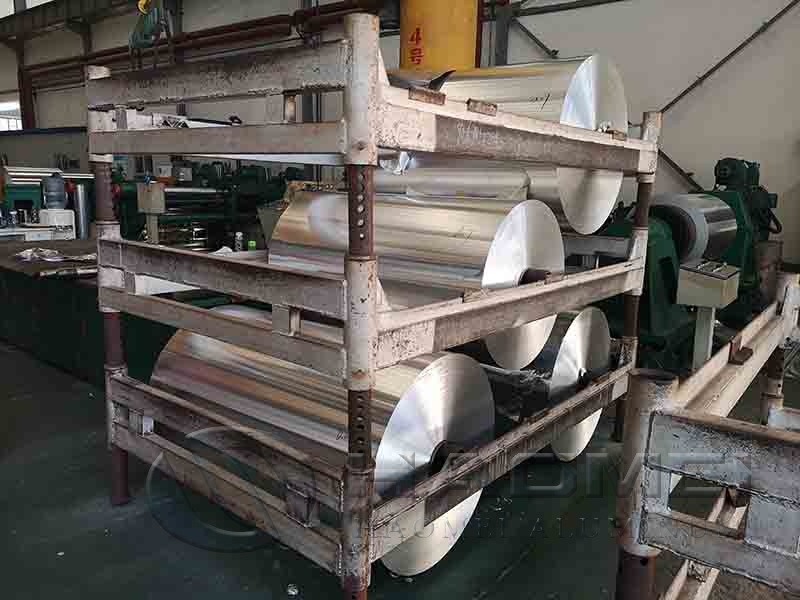 Plan year-end capacitor production with specified aluminum foil: purity, temper, surface controls, test documents, and shipment timing that reduce line risk.
Blog

Haomei Aluminum CO., LTD.
Tel/Whatsapp: +86-15978414719
Email: sale@alumhm.com
Website: https://www.alumfoils.com
Xin'an Industrial Assemble Region,Luoyang,Henan Province,China
Office Add: 1103, No.14 Waihuan Road, CBD, Zhengzhou, China