Air Conditioner Foil
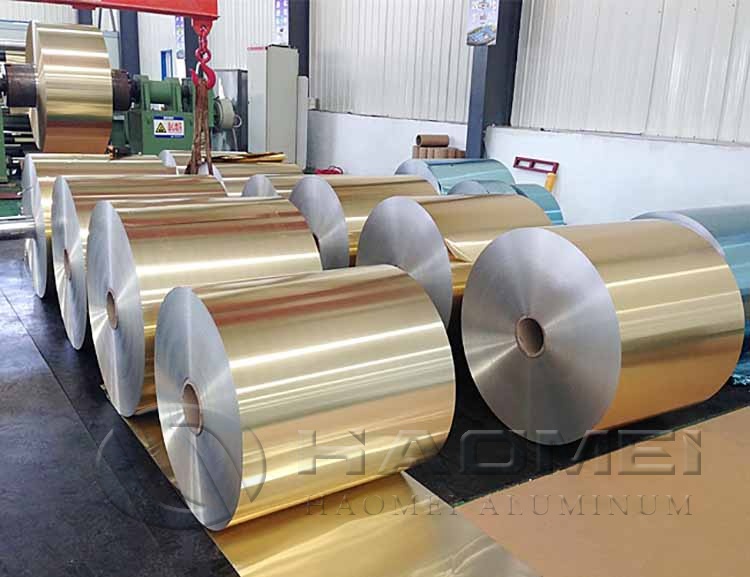
Select air conditioner foil for durable heat-exchanger fins: alloys, hydrophilic coatings, test methods, tolerances, and order specifications for HVAC units.
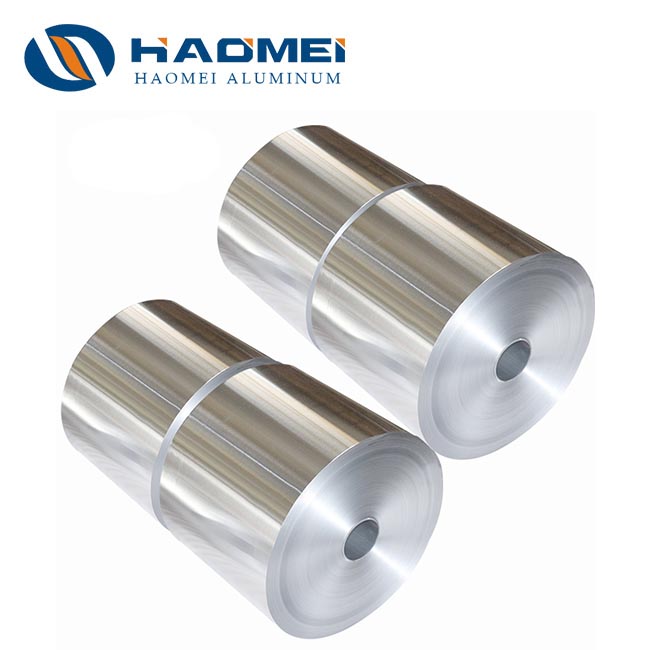
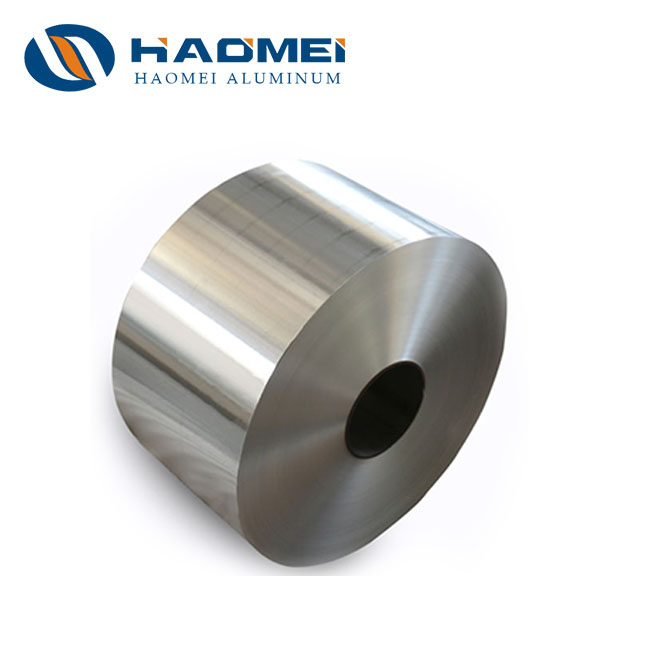
Air conditioner foil is the thin aluminum fin material used in evaporators and condensers to transfer heat between refrigerant tubes and air. For HVAC manufacturers, the highest-cost failure is often not initial heat transfer performance. It is premature fin corrosion, coating loss, or blocked condensate drainage after installation.
This article focuses on corrosion-resistant fin stock, particularly hydrophilic-coated material. The objective is to help technical teams write a measurable specification that supports stable forming, coil assembly, and field durability.

Why Coating Durability Matters in Heat-Exchanger Fins
Uncoated aluminum naturally forms a thin oxide layer, but outdoor contaminants, chlorides, acidic gases, and retained moisture can still cause localized attack. In evaporator coils, water retained between closely spaced fins can also promote dirt accumulation and reduce airflow. A hydrophilic surface treatment spreads condensate into a thinner water film, helping drainage rather than allowing droplets to bridge fin gaps.
Coating performance must be evaluated as a system. Alloy chemistry, temper, fin geometry, coating chemistry, curing conditions, tube-to-fin contact, and service environment all influence results. A coating label alone does not prove corrosion resistance.
1100 alloy is frequently considered for fin applications because Aluminum Association designation 1100 requires a minimum of 99.00% aluminum. It offers good workability, but the final selection should be based on forming trials and the required corrosion test result. For applications requiring this alloy family, 1100 Aluminum Foil for Battery and Air Conditioner provides a relevant material reference.
| Fin-stock option | Typical purpose | Main benefit | Specification risk to control |
|---|---|---|---|
| Bare aluminum | Indoor, low-corrosion equipment | Lower processing cost | Condensate retention and environmental corrosion |
| Hydrophilic-coated aluminum | Evaporator and wet-coil service | Improved condensate spreading and drainage | Coating continuity, cure quality, adhesion after forming |
| Corrosion-protective coated aluminum | Coastal or industrial exposure | Added barrier against aggressive contaminants | Salt-spray method, exposure duration, acceptance criteria |
| Pre-lubricated coated material | High-speed fin pressing | Reduced tooling friction | Lubricant compatibility with coating and cleaning process |
A practical specification should identify the operating environment. Coastal sites, swimming pools, food-processing facilities, and industrial zones can require different validation than standard indoor installations. Do not accept a generic statement such as corrosion resistant without a defined test method and pass-fail condition.
The US Department of Energy began using SEER2 testing metrics for new residential central air-conditioning equipment on January 1, 2023. While SEER2 evaluates complete equipment rather than fin material, the market shift toward verified seasonal efficiency increases the need for consistent airflow and heat-exchanger condition throughout service life.
Build a Purchase Specification That Can Be Tested
Start with the finished fin requirement, then work backward to the incoming aluminum material. Thickness, coating mass, width, and mechanical properties must fit the press tooling and louver design. Common HVAC fin stock is supplied in narrow rolled widths and thin gauges, but the contractual tolerance must be stated rather than assumed.
Use this checklist when preparing a request for quotation or technical agreement:
- State alloy and temper, including the governing standard.
- Define nominal thickness, permitted thickness deviation, width, edge condition, and camber.
- Identify coating type: hydrophilic, corrosion-protective, lubricated, or a combined system.
- State coating side: single-sided or double-sided, plus target coating weight or dry-film thickness where applicable.
- Define fin-press requirements, including louver forming, collar drawing, and allowable coating powdering.
- Require lot traceability from parent roll through slitting and packing.
- Set inspection sampling and acceptance limits for pinholes, scratches, oil marks, telescoping, and edge damage.
- Name corrosion, wetting, adhesion, and dimensional test methods before production begins.
For chemistry, EN 573-3 is widely used for the chemical composition of wrought aluminum alloys. For foil products, the EN 546 series addresses technical conditions, mechanical properties, and tolerances. ASTM B479/B479M covers annealed aluminum and aluminum-alloy foil for several applications, but its scope should be checked carefully before being made contractual for HVAC fin stock.
Coating tests should match coating thickness and end use. ASTM D3359 is a recognized adhesion test method for many coated substrates, while ISO 9227 describes neutral salt-spray testing. ISO 9227 is an accelerated corrosion test, not a direct prediction of field life. Specify the test duration, panel preparation, bend or forming stage, evaluation area, and allowable corrosion rating. Without those details, reports from different suppliers cannot be compared reliably.
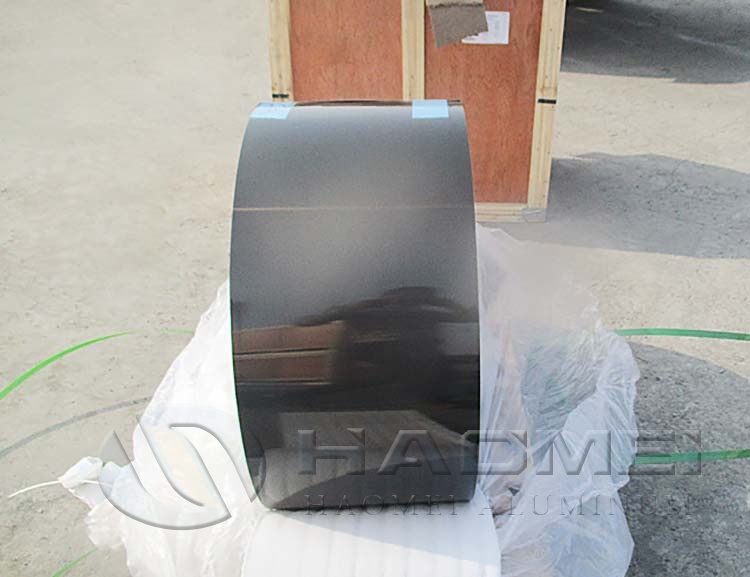
Control Conversion Cost and Incoming Quality
Material price should be separated into transparent components: aluminum market reference, alloy conversion, coating process, slitting, packaging, testing, and freight. London Metal Exchange aluminum reference prices are commonly used in commercial formulas, but the quotation should state the reference date, premium basis, currency, and price-validity period. This prevents a coating premium or conversion charge from being hidden inside an unclear all-in figure.
Before approving regular production, run a press trial using actual tooling and define the inspection sequence below.
| Inspection stage | What to verify | Evidence to retain |
|---|---|---|
| Before pressing | Thickness, width, edges, surface cleanliness | Incoming inspection report and coil identification |
| During fin forming | Cracking, coating powdering, louver shape, collar integrity | First-article approval and press settings |
| After brazing or assembly | Coating discoloration, tube-fin contact, residue | Process sample record |
| Corrosion validation | Agreed exposure test and visual rating | Third-party or laboratory report with test conditions |
| Final packing | Moisture barrier, wrap integrity, roll damage | Packing list, photographs, traceability label |
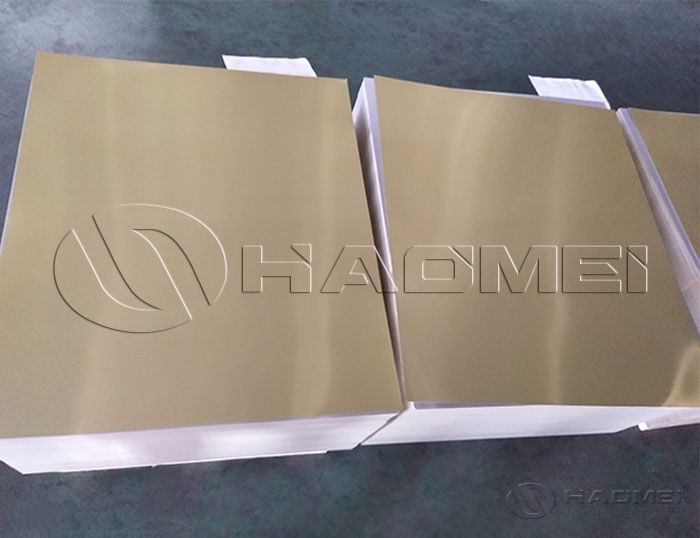
For a broader alloy comparison, 3xxx Aluminum can be reviewed when higher-strength alloy options are being assessed against forming requirements. Strength alone should not drive the decision: an overly hard temper can raise fin-press scrap, while insufficient stiffness can affect louver geometry.
Require a material test certificate for every production lot. At minimum, it should show alloy designation, temper, measured dimensions, mechanical test results when applicable, coating identification, and traceability number. Keep retained samples from approved runs, especially when the coil will be used in humid, coastal, or industrial HVAC installations.
A durable fin material program relies on measurable coating requirements, realistic forming trials, and documented acceptance testing. These controls reduce disputes at incoming inspection and protect heat-exchanger performance after installation.
- What Are Advantages of Packaging Aluminum FoilFeb 01, 2023
The majority of all aluminum foil production is used for packaging of various goods like food, beverage, medic...
- 8011 8079 Aluminum Foil RollSep 18, 2024
Although aluminum alloy 8011 and 8079 aluminum foil are the same aluminum alloy, they have many differences an...
- Heavy Duty Aluminum Foil For BBQNov 18, 2025
Many people think of aluminum foil as just a "wrapping tool," but in a barbecue setting, heavy duty catering f...
- Golden Aluminum Foil for Flexible DuctOct 16, 2024
The alloys of aluminum foil for flexible duct are usually 1000 series, 3000 series and 8000 series. The main a...
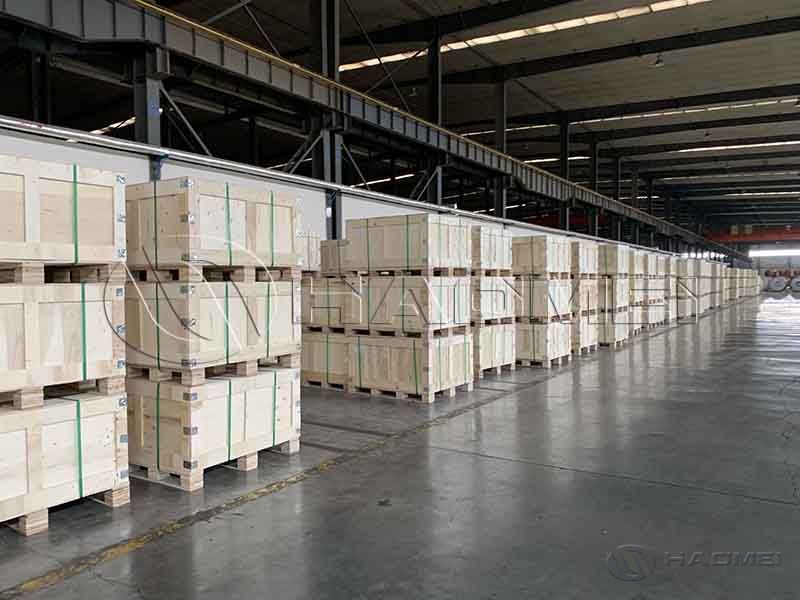
- Aluminum Foil For Ketchup Container LinerMar 18, 2026
As a versatile accompaniment on the dining table, the sweet and sour taste of ketchup relies heavily on high-q...
Inquiry
Products Category
Latest Application
-
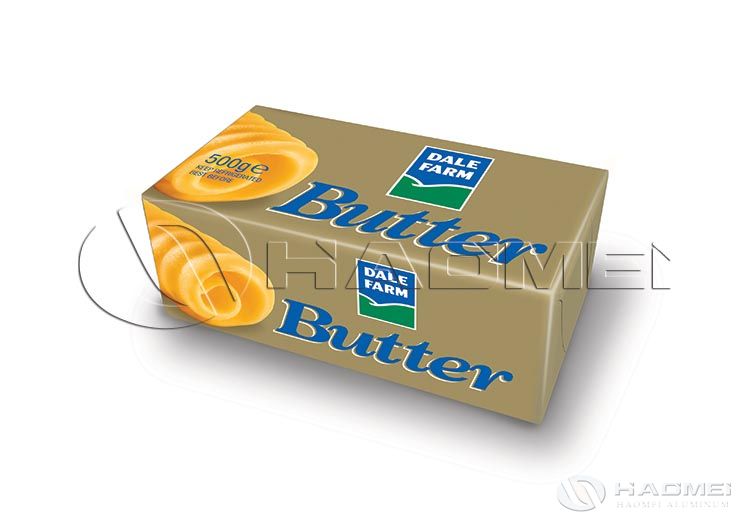 Why butter aluminum foil is neededButter aluminum foil blocks oxygen, moisture, and light, effectively preventing butter from oxidizing and spoiling, preserving nutrients, and significantly extending its shelf life. High-end products can see their sh
application
Why butter aluminum foil is neededButter aluminum foil blocks oxygen, moisture, and light, effectively preventing butter from oxidizing and spoiling, preserving nutrients, and significantly extending its shelf life. High-end products can see their sh
application
-
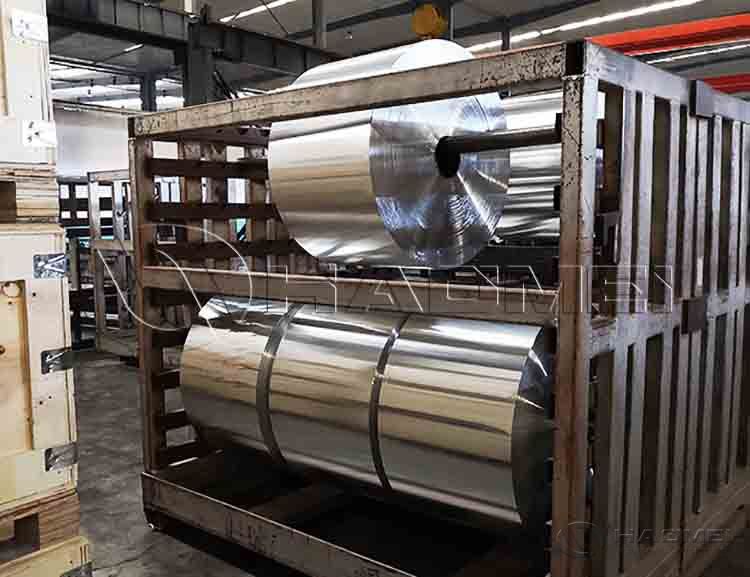 Cables are usually composed of conductors, insulation layers, shielding layers, and sheaths. Aluminum foil for cable is generally located outside the insulation layer as part of the shielding layer. It fits tightly to the surface of the insulation la
application
Cables are usually composed of conductors, insulation layers, shielding layers, and sheaths. Aluminum foil for cable is generally located outside the insulation layer as part of the shielding layer. It fits tightly to the surface of the insulation la
application
-
Aluminum Gold Foil Paper For Chocolate Wrapping
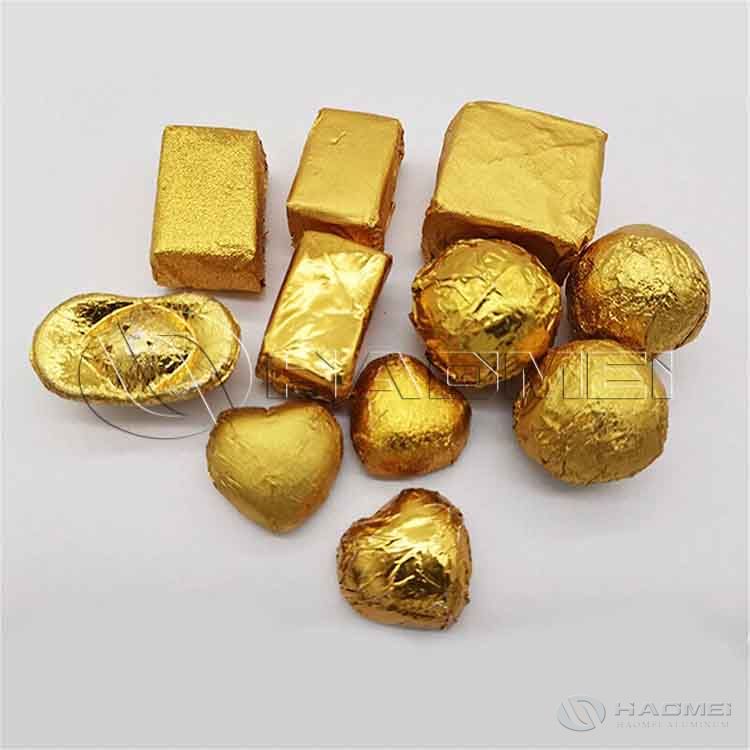 When is aluminum foil used for chocolate wrappingThe use of aluminium foil food for chocolate can be traced back to the early 20th century. In 1911, Swiss candy companies began to wrap chocolate with aluminum foil, gradually replacing the tin foil. T
application
When is aluminum foil used for chocolate wrappingThe use of aluminium foil food for chocolate can be traced back to the early 20th century. In 1911, Swiss candy companies began to wrap chocolate with aluminum foil, gradually replacing the tin foil. T
application
-
PVC Rigid Film and Aluminum Foil for Medicine Packaging
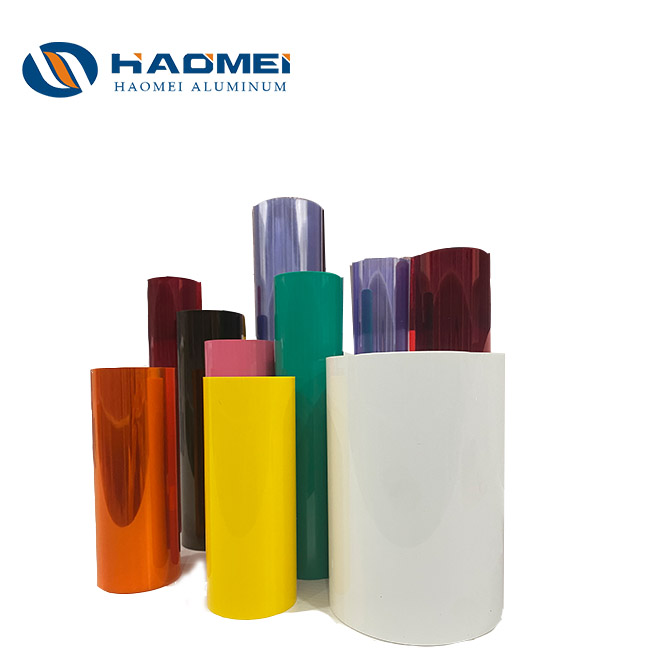 Haomei Aluminum provides different types of aluminum foil and plastic rigid films like PTP aluminum foil, cold forming foil, tropical foil, PVC rigid film, PE/PET film,etc. Best Price! Inquire now.
application
Haomei Aluminum provides different types of aluminum foil and plastic rigid films like PTP aluminum foil, cold forming foil, tropical foil, PVC rigid film, PE/PET film,etc. Best Price! Inquire now.
application
-
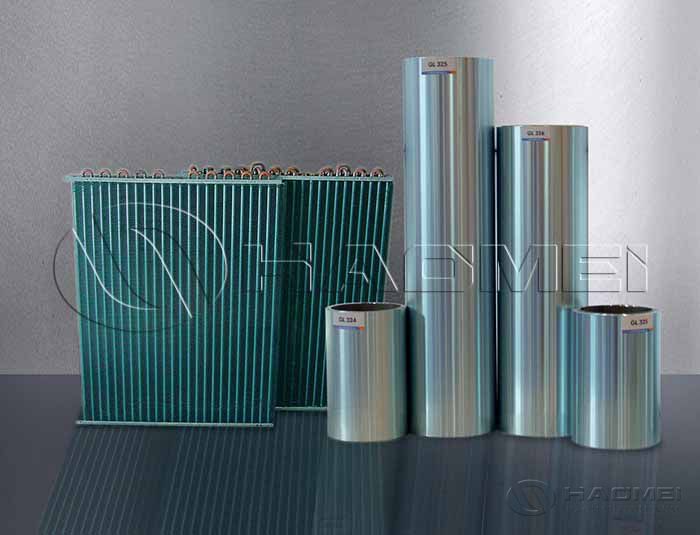 Haomei Aluminum offers you different colors of air conditioner aluminum foil like hydrophilic aluminum foil, including1100/ 3003 /8006/8011 aluminum foil,etc. Learn more.
application
Haomei Aluminum offers you different colors of air conditioner aluminum foil like hydrophilic aluminum foil, including1100/ 3003 /8006/8011 aluminum foil,etc. Learn more.
application
Latest Blog
-
Select air conditioner foil for durable heat-exchanger fins: alloys, hydrophilic coatings, test methods, tolerances, and order specifications for HVAC units.
Blog
-
Aluminum Foil Jumbo Roll for Flexible Packaging Laminates
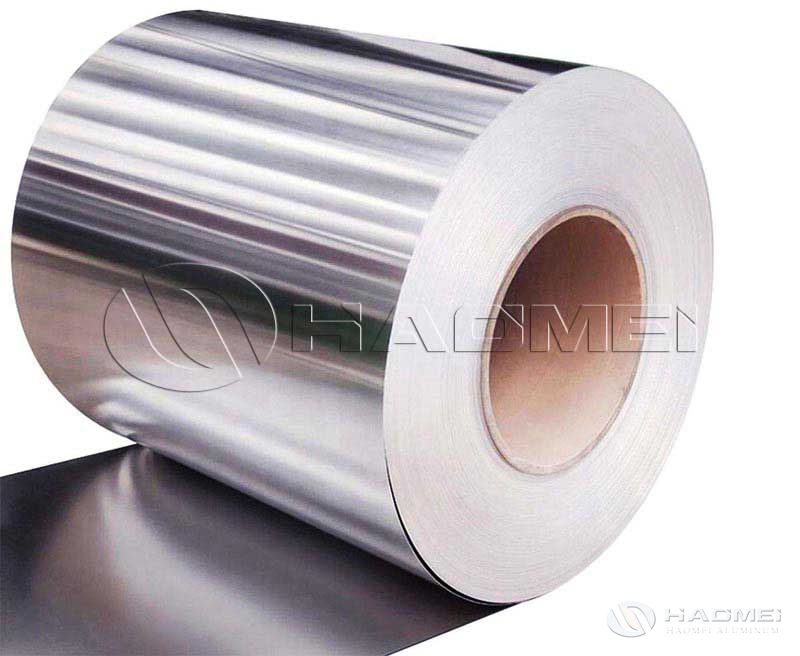 Compare 1235 pure aluminum & 8011 alloy foil jumbo rolls for flexible packaging lamination. Learn their differences in material properties, performance, pros & cons, and key application scenarios to choose the right foil for food, pharmaceutical & consume
Blog
Compare 1235 pure aluminum & 8011 alloy foil jumbo rolls for flexible packaging lamination. Learn their differences in material properties, performance, pros & cons, and key application scenarios to choose the right foil for food, pharmaceutical & consume
Blog
-
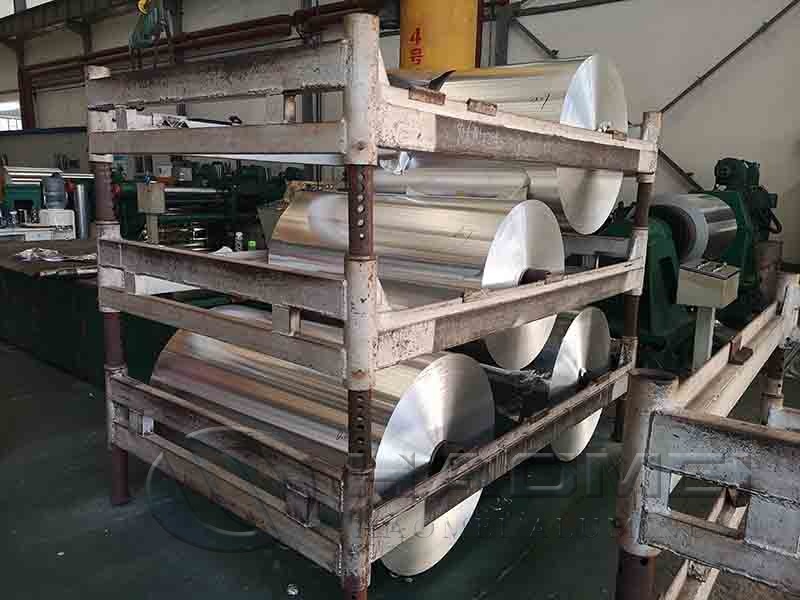 Plan year-end capacitor production with specified aluminum foil: purity, temper, surface controls, test documents, and shipment timing that reduce line risk.
Blog
Plan year-end capacitor production with specified aluminum foil: purity, temper, surface controls, test documents, and shipment timing that reduce line risk.
Blog
-
Where To Find a Reliable Air Conditioner Fin Foil Supplier
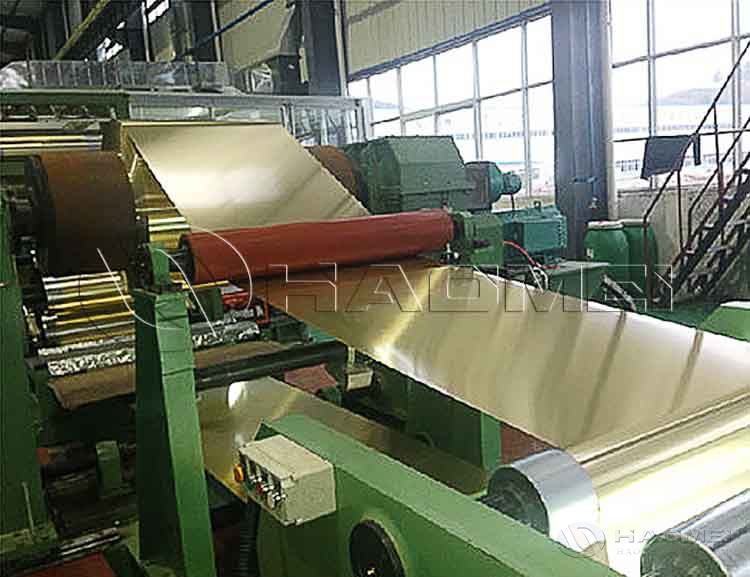 In the competitive HVAC industry, the quality of air conditioner fin stock directly determines the heat exchange efficiency, durability, and energy-saving performance of air conditioning equipment. For manufacturers, distributors, and processing enterpris
Blog
In the competitive HVAC industry, the quality of air conditioner fin stock directly determines the heat exchange efficiency, durability, and energy-saving performance of air conditioning equipment. For manufacturers, distributors, and processing enterpris
Blog
-
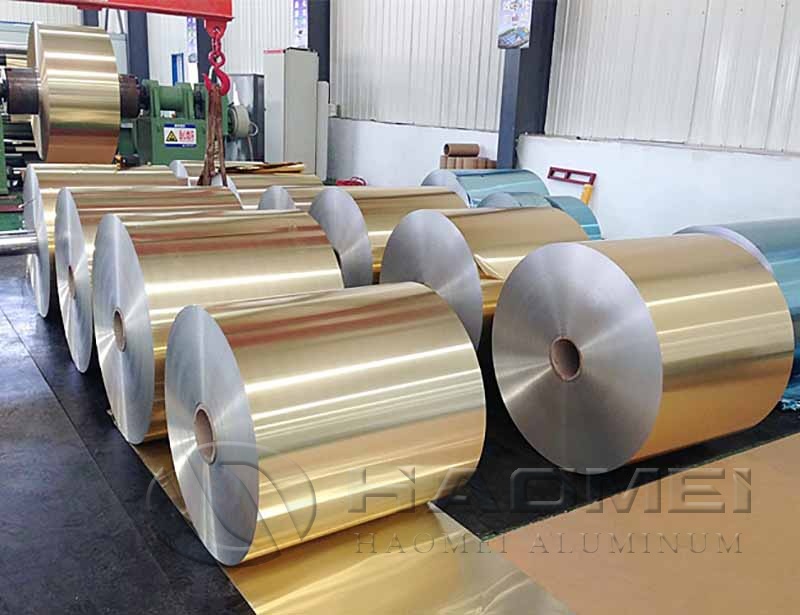 Specify aircon aluminum foil with durable hydrophilic coating: compare alloys, tests, standards, conversion costs, and receiving controls for HVAC fins.
Blog
Specify aircon aluminum foil with durable hydrophilic coating: compare alloys, tests, standards, conversion costs, and receiving controls for HVAC fins.
Blog

Haomei Aluminum CO., LTD.
Tel/Whatsapp: +86-15978414719
Email: sale@alumhm.com
Website: https://www.alumfoils.com
Xin'an Industrial Assemble Region,Luoyang,Henan Province,China
Office Add: 1103, No.14 Waihuan Road, CBD, Zhengzhou, China