Aluminium Foil Jumbo Roll Manufacturers
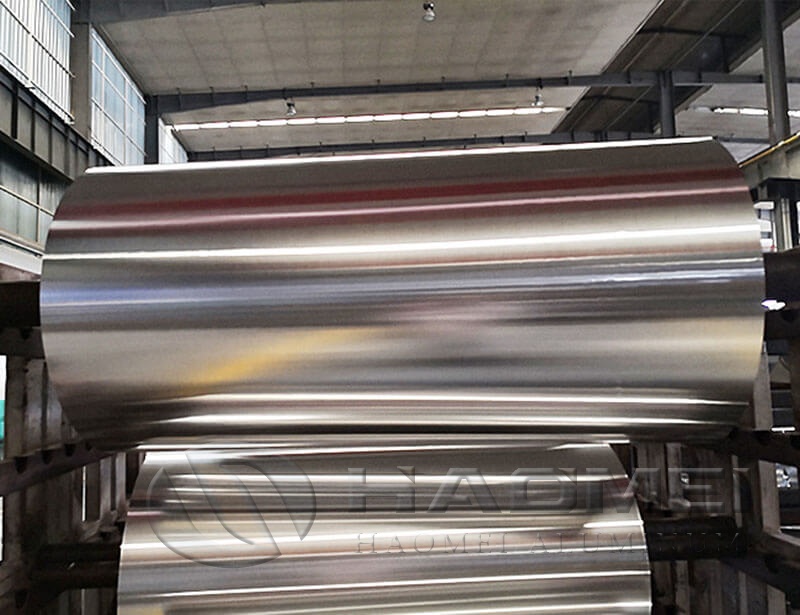
Assess aluminium foil jumbo roll manufacturers: verify thickness tolerance, alloy records, food-contact controls, traceability, and conversion pricing.
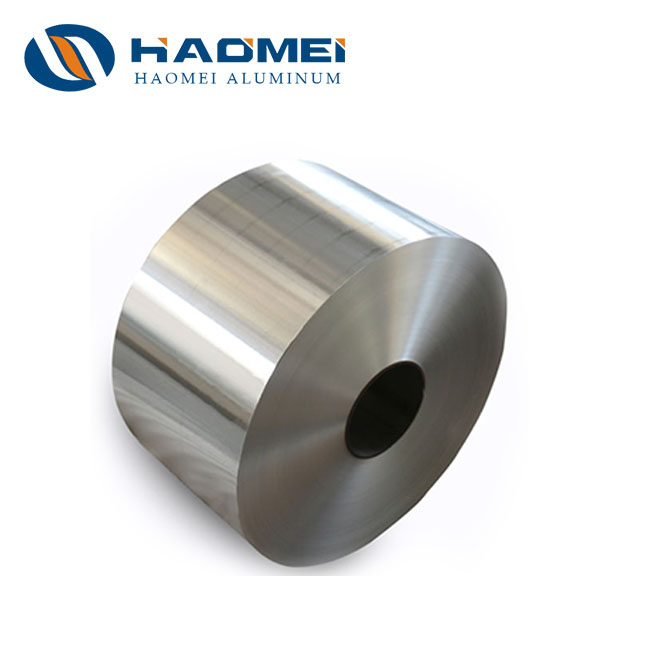
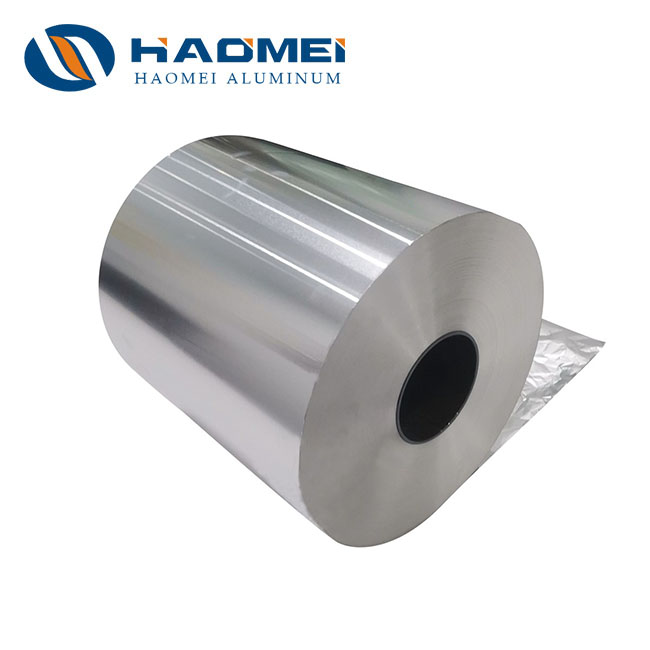
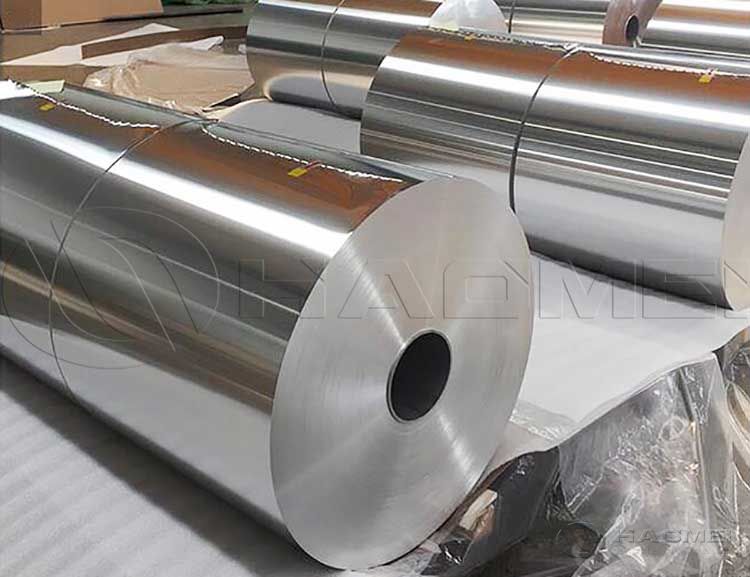
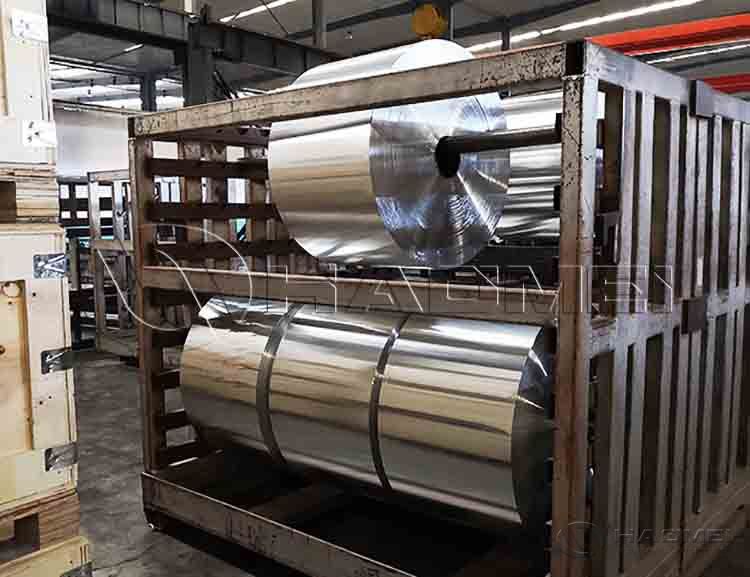
Aluminium foil jumbo rolls are purchased for converting into packaging, containers, tapes, insulation, electronics, and other finished products. For purchasing teams, the most costly issue is often not the quoted metal price. It is thickness variation that causes unstable converting yields, pinholes, poor lamination, uneven embossing, and material losses.
A capable foil producer controls gauge across the roll width and throughout the coil length, then proves that control with traceable inspection records. This article explains how to assess production capability, specify measurable requirements, and compare quotations fairly.

Why Thickness Consistency Matters More Than Nominal Gauge
A jumbo roll may be ordered at a nominal thickness such as 6, 7, 9, 12, 18, or 20 microns. Nominal gauge alone is insufficient. A roll can meet an average thickness while still containing local thin areas that create defects during high-speed converting.
For flexible packaging, thin points can reduce barrier reliability and increase pinhole risk. For container stock, inconsistent gauge can affect forming performance. For tape and laminated structures, variation changes adhesive coating behavior and finished-product caliper.
Standards should be identified before comparing offers. EN 546-3 covers tolerances for aluminium and aluminium alloy foil, while ASTM B479 covers annealed aluminum and aluminum-alloy foil for flexible barrier, food-contact, and related applications. The applicable edition, temper, alloy, thickness, width, and tolerance class must be stated in the purchase specification.
| Checkpoint | Why It Affects Converting | Evidence to Request |
|---|---|---|
| Thickness profile across width | Reduces thin-edge and centre-to-edge variation | Gauge map or width-profile record |
| Thickness trend along length | Identifies rolling stability over the full roll | Sample plan and inspection report |
| Width and edge condition | Prevents slitting waste and web-break issues | Width measurement and edge description |
| Pinholes | Influences barrier performance at thin gauges | Test method, sampling frequency, results |
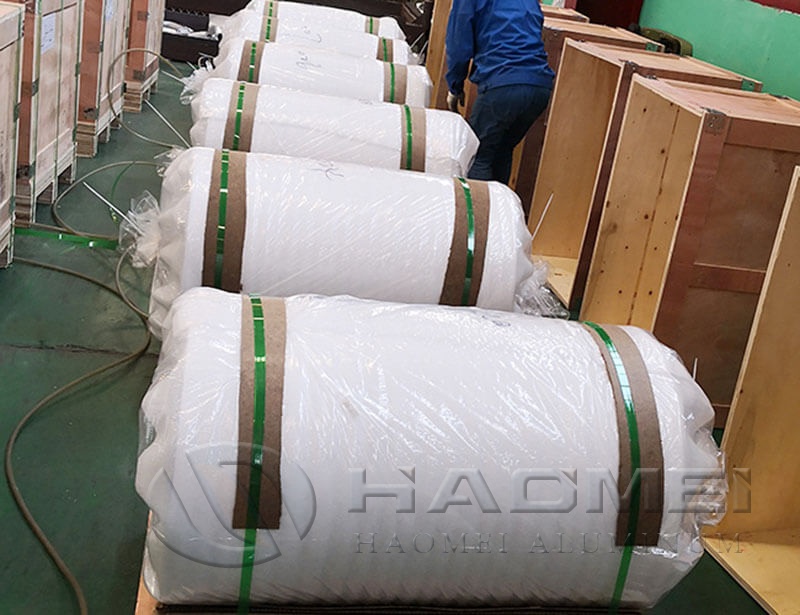
| Flatness and telescoping | Supports stable unwinding | Packing photos and roll inspection report |
| Oil residue and wettability | Influences printing, coating, and lamination | Surface-treatment or wetting test record |
Do not accept a generic statement such as "high precision." Ask the supplier to define the measurement instrument, measurement locations, sampling interval, and acceptance limits. This turns a marketing claim into a verifiable production requirement.
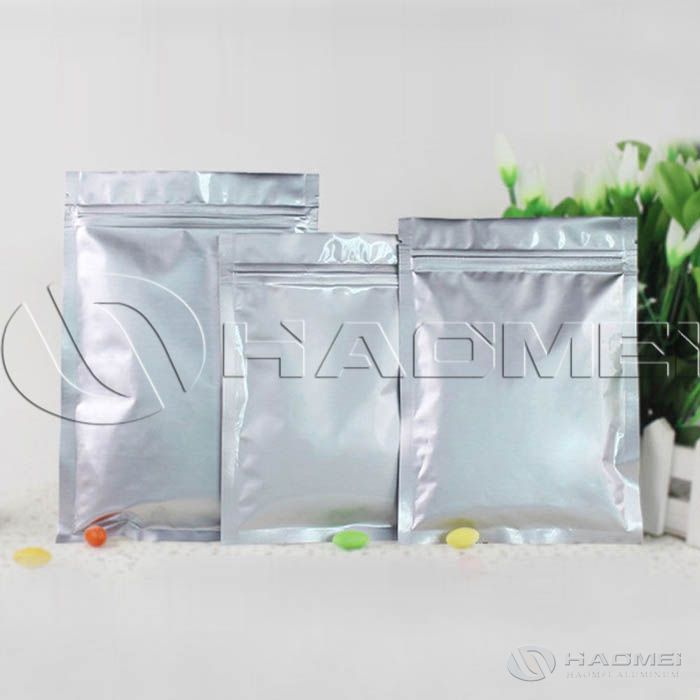
For applications needing commercially pure material, 1xxx Aluminum is commonly evaluated for its high aluminum content and application-dependent forming or conductivity characteristics. For food-packaging converters, 8011 Aluminum Foil Food for Packaging should be specified with its exact temper, final gauge, surface condition, and compliance documentation.
How to Qualify a Foil Roll Producer
Use a staged qualification process. It reduces the risk of receiving material that appears acceptable on a certificate but performs poorly on the converting line.
1. Define the technical order data
Provide the intended end use before requesting a quotation. A supplier cannot set meaningful inspection controls without knowing whether the foil will be laminated, embossed, deep drawn, coated, or used in electrical applications.
Include these items in the inquiry:
- Alloy and temper, such as 1235-O, 8011-O, 3003-H18, or another agreed designation.
- Nominal thickness, permitted tolerance, width, and width tolerance.
- Maximum and minimum outer diameter, core inner diameter, and coil orientation.
- One-side bright or double-side bright surface requirement.
- Allowable joints, if any, and splice marking method.
- Pinholes, surface defects, oil residue, wetting tension, and flatness criteria.
- Required certificates: chemical composition, mechanical properties where applicable, dimensions, and inspection data.
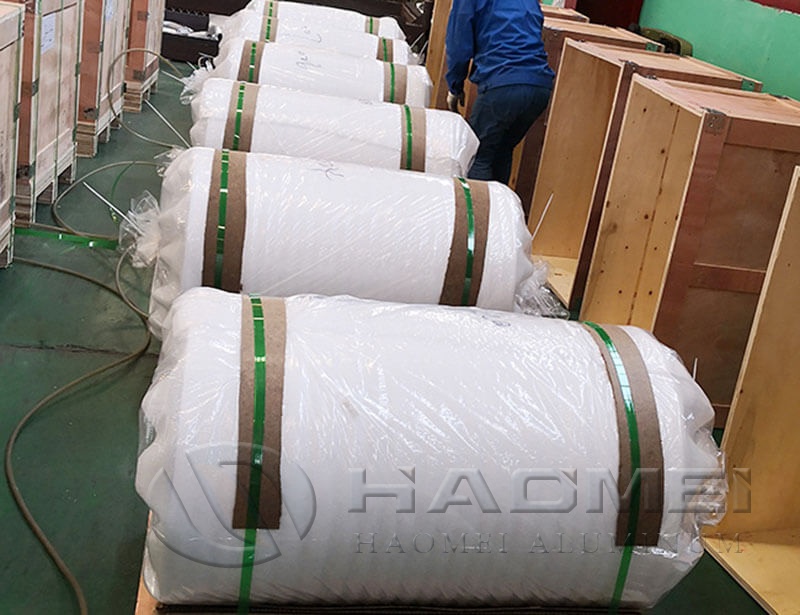
- Packing requirements for moisture protection, fumigation status where relevant, and label traceability.
2. Confirm traceability and test methods
Every delivered roll should be traceable to a production batch. At minimum, labels should show alloy, temper, dimensions, net weight, production date or batch identifier, and roll number.
Ask whether thickness is measured by offline micrometer checks, online gauge control, or both. Online systems support process control, but final acceptance still needs a documented method agreed by both parties. For very thin foil, handling and measurement technique matter because excessive contact force can distort readings.
Chemical composition should be reported against the referenced alloy standard. Mechanical-property values should not be requested as a universal rule for all foil gauges and tempers; instead, agree on the relevant standard and test condition for the intended application.
3. Review food-contact and sustainability obligations
Food-contact foil requires more than an alloy statement. In the European Union, Framework Regulation (EC) No 1935/2004 requires food-contact materials not to transfer constituents in quantities that could endanger health or cause unacceptable changes in food. Regulation (EC) No 2023/2006 requires good manufacturing practice for materials and articles intended to contact food.
For the United States, compliance review should address the complete packaging structure, including coatings, inks, adhesives, and intended conditions of use. Do not assume that bare foil compliance automatically covers a laminated or lacquered construction.
Packaging regulation is also changing. EU Regulation (EU) 2025/40, the Packaging and Packaging Waste Regulation, entered into force on February 11, 2025, with most provisions applying from August 12, 2026. Converters supplying the EU should assess how design, recyclability, labeling, and documentation requirements affect material selection and finished packaging.
Compare Quotations Using Delivered Conversion Cost
Foil prices move with metal markets, energy, logistics, alloy, gauge, width, temper, processing route, and order dimensions. A low price per kilogram may hide a lower usable yield or incomplete inspection scope.
Use a like-for-like comparison formula:
| Cost Element | What to Compare |
|---|---|
| Metal basis | Pricing date, reference market, currency, and adjustment mechanism |
| Conversion charge | Rolling, annealing, slitting, surface treatment, and packing scope |
| Dimensional requirement | Gauge, width, core, outer diameter, and tolerance tightness |
| Quality scope | Thickness mapping, pinhole testing, surface inspection, certificates |
| Logistics | Incoterm, port or destination, transit protection, insurance responsibility |
| Yield risk | Edge trim, rejected rolls, joints, and permitted defect level |
Request a sample roll or pre-production trial when the foil will run at high line speeds or has a demanding barrier requirement. Convert the sample under normal plant conditions and record web breaks, splice performance, pinholes after lamination, coating adhesion, and scrap rate. A trial is especially valuable when changing from one producer to another.
Release Checklist
- Confirm alloy, temper, gauge, width, and tolerance against the purchase specification.
- Obtain a roll-specific inspection certificate with batch traceability.
- Verify the agreed thickness measurement plan and acceptance limits.
- Review pinhole and surface-test records for the final gauge.
- Check packing integrity, core size, roll geometry, and moisture protection before dispatch.
- Confirm food-contact declarations and supporting documents where the application requires them.
- Compare delivered conversion cost and expected usable yield, not metal price alone.



- Aluminum Foil Jumbo Roll PriceAug 26, 2026
Analyze aluminum foil jumbo roll price drivers, calculated roll weight, alloy choices, quality controls, and q...
- Aluminum Foil for Packaging and CookingJan 30, 2024
Aluminum flexible foil for packaging and household aluminum foil is two kinds of aluminum foils. 8021 is a mai...
- Air Conditioner FoilOct 14, 2026
Select air conditioner foil for durable heat-exchanger fins: alloys, hydrophilic coatings, test methods, toler...
- What Is PTP Blister Aluminium Foil SpecificationJun 26, 2023
The main materials of blister packaging are PTP aluminum foil, plastic hard sheet (polyvinyl chloride PVC) and...
- Aluminium Foil Jumbo Roll PriceAug 20, 2026
Plan aluminium foil jumbo roll price with metal-index formulas, alloy options, yield checks, and food-contact...
Inquiry
Products Category
Latest Application
-
 Why butter aluminum foil is neededButter aluminum foil blocks oxygen, moisture, and light, effectively preventing butter from oxidizing and spoiling, preserving nutrients, and significantly extending its shelf life. High-end products can see their sh
application
Why butter aluminum foil is neededButter aluminum foil blocks oxygen, moisture, and light, effectively preventing butter from oxidizing and spoiling, preserving nutrients, and significantly extending its shelf life. High-end products can see their sh
application
-
 Cables are usually composed of conductors, insulation layers, shielding layers, and sheaths. Aluminum foil for cable is generally located outside the insulation layer as part of the shielding layer. It fits tightly to the surface of the insulation la
application
Cables are usually composed of conductors, insulation layers, shielding layers, and sheaths. Aluminum foil for cable is generally located outside the insulation layer as part of the shielding layer. It fits tightly to the surface of the insulation la
application
-
Aluminum Gold Foil Paper For Chocolate Wrapping
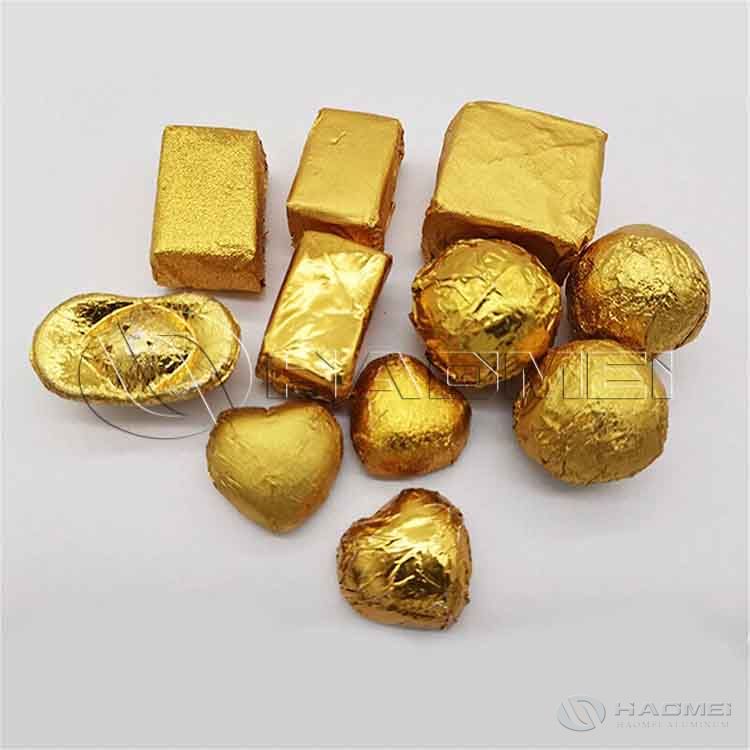 When is aluminum foil used for chocolate wrappingThe use of aluminium foil food for chocolate can be traced back to the early 20th century. In 1911, Swiss candy companies began to wrap chocolate with aluminum foil, gradually replacing the tin foil. T
application
When is aluminum foil used for chocolate wrappingThe use of aluminium foil food for chocolate can be traced back to the early 20th century. In 1911, Swiss candy companies began to wrap chocolate with aluminum foil, gradually replacing the tin foil. T
application
-
PVC Rigid Film and Aluminum Foil for Medicine Packaging
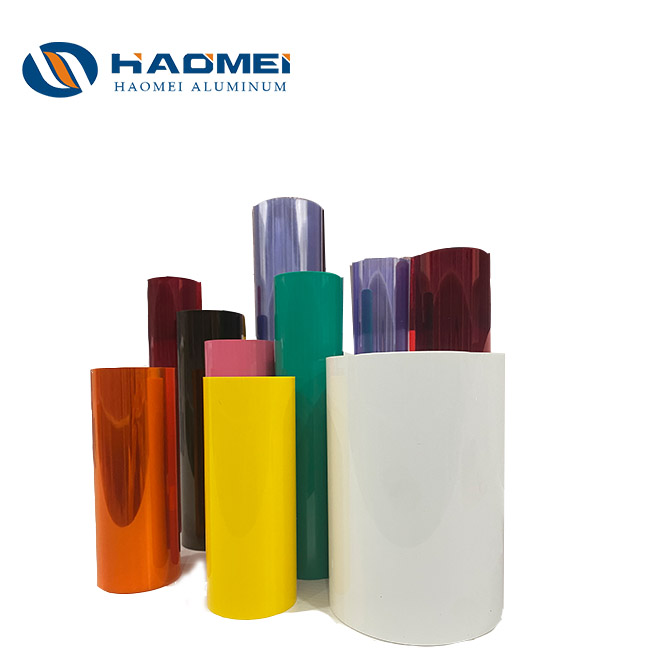 Haomei Aluminum provides different types of aluminum foil and plastic rigid films like PTP aluminum foil, cold forming foil, tropical foil, PVC rigid film, PE/PET film,etc. Best Price! Inquire now.
application
Haomei Aluminum provides different types of aluminum foil and plastic rigid films like PTP aluminum foil, cold forming foil, tropical foil, PVC rigid film, PE/PET film,etc. Best Price! Inquire now.
application
-
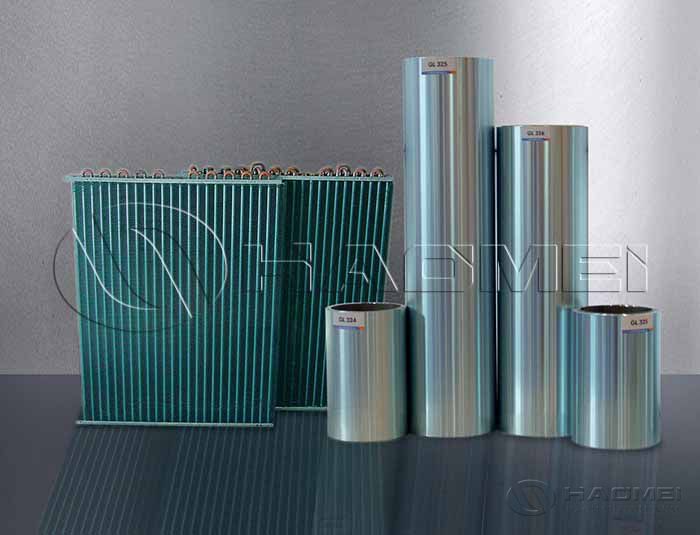 Haomei Aluminum offers you different colors of air conditioner aluminum foil like hydrophilic aluminum foil, including1100/ 3003 /8006/8011 aluminum foil,etc. Learn more.
application
Haomei Aluminum offers you different colors of air conditioner aluminum foil like hydrophilic aluminum foil, including1100/ 3003 /8006/8011 aluminum foil,etc. Learn more.
application
Latest Blog
-
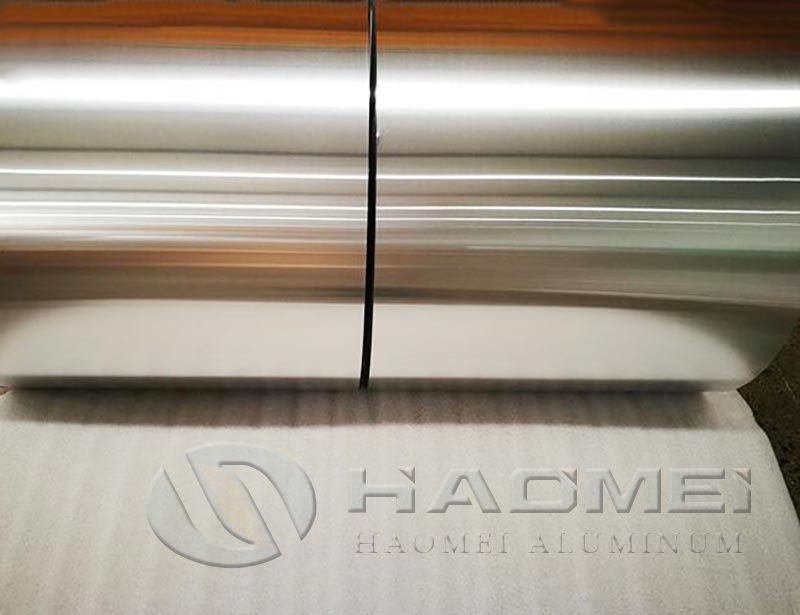 Specify 8011 aluminium foil with practical chemistry, pinhole, temper, testing and packaging checks for reliable food and pharmaceutical conversion.
Blog
Specify 8011 aluminium foil with practical chemistry, pinhole, temper, testing and packaging checks for reliable food and pharmaceutical conversion.
Blog
-
3003, 8011 and 8006 Aluminum Foil for Food Packing
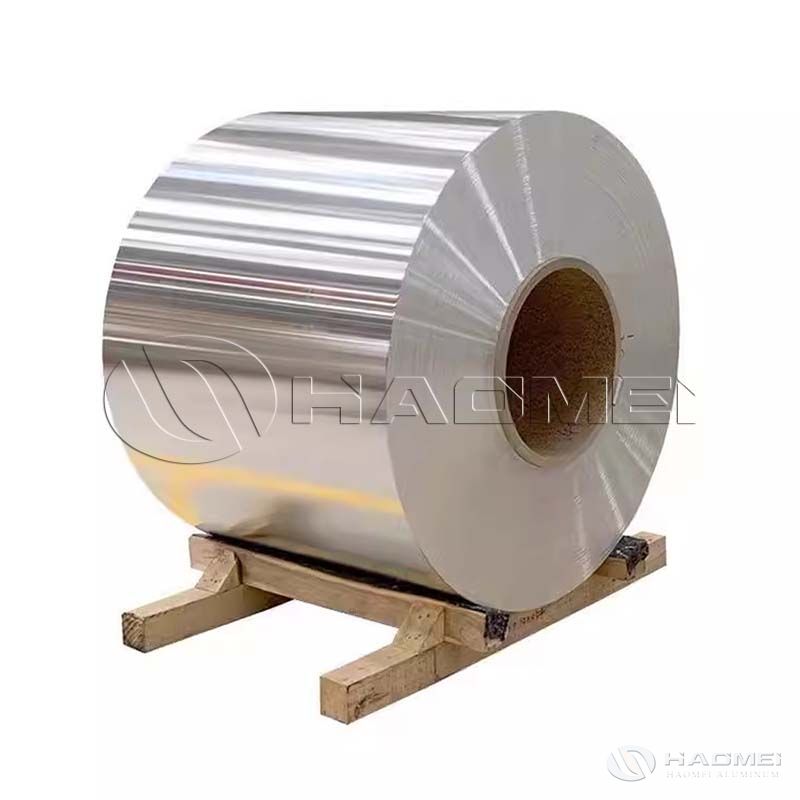 In the food packaging sector, aluminum foil is widely used for products such as composite flexible packaging, containers, meal boxes, sealing lids, and baking packaging due to its excellent barrier properties, light-shielding capabilities, heat resistance
Blog
In the food packaging sector, aluminum foil is widely used for products such as composite flexible packaging, containers, meal boxes, sealing lids, and baking packaging due to its excellent barrier properties, light-shielding capabilities, heat resistance
Blog
-
Select air conditioner foil for durable heat-exchanger fins: alloys, hydrophilic coatings, test methods, tolerances, and order specifications for HVAC units.
Blog
-
Aluminum Foil Jumbo Roll for Flexible Packaging Laminates
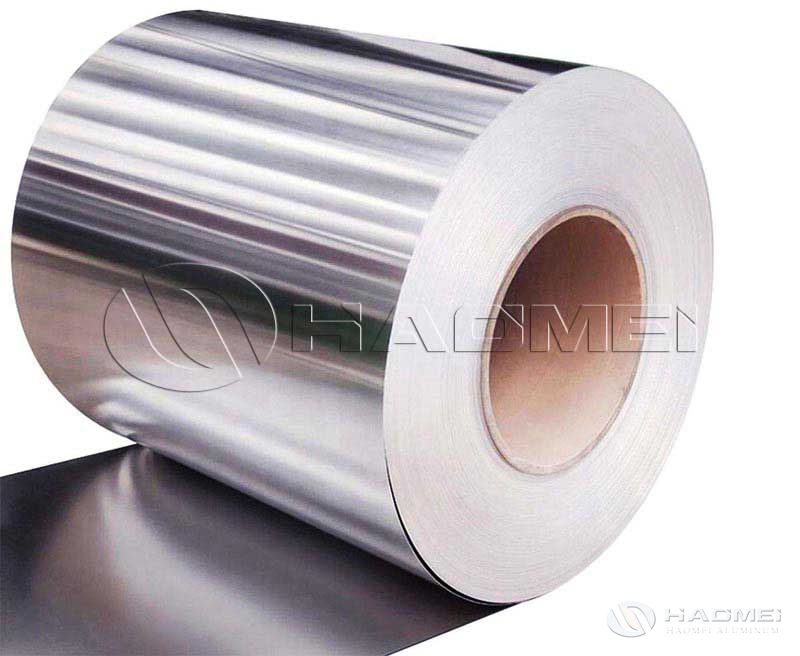 Compare 1235 pure aluminum & 8011 alloy foil jumbo rolls for flexible packaging lamination. Learn their differences in material properties, performance, pros & cons, and key application scenarios to choose the right foil for food, pharmaceutical & consume
Blog
Compare 1235 pure aluminum & 8011 alloy foil jumbo rolls for flexible packaging lamination. Learn their differences in material properties, performance, pros & cons, and key application scenarios to choose the right foil for food, pharmaceutical & consume
Blog
-
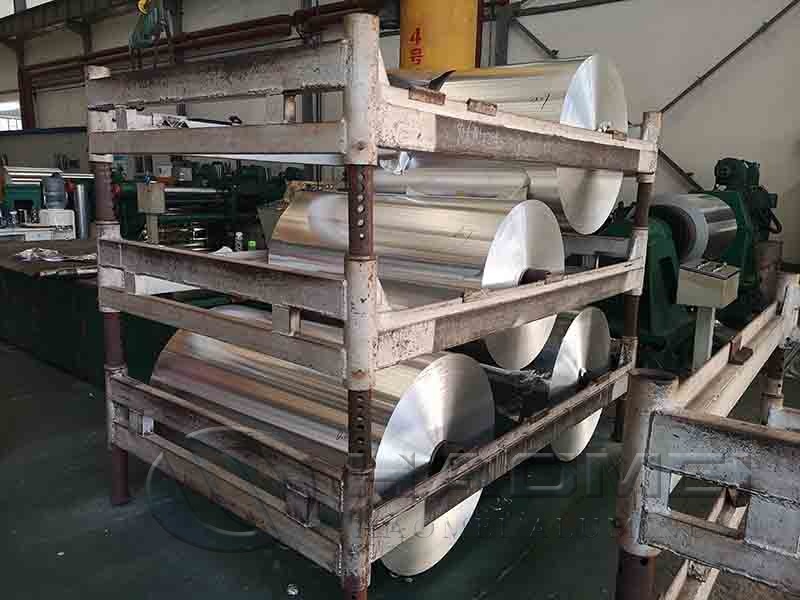 Plan year-end capacitor production with specified aluminum foil: purity, temper, surface controls, test documents, and shipment timing that reduce line risk.
Blog
Plan year-end capacitor production with specified aluminum foil: purity, temper, surface controls, test documents, and shipment timing that reduce line risk.
Blog

Haomei Aluminum CO., LTD.
Tel/Whatsapp: +86-15978414719
Email: sale@alumhm.com
Website: https://www.alumfoils.com
Xin'an Industrial Assemble Region,Luoyang,Henan Province,China
Office Add: 1103, No.14 Waihuan Road, CBD, Zhengzhou, China