Aluminum Foil for Lithium Ion Battery
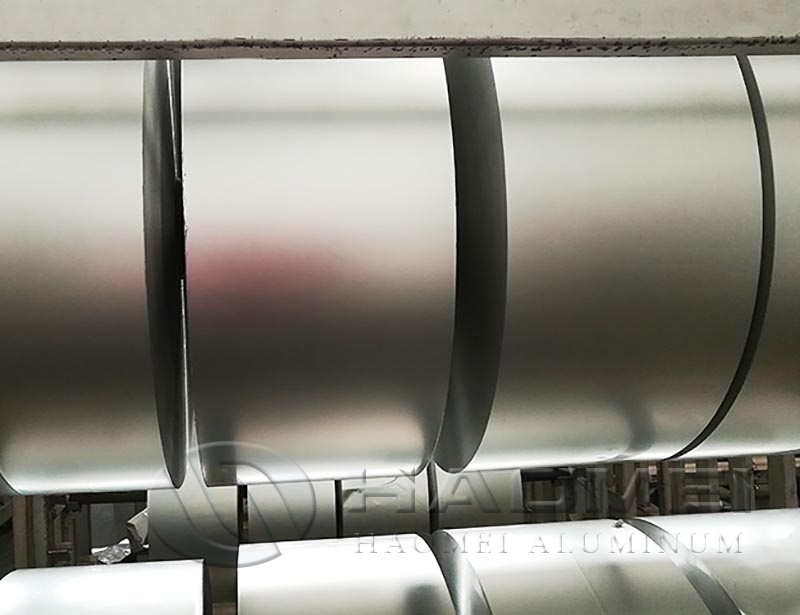
Compare alloys, gauges, surface rules and cost drivers for aluminum foil for lithium ion battery cathode collectors with practical QA checks.
Aluminum Foil for Lithium Ion Battery: Specs, QA and Sourcing
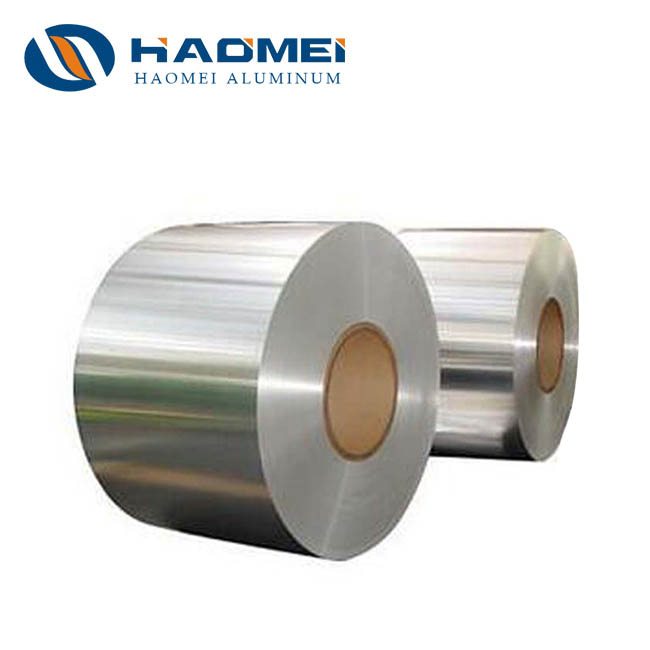
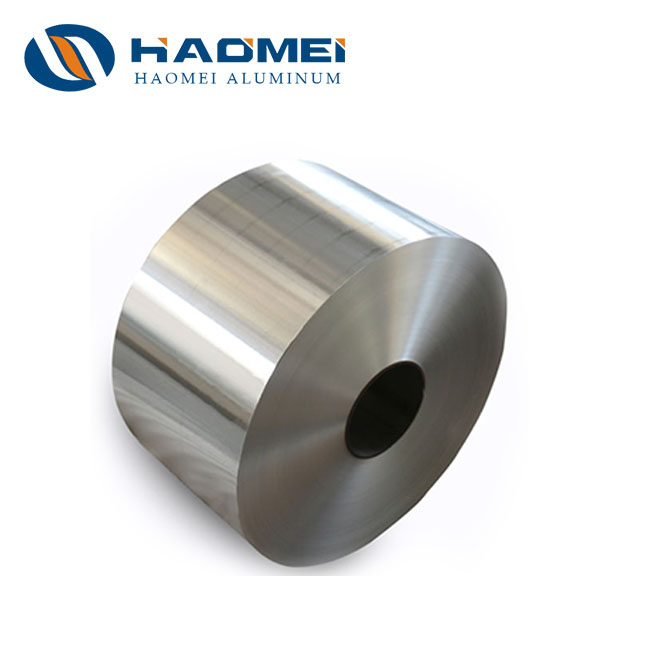
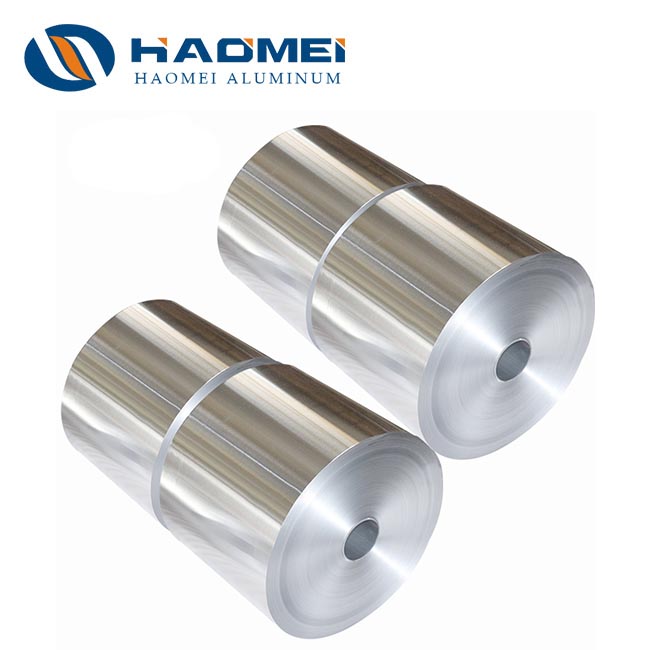
For lithium ion cells, aluminum foil is mainly used as the cathode current collector. Its job is simple but unforgiving: carry current, bond with active material slurry, survive calendering, and stay clean enough for high-yield cell assembly. The feature that deserves the most attention is pinhole and surface cleanliness control, because small defects can create coating voids, higher internal resistance, scrap, and warranty risk.

What battery-grade foil must do
Commercial cathode collectors are commonly supplied in 10-20 micrometer thickness, with 12, 15, and 16 micrometer gauges often seen in lithium iron phosphate and nickel-rich cathode production. Exact selection depends on cell design, coating weight, calender pressure, tab welding method, and target energy density.
Pure aluminum is preferred because it forms a stable oxide film, has good corrosion resistance in cathode environments, and offers high electrical conductivity. Aluminum density is about 2.70 g/cm3, melting point is about 660.3°C, and high-purity aluminum grades can reach about 61% IACS conductivity, depending on alloy and temper.
| Requirement | Why it matters in cell production | Practical specification approach |
|---|---|---|
| Thickness tolerance | Affects coating loading and roll balance | State nominal thickness, tolerance, and test method |
| Pinhole level | Reduces coating defects and short-risk pathways | Set maximum count by area and size class |
| Surface oil and carbon residue | Impacts slurry wetting and adhesion | Require low residue, clean-room compatible packing |
| Wettability | Helps uniform cathode slurry coating | Specify dyne level or verified contact angle method |
| Tensile strength and elongation | Prevents breaks during coating and calendering | Match temper to line speed and tension profile |
| Burr and edge quality | Protects separator and winding equipment | Define burr height, edge wave, and slit width tolerance |
Alloy and temper selection
Battery cathode collector foil is usually based on high-purity 1xxx series aluminum. Common choices include 1050, 1060, 1070, 1100, and 1235. The final choice should be made against coating adhesion, tensile strength, weldability, cost, and local availability.
| Alloy | Typical reason to use | Watch point |
|---|---|---|
| 1050 | Balanced conductivity, formability, and supply stability | Confirm Fe and Si limits with the mill certificate |
| 1070 | Higher Al purity and conductivity potential | May cost more where supply is limited |
| 1100 | Good processing stability and slightly higher impurity tolerance | Validate conductivity and adhesion for the cell design |
| 1235 | High-purity foil platform used in thin-gauge applications | Control pinholes carefully at thinner gauges |
| 8021 | Often associated with pouch and packaging structures | Not the default cathode collector choice |
For standard cathode current collector programs, procurement teams often compare 1050 Aluminum Foil for Battery and Electronics with 1235 Aluminum Foil Battery and Tape when balancing purity, thin-gauge rollability, and cost.
Production route and defect control
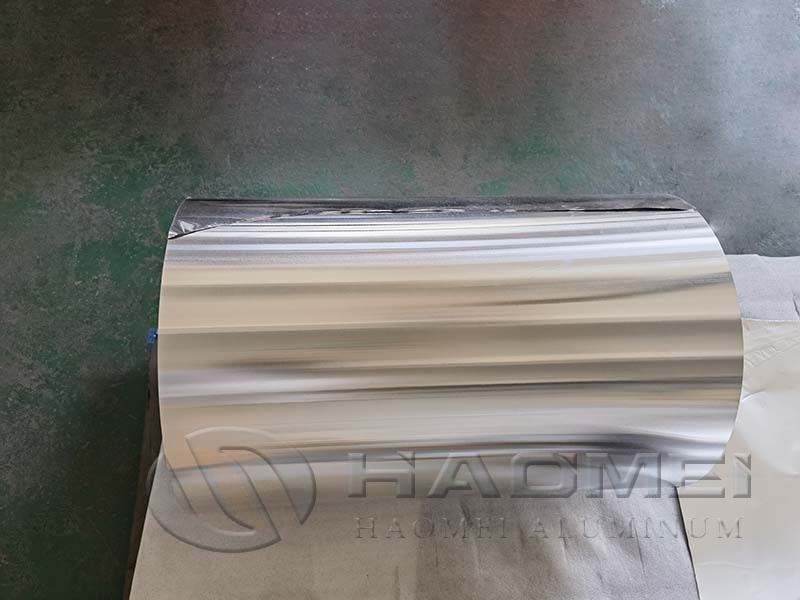
Battery foil is not just thin aluminum. It is a controlled rolling and finishing product. A typical route includes casting or hot rolling, cold rolling, intermediate annealing where required, foil rolling, tension leveling, slitting, surface cleaning, inspection, and moisture-proof packing.
The most common quality failures are not dramatic; they are small and repeated. Pinhole clusters, roll marks, dark streaks, oil spots, edge cracks, and telescoping can stop a coating line. For a high-volume cell plant, one unstable lot can cost more than the saving from a cheaper conversion fee.
QA checklist before shipment
- Confirm alloy, temper, thickness, width, inner diameter, and outer diameter.
- Require mill test certificate with chemical composition and mechanical values.
- Request pinhole inspection data by roll, not only by batch.
- Define surface side requirements if coating uses one preferred side.
- Specify maximum joint quantity per roll and joint marking method.
- Check winding direction, roll hardness, telescoping tolerance, and edge burr.
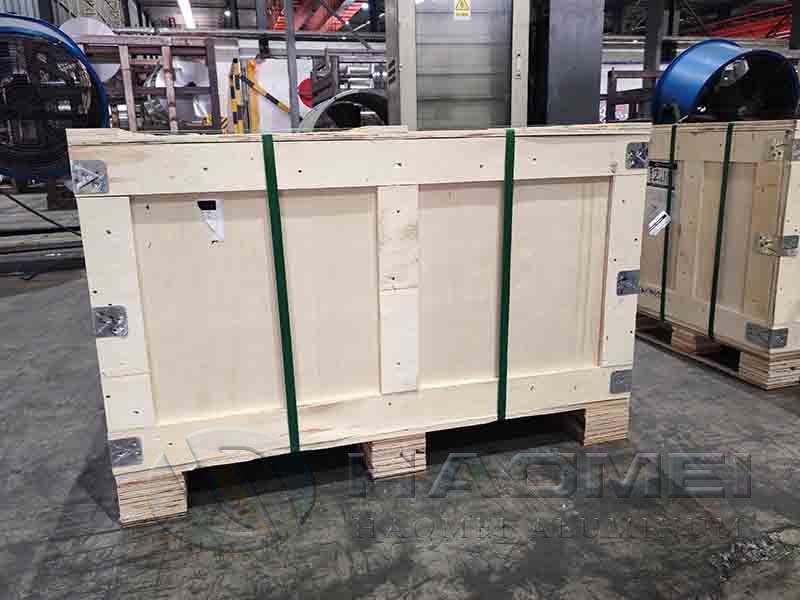
- Require sealed packing with desiccant, VCI where approved, and shock-resistant pallets.
- For sea freight, request humidity indicators and container moisture control.
Standards and compliance to reference
There is no single universal global standard that fully defines lithium battery cathode foil performance. Cell manufacturers usually apply internal drawings and incoming inspection rules. Still, recognized aluminum foil standards help structure contracts.
| Reference | Use in specification work |
|---|---|
| EN 546 series | European aluminum and aluminum alloy foil rules covering general requirements, mechanical properties, tolerances, and special property requirements |
| ASTM B479 | Useful reference for annealed aluminum and aluminum-alloy foil in general foil applications, though not battery-specific |
| GB/T aluminum foil standards | Often used in Asian supply chains for dimensions, tolerances, and inspection language |
| ISO 9001 | Quality management baseline for foil mills |
| IATF 16949 | Valuable when material enters automotive battery supply chains |
| EU Battery Regulation (EU) 2023/1542 | Important for rechargeable industrial and EV batteries, including due diligence and carbon footprint obligations by category and schedule |
Do not rely on a certificate alone. Incoming quality control should include thickness mapping, tensile testing, dyne or wettability testing, pinhole inspection under transmitted light, surface residue testing, and trial coating approval.
Cost structure and negotiation points
Battery aluminum foil pricing is usually built from three parts: aluminum metal value, conversion fee, and logistics or finance cost. The metal value is commonly linked to LME aluminum or a regional benchmark plus premium. Conversion fee changes with thickness, width, surface cleanliness, pinhole requirement, slitting precision, and packaging.
| Cost driver | Direction of impact | How to manage it |
|---|---|---|
| Thinner gauge | Higher conversion cost | Standardize on a proven thickness where cell design allows |
| Narrow width | Higher slitting loss | Combine widths across programs where possible |
| Very low pinhole allowance | Higher inspection and yield cost | Define realistic limits after coating trials |
| Small lot size | Higher setup cost | Use rolling forecasts and stable release schedules |
| Export packing | Adds cost but reduces damage | Use battery-grade moisture-proof packaging |
| Metal price volatility | Can move monthly | Use transparent formula pricing with agreed benchmark dates |
Aluminum markets are cyclical. Energy costs, alumina prices, smelter curtailments, trade measures, freight disruption, and EV battery demand all influence pricing. The International Energy Agency reported that global electric car sales were nearly 14 million in 2023, about 18% of all cars sold. That demand supports long-term battery material consumption, while short-term foil prices still move with metal and conversion capacity.
Supplier assessment for stable cell production
A strong supplier should show more than rolling capacity. Ask for process capability on the exact gauge and width, historical pinhole data, clean slitting conditions, traceability from cast lot to finished roll, and emergency response time for coating-line complaints.
Use trial stages. First, approve lab samples for chemistry, surface, and mechanical values. Second, run pilot coating and calendering. Third, test full roll behavior at production speed. Fourth, lock the control plan, packing method, and change-notification rule.
RFQ checklist
- Alloy and temper: for example 1050-H18, 1060-H18, 1070-H18, or 1235-H18.
- Thickness and tolerance: state micrometer value and measurement method.
- Width and tolerance: include slit edge and burr requirement.
- Roll size: inner diameter, outer diameter, roll weight, and core material.
- Pinhole rule: maximum count, size class, inspection area, and reporting format.
- Surface rule: oil residue, wetting level, stain, scratch, and coating side.
- Mechanical values: tensile strength, elongation, and sampling frequency.
- Packing: vacuum or moisture-proof wrap, desiccant, pallet type, labels, and storage limit.
- Documents: certificate of analysis, certificate of conformity, RoHS or REACH statement where required, and lot traceability.
When the specification is clear, battery foil sourcing becomes measurable: fewer coating defects, fewer roll changes, lower scrap, and steadier cathode production output.

- Aluminum Foil Winding in TransformerJul 14, 2025
Among the many components of a transformer, the winding is undoubtedly one of the key components, and its perf...
- Aluminum Foil Raw Material for Bottle SealingMay 25, 2022
Aluminum foil bottle caps are very common in life. The two common aluminum foil raw material are 8011 and 8021...
- How to Choose Rolling Speed of Aluminium Foil Packaging MaterialSep 11, 2023
The rolling speed directly affects the production efficiency of the aluminum foil packaging material. The roll...
- Aluminum Foil BatteryMay 27, 2026
Answers to aluminum foil battery questions on safety, cathode collector use, DIY cells, grades, thickness, and...
- Why Medicines Are Packed in Aluminium FoilSep 16, 2022
The aluminium foil for pharmaceutical packaging protects the medicines from all influences until it is consume...
Inquiry
Products Category
Latest Application
-
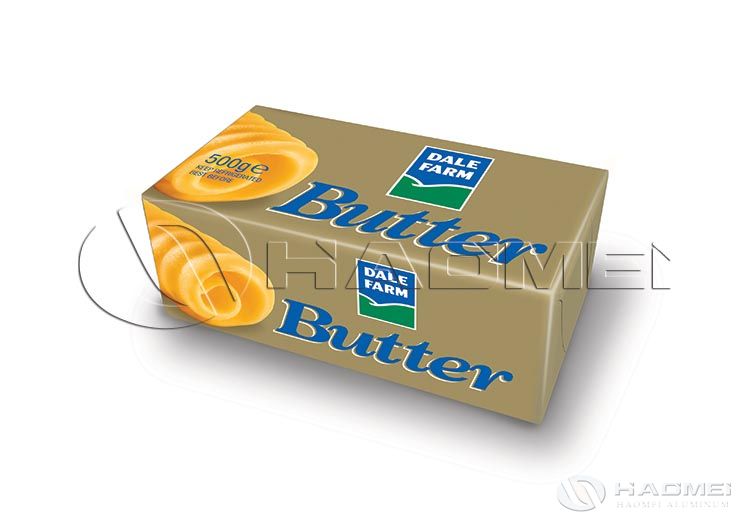 Why butter aluminum foil is neededButter aluminum foil blocks oxygen, moisture, and light, effectively preventing butter from oxidizing and spoiling, preserving nutrients, and significantly extending its shelf life. High-end products can see their sh
application
Why butter aluminum foil is neededButter aluminum foil blocks oxygen, moisture, and light, effectively preventing butter from oxidizing and spoiling, preserving nutrients, and significantly extending its shelf life. High-end products can see their sh
application
-
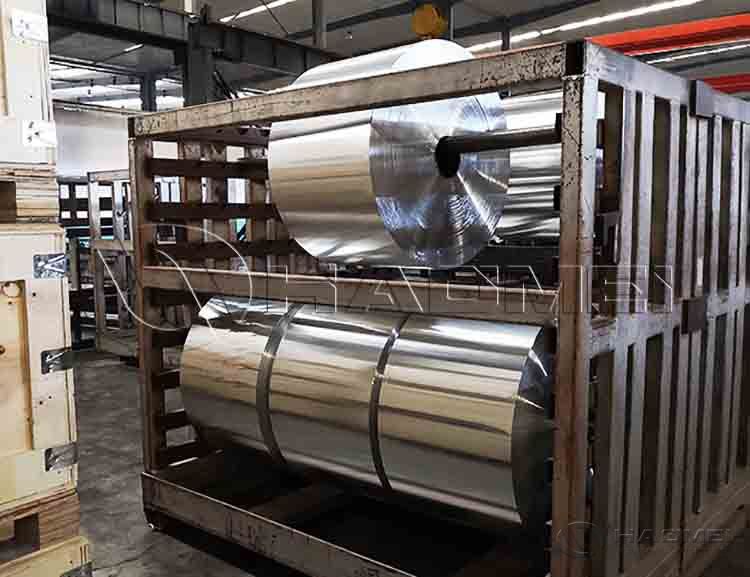 Cables are usually composed of conductors, insulation layers, shielding layers, and sheaths. Aluminum foil for cable is generally located outside the insulation layer as part of the shielding layer. It fits tightly to the surface of the insulation la
application
Cables are usually composed of conductors, insulation layers, shielding layers, and sheaths. Aluminum foil for cable is generally located outside the insulation layer as part of the shielding layer. It fits tightly to the surface of the insulation la
application
-
Aluminum Gold Foil Paper For Chocolate Wrapping
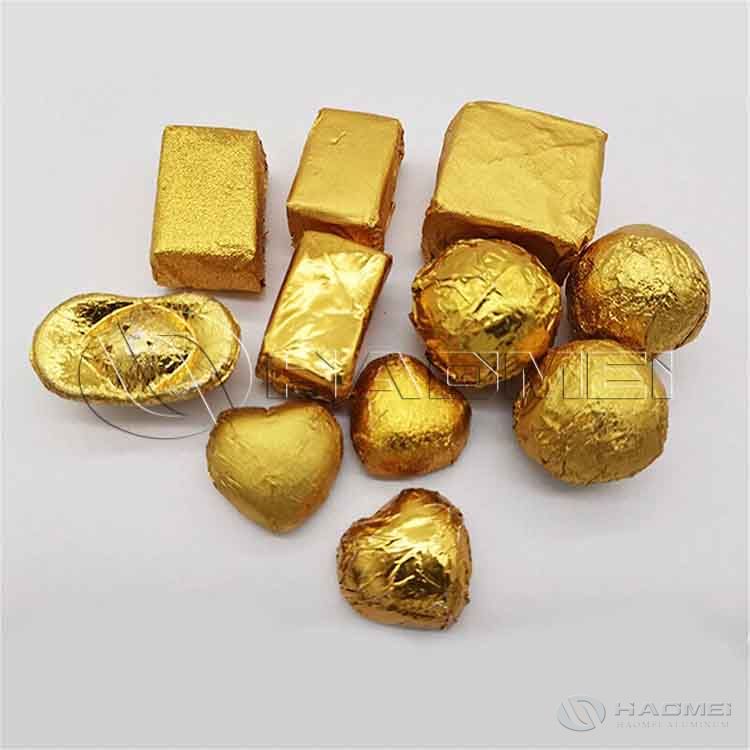 When is aluminum foil used for chocolate wrappingThe use of aluminium foil food for chocolate can be traced back to the early 20th century. In 1911, Swiss candy companies began to wrap chocolate with aluminum foil, gradually replacing the tin foil. T
application
When is aluminum foil used for chocolate wrappingThe use of aluminium foil food for chocolate can be traced back to the early 20th century. In 1911, Swiss candy companies began to wrap chocolate with aluminum foil, gradually replacing the tin foil. T
application
-
PVC Rigid Film and Aluminum Foil for Medicine Packaging
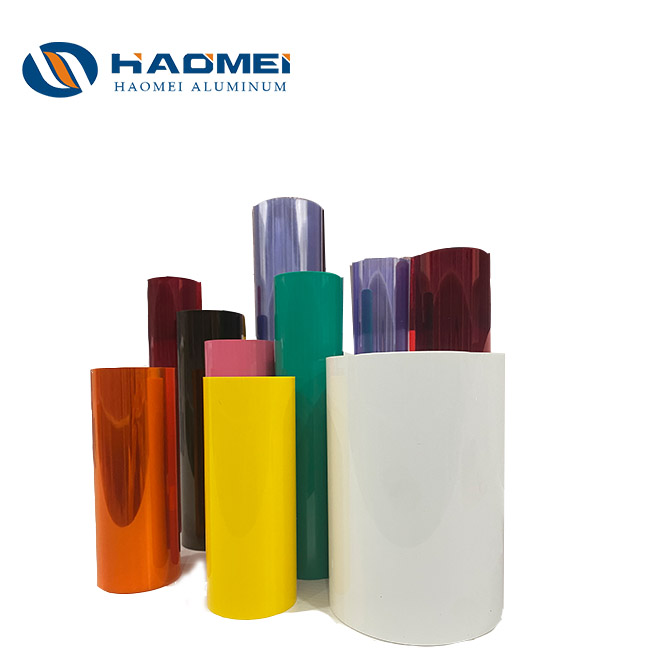 Haomei Aluminum provides different types of aluminum foil and plastic rigid films like PTP aluminum foil, cold forming foil, tropical foil, PVC rigid film, PE/PET film,etc. Best Price! Inquire now.
application
Haomei Aluminum provides different types of aluminum foil and plastic rigid films like PTP aluminum foil, cold forming foil, tropical foil, PVC rigid film, PE/PET film,etc. Best Price! Inquire now.
application
-
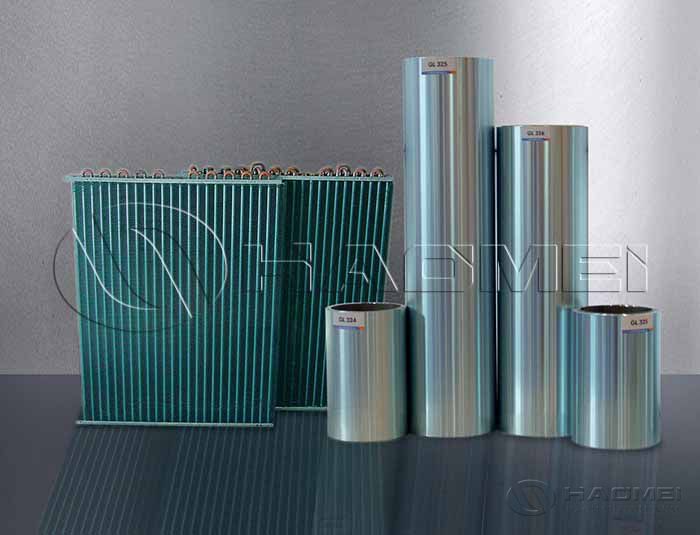 Haomei Aluminum offers you different colors of air conditioner aluminum foil like hydrophilic aluminum foil, including1100/ 3003 /8006/8011 aluminum foil,etc. Learn more.
application
Haomei Aluminum offers you different colors of air conditioner aluminum foil like hydrophilic aluminum foil, including1100/ 3003 /8006/8011 aluminum foil,etc. Learn more.
application
Latest Blog
-
Aluminium Foil for Air Conditioner
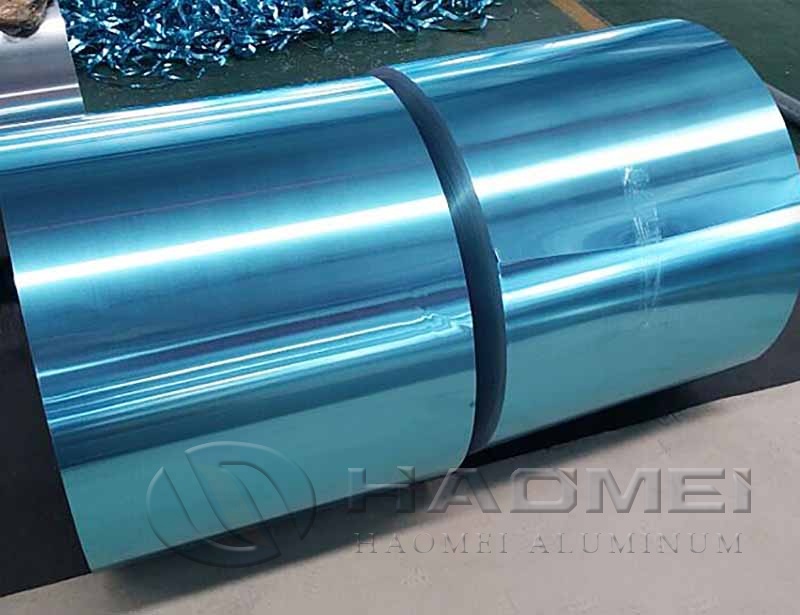 Explore aluminium foil for air conditioner questions on alloy, coating, thickness, and inspection for efficient, durable heat-exchanger fins.
Blog
Explore aluminium foil for air conditioner questions on alloy, coating, thickness, and inspection for efficient, durable heat-exchanger fins.
Blog
-
What Is Food Grade Aluminum Foil Jumbo Roll
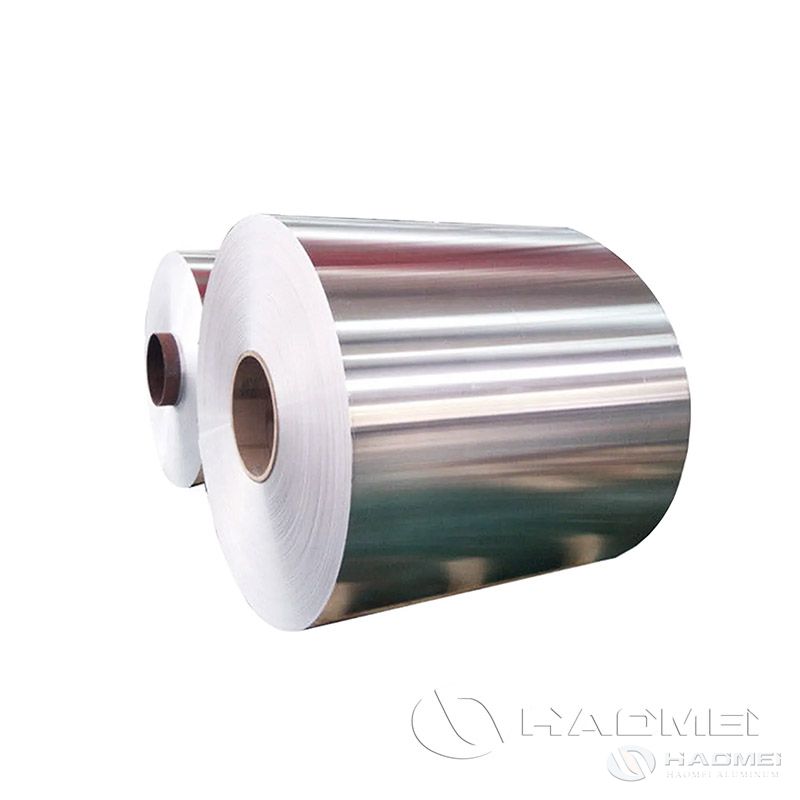 From the aluminum foil used for everyday baking and grilling to the containers used for takeout and the packaging that keeps food fresh, these ubiquitous aluminum foil products all originate from the same core raw material: the food grade aluminum foil ju
Blog
From the aluminum foil used for everyday baking and grilling to the containers used for takeout and the packaging that keeps food fresh, these ubiquitous aluminum foil products all originate from the same core raw material: the food grade aluminum foil ju
Blog
-
 Compare aluminium foil roll price quotes using alloy, gauge, yield, tolerances, certification, freight, and inspection terms to control landed cost and risk.
Blog
Compare aluminium foil roll price quotes using alloy, gauge, yield, tolerances, certification, freight, and inspection terms to control landed cost and risk.
Blog
-
Aluminium Foil Grades for Food Packaging: 8011, 3003, 1235 and 8079
 Compare 8011, 3003, 1235 & 8079 food‑grade aluminum foil alloys. Check cost‑performance, barrier performance, strength, pros‑cons & typical applications to select the right foil for your food packaging project.
Blog
Compare 8011, 3003, 1235 & 8079 food‑grade aluminum foil alloys. Check cost‑performance, barrier performance, strength, pros‑cons & typical applications to select the right foil for your food packaging project.
Blog
-
Aluminum Foil Jumbo Roll Price
 Analyze aluminum foil jumbo roll price drivers, calculated roll weight, alloy choices, quality controls, and quote terms for reliable industrial sourcing decisions.
Blog
Analyze aluminum foil jumbo roll price drivers, calculated roll weight, alloy choices, quality controls, and quote terms for reliable industrial sourcing decisions.
Blog

Haomei Aluminum CO., LTD.
Tel/Whatsapp: +86-15978414719
Email: sale@alumhm.com
Website: https://www.alumfoils.com
Xin'an Industrial Assemble Region,Luoyang,Henan Province,China
Office Add: 1103, No.14 Waihuan Road, CBD, Zhengzhou, China