Food Container Aluminum Foil
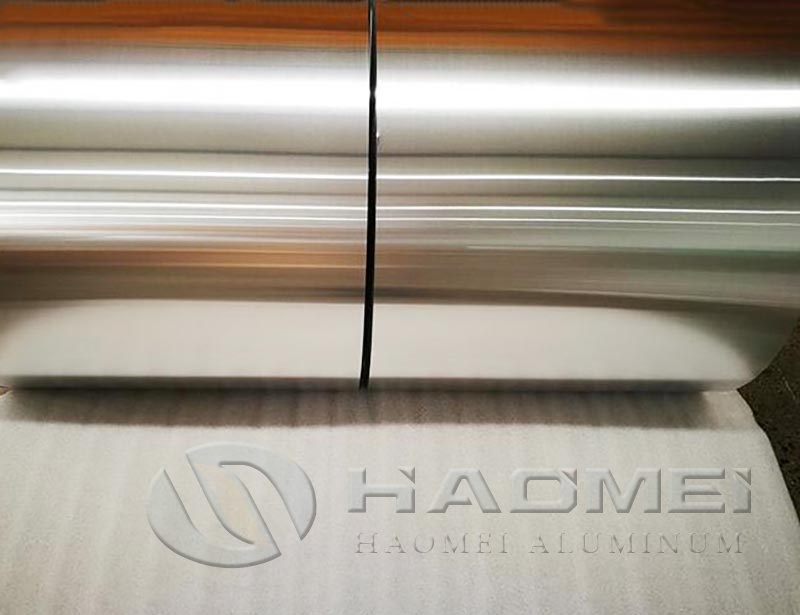
Food container aluminum foil explained: grades, temp limits, coatings, sealing, and QC checks for bulk supply of aluminum foil containers.
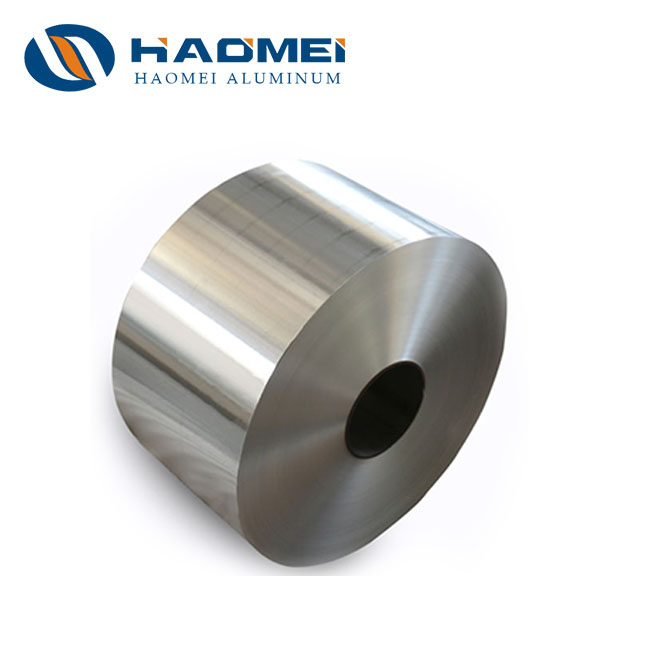
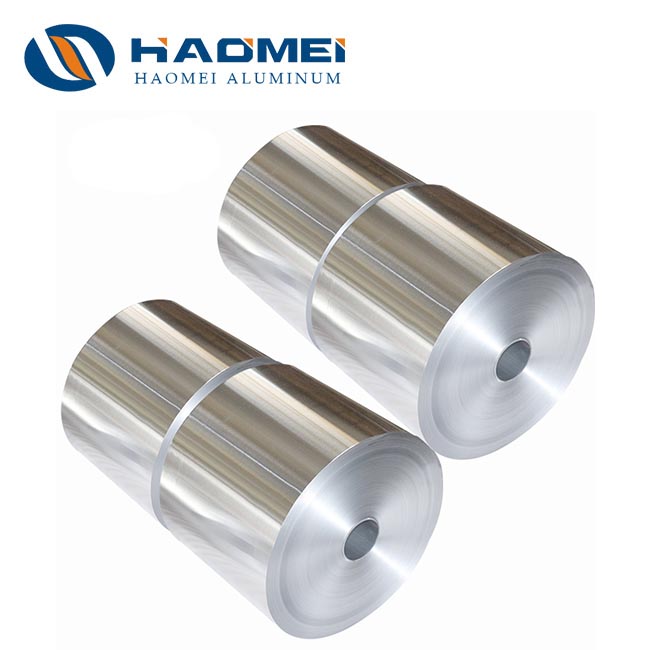
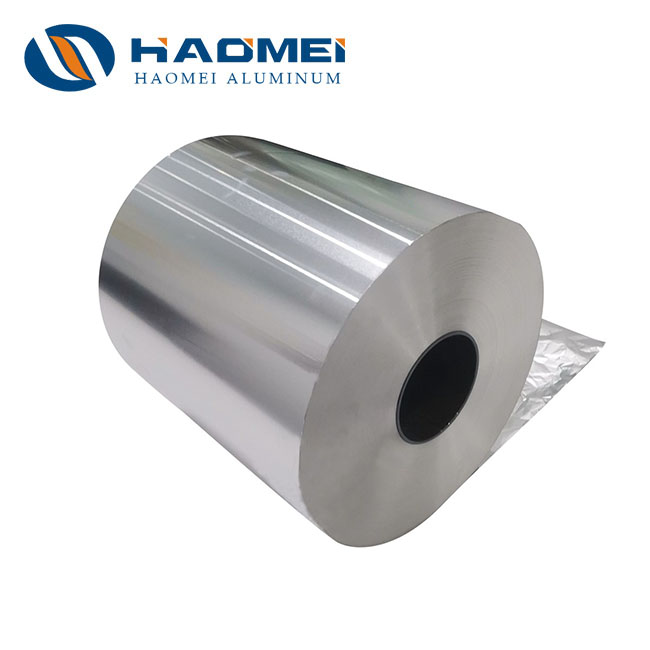
Food container aluminum foil is widely used for takeaway trays, bakery pans, lids, and ready meal packaging because it is lightweight, heat tolerant, and an effective barrier to light and oxygen. Yet many procurement teams still face avoidable confusion around safety, alloy selection, coatings, and sealing performance. This article clarifies what matters most when sourcing aluminum foil for containers at scale.

What makes aluminum foil suitable for food containers
Barrier and hygiene. Aluminum provides an excellent barrier against moisture vapor, oxygen, and light when the structure is intact. For many foods, this helps slow oxidation, aroma loss, and moisture migration during transport and short term storage.
Heat performance. Container stock is commonly used in ovens and warming applications within specified temperature ranges set by the end pack design. Foil trays are typically appropriate for conventional ovens. They are not appropriate for microwaves unless the microwave manufacturer and packaging design explicitly allow it, because arcing risks depend on geometry, clearances, and appliance settings.
Formability and strength. A tray must hold shape after forming, stacking, and filling. In practice, that depends on alloy, temper, thickness, and rib design. Too soft and it collapses. Too hard and it cracks at corners.
Food contact safety. In many markets, aluminum as a food contact material is regulated through frameworks such as FDA regulations in the US and EU food contact rules. Compliance usually relies on using suitable alloys, controlled lubricants, and, where relevant, qualified coatings or lacquers.
Common questions bulk purchasers ask, answered
Is it safe with acidic or salty foods
Aluminum can react with strong acids or high salt environments, especially with long contact times and elevated temperatures. In real packaging, this is managed by using an internal lacquer or coated structure when needed. If the use case is tomato based meals, citrus, marinades, or brined foods, specify a food grade coating system and request migration or compliance documentation appropriate to your destination market.
Can it go from freezer to oven
Many container systems are designed for freeze to oven workflows, but performance depends on tray design and coating flexibility at low temperatures. Ask for evidence of cracking resistance and coating adhesion after cold storage, plus dimensional stability during heating.
What thickness should be used
There is no universal thickness because rigidity requirements differ by tray size, wall height, and stacking needs. However, thickness impacts four high value outcomes: stiffness, pinhole resistance, forming yield, and cost. Instead of selecting by habit, define performance targets: maximum tray deflection under load, acceptable forming scrap rate, and barrier expectations.
What is the difference between container stock and household foil
Household foil focuses on wrap and general kitchen use, while container stock prioritizes deep draw formability, consistent mechanical properties, and surface quality suitable for lacquer and heat sealing. The quality control expectations are also different, especially around pinholes, oil residue, and coating compatibility.
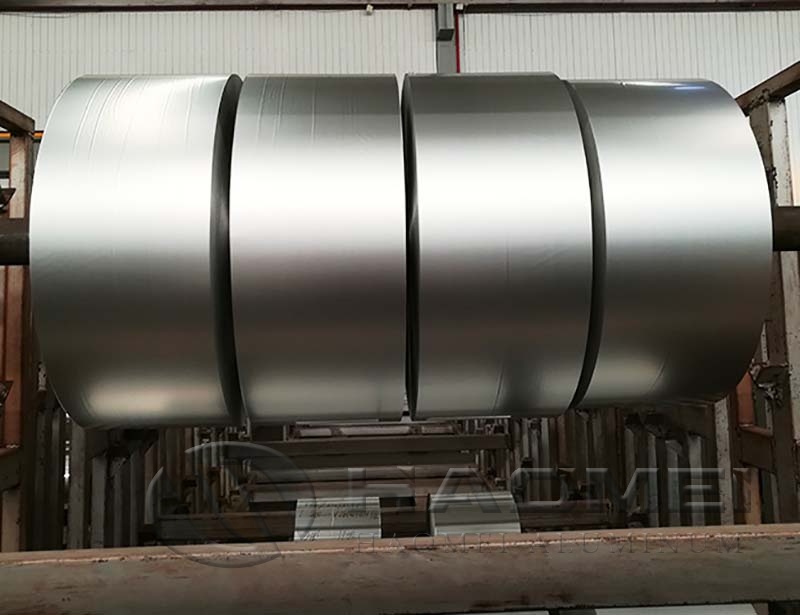
Material selection: alloy and temper considerations
For container applications, 8xxx series alloys are common because they balance strength and formability and are widely used in food packaging supply chains. When evaluating options, focus on the forming process and the end use heat exposure.
A practical way to frame selection is:
Deep draw trays. Need strong elongation and stable grain structure to avoid corner cracking.
Shallow pans and lids. May prioritize stiffness and flatness for sealing and stacking.
Lacquered interiors. Need controlled surface tension and cleanliness for coating adhesion.
If you are comparing container grade options, placing a product specific spec on the table helps align expectations early. For example, 8006 Aluminium Foil for Container is commonly positioned for formed tray applications where strength and formability must be balanced.
Typical specs to confirm on a purchase order
| Item to specify | Why it matters | What to request from the mill or converter |
|---|---|---|
| Alloy and temper | Drives formability, stiffness, and crack risk | Alloy designation, temper, mechanical property targets |
| Thickness tolerance | Affects rigidity, forming yield, and cost | Nominal thickness, tolerance, measurement method |
| Surface cleanliness | Impacts lacquer adhesion and odor | Residual oil limits, sensory requirements if applicable |
| Pinhole control | Impacts barrier and leak risk | Pinhole inspection method and acceptance criteria |
| Coating or lacquer system | Needed for acidic foods and sealing | Coating type, cure conditions, compliance declarations |
| Slitting and edge quality | Prevents web breaks and forming defects | Edge burr limits, camber, and flatness requirements |
Sealing and coating: where many failures start
Most operational problems in ready meal packaging come from mismatch between foil surface, coating, and lidding sealant. To reduce risk, align these points before production trials:
Sealing method. Heat seal lacquer, adhesive lamination, or mechanical crimping each require different surface preparation.
Seal integrity needs. Define peel strength, leak rate, and hot fill performance targets.
Thermal resistance. Coatings must survive the highest processing temperature without odor or discoloration.
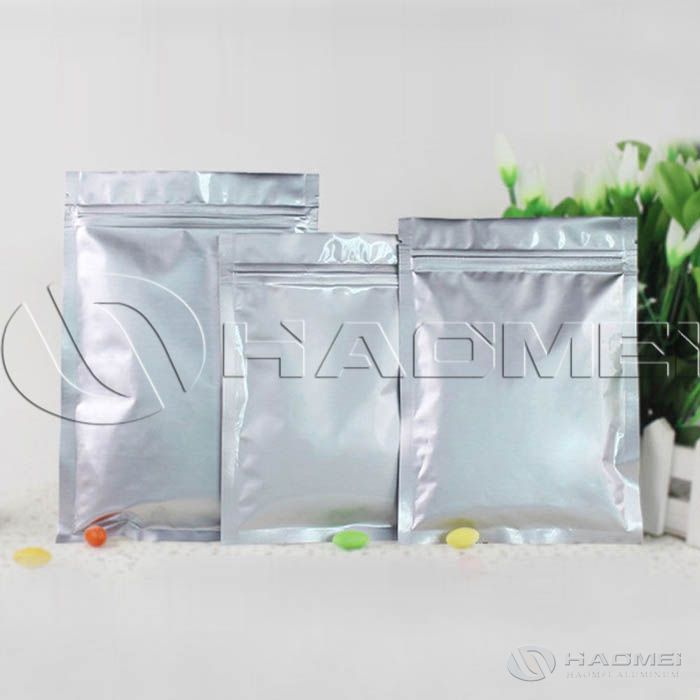
For lidding or packaging structures where sealing performance and barrier are central, 8011 Aluminum Foil Food for Packaging is frequently referenced in food packaging supply due to its broad applicability.
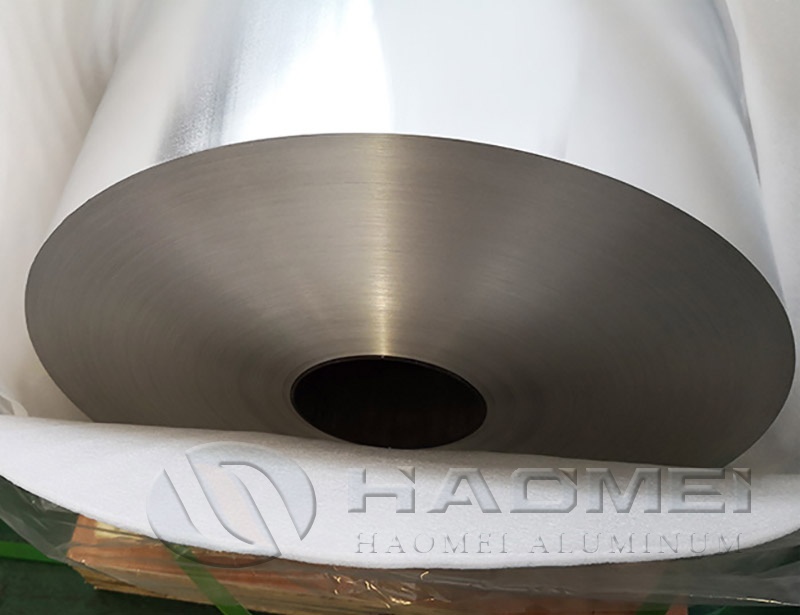
Quality control checks that protect bulk orders
Bulk orders succeed when incoming inspection matches real production risks. Consider implementing these checks at receipt or during first article approval.
| Check | Simple method | What it prevents |
|---|---|---|
| Thickness and profile | Micrometer across width, map results | Tray weakness, inconsistent forming |
| Surface oil and odor | Wipe test plus controlled sensory check | Seal failure, off odor complaints |
| Pinhole screening | Light table or pinhole detector | Barrier loss, staining, leaks |
| Coating adhesion | Cross hatch or tape test per agreed method | Flaking, corrosion spots |
| Forming trial | Run a short press trial at target speed | Corner cracks, wrinkling, scrap |
Practical sourcing tips for stable supply
Specify the end use clearly. Oven ready meal tray, bakery pan, airline tray, or lid stock all prioritize different properties.
Lock down tolerances that affect throughput. Thickness variation and edge burrs can reduce press speed and increase scrap.
Ask for compliance documentation. Depending on your destination market and food type, request the appropriate declarations for food contact, plus coating statements if lacquered.
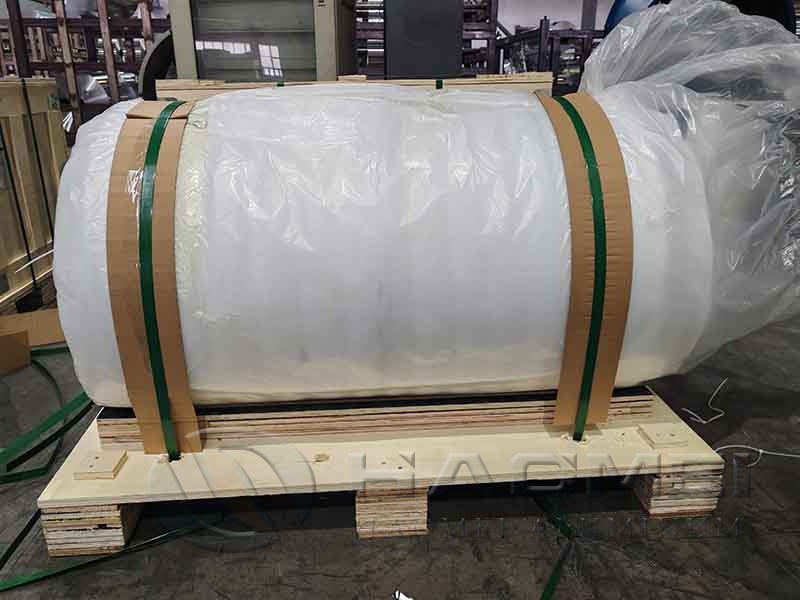
Plan for logistics realities. For large volumes, jumbo roll packaging, core size, and pallet configuration can affect handling efficiency and damage rates.
By focusing on alloy and temper selection, coating compatibility, sealing performance, and incoming inspection discipline, procurement teams can reduce forming defects and packaging complaints while keeping unit cost predictable.

- Food Container AluminumApr 09, 2026
Food container aluminum selection for trays and packaging: compare 3003, 3004, 8011, 8006, food-contact rules,...
- Blister Packaging: Aluminum foil and PVDC PVCNov 26, 2025
Opening a medicine box, the pills and capsules encased in transparent "bubbles" always give a sense of reassur...
- Ptp Aluminum FoilMay 21, 2026
PTP aluminum foil for blister packs: alloys, thickness, heat-seal lacquer, ISO/ASTM tests, defects, and sourci...
- PTP Packaging: PTP blister foil and Hard PVCJan 06, 2025
The PTP packaging consists of ptp blister foil and hard pvc. They both need to satisfy the medical requirement...
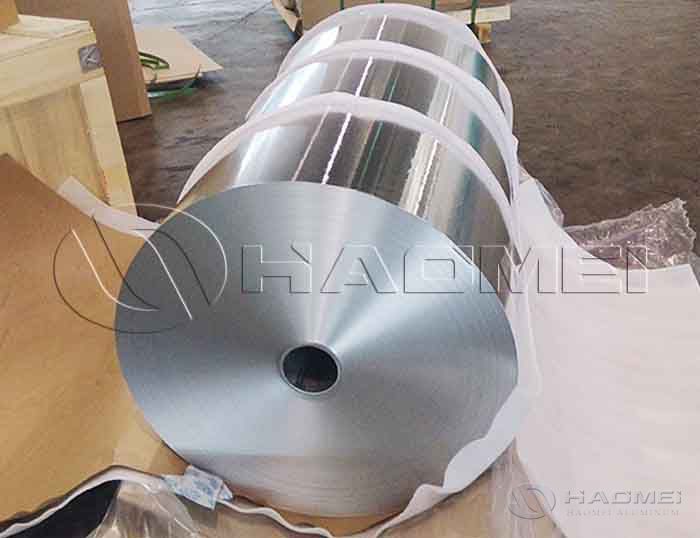
- The Developing History of Aluminium Foil FoodApr 25, 2022
Aluminium foil food has been used in packaging since 1903. In China, it has developed faster. Haomei Aluminum...
Inquiry
Products Category
Latest Application
-
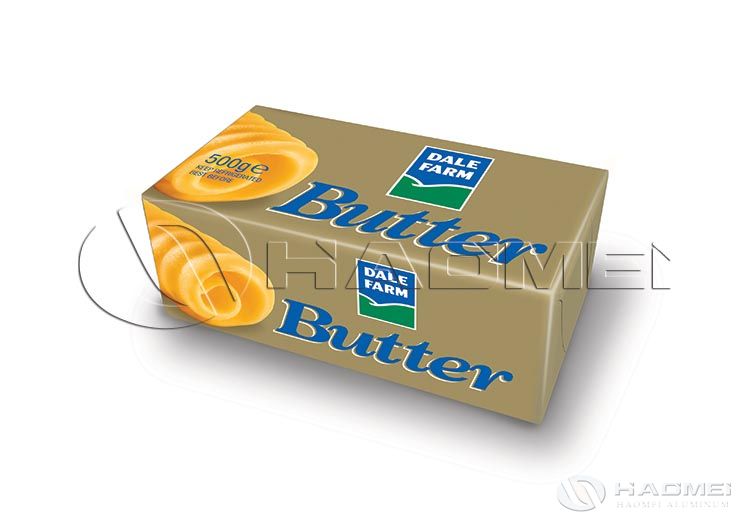 Why butter aluminum foil is neededButter aluminum foil blocks oxygen, moisture, and light, effectively preventing butter from oxidizing and spoiling, preserving nutrients, and significantly extending its shelf life. High-end products can see their sh
application
Why butter aluminum foil is neededButter aluminum foil blocks oxygen, moisture, and light, effectively preventing butter from oxidizing and spoiling, preserving nutrients, and significantly extending its shelf life. High-end products can see their sh
application
-
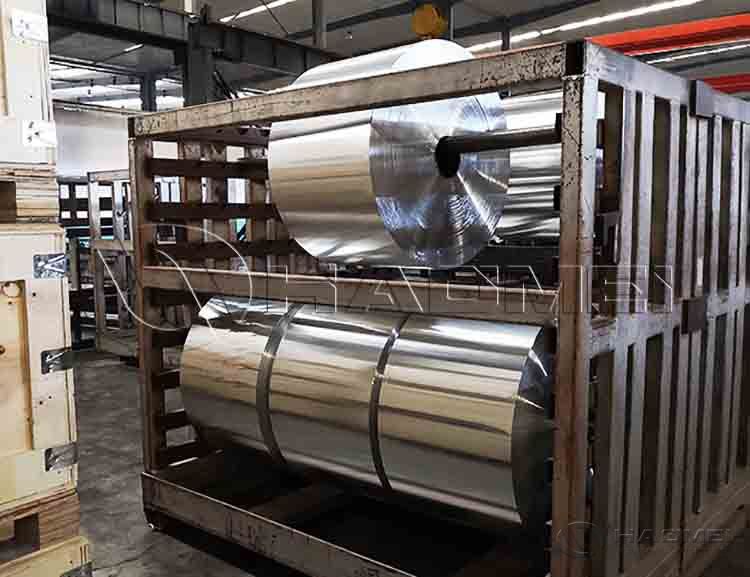 Cables are usually composed of conductors, insulation layers, shielding layers, and sheaths. Aluminum foil for cable is generally located outside the insulation layer as part of the shielding layer. It fits tightly to the surface of the insulation la
application
Cables are usually composed of conductors, insulation layers, shielding layers, and sheaths. Aluminum foil for cable is generally located outside the insulation layer as part of the shielding layer. It fits tightly to the surface of the insulation la
application
-
Aluminum Gold Foil Paper For Chocolate Wrapping
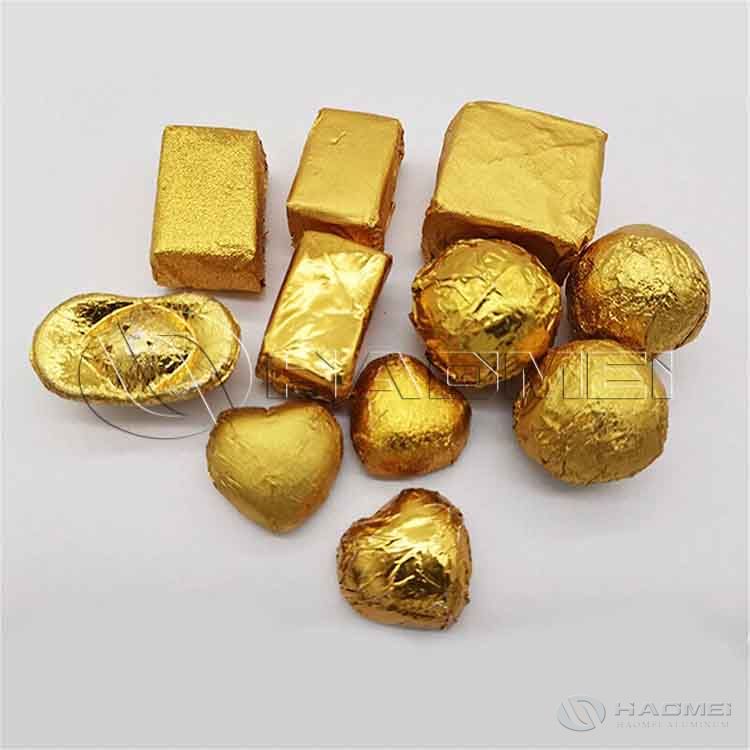 When is aluminum foil used for chocolate wrappingThe use of aluminium foil food for chocolate can be traced back to the early 20th century. In 1911, Swiss candy companies began to wrap chocolate with aluminum foil, gradually replacing the tin foil. T
application
When is aluminum foil used for chocolate wrappingThe use of aluminium foil food for chocolate can be traced back to the early 20th century. In 1911, Swiss candy companies began to wrap chocolate with aluminum foil, gradually replacing the tin foil. T
application
-
PVC Rigid Film and Aluminum Foil for Medicine Packaging
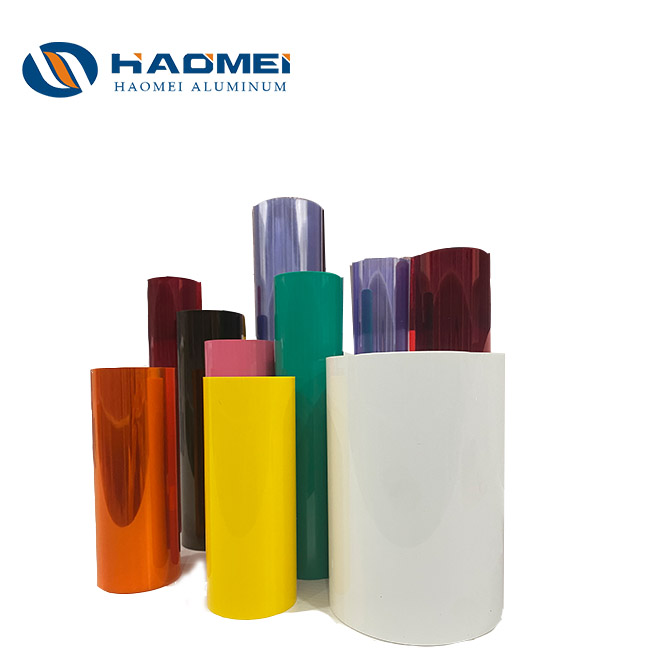 Haomei Aluminum provides different types of aluminum foil and plastic rigid films like PTP aluminum foil, cold forming foil, tropical foil, PVC rigid film, PE/PET film,etc. Best Price! Inquire now.
application
Haomei Aluminum provides different types of aluminum foil and plastic rigid films like PTP aluminum foil, cold forming foil, tropical foil, PVC rigid film, PE/PET film,etc. Best Price! Inquire now.
application
-
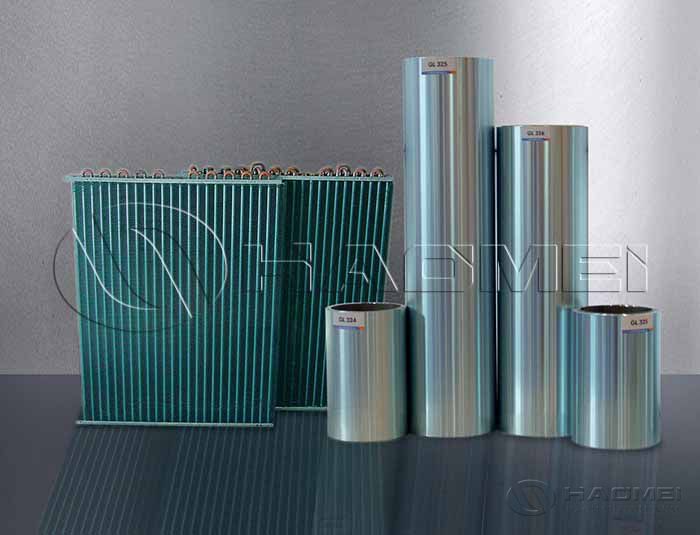 Haomei Aluminum offers you different colors of air conditioner aluminum foil like hydrophilic aluminum foil, including1100/ 3003 /8006/8011 aluminum foil,etc. Learn more.
application
Haomei Aluminum offers you different colors of air conditioner aluminum foil like hydrophilic aluminum foil, including1100/ 3003 /8006/8011 aluminum foil,etc. Learn more.
application
Latest Blog
-
 Plan year-end capacitor production with specified aluminum foil: purity, temper, surface controls, test documents, and shipment timing that reduce line risk.
Blog
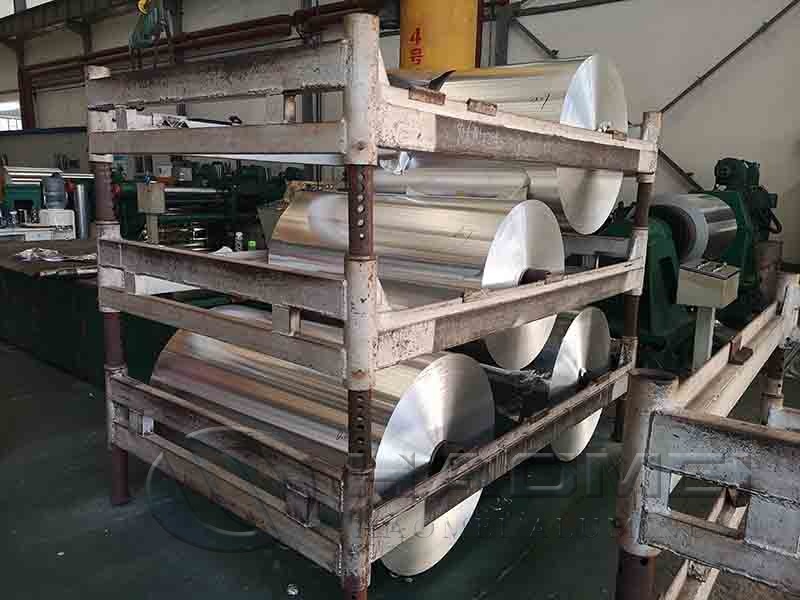
Plan year-end capacitor production with specified aluminum foil: purity, temper, surface controls, test documents, and shipment timing that reduce line risk.
Blog
-
Where To Find a Reliable Air Conditioner Fin Foil Supplier
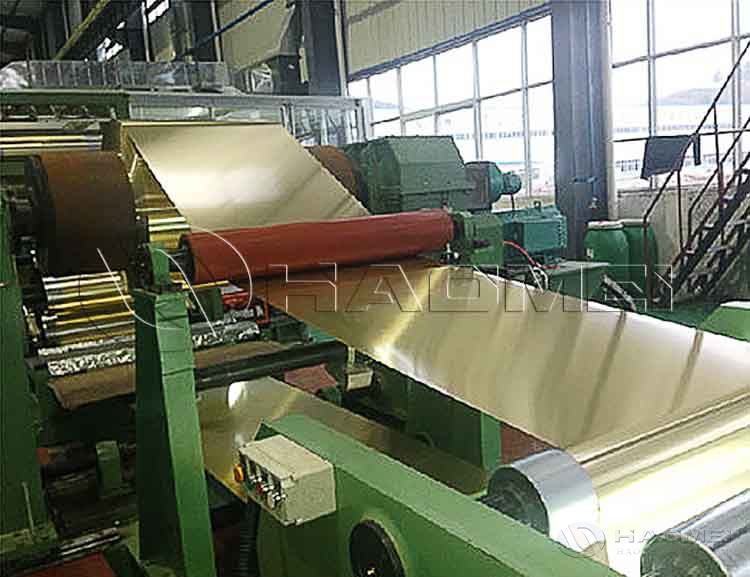 In the competitive HVAC industry, the quality of air conditioner fin stock directly determines the heat exchange efficiency, durability, and energy-saving performance of air conditioning equipment. For manufacturers, distributors, and processing enterpris
Blog
In the competitive HVAC industry, the quality of air conditioner fin stock directly determines the heat exchange efficiency, durability, and energy-saving performance of air conditioning equipment. For manufacturers, distributors, and processing enterpris
Blog
-
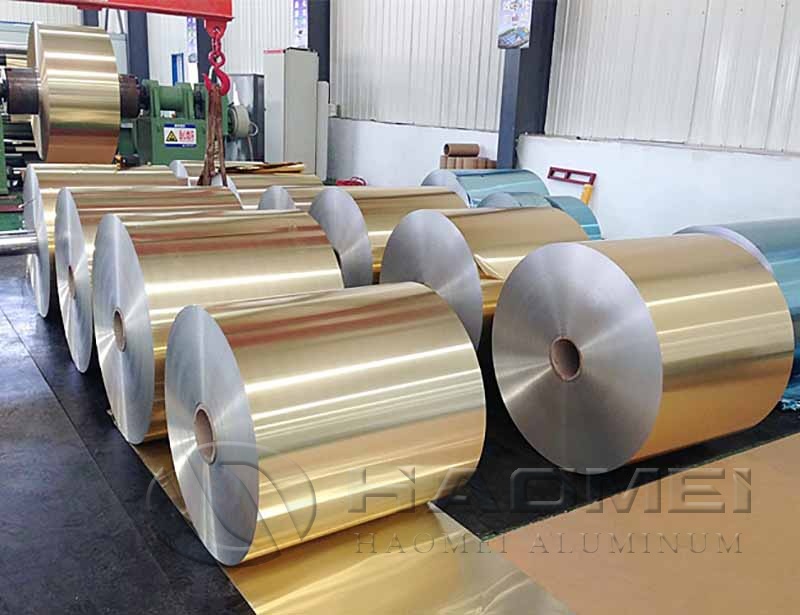 Specify aircon aluminum foil with durable hydrophilic coating: compare alloys, tests, standards, conversion costs, and receiving controls for HVAC fins.
Blog
Specify aircon aluminum foil with durable hydrophilic coating: compare alloys, tests, standards, conversion costs, and receiving controls for HVAC fins.
Blog
-
Aluminium Foil for Air Conditioner
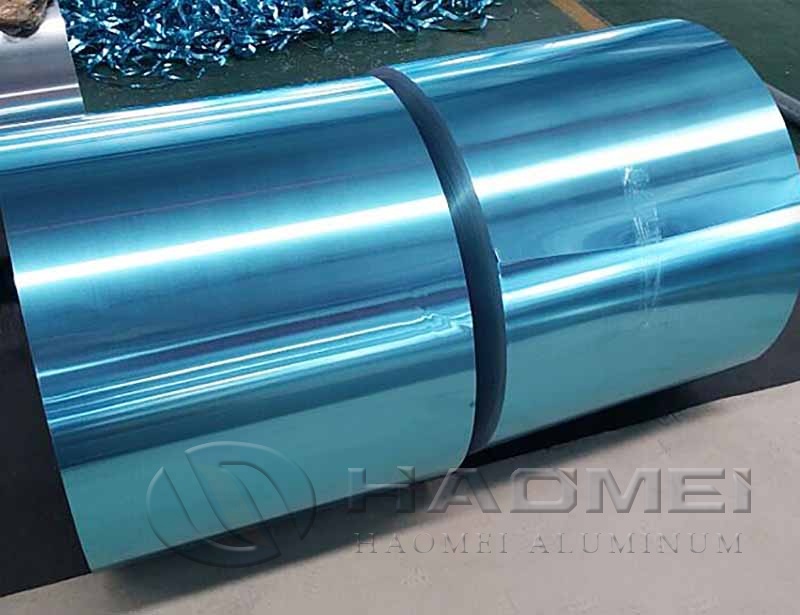 Explore aluminium foil for air conditioner questions on alloy, coating, thickness, and inspection for efficient, durable heat-exchanger fins.
Blog
Explore aluminium foil for air conditioner questions on alloy, coating, thickness, and inspection for efficient, durable heat-exchanger fins.
Blog
-
What Is Food Grade Aluminum Foil Jumbo Roll
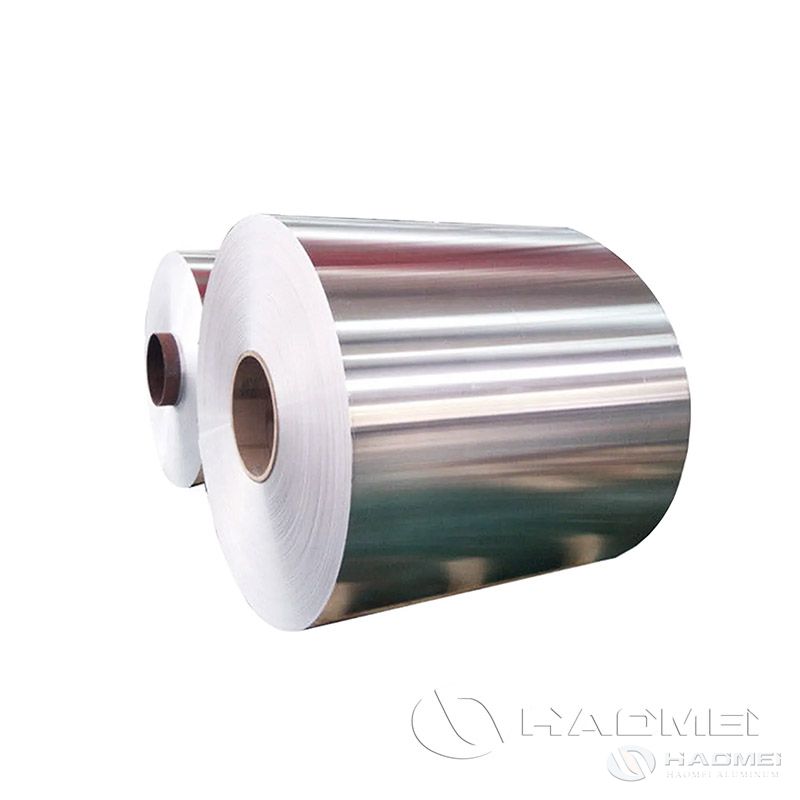 From the aluminum foil used for everyday baking and grilling to the containers used for takeout and the packaging that keeps food fresh, these ubiquitous aluminum foil products all originate from the same core raw material: the food grade aluminum foil ju
Blog
From the aluminum foil used for everyday baking and grilling to the containers used for takeout and the packaging that keeps food fresh, these ubiquitous aluminum foil products all originate from the same core raw material: the food grade aluminum foil ju
Blog

Haomei Aluminum CO., LTD.
Tel/Whatsapp: +86-15978414719
Email: sale@alumhm.com
Website: https://www.alumfoils.com
Xin'an Industrial Assemble Region,Luoyang,Henan Province,China
Office Add: 1103, No.14 Waihuan Road, CBD, Zhengzhou, China