Aluminum Foil Gauge
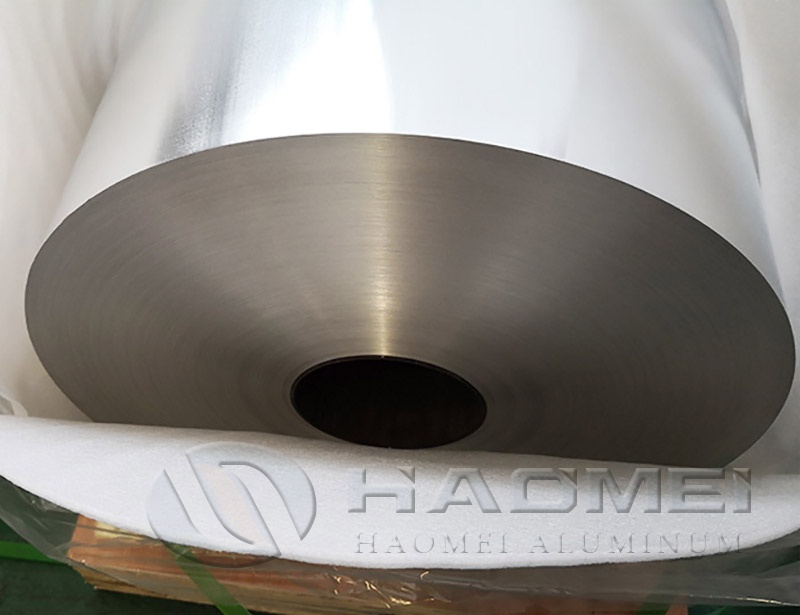
Learn how aluminum foil gauge relates to thickness, microns, strength, applications, and ordering specifications for packaging and industrial use.
Aluminum foil gauge is often used as a quick way to describe thickness, but it can cause confusion because gauge numbers are not always consistent between suppliers, industries, or regions. For purchasing and production work, microns and millimeters are usually more reliable than gauge alone.
The following questions reflect common recent English-language Q&A discussions about aluminum foil thickness, packaging performance, food containers, battery materials, and industrial conversion.

1. What does aluminum foil gauge mean, and why do suppliers also use microns?
Aluminum foil gauge refers to thickness, traditionally expressed through a numbered gauge system. In many gauge systems, a lower number indicates thicker metal and a higher number indicates thinner metal. However, the relationship is not universal. A gauge value used for aluminum may not match a value used for steel, wire, or other materials.
Microns, also written as μm, provide a direct measurement. One micron equals 0.001 mm. For example, 20 μm aluminum foil is 0.020 mm thick. This unit is easier to compare across suppliers and technical documents.
| Thickness Unit | Equivalent Value | Typical Interpretation |
|---|---|---|
| 1 micron | 0.001 mm | Very thin precision measurement |
| 10 μm | 0.010 mm | Light household or laminate material |
| 20 μm | 0.020 mm | Common flexible packaging range |
| 40 μm | 0.040 mm | Heavier packaging and conversion work |
| 100 μm | 0.100 mm | Rigid or semi-rigid formed applications |
When requesting material, specify the target thickness in microns or millimeters, then add the gauge only if it is required by a local specification. This reduces the risk of receiving a product that is technically within a different gauge standard but unsuitable for the intended process.
2. Is thicker aluminum foil always stronger?
Not always. Thickness improves puncture resistance, stiffness, and handling stability, but strength also depends on alloy, temper, surface condition, and whether the foil is laminated to paper, plastic film, or another substrate.
For example, a thin hard-temper foil can feel firmer than a thicker annealed foil. A laminated structure may resist tearing better than a single thicker aluminum layer because the other layers distribute stress. In formed food containers, alloy selection and temper strongly affect drawability and resistance to cracking around corners.
For disposable trays and food containers, materials based on 3003 or 3004 alloy are frequently considered because they combine formability with useful mechanical performance. Product specifications such as 3003 Aluminum Foil for Container and Electronics can be evaluated according to thickness tolerance, temper, width, and forming depth rather than gauge alone.
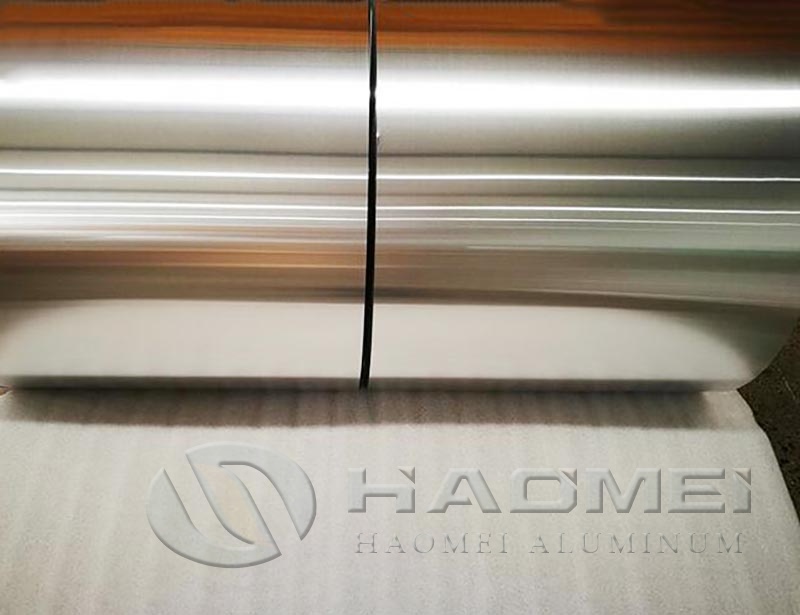
3. What aluminum foil thickness is suitable for food packaging?
The suitable thickness depends on whether the material is used for wrapping, lidding, blister packaging, retort structures, household rolls, or formed containers. There is no single food-grade thickness that fits every purpose.
Light flexible packaging often uses aluminum foil in the approximate 6 μm to 20 μm range after lamination. Household cooking foil is commonly heavier, while formed trays and containers generally need significantly greater thickness to maintain shape during pressing, stacking, filling, and transport.
A practical specification should include these details:
- Thickness target and permitted tolerance.
- Alloy and temper.
- Width, outer diameter, inner diameter, and roll weight.
- One-side bright or two-side bright surface requirement.
- Pinholes, cleanliness, wetting tension, and oil residue limits.
- Food-contact compliance for the destination market.
For food-contact packaging, 8011 alloy is widely used because it offers favorable processing behavior and good barrier performance. Where packaging performance is the priority, 8011 Aluminum Foil Food for Packaging may be specified with a thickness matched to the final laminate or container design.
4. How can I tell whether aluminum foil is too thin for my application?
The most useful test is not simply measuring thickness. Evaluate the foil under actual converting or end-use conditions. A material may meet the nominal micron value but still perform poorly if thickness variation is excessive, pinholes are present, or the temper is not suited to the process.
Common signs that the material is too thin include tearing during embossing, web breaks during high-speed converting, poor dead-fold performance, cracking during deep drawing, weak tray rims, and reduced puncture resistance after lamination. In barrier packaging, pinholes can also increase the risk of moisture or oxygen transmission through the finished structure.
Ask for a thickness tolerance, not only an average thickness. For example, a 20 μm target with tightly controlled variation can be more dependable than material that averages 20 μm but fluctuates widely across the width or along the roll.
5. Does aluminum foil gauge matter for battery and electronics applications?
Yes. In battery and electronics production, thickness affects conductivity, coating weight, winding behavior, heat transfer, dimensional stability, and component fit. These applications typically require tighter thickness control than general-purpose packaging.
For lithium-ion battery cathode current collectors, aluminum foil is often very thin and must maintain a clean surface suitable for coating adhesion. A small change in thickness can influence active-material loading, energy density calculations, and winding tension. Surface quality is equally important because scratches, oil residue, or uneven oxide layers can affect downstream coating performance.
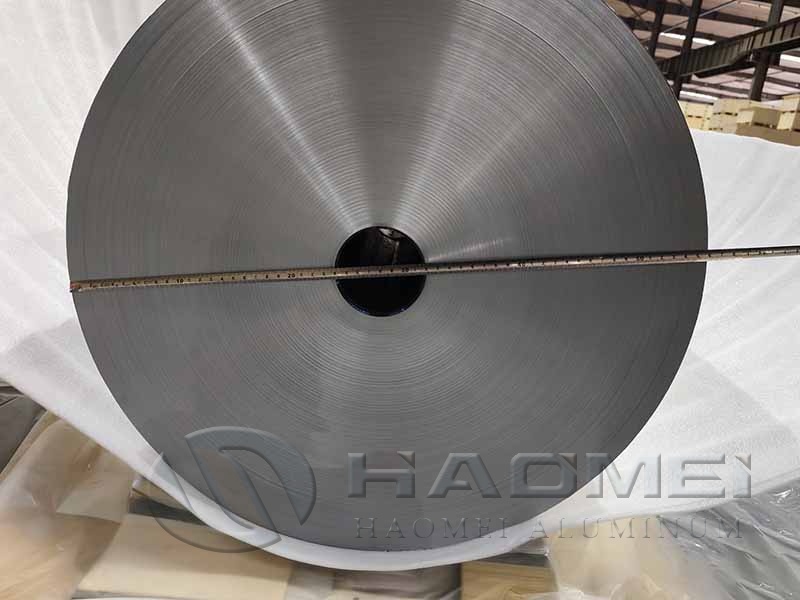
When discussing gauge for technical uses, provide the nominal thickness in microns, tolerance range, alloy, temper, surface treatment, tensile properties, elongation, and coil dimensions. A complete request might state: "15 μm aluminum foil, specified tolerance, hard temper, clean surface for electrode coating." This wording is clearer than asking for a particular gauge number without a conversion standard.
For any application, the most dependable approach is to treat aluminum foil gauge as a reference term and use micron-based specifications for the final purchase order, inspection plan, and production approval.



- 8011 Aluminum Foil for Bottle SealOct 27, 2022
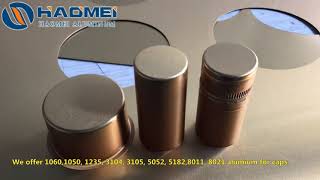
The aluminum foil for bottle includes 1100, 8011, 3003, 3105, 5052,etc. The more popular one is 8011. What are...
- Aluminum Foil for Transformer WindingJul 29, 2026
Specify aluminum foil for transformer winding using conductivity, temper, tolerances, insulation compatibility...
- Gold Aluminum Foil for Bottle CapAug 02, 2023
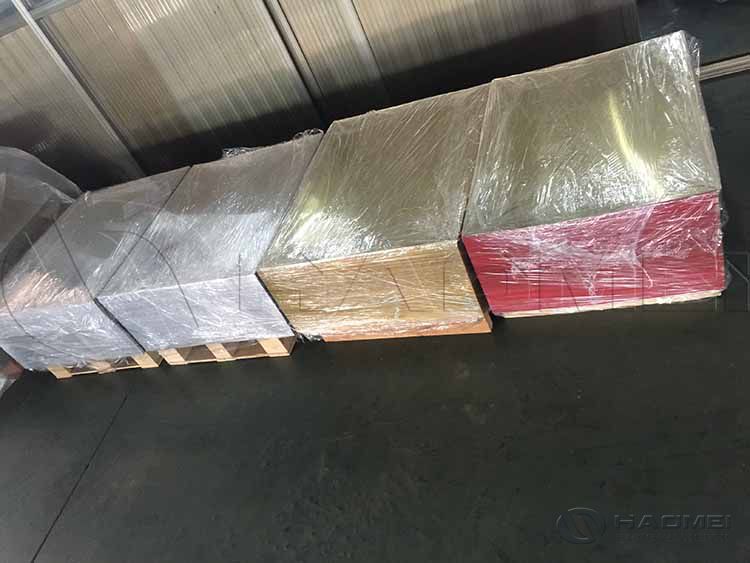
Aluminum foil for bottle cap includes 1060, 3105 and 8011. Gold aluminum foil roll is a common choice. What ar...
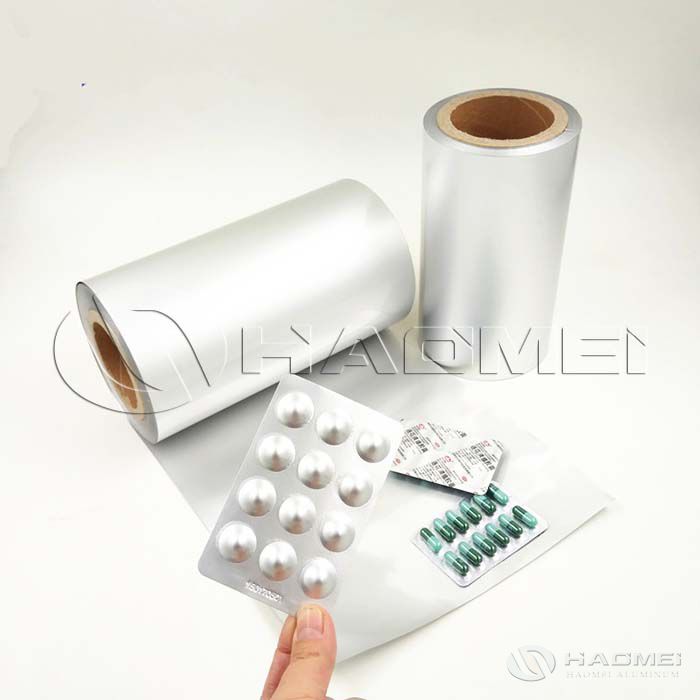
- Aluminium Foil For Blister PackagingJun 01, 2022
How to test the quality of aluminium foil for blister packaging? There are three indicators of aluminum bliste...
- Aluminium Foil Roll PriceSep 02, 2026
Compare aluminium foil roll price quotes using alloy, gauge, yield, tolerances, certification, freight, and in...
Inquiry
Products Category
Latest Application
-
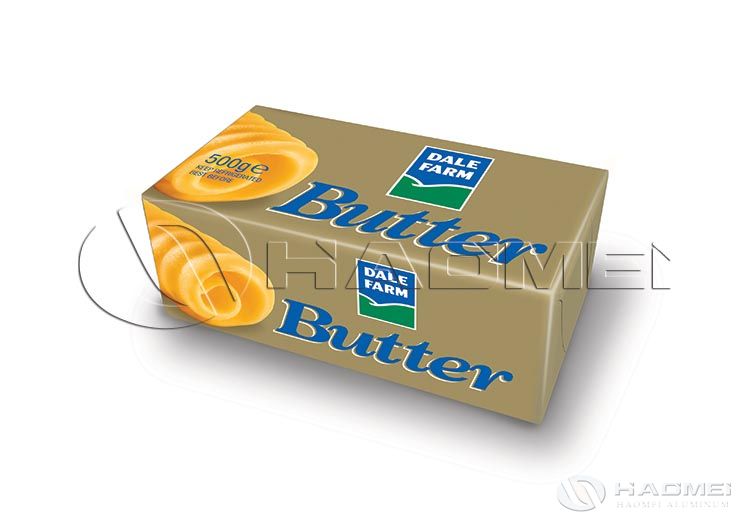 Why butter aluminum foil is neededButter aluminum foil blocks oxygen, moisture, and light, effectively preventing butter from oxidizing and spoiling, preserving nutrients, and significantly extending its shelf life. High-end products can see their sh
application
Why butter aluminum foil is neededButter aluminum foil blocks oxygen, moisture, and light, effectively preventing butter from oxidizing and spoiling, preserving nutrients, and significantly extending its shelf life. High-end products can see their sh
application
-
 Cables are usually composed of conductors, insulation layers, shielding layers, and sheaths. Aluminum foil for cable is generally located outside the insulation layer as part of the shielding layer. It fits tightly to the surface of the insulation la
application
Cables are usually composed of conductors, insulation layers, shielding layers, and sheaths. Aluminum foil for cable is generally located outside the insulation layer as part of the shielding layer. It fits tightly to the surface of the insulation la
application
-
Aluminum Gold Foil Paper For Chocolate Wrapping
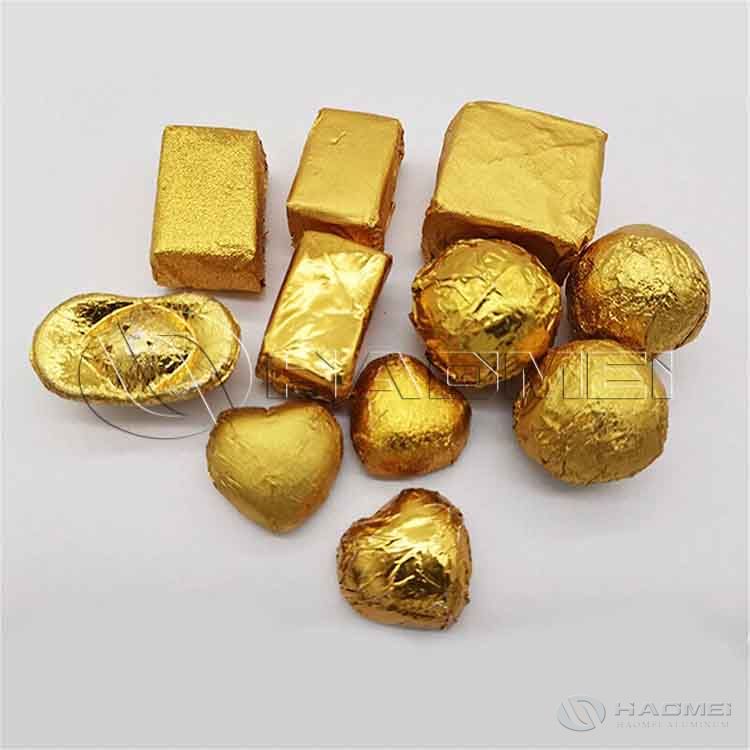 When is aluminum foil used for chocolate wrappingThe use of aluminium foil food for chocolate can be traced back to the early 20th century. In 1911, Swiss candy companies began to wrap chocolate with aluminum foil, gradually replacing the tin foil. T
application
When is aluminum foil used for chocolate wrappingThe use of aluminium foil food for chocolate can be traced back to the early 20th century. In 1911, Swiss candy companies began to wrap chocolate with aluminum foil, gradually replacing the tin foil. T
application
-
PVC Rigid Film and Aluminum Foil for Medicine Packaging
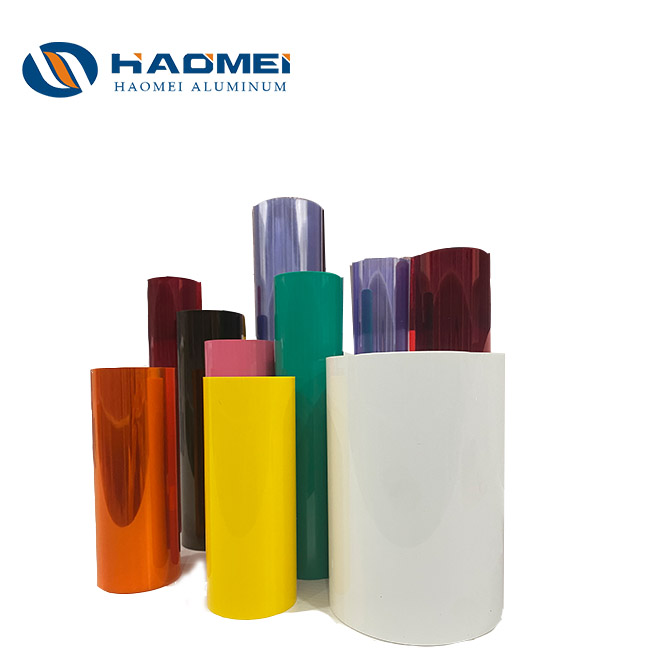 Haomei Aluminum provides different types of aluminum foil and plastic rigid films like PTP aluminum foil, cold forming foil, tropical foil, PVC rigid film, PE/PET film,etc. Best Price! Inquire now.
application
Haomei Aluminum provides different types of aluminum foil and plastic rigid films like PTP aluminum foil, cold forming foil, tropical foil, PVC rigid film, PE/PET film,etc. Best Price! Inquire now.
application
-
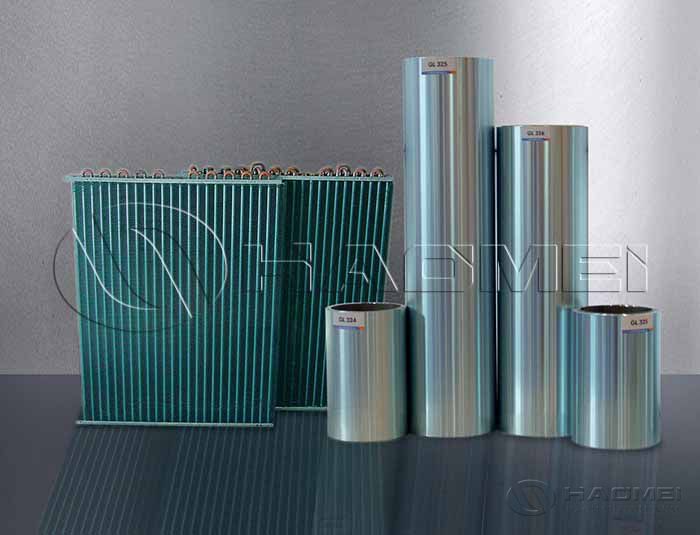 Haomei Aluminum offers you different colors of air conditioner aluminum foil like hydrophilic aluminum foil, including1100/ 3003 /8006/8011 aluminum foil,etc. Learn more.
application
Haomei Aluminum offers you different colors of air conditioner aluminum foil like hydrophilic aluminum foil, including1100/ 3003 /8006/8011 aluminum foil,etc. Learn more.
application
Latest Blog
-
Where To Find a Reliable Air Conditioner Fin Foil Supplier
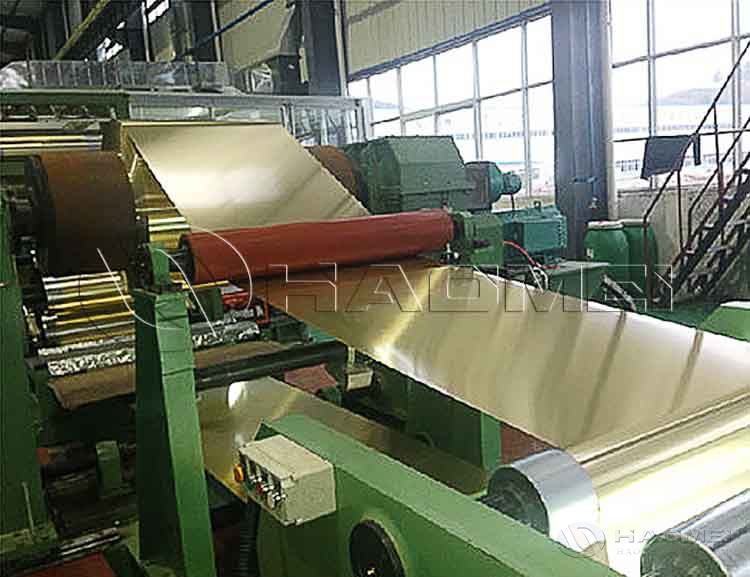 In the competitive HVAC industry, the quality of air conditioner fin stock directly determines the heat exchange efficiency, durability, and energy-saving performance of air conditioning equipment. For manufacturers, distributors, and processing enterpris
Blog
In the competitive HVAC industry, the quality of air conditioner fin stock directly determines the heat exchange efficiency, durability, and energy-saving performance of air conditioning equipment. For manufacturers, distributors, and processing enterpris
Blog
-
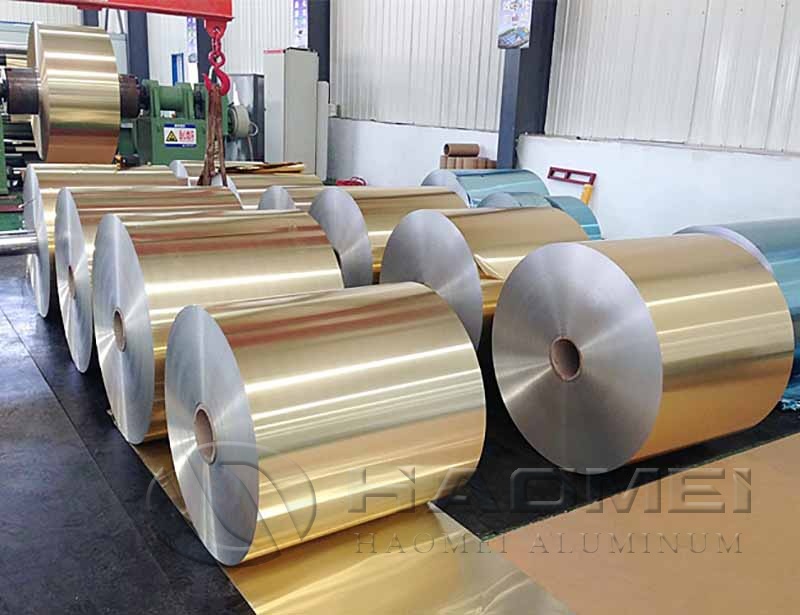 Specify aircon aluminum foil with durable hydrophilic coating: compare alloys, tests, standards, conversion costs, and receiving controls for HVAC fins.
Blog
Specify aircon aluminum foil with durable hydrophilic coating: compare alloys, tests, standards, conversion costs, and receiving controls for HVAC fins.
Blog
-
Aluminium Foil for Air Conditioner
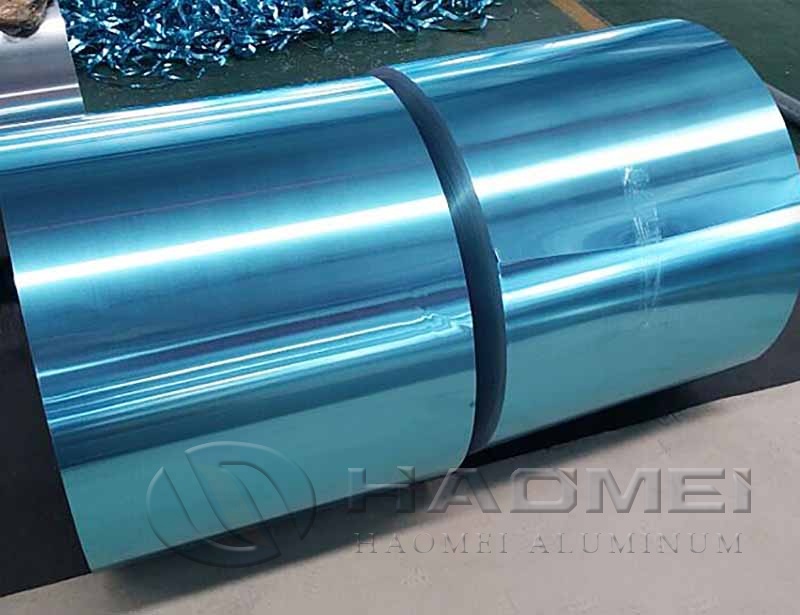 Explore aluminium foil for air conditioner questions on alloy, coating, thickness, and inspection for efficient, durable heat-exchanger fins.
Blog
Explore aluminium foil for air conditioner questions on alloy, coating, thickness, and inspection for efficient, durable heat-exchanger fins.
Blog
-
What Is Food Grade Aluminum Foil Jumbo Roll
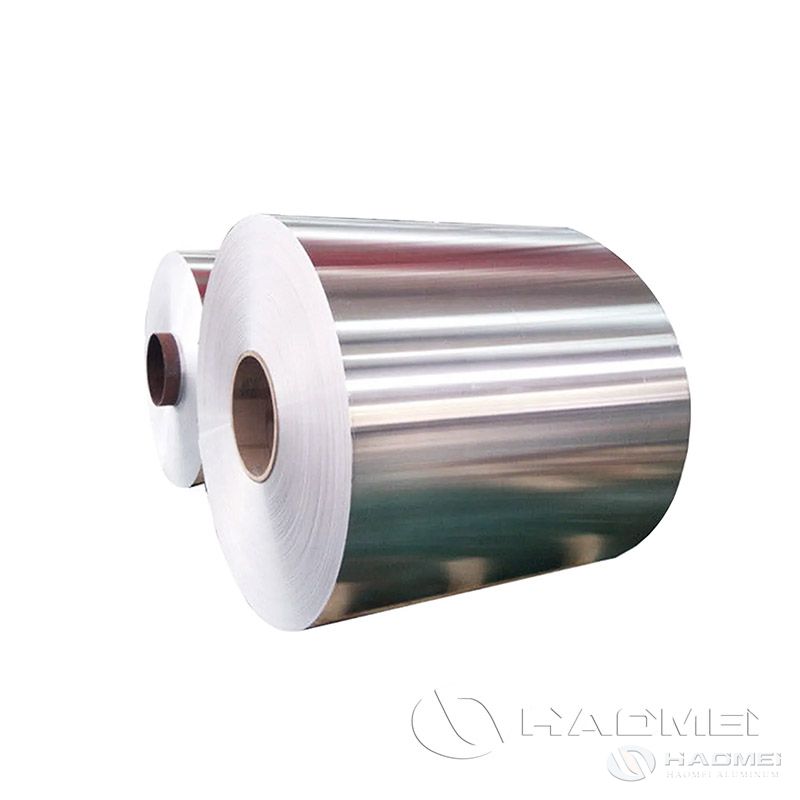 From the aluminum foil used for everyday baking and grilling to the containers used for takeout and the packaging that keeps food fresh, these ubiquitous aluminum foil products all originate from the same core raw material: the food grade aluminum foil ju
Blog
From the aluminum foil used for everyday baking and grilling to the containers used for takeout and the packaging that keeps food fresh, these ubiquitous aluminum foil products all originate from the same core raw material: the food grade aluminum foil ju
Blog
-
Compare aluminium foil roll price quotes using alloy, gauge, yield, tolerances, certification, freight, and inspection terms to control landed cost and risk.
Blog

Haomei Aluminum CO., LTD.
Tel/Whatsapp: +86-15978414719
Email: sale@alumhm.com
Website: https://www.alumfoils.com
Xin'an Industrial Assemble Region,Luoyang,Henan Province,China
Office Add: 1103, No.14 Waihuan Road, CBD, Zhengzhou, China