Household Aluminum Foil vs Foodservice Jumbo Roll
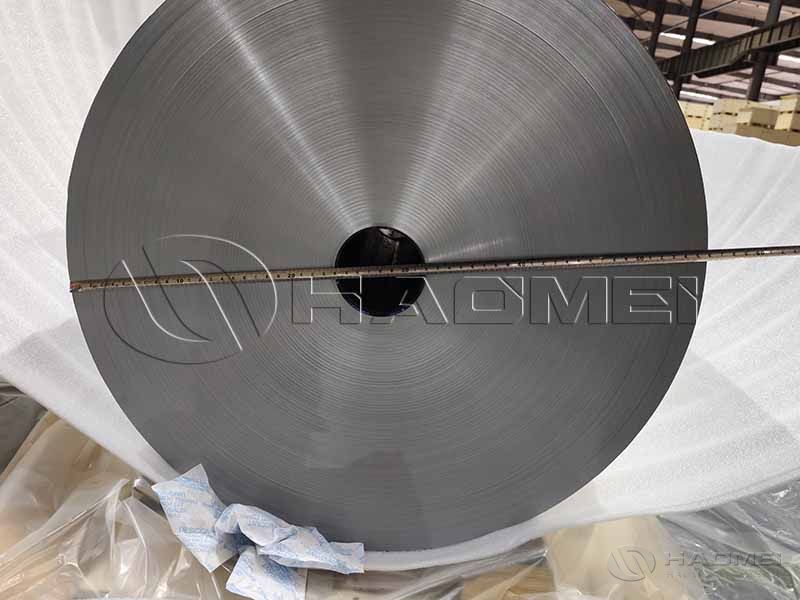
Wondering the differences between household and commercial large-roll aluminum foil? Explore key distinctions in alloy composition, hardness, tensile strength, specifications, packaging and cost per meter to choose the right foil for home baking or profes
Aluminum foil is an indispensable tool in the kitchen, useful for everything from baking and roasting to preserving ingredients and heat-insulating wraps. Large rolls of aluminum foil are also commonly used in the food service industry; how do they differ from household versions?

I. Alloy Composition
Alloy composition is the key factor determining aluminum foil's performance; the formulations for household foil and large-roll commercial foil are tailored to distinct needs, resulting in significant differences.
Household Alu Wrap aluminum foil: Primarily uses the 8011 alloy, with some standard versions utilizing the 1060 or 1100 pure aluminum series. These feature high overall aluminum purity and controlled impurity levels. The formulation prioritizes softness, safety, and ease of shaping without the addition of strengthening metals. It fully meets basic household needs—such as short-term baking, wrapping, and refrigeration—while complying with food safety standards, making it ideal for low-intensity, short-duration home use.
Commercial Aluminum Foil Jumbo Roll: Often utilizes strengthened alloys like 1235 and 3003, with high-end commercial versions incorporating the 8079 alloy. These alloys include precise additions of trace elements like manganese and iron, significantly enhancing structural stability and durability without compromising food-grade safety. Their heat and corrosion resistance far exceed that of household versions, allowing them to withstand the rigorous demands of commercial kitchens—such as frequent, prolonged high-temperature roasting, wrapping ingredients with high oil or salt content, and repeated handling or stretching.
II. Hardness and Temper State
The temper state directly determines the foil's hardness, toughness, and tear resistance, playing a crucial role in the difference in user experience between the two types.
Household Aluminum Foil: Features a fully soft temper (O-temper), resulting in very low hardness and high ductility. It is designed for easy manual folding, wrapping, and fitting around baking trays; it shapes effortlessly and requires no special skill to use. However, the downsides are obvious: it has poor toughness and is prone to damage. It tears or breaks easily when exposed to sharp edges (such as bones) or the expansion and tension associated with high-temperature baking, making it unsuitable for heavy-duty use.
Commercial Large-Roll Aluminum Foil: Primarily features a semi-hard temper (H14/H18), offering significantly higher hardness while balancing toughness with structural rigidity. It does not deform or wrinkle easily under slight tension; it conforms better when wrapping large items like whole chickens or large cuts of meat without collapsing. It offers significantly enhanced puncture and tear resistance against sharp edges—such as baking tray rims or hard bones. Furthermore, it avoids the issues of excessive rigidity or brittleness, making it perfectly suited for the high-volume, high-intensity demands of professional kitchens.
III. Tensile Strength
Tensile strength represents the limit of the aluminum foil's resistance to stretching and tearing; it is a key metric distinguishing household foil from commercial-grade foil, with clear, measurable differences.
Household Aluminum Foil: Tensile strength typically ranges from 60 to 90 MPa, with a thickness of only 10–18 μm. It is suitable only for basic tasks like gentle wrapping or short-duration, low-temperature heating. Uneven force, rough handling, or prolonged high-temperature roasting can easily cause cracking or tearing, resulting in a short lifespan and high waste rates per use.
Foodservice/Catering Aluminum Foil (Large Rolls): Tensile strength reaches 90–135 MPa, with thickness generally increased to 20–25 μm or more. Its high-strength material allows it to withstand the rigorous conditions of a professional kitchen—including frequent handling, continuous high-temperature roasting, and the weight of heavy loads—without deforming, tearing, or leaking juices. It offers higher reusability and perfectly matches the fast-paced, high-intensity workflow of commercial kitchens.
IV. Roll Specifications
Specifications regarding roll diameter, length, and width are precisely tailored to the usage patterns of households versus the foodservice industry.
Household Aluminum Foil: Comes in small rolls with a compact diameter and a length of only 5–20 meters; standard width is around 30 cm. It fits home baking trays and is ideal for handling smaller portions of food. Its compact size and light weight save kitchen space and make it easy to handle, perfectly meeting the needs of average households for low-frequency, small-scale use.
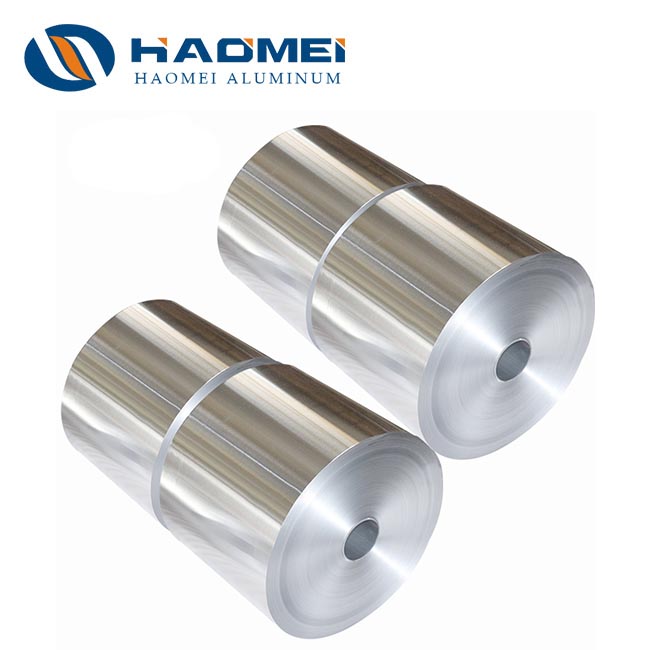
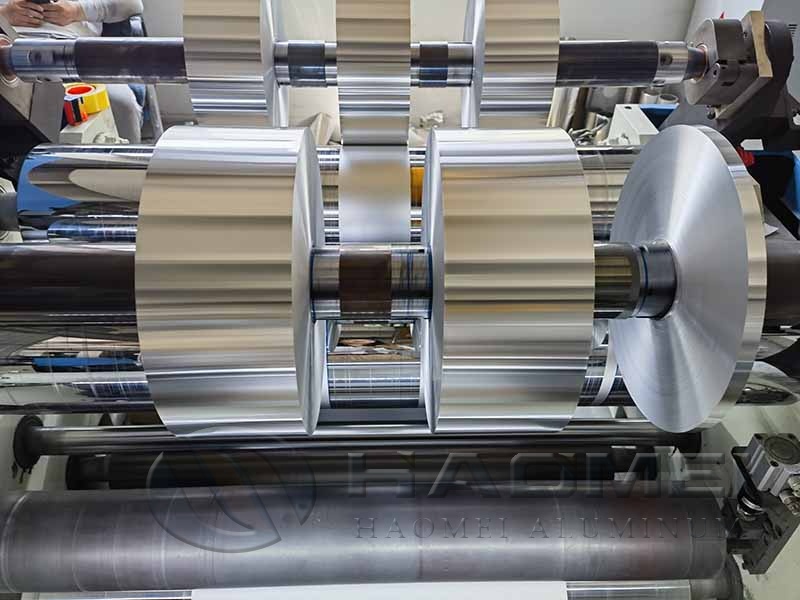
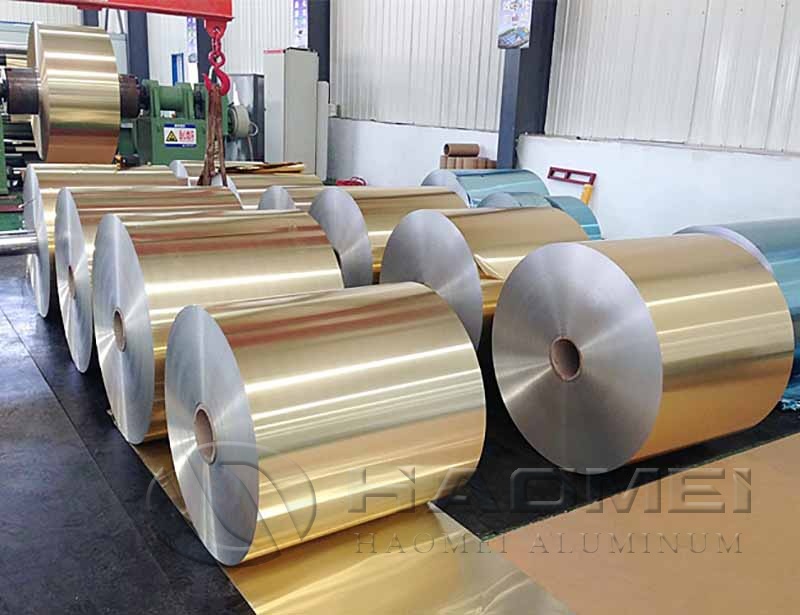
Foodservice/Catering Aluminum Foil (Large Rolls): Features an extra-large roll diameter, with lengths ranging from 100 to 300 meters (or even longer for industrial-grade commercial rolls). Widths can be customized to specifications such as 30 cm, 45 cm, or 60 cm, making them suitable for large baking trays, bulk food packaging, and wrapping large quantities of pre-prepared meals. With large roll diameters and ample capacity, these rolls eliminate the need for frequent replacements, significantly boosting back-of-house efficiency and meeting the high-frequency, high-volume demands of foodservice establishments.
V. Packaging Format
Packaging designs are tailored to specific usage scenarios and logistics requirements, resulting in distinct approaches for the two types of aluminum foil.
Household Aluminum Foil: Features premium retail-style cardboard boxes equipped with built-in serrated cutters and paper cores; the design is aesthetically pleasing and offers excellent protection. Individually packaged rolls provide superior moisture and dust resistance, making them ideal for home storage and supermarket retail. They are ready to use right out of the box without extra accessories, balancing practicality with visual appeal.
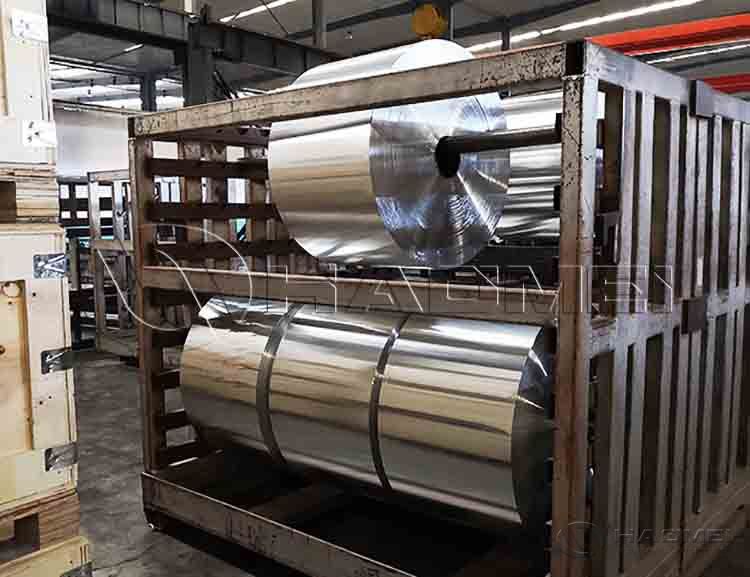
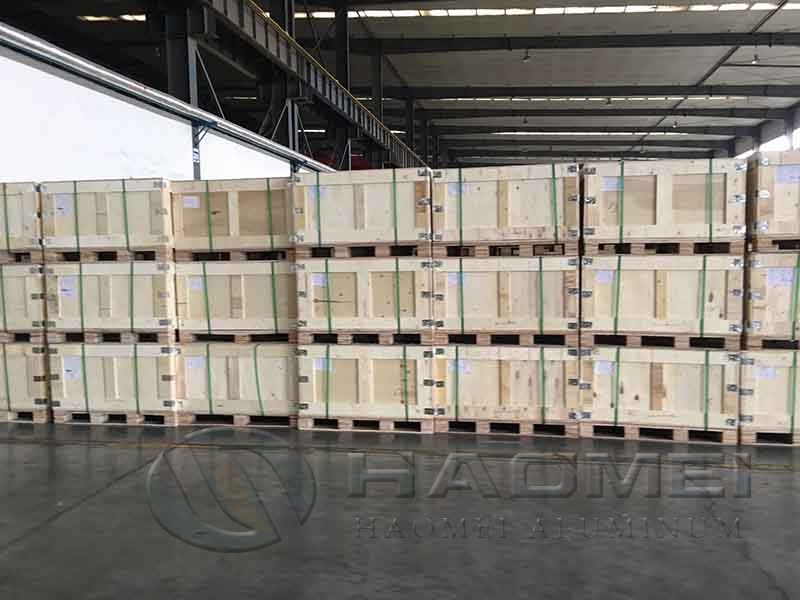
Foodservice Large-Roll Aluminum Foil: Typically features simple industrial packaging—thickened moisture-proof stretch wrap and bulk carton packing. Free from superfluous decoration, the design prioritizes compression resistance during transport and moisture protection during bulk storage. High-strength, thickened paper cores provide robust support, preventing deformation during prolonged use. These rolls are suited for bulk purchasing, stacked storage, and frequent access in commercial kitchens, offering superior cost-effectiveness through a streamlined, no-frills design.
VI. Cost Per Meter
Cost is a primary reason why the foodservice industry avoids household aluminum foil; the cost-efficiency derived from large-scale specifications is significant.
Household Aluminum Foil: While the price per roll is low, retail and packaging markups drive up the cost per meter. Factors such as limited capacity, higher waste rates, premium packaging, branding costs, and logistics overhead result in a per-meter price far exceeding that of commercial versions. It is highly uneconomical for long-term or high-frequency use, making it suitable only for occasional household application.
Foodservice Large-Roll Aluminum Foil: Free from unnecessary packaging markups, these products leverage large-format, high-volume production and sales models to maximize raw material utilization and minimize waste. The calculated aluminium foil price per meter is far lower than that of household versions, offering exceptional overall value. They perfectly meet the needs of restaurants requiring high-frequency, high-volume consumption, effectively reducing operational costs for kitchen consumables.
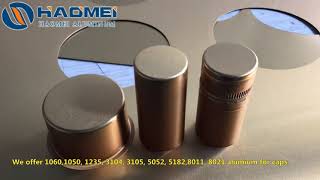


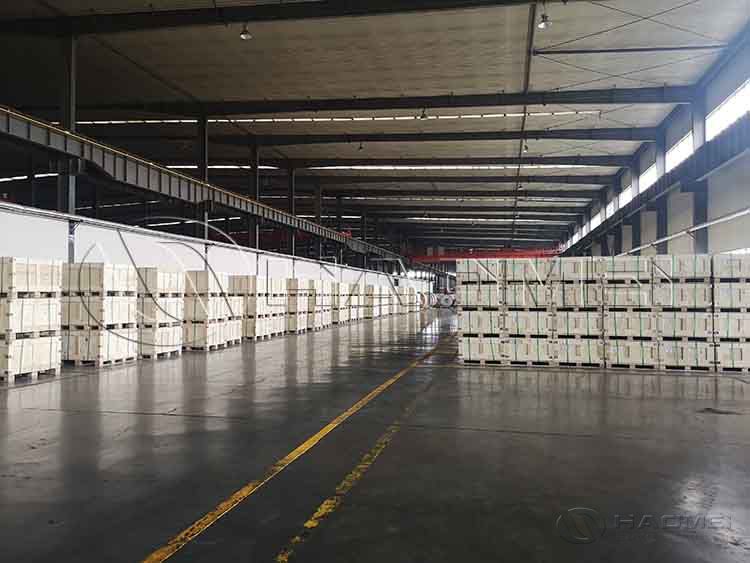
- Can You Put Aluminum Foil in The Toaster OvenJul 30, 2024
Aluminum foil can be put in the toaster oven. It is not recommended to use in microwave and air fryer. What ar...
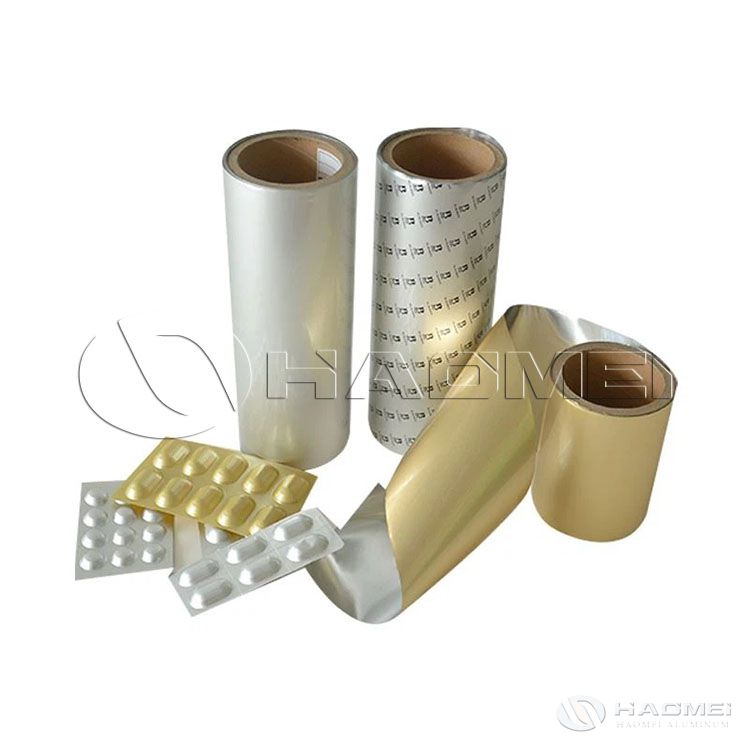
- What Are The Common Types of Aluminum Foil for Medicine PackagingDec 09, 2024
The alloys of medical aluminum foils are 8011, 8021 and 8079 foil. They are usedas the PTP aluminum foil,alumi...
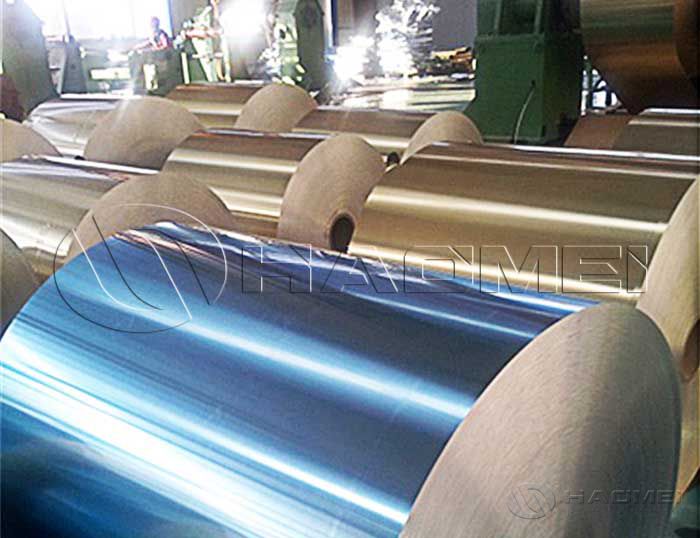
- Coated Aluminum Foil for AirconAug 04, 2022
The aluminum foil for aircon has two types:plain aluminum foil and coated aluminum foil. One of the main coat...
- 1235 Aluminum FoilFeb 24, 2026
Hot FAQs on 1235 aluminum foil: composition, common uses, thickness, pricing factors, and QC tests for packagi...
- What Is Specification of Aluminum Seal for BottlesAug 12, 2025
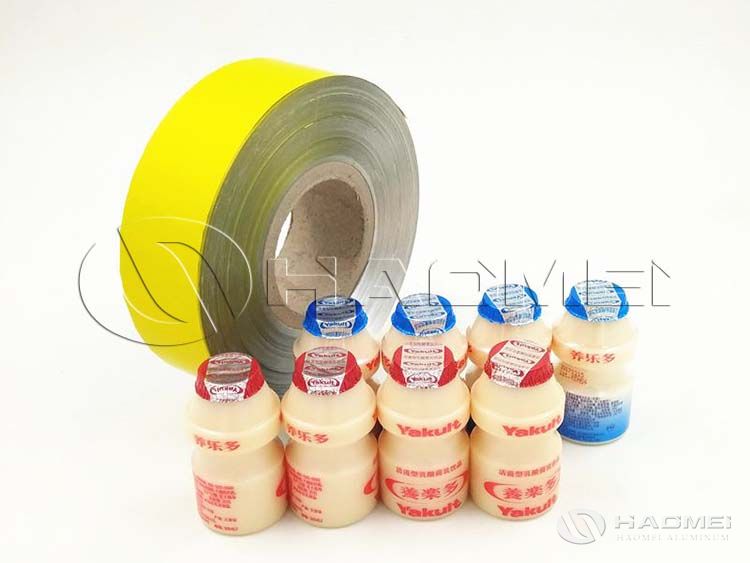
In the packaging industry, bottle sealing foil plays a crucial role, ensuring the quality of the product insid...
Inquiry
Products Category
Latest Application
-
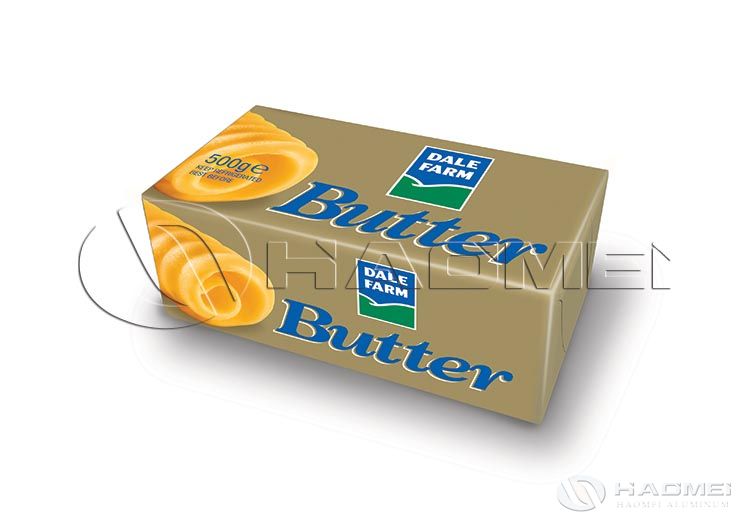 Why butter aluminum foil is neededButter aluminum foil blocks oxygen, moisture, and light, effectively preventing butter from oxidizing and spoiling, preserving nutrients, and significantly extending its shelf life. High-end products can see their sh
application
Why butter aluminum foil is neededButter aluminum foil blocks oxygen, moisture, and light, effectively preventing butter from oxidizing and spoiling, preserving nutrients, and significantly extending its shelf life. High-end products can see their sh
application
-
 Cables are usually composed of conductors, insulation layers, shielding layers, and sheaths. Aluminum foil for cable is generally located outside the insulation layer as part of the shielding layer. It fits tightly to the surface of the insulation la
application
Cables are usually composed of conductors, insulation layers, shielding layers, and sheaths. Aluminum foil for cable is generally located outside the insulation layer as part of the shielding layer. It fits tightly to the surface of the insulation la
application
-
Aluminum Gold Foil Paper For Chocolate Wrapping
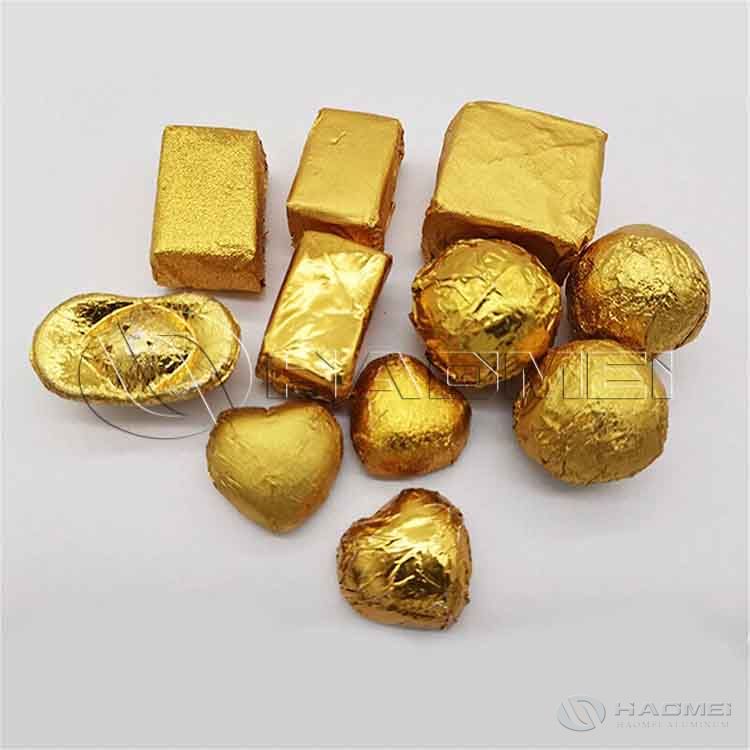 When is aluminum foil used for chocolate wrappingThe use of aluminium foil food for chocolate can be traced back to the early 20th century. In 1911, Swiss candy companies began to wrap chocolate with aluminum foil, gradually replacing the tin foil. T
application
When is aluminum foil used for chocolate wrappingThe use of aluminium foil food for chocolate can be traced back to the early 20th century. In 1911, Swiss candy companies began to wrap chocolate with aluminum foil, gradually replacing the tin foil. T
application
-
PVC Rigid Film and Aluminum Foil for Medicine Packaging
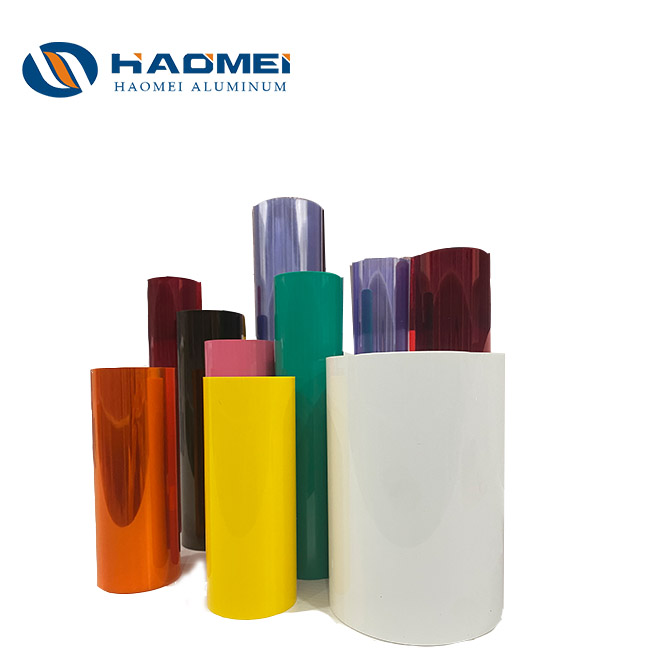 Haomei Aluminum provides different types of aluminum foil and plastic rigid films like PTP aluminum foil, cold forming foil, tropical foil, PVC rigid film, PE/PET film,etc. Best Price! Inquire now.
application
Haomei Aluminum provides different types of aluminum foil and plastic rigid films like PTP aluminum foil, cold forming foil, tropical foil, PVC rigid film, PE/PET film,etc. Best Price! Inquire now.
application
-
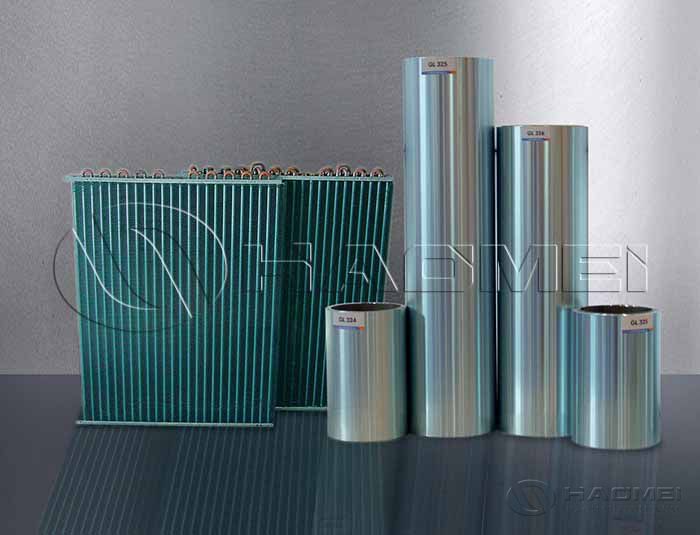 Haomei Aluminum offers you different colors of air conditioner aluminum foil like hydrophilic aluminum foil, including1100/ 3003 /8006/8011 aluminum foil,etc. Learn more.
application
Haomei Aluminum offers you different colors of air conditioner aluminum foil like hydrophilic aluminum foil, including1100/ 3003 /8006/8011 aluminum foil,etc. Learn more.
application
Latest Blog
-
Where To Find a Reliable Air Conditioner Fin Foil Supplier
 In the competitive HVAC industry, the quality of air conditioner fin stock directly determines the heat exchange efficiency, durability, and energy-saving performance of air conditioning equipment. For manufacturers, distributors, and processing enterpris
Blog
In the competitive HVAC industry, the quality of air conditioner fin stock directly determines the heat exchange efficiency, durability, and energy-saving performance of air conditioning equipment. For manufacturers, distributors, and processing enterpris
Blog
-
 Specify aircon aluminum foil with durable hydrophilic coating: compare alloys, tests, standards, conversion costs, and receiving controls for HVAC fins.
Blog
Specify aircon aluminum foil with durable hydrophilic coating: compare alloys, tests, standards, conversion costs, and receiving controls for HVAC fins.
Blog
-
Aluminium Foil for Air Conditioner
 Explore aluminium foil for air conditioner questions on alloy, coating, thickness, and inspection for efficient, durable heat-exchanger fins.
Blog
Explore aluminium foil for air conditioner questions on alloy, coating, thickness, and inspection for efficient, durable heat-exchanger fins.
Blog
-
What Is Food Grade Aluminum Foil Jumbo Roll
 From the aluminum foil used for everyday baking and grilling to the containers used for takeout and the packaging that keeps food fresh, these ubiquitous aluminum foil products all originate from the same core raw material: the food grade aluminum foil ju
Blog
From the aluminum foil used for everyday baking and grilling to the containers used for takeout and the packaging that keeps food fresh, these ubiquitous aluminum foil products all originate from the same core raw material: the food grade aluminum foil ju
Blog
-
 Compare aluminium foil roll price quotes using alloy, gauge, yield, tolerances, certification, freight, and inspection terms to control landed cost and risk.
Blog
Compare aluminium foil roll price quotes using alloy, gauge, yield, tolerances, certification, freight, and inspection terms to control landed cost and risk.
Blog

Haomei Aluminum CO., LTD.
Tel/Whatsapp: +86-15978414719
Email: sale@alumhm.com
Website: https://www.alumfoils.com
Xin'an Industrial Assemble Region,Luoyang,Henan Province,China
Office Add: 1103, No.14 Waihuan Road, CBD, Zhengzhou, China