Food Container Foil
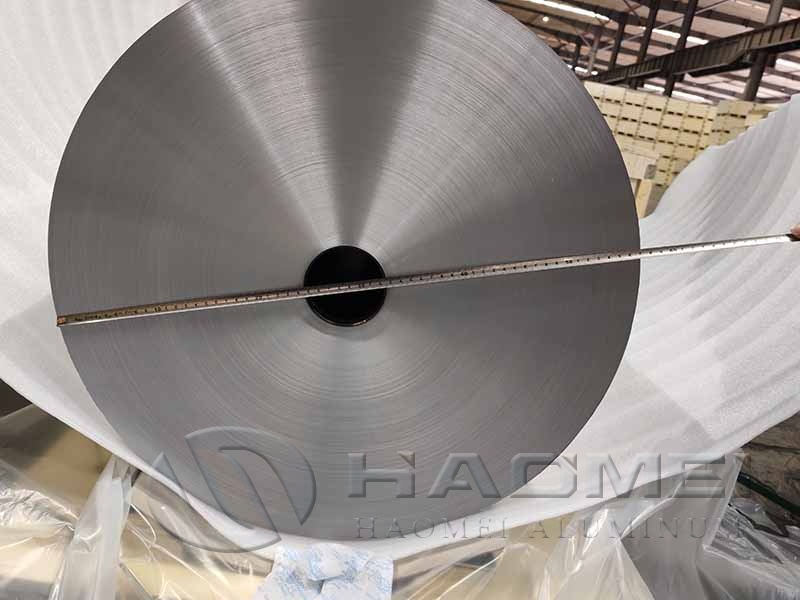
Food container foil for holiday catering: compare alloys, tempers, compliance, and pricing factors to reduce leakage, waste, and delivery risk.
Holiday demand changes packaging risk faster than normal seasonal sales. Thanksgiving meal trays, Christmas bakery packs, Ramadan takeaway sets, Easter family portions, and year-end party platters all push foodservice operators to increase fill volume, delivery radius, and hot-food holding time.
For converters, tray makers, and distributors, food container foil becomes a holiday solution when it does three things well: resists deformation, protects food contact safety, and keeps production efficient during demand spikes.
This article focuses on one top concern: container strength under holiday volume pressure. That concern directly affects leakage, stacking failure, transport damage, and complaint rates.

Why strength matters most in holiday packaging
Holiday promotions usually raise three stresses at once:
- Larger portion sizes
- More oven-to-table applications
- Longer delivery and holding times
If foil is too soft, pans may buckle during filling or sealing. If gauge is too thin for the container design, sidewalls can collapse in transport. If alloy selection is wrong, rejection rates can rise during stamping and forming.
For this reason, many processors compare not only thickness but also alloy and temper. In practical container applications, buyers often evaluate 3003 Aluminum Foil for Container and Electronics and 8011 Aluminum Foil Food for Packaging because both are widely used in food packaging, but they solve slightly different forming and strength needs.
What to check before placing holiday orders
Use this short checklist before confirming mill or converter schedules.
1. Confirm food-contact compliance
Ask suppliers to specify which standard the material is produced to or tested against, depending on destination market:
- U.S.: FDA food-contact requirements, commonly under 21 CFR framework for indirect food additives and food-contact materials
- EU: Framework Regulation (EC) No 1935/2004
- Good manufacturing practice in EU: Regulation (EC) No 2023/2006
- Heavy metal packaging limits in some markets may also apply through local packaging laws
Request these documents when needed:
- Alloy and temper certificate
- Mill test certificate
- Declaration of compliance for food contact where applicable
- Coating or lacquer specification, if coated
- Migration test data, if required by customer or market
2. Match alloy to container shape and load
For foil containers, common options include 3003, 3004, 8011, and 8006 series depending on forming depth, rigidity target, and end use.
| Item | Typical advantage | Suitable holiday use | Note |
|---|---|---|---|
| 3003 | Good formability, moderate strength | Standard catering trays | Widely used for semi-rigid containers |
| 3004 | Higher strength than 3003 in many container uses | Large family-size meal trays | Often chosen for better load performance |
| 8011 | Good barrier, common in food packaging | Lids, light containers, general packs | Popular, versatile packaging alloy |
| 8006 | Better container rigidity in many applications | Airline trays, premium takeout, roast packs | Often selected for wrinkle resistance and shape retention |
Note: final performance depends on thickness, temper, tooling, coating, and container geometry, not alloy alone.
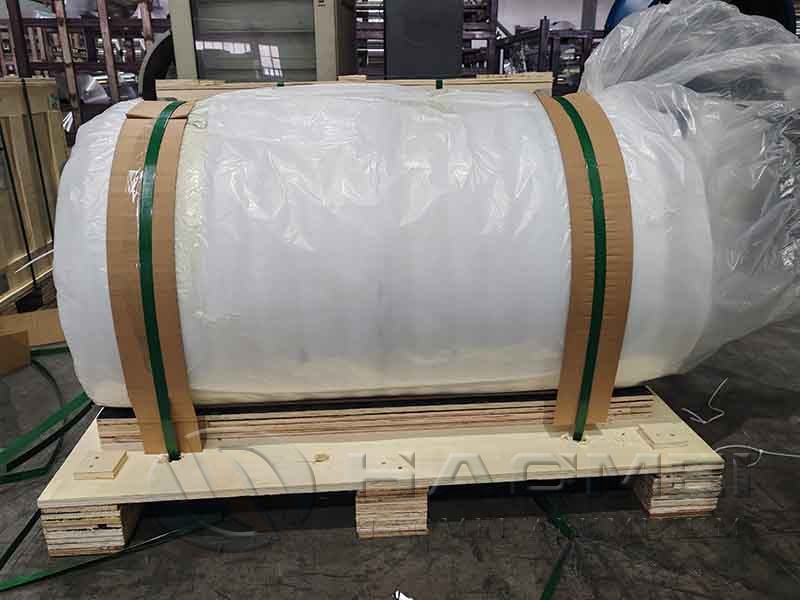
3. Verify dimensional consistency
High-speed container lines need steady incoming material quality. Ask for:
- Thickness tolerance
- Width tolerance
- Inner diameter and outer diameter
- Joint frequency limits
- Surface cleanliness
- Lubrication condition for forming
Inconsistent coil quality can increase pinholes, tearing, and tool wear.
4. Plan around holiday lead times
Holiday packaging orders usually tighten in these windows:
- 8-12 weeks before Thanksgiving and Christmas promotions
- 6-10 weeks before Ramadan meal packaging peaks, depending on region
- 4-8 weeks before Easter bakery and family-meal programs
A practical schedule:
- Lock alloy, temper, and thickness first.
- Approve trial rolls before artwork or lid matching.
- Reserve tonnage early if multiple widths are needed.
- Keep a safety stock for best-selling tray sizes.
Comparison table: what solves the most common holiday problems
| Holiday packaging problem | Likely cause | Foil requirement | What to request from supplier |
|---|---|---|---|
| Tray sidewall collapse | Alloy or temper too soft | Higher rigidity | Mechanical property range and forming recommendation |
| Leakage at corners | Poor forming or cracking | Better elongation and stable thickness | Trial samples from production coil |
| Deformation in stacked transport | Gauge too low | Stronger structure | Load test data or customer-use simulation |
| Production stoppage | Width or thickness variation | Stable dimensional tolerance | Quality control report by coil batch |
| Food-contact audit delay | Missing paperwork | Compliance documentation | Declaration, MTC, coating data |
Verifiable factors that support purchasing decisions
Several facts can be checked before commercial approval:
- Aluminum foil is widely used in food packaging because it provides a strong barrier to light, oxygen, moisture, and contaminants when properly specified.
- The European Aluminium industry association and major packaging references consistently recognize foil's barrier performance in food applications.
- For U.S. and EU markets, compliance claims should be backed by documentation, not sales language.
- LME aluminum price movement affects raw material cost, so fixed holiday pricing should clearly separate conversion premium from metal basis.
Because metal prices fluctuate, quoting should state:
- Alloy n- Temper
- Thickness and width
- Rolling basis or conversion charge
- Freight term
- Packaging type
- Validity period
Avoid comparing only by nominal ton price. A lower-priced coil with unstable thickness or poor formability can cost more through scrap and delivery claims.
Holiday solution by application
Different festivals create different packaging priorities.
| Holiday scenario | Packaging need | Best foil focus |
|---|---|---|
| Thanksgiving roast meals | Deep pans, high fill weight | Rigidity and corner strength |
| Christmas bakery and ready meals | Ovenability, display appearance | Surface quality and shape retention |
| Ramadan takeaway sets | Transport stability, multi-compartment use | Formability and stacking performance |
| Easter family packs | Moderate depth, retail shelf appeal | Clean finish and lid compatibility |
If your customers serve hot meals for family gatherings and delivery, strength matters more than ultra-low material cost. If they focus on light bakery packs, appearance and sealing consistency may matter more.
Fast screening list for supplier evaluation
Use this five-point screen during quotation review:
- Does the supplier clearly name alloy and temper, not just general foil grade?
- Can they provide food-contact documentation for the destination market?
- Do they have container application experience, not only general packaging foil output?
- Can they control repeat orders across the same width and thickness range?
- Have they explained lead time risk before the holiday rush?
For buyers managing holiday demand, food container foil should be treated as an operational tool, not only a commodity input. The best supply decision is usually the one that protects line efficiency, food safety documentation, and tray strength at the same time.



- 2026 China Aluminum Foil Export Price ForecastMar 03, 2026
2026 China aluminum foil jumbo roll export price forecast: Overall fluctuation with range-bound operation ($41...
- Air Conditioner Aluminum FoilApr 16, 2026
Learn air conditioner aluminum foil grades, hydrophilic coating tests, thickness, standards, defects, and prac...
- 8000 Series Aluminum FoilSep 18, 2023
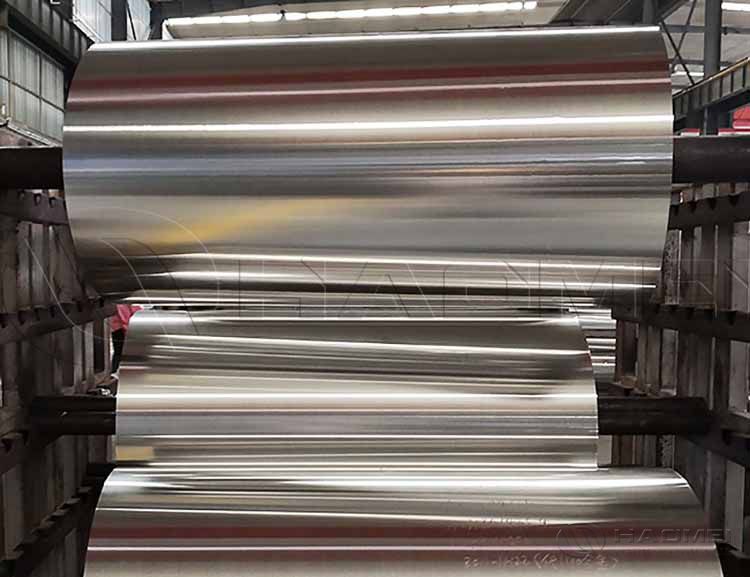
The common grades of 8000 series aluminum foil are 8011, 8021 and 8079 aluminum foil. 8011 aluminum foil is th...
- Who Invented Aluminum FoilOct 09, 2023
Aluminum foil was first produced in France in 1903. Aluminum foil for food packaging is very clean and hygien...
- 8011 Aluminum Foil for Bottle SealOct 27, 2022
The aluminum foil for bottle includes 1100, 8011, 3003, 3105, 5052,etc. The more popular one is 8011. What are...
Inquiry
Products Category
Latest Application
-
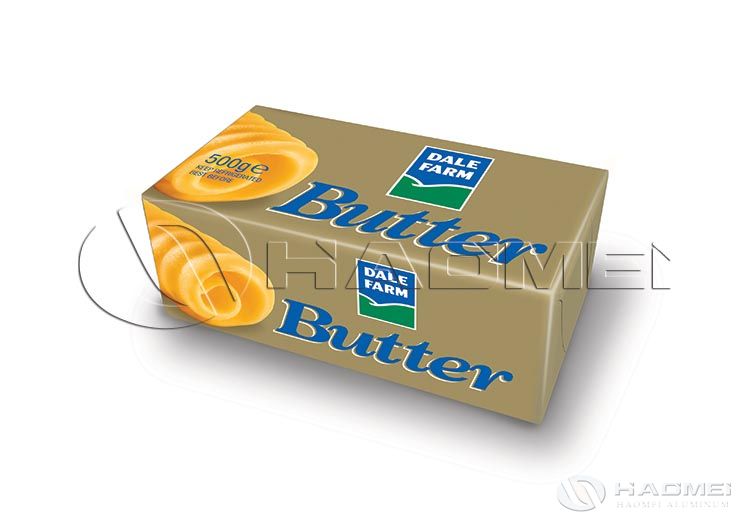 Why butter aluminum foil is neededButter aluminum foil blocks oxygen, moisture, and light, effectively preventing butter from oxidizing and spoiling, preserving nutrients, and significantly extending its shelf life. High-end products can see their sh
application
Why butter aluminum foil is neededButter aluminum foil blocks oxygen, moisture, and light, effectively preventing butter from oxidizing and spoiling, preserving nutrients, and significantly extending its shelf life. High-end products can see their sh
application
-
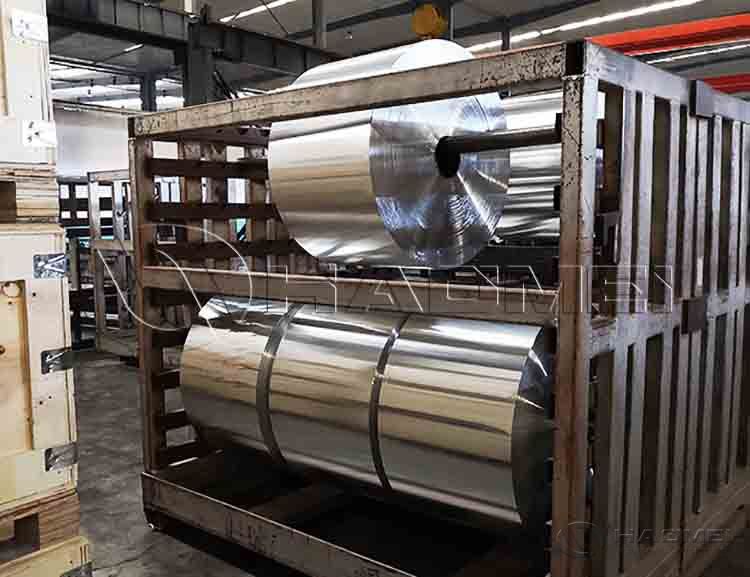 Cables are usually composed of conductors, insulation layers, shielding layers, and sheaths. Aluminum foil for cable is generally located outside the insulation layer as part of the shielding layer. It fits tightly to the surface of the insulation la
application
Cables are usually composed of conductors, insulation layers, shielding layers, and sheaths. Aluminum foil for cable is generally located outside the insulation layer as part of the shielding layer. It fits tightly to the surface of the insulation la
application
-
Aluminum Gold Foil Paper For Chocolate Wrapping
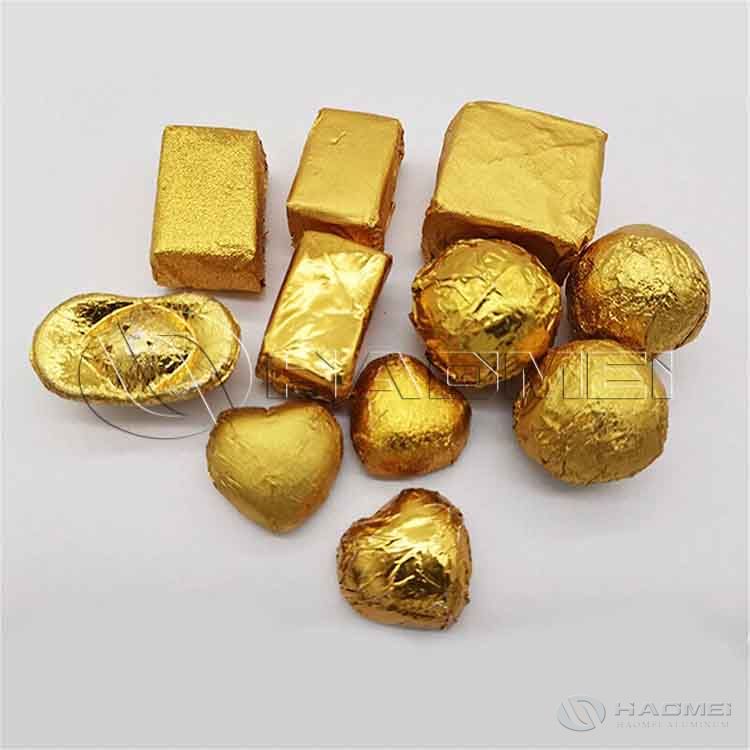 When is aluminum foil used for chocolate wrappingThe use of aluminium foil food for chocolate can be traced back to the early 20th century. In 1911, Swiss candy companies began to wrap chocolate with aluminum foil, gradually replacing the tin foil. T
application
When is aluminum foil used for chocolate wrappingThe use of aluminium foil food for chocolate can be traced back to the early 20th century. In 1911, Swiss candy companies began to wrap chocolate with aluminum foil, gradually replacing the tin foil. T
application
-
PVC Rigid Film and Aluminum Foil for Medicine Packaging
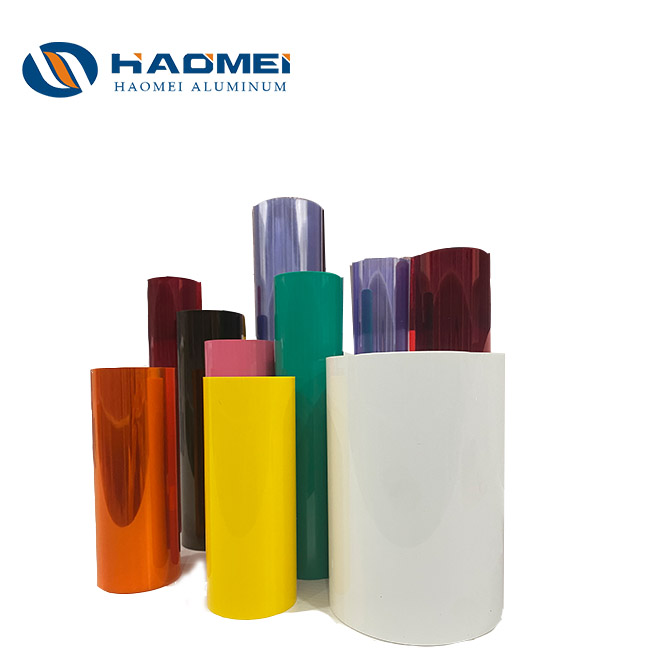 Haomei Aluminum provides different types of aluminum foil and plastic rigid films like PTP aluminum foil, cold forming foil, tropical foil, PVC rigid film, PE/PET film,etc. Best Price! Inquire now.
application
Haomei Aluminum provides different types of aluminum foil and plastic rigid films like PTP aluminum foil, cold forming foil, tropical foil, PVC rigid film, PE/PET film,etc. Best Price! Inquire now.
application
-
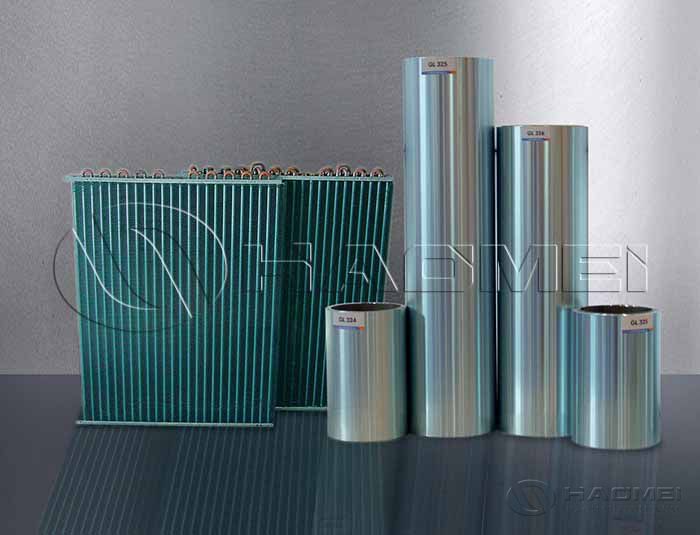 Haomei Aluminum offers you different colors of air conditioner aluminum foil like hydrophilic aluminum foil, including1100/ 3003 /8006/8011 aluminum foil,etc. Learn more.
application
Haomei Aluminum offers you different colors of air conditioner aluminum foil like hydrophilic aluminum foil, including1100/ 3003 /8006/8011 aluminum foil,etc. Learn more.
application
Latest Blog
-
 Plan year-end capacitor production with specified aluminum foil: purity, temper, surface controls, test documents, and shipment timing that reduce line risk.
Blog
Plan year-end capacitor production with specified aluminum foil: purity, temper, surface controls, test documents, and shipment timing that reduce line risk.
Blog
-
Where To Find a Reliable Air Conditioner Fin Foil Supplier
 In the competitive HVAC industry, the quality of air conditioner fin stock directly determines the heat exchange efficiency, durability, and energy-saving performance of air conditioning equipment. For manufacturers, distributors, and processing enterpris
Blog
In the competitive HVAC industry, the quality of air conditioner fin stock directly determines the heat exchange efficiency, durability, and energy-saving performance of air conditioning equipment. For manufacturers, distributors, and processing enterpris
Blog
-
 Specify aircon aluminum foil with durable hydrophilic coating: compare alloys, tests, standards, conversion costs, and receiving controls for HVAC fins.
Blog
Specify aircon aluminum foil with durable hydrophilic coating: compare alloys, tests, standards, conversion costs, and receiving controls for HVAC fins.
Blog
-
Aluminium Foil for Air Conditioner
 Explore aluminium foil for air conditioner questions on alloy, coating, thickness, and inspection for efficient, durable heat-exchanger fins.
Blog
Explore aluminium foil for air conditioner questions on alloy, coating, thickness, and inspection for efficient, durable heat-exchanger fins.
Blog
-
What Is Food Grade Aluminum Foil Jumbo Roll
 From the aluminum foil used for everyday baking and grilling to the containers used for takeout and the packaging that keeps food fresh, these ubiquitous aluminum foil products all originate from the same core raw material: the food grade aluminum foil ju
Blog
From the aluminum foil used for everyday baking and grilling to the containers used for takeout and the packaging that keeps food fresh, these ubiquitous aluminum foil products all originate from the same core raw material: the food grade aluminum foil ju
Blog

Haomei Aluminum CO., LTD.
Tel/Whatsapp: +86-15978414719
Email: sale@alumhm.com
Website: https://www.alumfoils.com
Xin'an Industrial Assemble Region,Luoyang,Henan Province,China
Office Add: 1103, No.14 Waihuan Road, CBD, Zhengzhou, China