Food Tray Foil
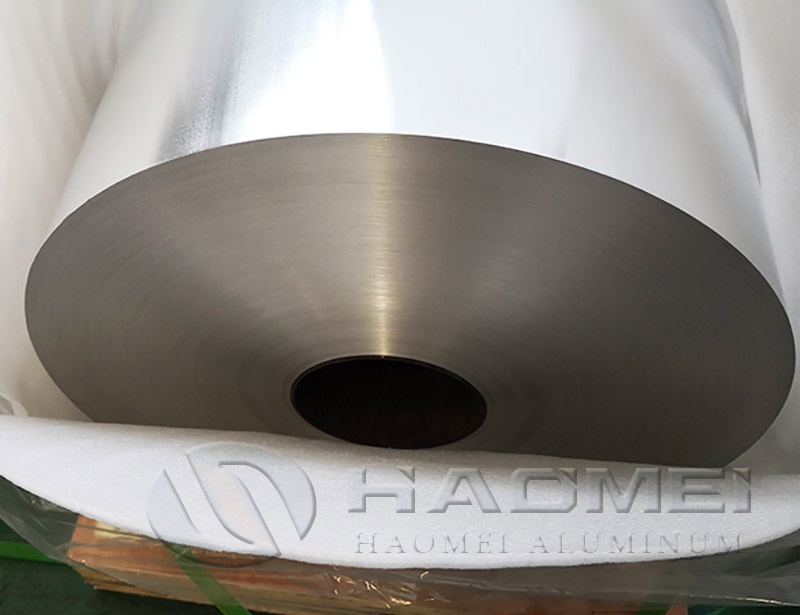
Food tray foil article covering alloy selection, tempers, compliance, cost drivers, supply checks, and sourcing tips for aluminum container applications.
Food tray foil is not just a thin aluminum product. For converters, container makers, and packaging processors, the main concern is usually formability without pinholes or rim cracking. If the alloy-temper combination is wrong, trays split during stamping, flange strength drops, and scrap rises.
This article focuses on that concern: how to choose material that forms cleanly, meets food-contact rules, and stays cost-competitive.

What matters most in tray stock
For ready-meal trays, takeaway containers, bakery pans, and airline catering packs, the material must balance four properties:
- Deep drawability
- Earing control during forming
- Sufficient post-form strength
- Clean surface with low pinhole count
In practice, 8xxx and some 3xxx series alloys dominate this application. The most common market choices are 8011, 8006, 3003, and 3004.
A quick rule:
- 8011 is widely used for general container foil.
- 8006 is often preferred for stronger, more rigid formed trays.
- 3003 and 3004 are used where higher strength is required, especially for thicker gauge container stock.
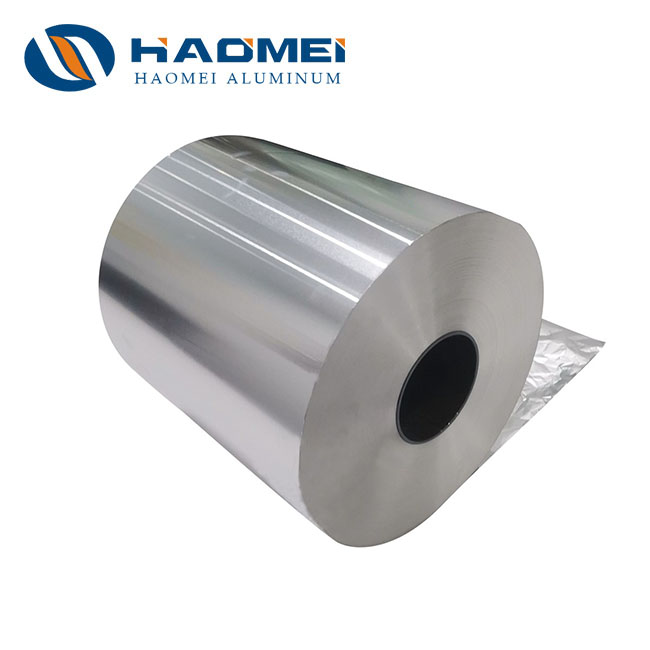
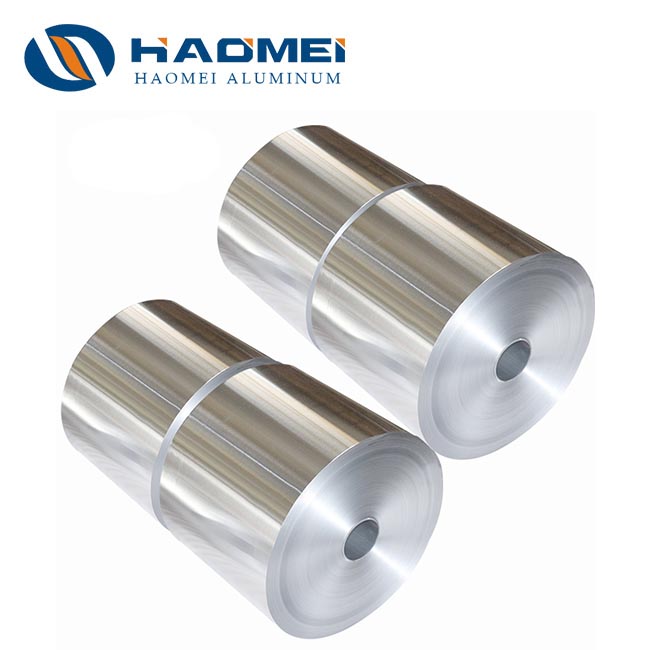
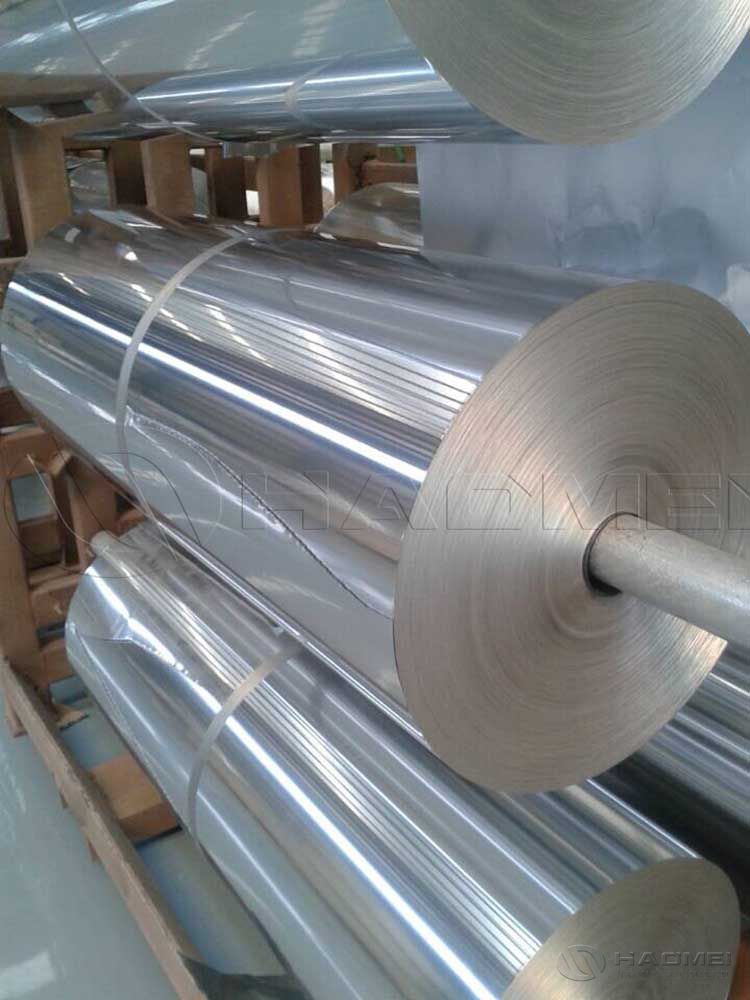
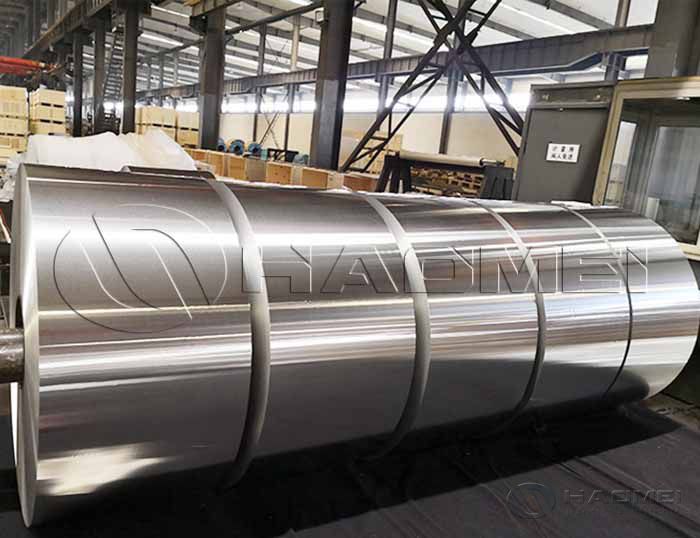
If you compare standard commercial options, 8006 Aluminium Foil for Container is typically chosen when anti-buckling performance and rim strength are priorities, while 8011 Aluminum Foil Food for Packaging remains a common option for broad food-packaging use.
Alloy and temper comparison
The best grade depends on tray depth, wall geometry, lid system, and whether the pack is retort, ovenable, or freezer-ready.
| Alloy | Typical use | Relative formability | Relative strength | Common temper direction | Notes |
|---|---|---|---|---|---|
| 8011 | General food containers, lids, trays | Good | Medium | H22, H24, O | Widely available; balanced cost and processing |
| 8006 | Wrinkle-wall and rigid trays | Very good | Medium-high | H22, H24 | Better anti-collapse performance than 8011 in many tray designs |
| 3003 | Semi-rigid containers | Good | Higher than 8011 | H24, H26 | Good corrosion resistance; common in container stock |
| 3004 | Higher-strength containers | Good | High | H24, H26 | Used where wall strength and dent resistance matter |
Practical selection checklist
Use this checklist before placing trial orders:
- Confirm tray depth and cavity geometry.
- Specify whether the application is smooth-wall or wrinkle-wall.
- Match temper to forming severity.
- Set a maximum acceptable pinhole level.
- Define oil type and residual oil limits for food-contact conversion.
- Confirm coil width tolerance and splice policy.
- Ask for mechanical properties by lot, not only nominal values.
- Verify compliance documents for the destination market.
Process factors that change conversion yield
Even when the alloy is correct, conversion problems often come from process variation upstream.
Typical manufacturing route:
- DC casting or continuous casting
- Hot rolling
- Cold rolling to foil gauge
- Intermediate annealing
- Final rolling and finishing
- Slitting
- Quality inspection and packing
Critical supply-side controls for tray applications:
| Control point | Why it matters | What to ask supplier |
|---|---|---|
| Gauge tolerance | Affects draw consistency and stack weight | Thickness profile report across coil width |
| Surface cleanliness | Influences lacquer, printing, and lamination | Degreasing standard and residual oil data |
| Pinhole level | Impacts barrier and appearance | Light table or online inspection criteria |
| Mechanical consistency | Reduces split rate during forming | Tensile strength and elongation by batch |
| Edge quality | Prevents feeding and slitting issues | Burr, wave, and edge crack control method |
A common mistake is buying on price per metric ton only. For tray plants, lower conversion scrap can outweigh a small premium on raw material.
Compliance for food-contact use
Food packaging foil must meet the legal framework of the destination market, not only the mill's internal standard.
Common references include:
- U.S. FDA food-contact framework, including 21 CFR provisions applicable to aluminum and packaging materials
- EU Framework Regulation (EC) No 1935/2004
- Commission Regulation (EC) No 2023/2006 on good manufacturing practice for food-contact materials
- Where relevant in Europe, migration assessment under national or customer-specific protocols
- ASTM and EN dimensional or mechanical test methods used contractually between supplier and processor
For aluminum chemistry and wrought alloy designation, EN 573 and related EN standards are commonly referenced in international trade. Mechanical property and tolerance requirements may also be contracted to EN or ASTM-based specifications depending on region.
Document check before shipment
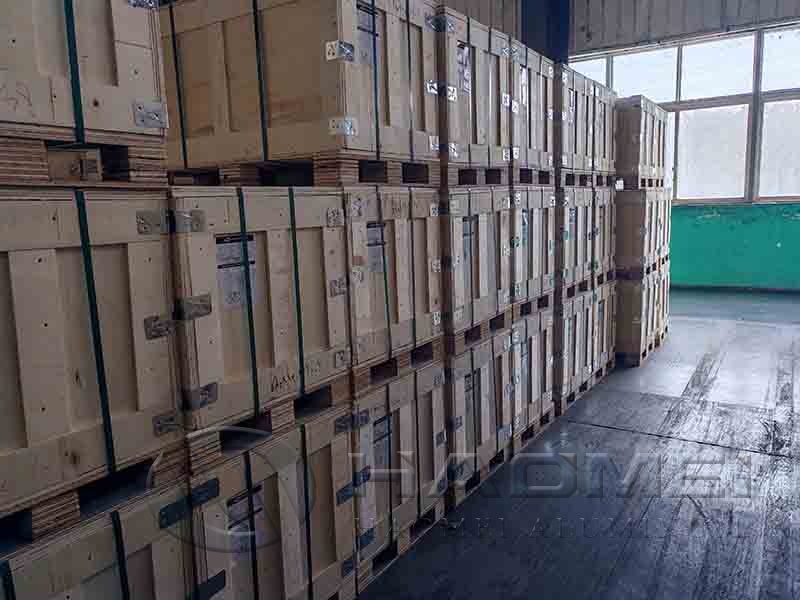
Request these documents before dispatch:
- Certificate of analysis
- Mechanical test report
- Food-contact declaration or statement of compliance
- RoHS or REACH statement if required by customer policy
- Packing specification
- Lot traceability list
Cost structure and market trend
Pricing for container stock usually tracks three layers:
| Cost component | Market driver | Comment |
|---|---|---|
| Aluminum metal price | LME aluminum | Base metal moves daily |
| Regional premium | Delivery region and physical tightness | Can shift with logistics and warehouse conditions |
| Conversion premium | Alloy, gauge, width, temper, surface, volume | Main negotiable part with mills and traders |
For global procurement, metal volatility has remained the first driver, while energy costs, freight, and regional premiums shape delivered cost. Aluminum smelting is power-intensive, so electricity pricing and curtailment policies affect supply economics directly. The International Aluminium Institute and major exchange data are useful references for broader market direction; for price settlement, contracts often reference LME plus premium plus fabrication charge.
Sourcing tips that reduce risk
- Lock alloy and temper after forming trials, not before.
- Approve samples from the same production route as future mass supply.
- Avoid mixing mills in one production campaign unless properties are validated.
- Check if the supplier specializes in container foil, not only general packaging foil.
- For long-term contracts, define claim thresholds for pinholes, thickness deviation, and forming cracks.
Fast comparison: 8011 vs 8006
| Item | 8011 | 8006 |
|---|---|---|
| Market availability | Higher | Medium |
| Price level | Usually lower | Usually higher |
| General tray use | Very common | Common |
| Rim rigidity | Good | Better |
| Deep forming reliability | Good | Often better |
| Best fit | Standard food containers | Stronger semi-rigid trays |
When the application includes deeper draw, stronger sidewalls, or resistance to collapse during transport, 8006 often justifies the premium. When the package is a standard takeaway tray with less severe forming, 8011 is frequently the more economical choice.
Purchase specification template
Use a concise specification sheet when requesting quotes:
- Product: aluminum tray foil stock
- Alloy: 8011 / 8006 / 3003 / 3004
- Temper: O / H22 / H24
- Thickness: xx mm
- Width: xx mm
- ID/OD: xx mm / xx mm
- Surface: one side bright or both sides as rolled
- Oil requirement: food-grade rolling oil, residue limit if needed
- End use: stamped food trays
- Compliance: destination market food-contact requirements
- Test data: tensile, elongation, thickness profile, pinhole inspection
- Packing: export seaworthy, fumigation policy if applicable
A tighter specification usually gets more accurate pricing and fewer quality disputes.


- Aluminum Foil for CapacitorsSep 22, 2026
Plan year-end capacitor production with specified aluminum foil: purity, temper, surface controls, test docume...
- Who Invented Aluminum FoilOct 09, 2023
Aluminum foil was first produced in France in 1903. Aluminum foil for food packaging is very clean and hygien...
- What Is Structure of The Cold Form Blister PackagingJul 08, 2025
In the field of packaging, cold form blister packaging stands out for its unique advantages, especially in the...
- Is Aluminum Foil on Grill SafeJul 12, 2023
Aluminum foil food is safe to be used on the grill. The melting point of aluminum foil is far higher then the...
- Aluminum Foil for Food PackagingJun 08, 2022
The aluminum foil has been an important packaging for food for a long time, including 1060, 1100, 3003, 8021 a...
Inquiry
Products Category
Latest Application
-
 Why butter aluminum foil is neededButter aluminum foil blocks oxygen, moisture, and light, effectively preventing butter from oxidizing and spoiling, preserving nutrients, and significantly extending its shelf life. High-end products can see their sh
application
Why butter aluminum foil is neededButter aluminum foil blocks oxygen, moisture, and light, effectively preventing butter from oxidizing and spoiling, preserving nutrients, and significantly extending its shelf life. High-end products can see their sh
application
-
 Cables are usually composed of conductors, insulation layers, shielding layers, and sheaths. Aluminum foil for cable is generally located outside the insulation layer as part of the shielding layer. It fits tightly to the surface of the insulation la
application
Cables are usually composed of conductors, insulation layers, shielding layers, and sheaths. Aluminum foil for cable is generally located outside the insulation layer as part of the shielding layer. It fits tightly to the surface of the insulation la
application
-
Aluminum Gold Foil Paper For Chocolate Wrapping
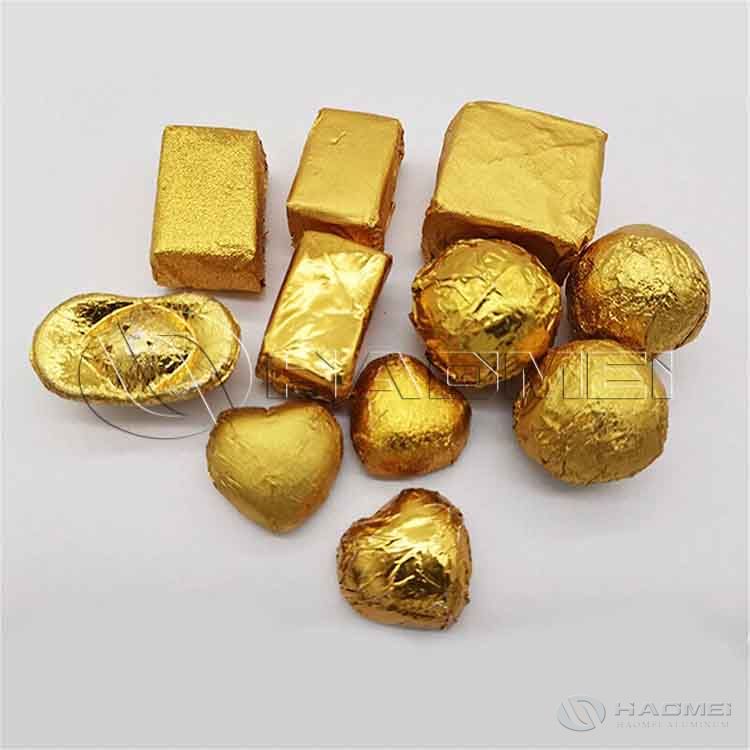 When is aluminum foil used for chocolate wrappingThe use of aluminium foil food for chocolate can be traced back to the early 20th century. In 1911, Swiss candy companies began to wrap chocolate with aluminum foil, gradually replacing the tin foil. T
application
When is aluminum foil used for chocolate wrappingThe use of aluminium foil food for chocolate can be traced back to the early 20th century. In 1911, Swiss candy companies began to wrap chocolate with aluminum foil, gradually replacing the tin foil. T
application
-
PVC Rigid Film and Aluminum Foil for Medicine Packaging
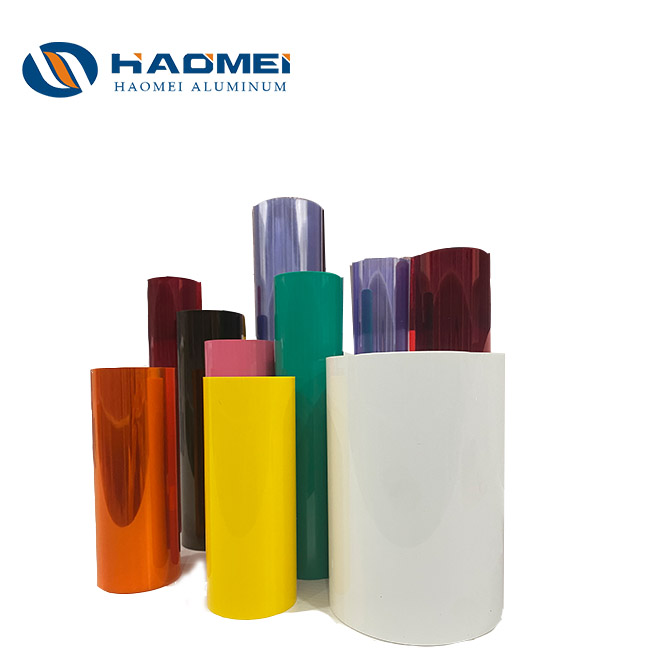 Haomei Aluminum provides different types of aluminum foil and plastic rigid films like PTP aluminum foil, cold forming foil, tropical foil, PVC rigid film, PE/PET film,etc. Best Price! Inquire now.
application
Haomei Aluminum provides different types of aluminum foil and plastic rigid films like PTP aluminum foil, cold forming foil, tropical foil, PVC rigid film, PE/PET film,etc. Best Price! Inquire now.
application
-
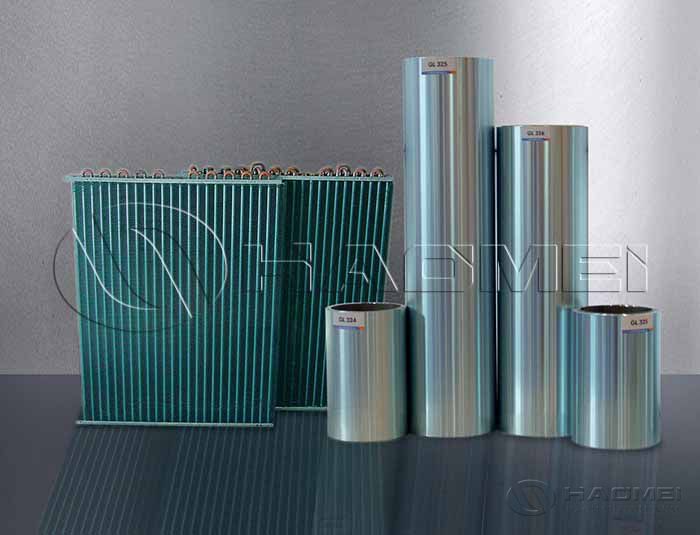 Haomei Aluminum offers you different colors of air conditioner aluminum foil like hydrophilic aluminum foil, including1100/ 3003 /8006/8011 aluminum foil,etc. Learn more.
application
Haomei Aluminum offers you different colors of air conditioner aluminum foil like hydrophilic aluminum foil, including1100/ 3003 /8006/8011 aluminum foil,etc. Learn more.
application
Latest Blog
-
Plan year-end capacitor production with specified aluminum foil: purity, temper, surface controls, test documents, and shipment timing that reduce line risk.
Blog
-
Where To Find a Reliable Air Conditioner Fin Foil Supplier
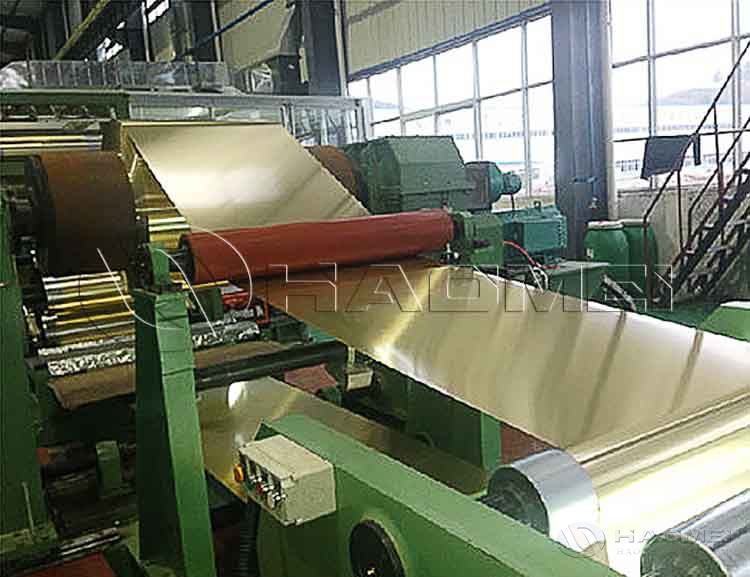 In the competitive HVAC industry, the quality of air conditioner fin stock directly determines the heat exchange efficiency, durability, and energy-saving performance of air conditioning equipment. For manufacturers, distributors, and processing enterpris
Blog
In the competitive HVAC industry, the quality of air conditioner fin stock directly determines the heat exchange efficiency, durability, and energy-saving performance of air conditioning equipment. For manufacturers, distributors, and processing enterpris
Blog
-
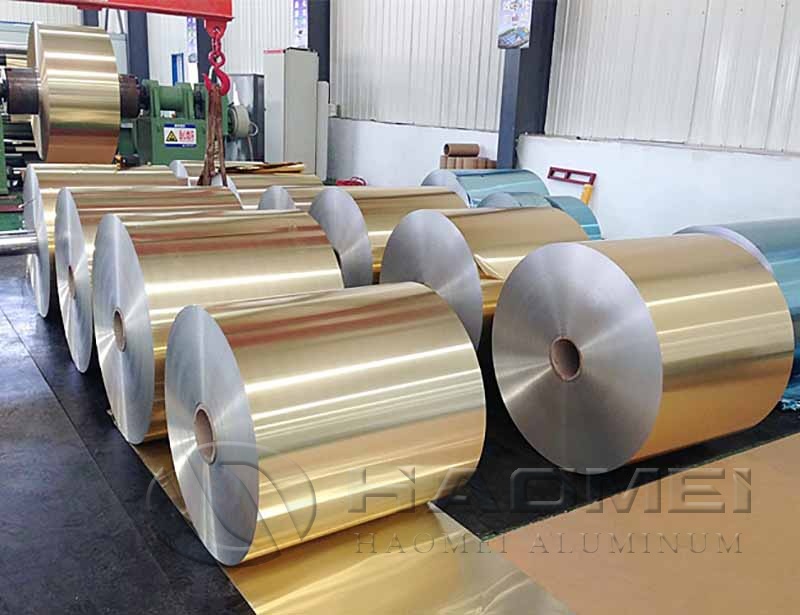 Specify aircon aluminum foil with durable hydrophilic coating: compare alloys, tests, standards, conversion costs, and receiving controls for HVAC fins.
Blog
Specify aircon aluminum foil with durable hydrophilic coating: compare alloys, tests, standards, conversion costs, and receiving controls for HVAC fins.
Blog
-
Aluminium Foil for Air Conditioner
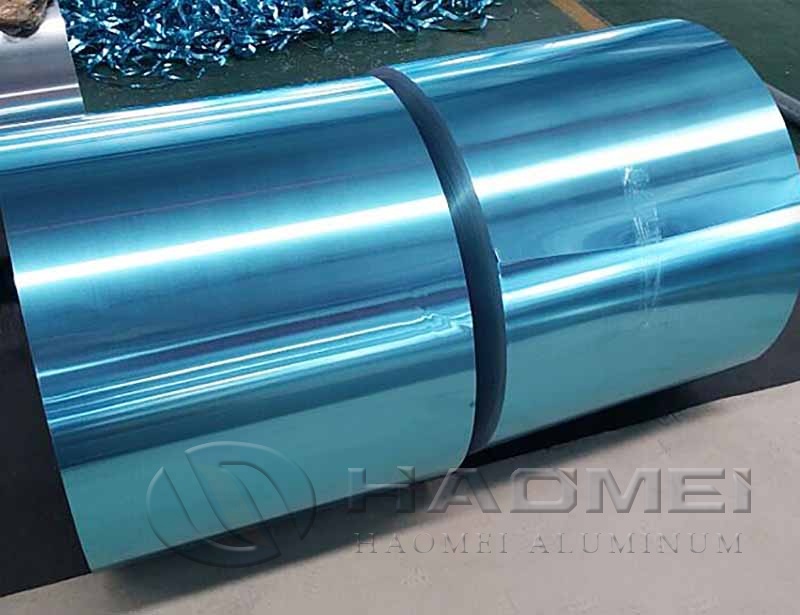 Explore aluminium foil for air conditioner questions on alloy, coating, thickness, and inspection for efficient, durable heat-exchanger fins.
Blog
Explore aluminium foil for air conditioner questions on alloy, coating, thickness, and inspection for efficient, durable heat-exchanger fins.
Blog
-
What Is Food Grade Aluminum Foil Jumbo Roll
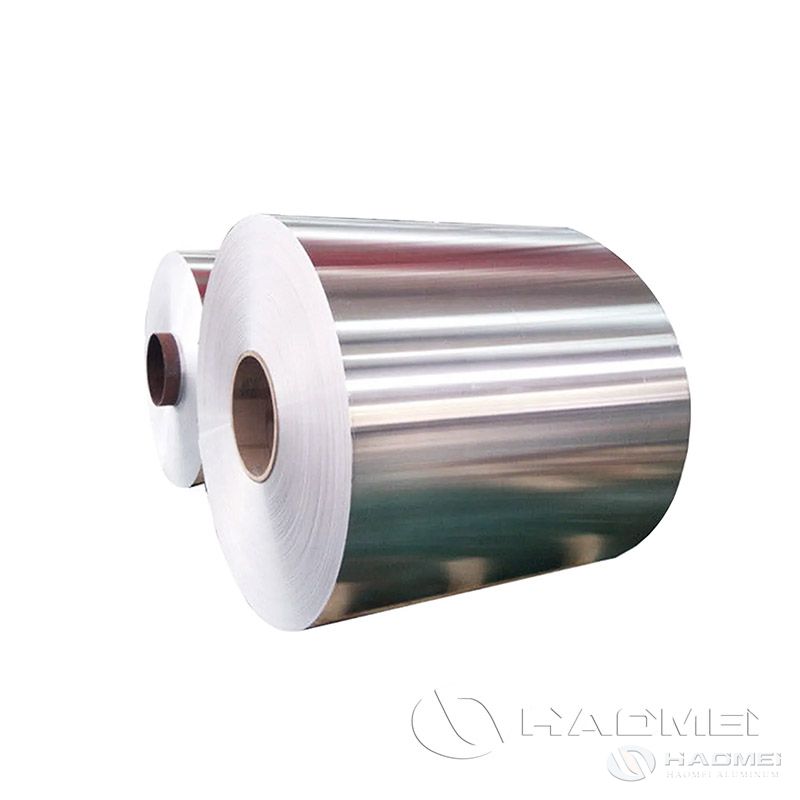 From the aluminum foil used for everyday baking and grilling to the containers used for takeout and the packaging that keeps food fresh, these ubiquitous aluminum foil products all originate from the same core raw material: the food grade aluminum foil ju
Blog
From the aluminum foil used for everyday baking and grilling to the containers used for takeout and the packaging that keeps food fresh, these ubiquitous aluminum foil products all originate from the same core raw material: the food grade aluminum foil ju
Blog

Haomei Aluminum CO., LTD.
Tel/Whatsapp: +86-15978414719
Email: sale@alumhm.com
Website: https://www.alumfoils.com
Xin'an Industrial Assemble Region,Luoyang,Henan Province,China
Office Add: 1103, No.14 Waihuan Road, CBD, Zhengzhou, China