Different Aluminum Foil Alloys Used for Food Container Production
Discover the best aluminum foil alloys for food containers—3003, 3004, 8011 and 8006. Compare strength, formability, benefits and ideal packaging applications.
Aluminum foil containers are widely used for takeaway meals, bakery products, airline catering, frozen foods, and household cooking. Their popularity comes from excellent heat conductivity, light weight, recyclability, and the ability to form trays, pans, lids, and cups in different shapes.
Choosing the right alloy is essential because each grade offers different levels of strength, formability, corrosion resistance, and surface quality. Below are the most common aluminum foil alloys used in food container manufacturing.
1. Alloy 3003
Alloy 3003 is one of the most frequently used materials for semi-rigid food trays and containers. It belongs to the aluminum-manganese alloy series and provides better strength than pure aluminum while maintaining good forming performance.
This alloy is suitable for deep-drawn containers, especially products that need to resist deformation during transportation or heating. It also performs well in contact with common foods, including sauces, oils, and baked dishes.
Typical applications include:
Takeaway meal trays
Roasting pans
Airline meal containers
Bakery molds
Disposable lunch boxes
For manufacturers seeking a balance between cost and performance, 3003 is often a practical option for food container aluminum products.
2. Alloy 3004
Alloy 3004 contains manganese and magnesium, giving it higher strength than 3003. It is commonly selected for deeper or more demanding container designs where the material must withstand extensive stamping and drawing.
Compared with 3003, 3004 can offer improved resistance to deformation. This makes it appropriate for large catering trays, multi-compartment meal boxes, and heavy-duty ovenable containers.
Its advantages include:
Good deep-drawing capability
Higher mechanical strength
Strong resistance to cracking
Suitable for coated and lacquered surfaces
Good performance in heating applications
When container walls are thin but the final product still requires rigidity, 3004 can be an excellent choice.
3. Alloy 8011
Alloy 8011 is a widely used aluminum foil grade for disposable food packaging. It has good moisture resistance, corrosion resistance, and processability. It is especially common in lighter-gauge foil products and container lids.
This alloy can be rolled into thin, uniform material and is easy to emboss, print, coat, laminate, or color. Its surface appearance is generally clean and bright, which supports attractive packaging designs.
Common uses include:
Foil lids for meal trays
Yogurt and dairy seals
Household foil products
Flexible food packaging
Light disposable container
For suppliers producing food container foil with reliable barrier properties and economical processing costs, 8011 remains a major material option.
4. Alloy 8006
Alloy 8006 is increasingly used for high-quality, wrinkle-free aluminum containers. It is known for stable performance during deep drawing and for producing containers with smooth walls and a neat appearance.
Unlike some conventional materials, 8006 helps reduce “earing” and wrinkling during the stamping process. This is valuable for manufacturers making premium smooth-wall trays, round pans, and shaped baking containers.
Key benefits include:
Excellent deep-drawing performance
Smooth container surface
Good rigidity after forming
Reduced wrinkling and deformation
Suitable for premium foodservice packaging
Although 8006 may cost more than standard alloys, its forming quality can improve production efficiency and final product appearance.
How to Select the Right Alloy
The best alloy depends on container design, thickness, production process, and end-use conditions. Lightweight lids and flexible packaging often use 8011. Standard meal trays commonly use 3003, while deeper or stronger containers may require 3004. For smooth-wall, high-end containers, 8006 is usually preferred.
In addition to alloy selection, manufacturers should consider temper, foil thickness, lubrication, surface treatment, and whether the container will be used in ovens, freezers, or microwave-compatible applications.
By selecting the correct aluminum foil alloy, producers can achieve safer, stronger, and more attractive food containers while controlling material costs and improving manufacturing performance.

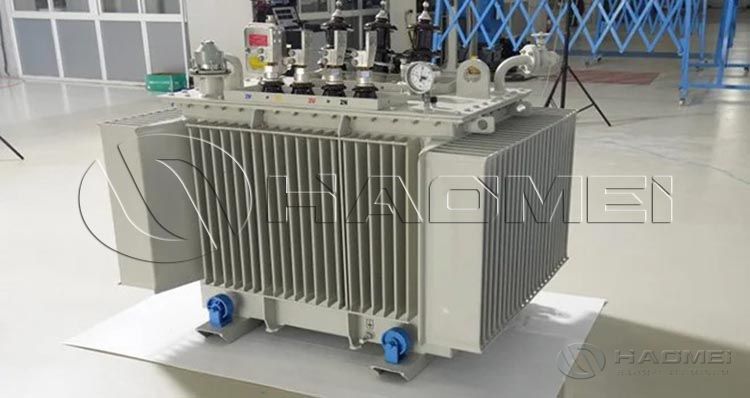
- Aluminum Foil Winding in TransformerJul 14, 2025
Among the many components of a transformer, the winding is undoubtedly one of the key components, and its perf...
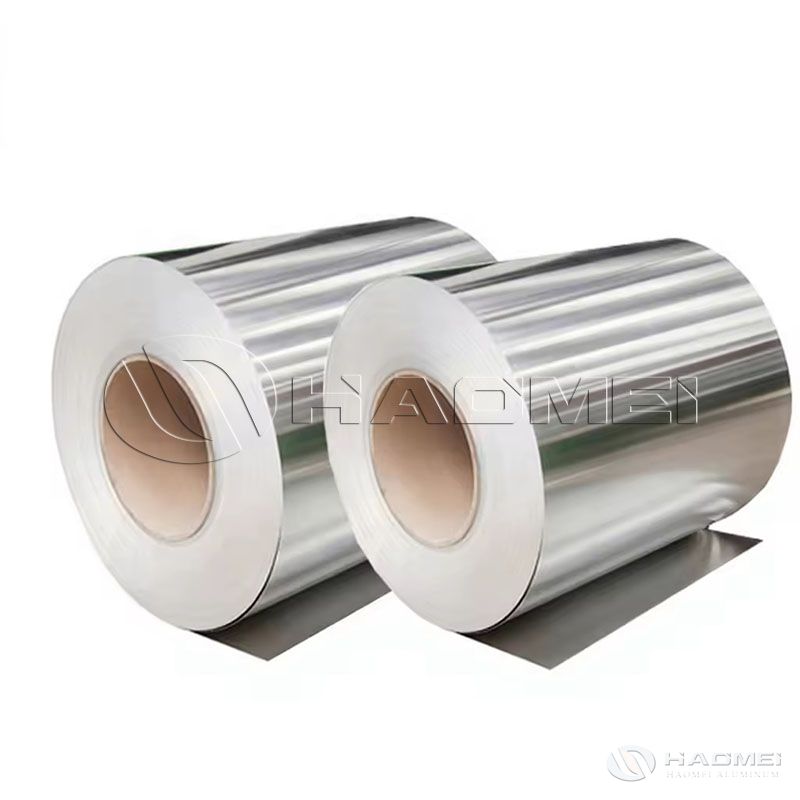
- O Temper Aluminum Foil Vs H18 Aluminum FoilJan 13, 2026
In the application of aluminum foil, O temper and H18 are two extremely common material states, found in every...
- What Are Main Aluminum Foil AlloysMar 13, 2024
8011 and 1235 aluminum foil jumbo rolls are two main aluminum foil alloys. They both have wide applications li...
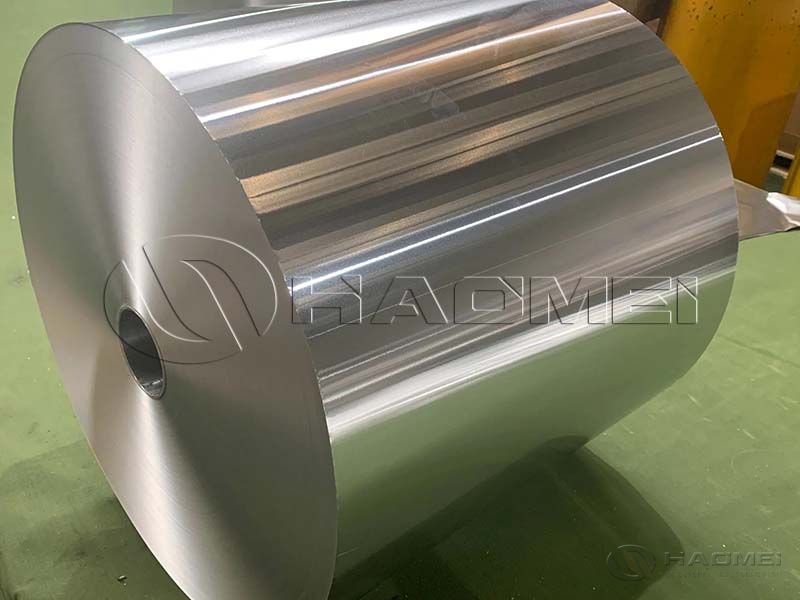
- Different Forms of Aluminum Foil PackageOct 28, 2025
In the modern packaging industry, aluminum foil, thanks to its excellent barrier properties, ductility, and en...
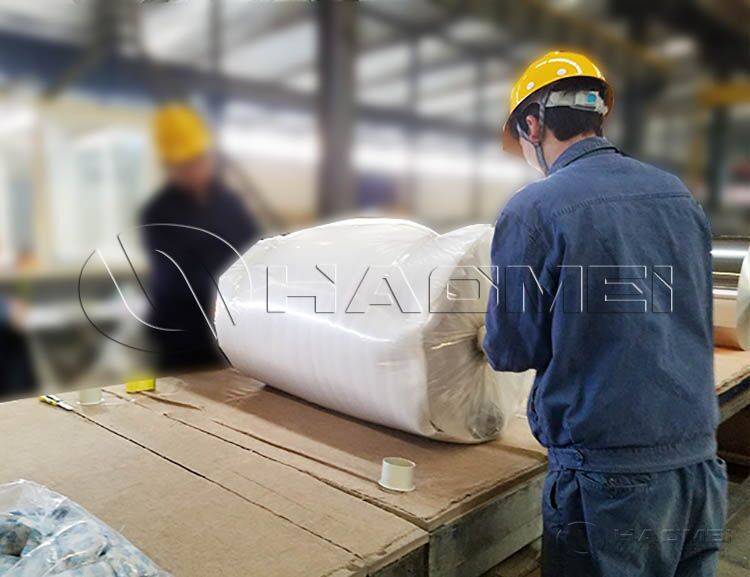
- How to Use Heavy Duty BBQ FoilDec 25, 2023
How to use heavy duty bbq foil? Is it a must for grilling? How to wrap the fish to avoid the sticking? There...
Inquiry
Products Category
Latest Application
-
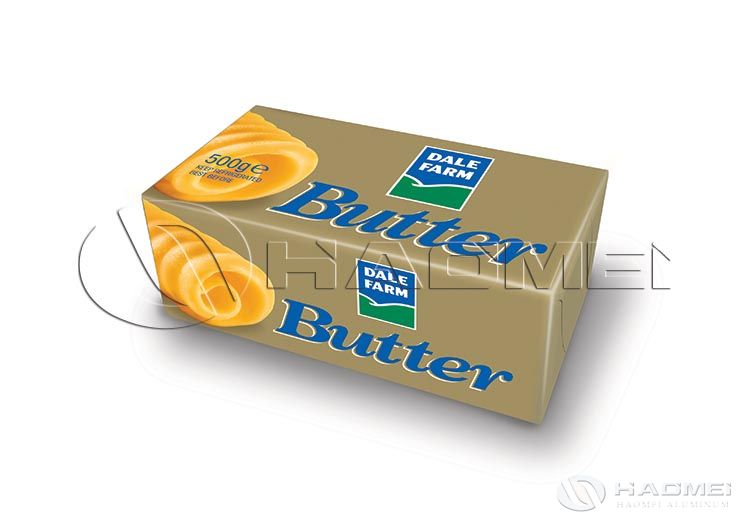 Why butter aluminum foil is neededButter aluminum foil blocks oxygen, moisture, and light, effectively preventing butter from oxidizing and spoiling, preserving nutrients, and significantly extending its shelf life. High-end products can see their sh
application
-
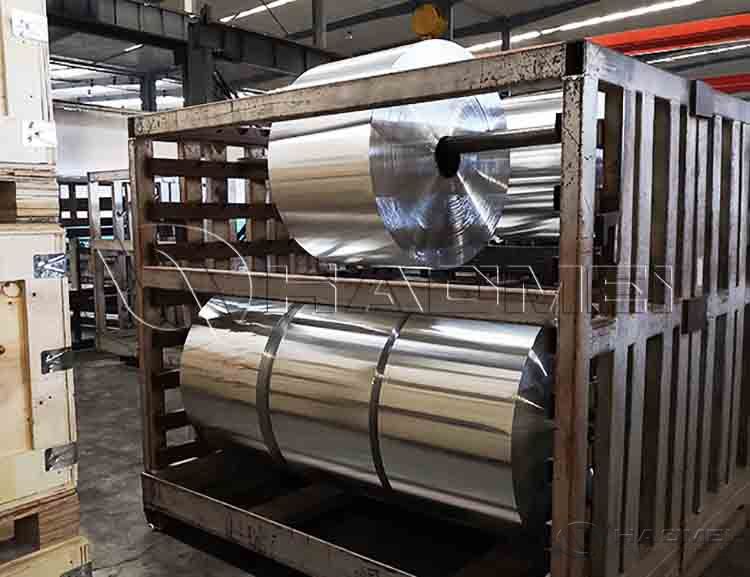 Cables are usually composed of conductors, insulation layers, shielding layers, and sheaths. Aluminum foil for cable is generally located outside the insulation layer as part of the shielding layer. It fits tightly to the surface of the insulation la
application
-
Aluminum Gold Foil Paper For Chocolate Wrapping
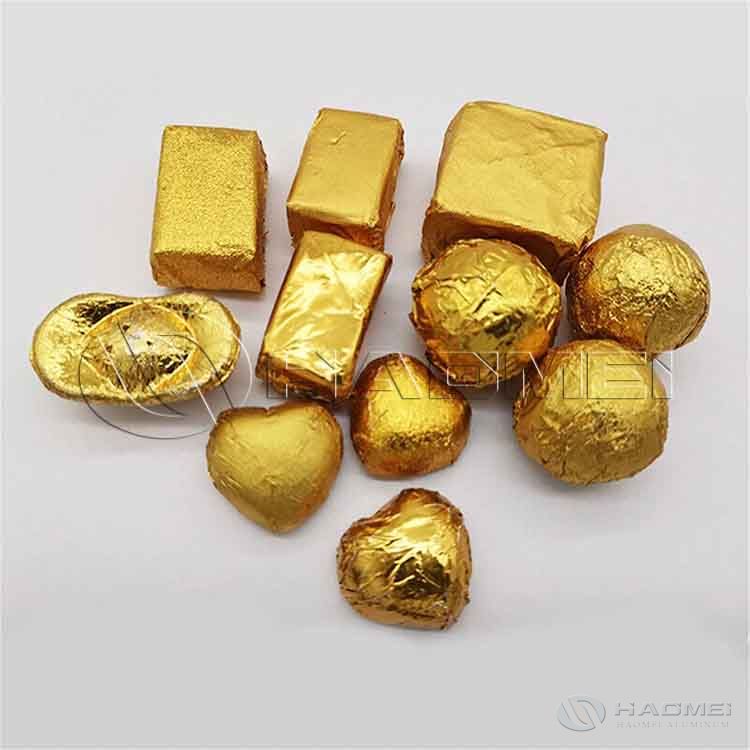 When is aluminum foil used for chocolate wrappingThe use of aluminium foil food for chocolate can be traced back to the early 20th century. In 1911, Swiss candy companies began to wrap chocolate with aluminum foil, gradually replacing the tin foil. T
application
-
PVC Rigid Film and Aluminum Foil for Medicine Packaging
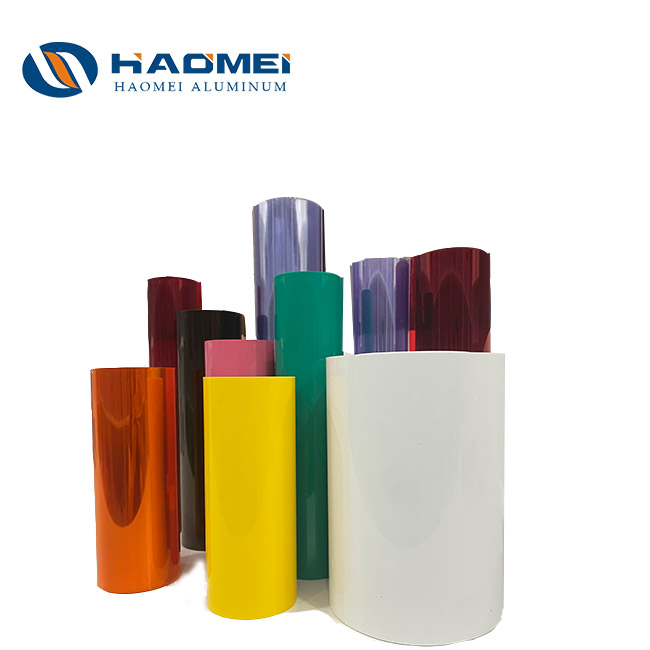 Haomei Aluminum provides different types of aluminum foil and plastic rigid films like PTP aluminum foil, cold forming foil, tropical foil, PVC rigid film, PE/PET film,etc. Best Price! Inquire now.
application
-
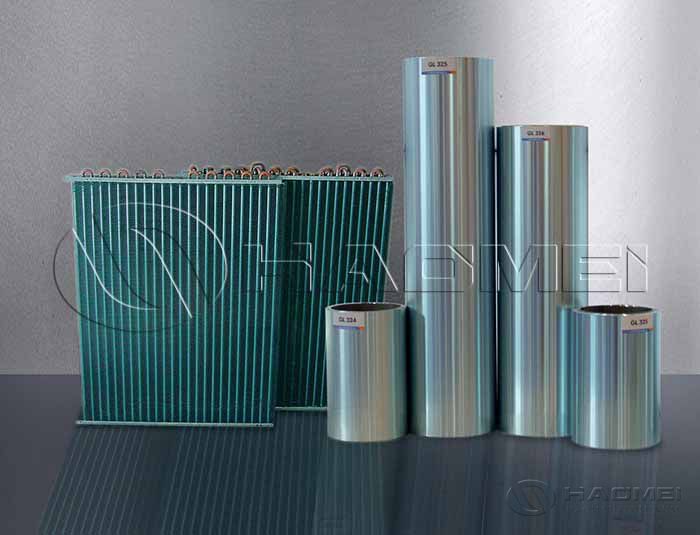 Haomei Aluminum offers you different colors of air conditioner aluminum foil like hydrophilic aluminum foil, including1100/ 3003 /8006/8011 aluminum foil,etc. Learn more.
application
Latest Blog
-
Different Aluminum Foil Alloys Used for Food Container Production
Discover the best aluminum foil alloys for food containers—3003, 3004, 8011 and 8006. Compare strength, formability, benefits and ideal packaging applications. Blog
-
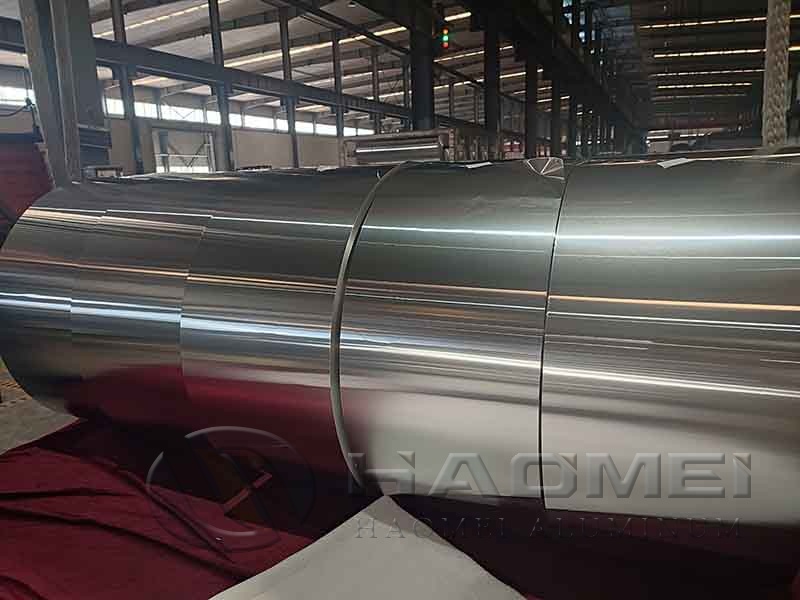 Explore current 8006 aluminium foil questions on food containers, temper, thickness, safety, and sourcing specifications for dependable forming performance.
Blog
-
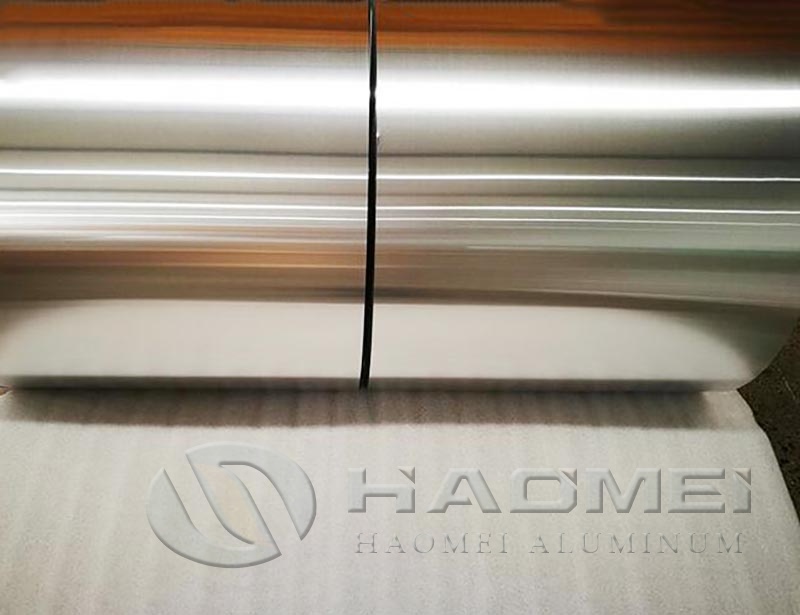 Specify 8011 aluminium foil with practical chemistry, pinhole, temper, testing and packaging checks for reliable food and pharmaceutical conversion.
Blog
-
3003, 8011 and 8006 Aluminum Foil for Food Packing
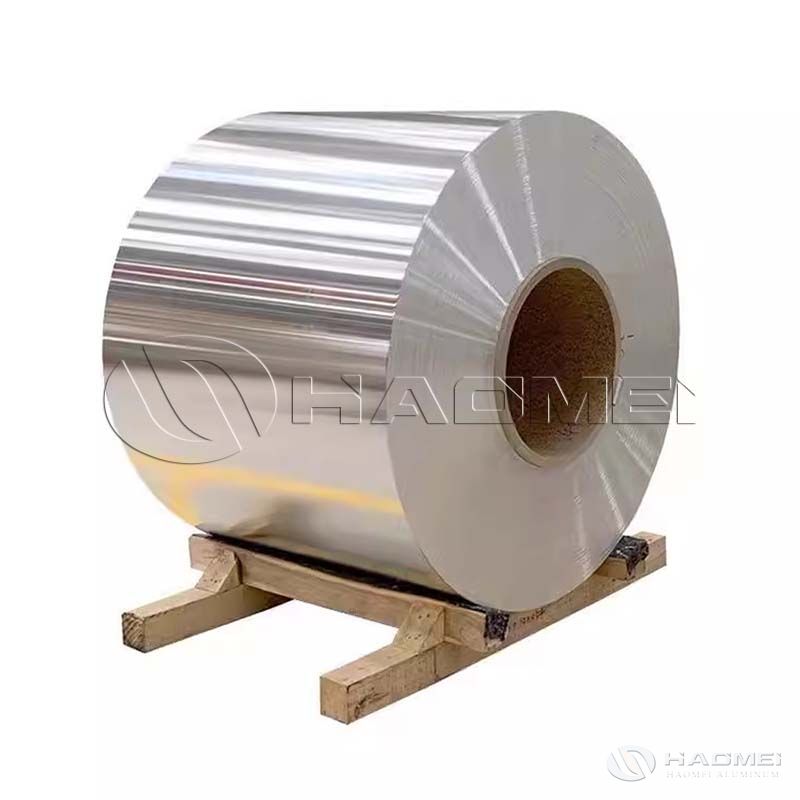 In the food packaging sector, aluminum foil is widely used for products such as composite flexible packaging, containers, meal boxes, sealing lids, and baking packaging due to its excellent barrier properties, light-shielding capabilities, heat resistance
Blog
-
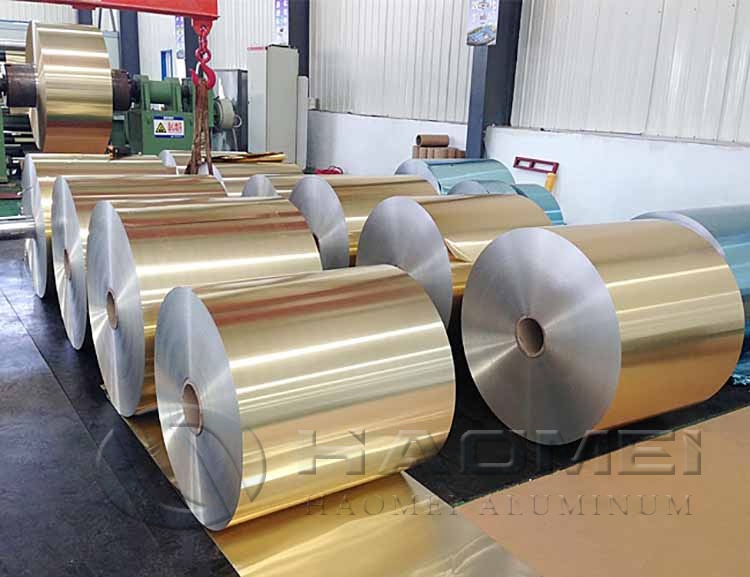 Select air conditioner foil for durable heat-exchanger fins: alloys, hydrophilic coatings, test methods, tolerances, and order specifications for HVAC units.
Blog

Haomei Aluminum CO., LTD.
Tel/Whatsapp: +86-15978414719
Email: sale@alumhm.com
Website: https://www.alumfoils.com
Xin'an Industrial Assemble Region,Luoyang,Henan Province,China
Office Add: 1103, No.14 Waihuan Road, CBD, Zhengzhou, China