Food Container Aluminum Foil Grades, Thickness, Uses, and Buying Guide
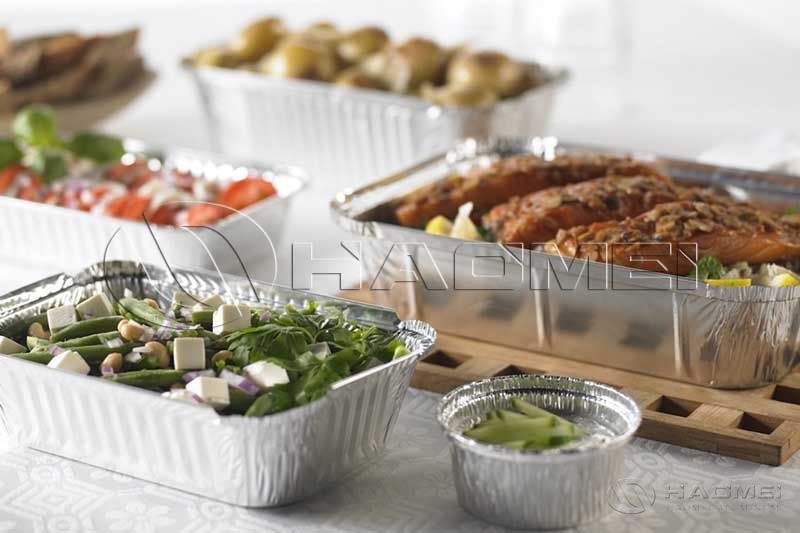
Shop reliable food aluminum foil containers made of 8011, 3003, 8006 alloys. Different thickness specs for household, catering, food processing & outdoor scenarios. Learn selection standards & quality checks here.
Food aluminum foil containers have long been an essential item for households and the catering industry in scenarios such as baking and grilling, takeout packaging, food preservation, and cooked food packaging. Food-grade aluminum foil containers are primarily made of high-end environmentally friendly alloys, with 8011, 3003, and 8006 being the three mainstream food-grade alloys currently on the market.

Mainstream Alloys
1. 8011 Alloy
8011 aluminum foil is heat-resistant, leak-proof, and has stable anti-aging properties. It poses no risk of heavy metal leaching, ensuring safety and compliance. It is suitable for use in conventional ovens, short-term heating in air fryers, low-temperature heating in microwaves, packaging cooked food at room temperature, and refrigerating food.
With moderate hardness and excellent cost-effectiveness, it is perfectly suited for daily household use, ordinary restaurants, and bulk packaging of takeout and fast food. It is the preferred alloy for lightweight and conventional scenarios and is the core material for affordable aluminum foil containers on the market.
The disadvantage is that its stability is slightly inferior to 3003 and 8006 alloys under high-strength, deep-drawing, and prolonged high-temperature conditions.
2. 3003 Alloy
The core advantages of 3003 alloy are its rust and corrosion resistance, strong high-temperature stability, and suitability for demanding applications, primarily targeting the mid-to-high-end commercial market. It is widely used in self-heating food aluminum foil containers, pre-cooked food containers, airline and high-speed rail meal boxes, large-capacity soup bowls, and takeout packaging for heavy oil and soup dishes. It can withstand prolonged high-temperature cooking, constant temperature heating, and repeated cold chain handling without softening, deformation, or leakage.
Compared to 8-series alloys, 3003 has superior resistance to salt spray and acid/alkali corrosion, making it particularly suitable for holding soups, sauces, and marinated ingredients. Its only drawback is its higher price compared to 8011 alloy.
3. 8006 Alloy
8006 alloy is suitable for the production of complex, irregularly shaped aluminum foil containers, deep baking pans, and large-capacity, thickened lunch boxes. The finished products have extremely strong structural integrity and will not warp, collapse, or leak under high-temperature open flame and prolonged baking conditions. Simultaneously, it excels in barrier properties, temperature resistance, and food safety, primarily targeting high-end baking, commercial high-end catering, fine pre-prepared meals, and reusable aluminum foil container applications.
Compared to 3003, 8006 aluminum foil offers greater molding flexibility, easily handling complex shapes; compared to 8011, it boasts comprehensive upgrades in strength, high-temperature resistance, and durability. Its only drawback is its higher cost, making it suitable primarily for high-quality, high-requirement professional applications.
Aluminum Foil Container Thickness Specifications
1. Thin: 0.06mm-0.07mm (60-70μm)
It is of soft texture, lightweight, easy to mold, and inexpensive, which is easily deformed under slight stress, with limited high-temperature resistance, unsuitable for prolonged high-temperature baking.
It is primarily suitable for disposable, lightweight applications: everyday leftover packaging, dry food packaging, dessert serving, and short-term refrigeration. Suitable only for room temperature or short-term low-temperature use; not suitable for prolonged open flame or high-temperature oven heating.
2. Standard Thickness: 0.075mm-0.09mm (75-90μm)
It is a versatile thickness suitable for both home and commercial use, and the most mainstream specification on the market. It is also of moderate hardness, not easily deformed, stable oil and water resistance, can withstand high-temperature heating in regular ovens and air fryers, suitable for most everyday scenarios such as short-time baking, cooked food packaging, fast food portioning, and barbecue ingredient storage.
It offers the best cost-performance ratio, balancing practicality and economy. Standardized commercial containers such as airline meal boxes often use the 0.075mm specification, with the lid using a 0.065mm thin aluminum foil.
3. Thickened Thickness: 0.10mm-0.15mm (100-150μm)
It belongs to high-strength thickened material, featuring high hardness, good support, strong load-bearing capacity, which does not warp, collapse, or leak oil under high temperatures, can withstand long-term high-temperature baking and open flame heating.
It is suitable for storing heavy oil, soup, and large-capacity food and primarily used in baking pans, aluminum foil trays for grilling fish and meat, pre-cooked food containers for high-temperature steaming, and high-end commercial takeaway containers. They are highly durable and resistant to breakage even after repeated use.
Core Applications
Leveraging their advantages of high temperature resistance, heat insulation, sealing, recyclability, and safety (non-toxicity), food aluminum foil containers have applications covering all sectors of home, catering, and food processing, making them one of the best alternatives to disposable plastic containers.
- Daily Home Use: Dedicated containers for air fryers, ovens, and microwave ovens; used for baking cakes, roasting sweet potatoes, grilling meat, and baked rice; portioning leftovers; refrigerating and freezing ingredients to prevent odors and cross-contamination; hygienic and clean packaging for everyday snacks and dried fruits.
- Commercial Catering Scenarios: Leak-proof and heat-insulating packaging for takeaway meals, bento boxes, rice noodles, and soup noodles; direct heating without changing containers; disposable baking pans and containers for barbecue restaurants and other eateries; efficient and convenient, requiring no washing; standardized packaging for hotel, airline, and high-speed rail catering, ensuring safety, hygiene, and suitability for bulk delivery.
- Food Processing Industry: Packaging for pre-cooked meals, frozen foods, and semi-finished cooked foods; suitable for high-temperature sterilization and cold chain transportation; for baking factories, shaping and storing pastries and desserts to improve product appearance and shelf life.
- Outdoor Scenarios: Camping and picnic lunch boxes and baking trays; lightweight and portable; can be heated directly over an open flame, eliminating the need for heavy kitchen utensils; suitable for outdoor cooking needs.
Super Practical Buying Guide
1. Alloy Selection
8011 Alloy: The first choice for affordable, high-volume sales. Suitable for ordinary shallow takeout boxes, dry packaging boxes, and regular disposable wrinkle lunch boxes; stable molding, high yield, and controllable cost; meets the needs of regular food contact and short-term heating.
3003 Alloy: Commercial functional model. Suitable for lunch boxes with soup, pre-cooked food steaming boxes, self-heating lunch boxes, and deep boxes requiring sealing; resistant to soup corrosion, high-temperature cooking, and not easily deformed or leaking; suitable for repeated cold chain handling.
8006 Alloy: High-end food container aluminum foil. Suitable for wrinkle-free glossy lunch boxes, deep-drawn irregularly shaped boxes, large-capacity baking trays, and lunch boxes for long-term high-temperature baking. Highly resilient, deep-drawn without cracking, and offering optimal flatness and high-temperature resistance.
Mandatory Standard: Purchasers must request food contact certification and material reports, strictly prohibiting the use of substandard aluminum or recycled aluminum substrates.
2. Thickness Selection
0.06–0.07mm: Only for lunch box lids and lightweight dry containers; not for deep drawing, soup serving, or high-temperature heating.
0.075–0.09mm: General mass-production specification, suitable for most regular deep and shallow lunch boxes; heatable and can hold small amounts of soup; offers the best balance of cost-effectiveness and yield.
0.10–0.15mm: Thickened special specification, only for large-capacity deep boxes, fish grilling trays, and high-temperature steaming pre-cooked food containers; not required for ordinary products to avoid cost waste.
3. Simplified Standards for Rapid Raw Material Acceptance
Firstly, check the appearance: Clean and uniform surface, free of oil stains, oxidation color differences, and dense pinholes;
Secondly, test stamping: No cracked edges, wrinkles, neat box openings, or whitening after stretching during trial stamping;
Thirdly, check stability: Uniform thickness and stable tension throughout the roll, suitable for high-speed continuous stamping production.
4. Key Misconceptions to Avoid in Procurement
1. Don't prioritize low prices; inferior aluminum substrates significantly increase scrap rates and after-sales risks.
2. Don't blindly use uniform thickness and alloys; precisely match according to the end-use, controlling costs while ensuring quality.
3. For high-end bright finish and deep-drawn products, prioritize hot-rolled 8006 to avoid forming defects.
4. Do not use ordinary 8011 light gauge foil for products involving soup or steaming to prevent corrosion, leakage, and deformation.
- What Is Cold Forming Blister FoilJan 15, 2025
Unlike the common high-temperature blister packaging, cold forming blister foil is stamped at low temperature...
- Aluminum Foil Uses for FoodJul 06, 2023
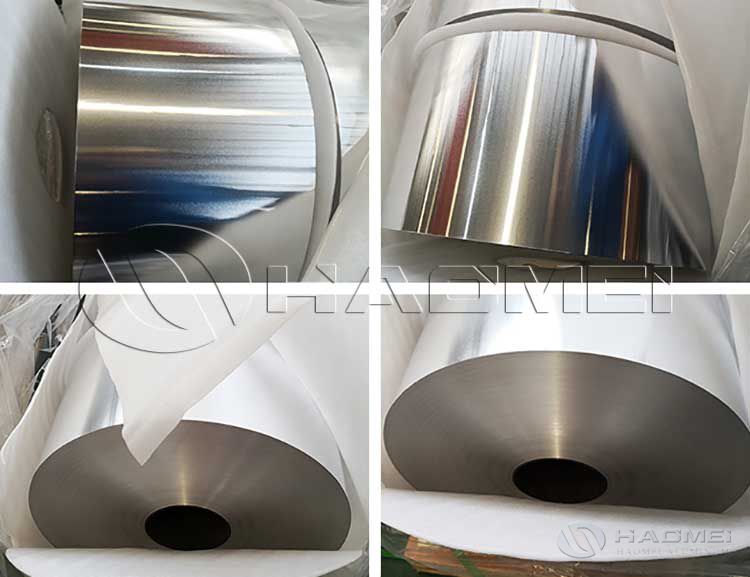
Aluminum foil food is widely use for food packaging, cooking, food tray, bottle cap making. Haomei Aluminum’s...
- What Are Advantages of Aluminum Foil WrapMar 12, 2025
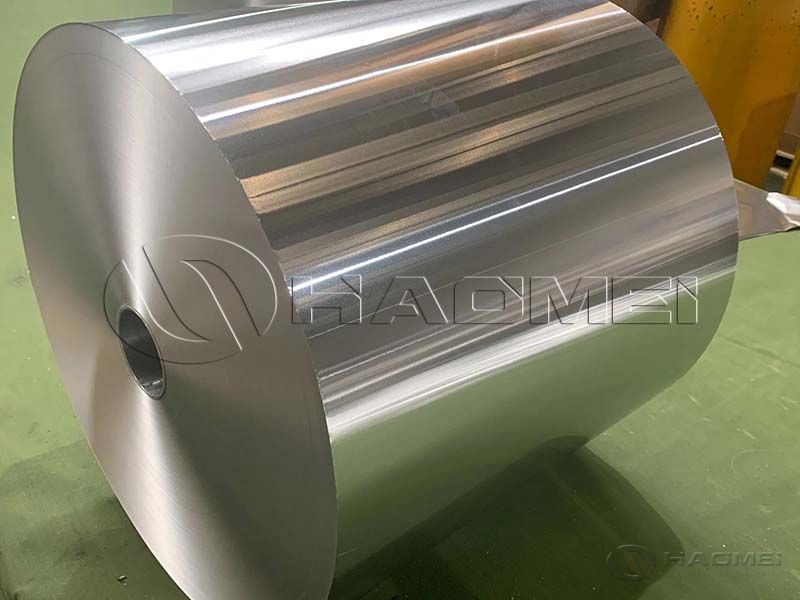
Aluminum foil wrap is used for daily preservation and storage, and kitchen cooking. 3003, 8011, 8006, 1060 ,1...
- Blister Aluminium Foil Base For Pharmaceutical PackagingFeb 25, 2026
Learn how uncoated PTP aluminum foil becomes pharmaceutical-grade blister packaging. Explore surface pretreatm...
- Diverse Uses of Food Aluminum Foil in Household LifeAug 20, 2026
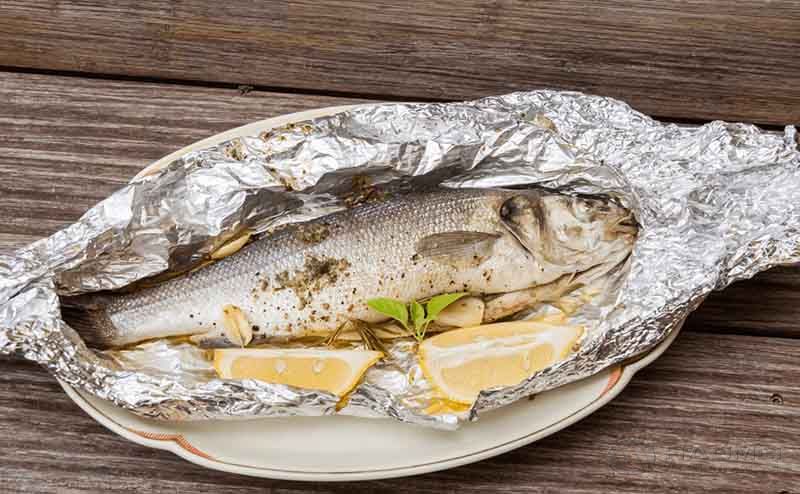
Discover the versatile uses of food-grade aluminum foil in daily cooking, including BBQ grilling, steaming, ov...
Inquiry
Products Category
Latest Application
-
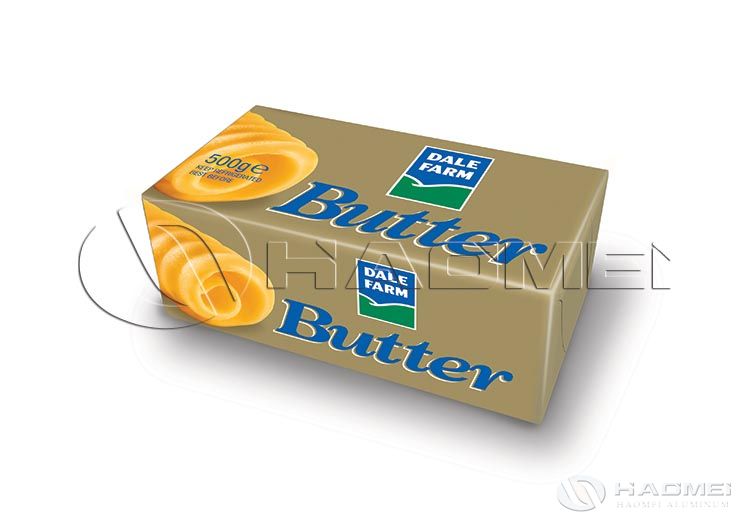 Why butter aluminum foil is neededButter aluminum foil blocks oxygen, moisture, and light, effectively preventing butter from oxidizing and spoiling, preserving nutrients, and significantly extending its shelf life. High-end products can see their sh
application
Why butter aluminum foil is neededButter aluminum foil blocks oxygen, moisture, and light, effectively preventing butter from oxidizing and spoiling, preserving nutrients, and significantly extending its shelf life. High-end products can see their sh
application
-
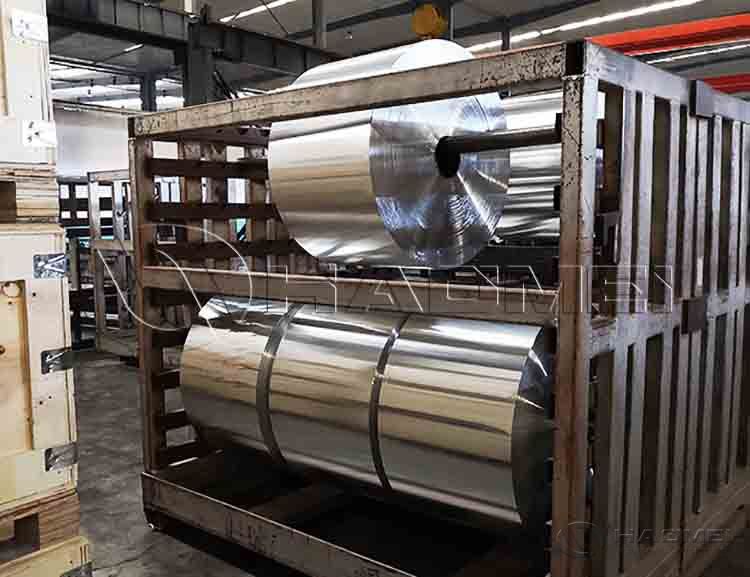 Cables are usually composed of conductors, insulation layers, shielding layers, and sheaths. Aluminum foil for cable is generally located outside the insulation layer as part of the shielding layer. It fits tightly to the surface of the insulation la
application
Cables are usually composed of conductors, insulation layers, shielding layers, and sheaths. Aluminum foil for cable is generally located outside the insulation layer as part of the shielding layer. It fits tightly to the surface of the insulation la
application
-
Aluminum Gold Foil Paper For Chocolate Wrapping
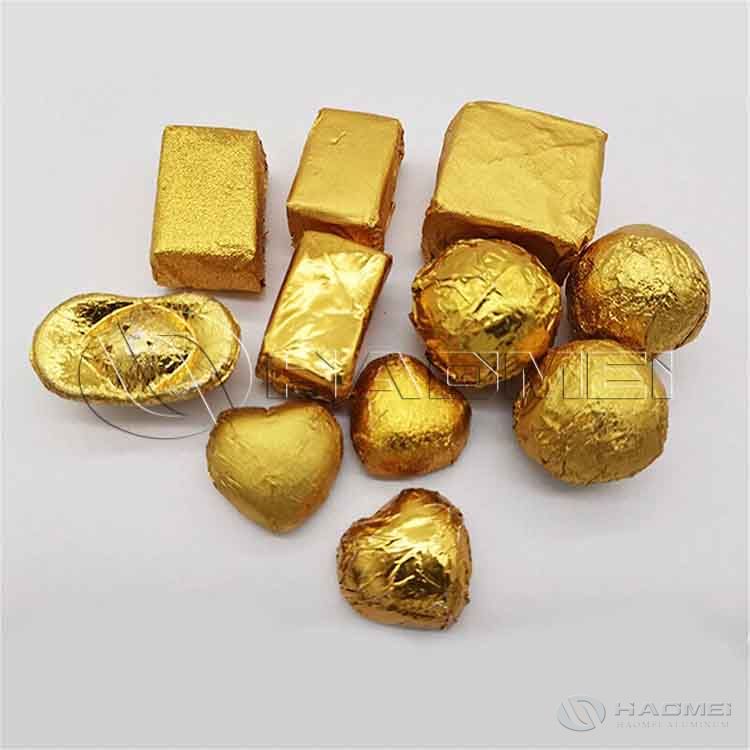 When is aluminum foil used for chocolate wrappingThe use of aluminium foil food for chocolate can be traced back to the early 20th century. In 1911, Swiss candy companies began to wrap chocolate with aluminum foil, gradually replacing the tin foil. T
application
When is aluminum foil used for chocolate wrappingThe use of aluminium foil food for chocolate can be traced back to the early 20th century. In 1911, Swiss candy companies began to wrap chocolate with aluminum foil, gradually replacing the tin foil. T
application
-
PVC Rigid Film and Aluminum Foil for Medicine Packaging
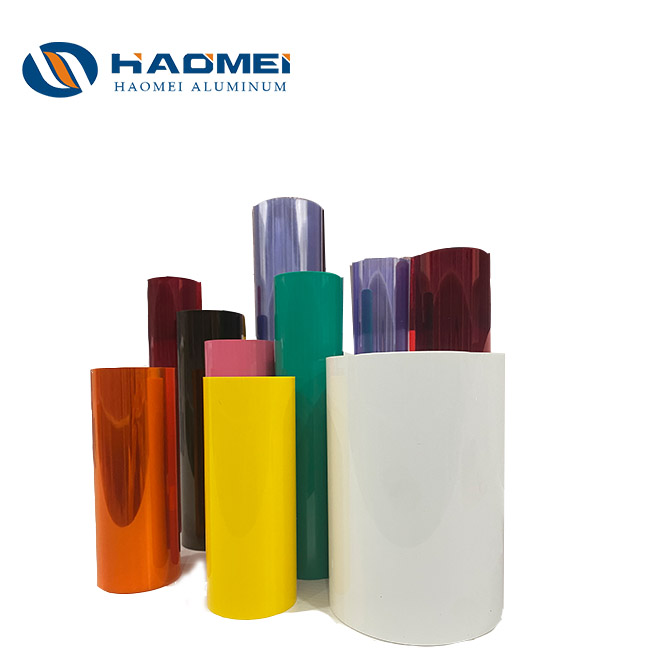 Haomei Aluminum provides different types of aluminum foil and plastic rigid films like PTP aluminum foil, cold forming foil, tropical foil, PVC rigid film, PE/PET film,etc. Best Price! Inquire now.
application
Haomei Aluminum provides different types of aluminum foil and plastic rigid films like PTP aluminum foil, cold forming foil, tropical foil, PVC rigid film, PE/PET film,etc. Best Price! Inquire now.
application
-
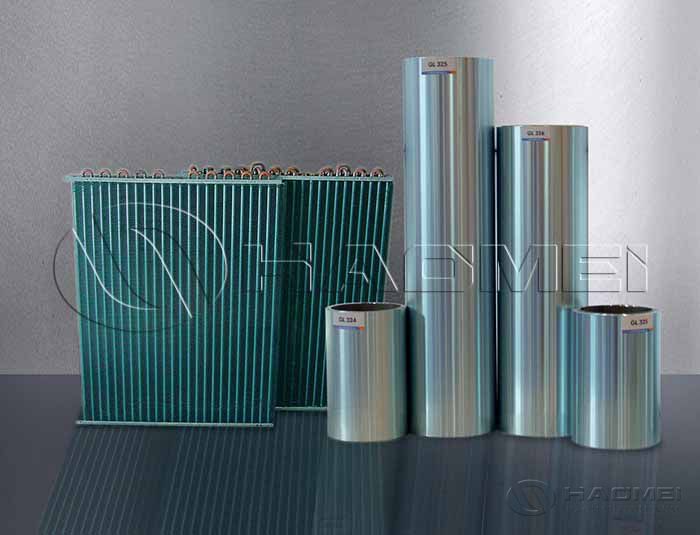 Haomei Aluminum offers you different colors of air conditioner aluminum foil like hydrophilic aluminum foil, including1100/ 3003 /8006/8011 aluminum foil,etc. Learn more.
application
Haomei Aluminum offers you different colors of air conditioner aluminum foil like hydrophilic aluminum foil, including1100/ 3003 /8006/8011 aluminum foil,etc. Learn more.
application
Latest Blog
-
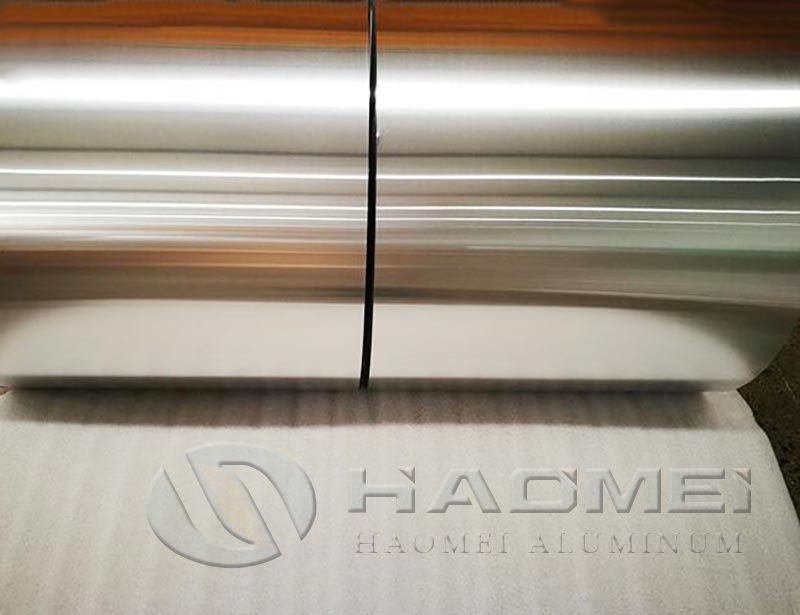 Specify 8011 aluminium foil with practical chemistry, pinhole, temper, testing and packaging checks for reliable food and pharmaceutical conversion.
Blog
Specify 8011 aluminium foil with practical chemistry, pinhole, temper, testing and packaging checks for reliable food and pharmaceutical conversion.
Blog
-
3003, 8011 and 8006 Aluminum Foil for Food Packing
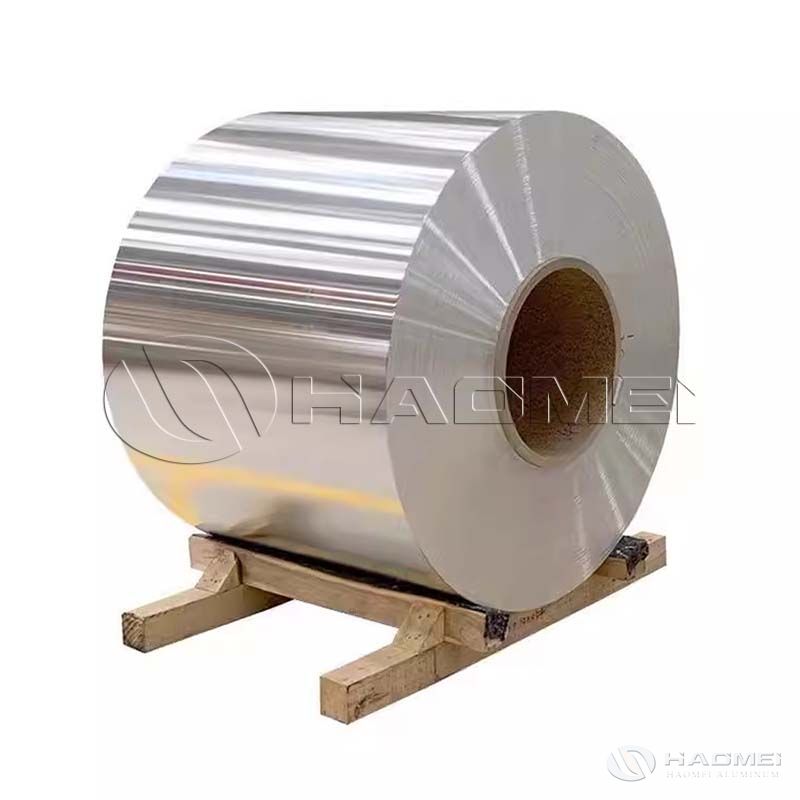 In the food packaging sector, aluminum foil is widely used for products such as composite flexible packaging, containers, meal boxes, sealing lids, and baking packaging due to its excellent barrier properties, light-shielding capabilities, heat resistance
Blog
In the food packaging sector, aluminum foil is widely used for products such as composite flexible packaging, containers, meal boxes, sealing lids, and baking packaging due to its excellent barrier properties, light-shielding capabilities, heat resistance
Blog
-
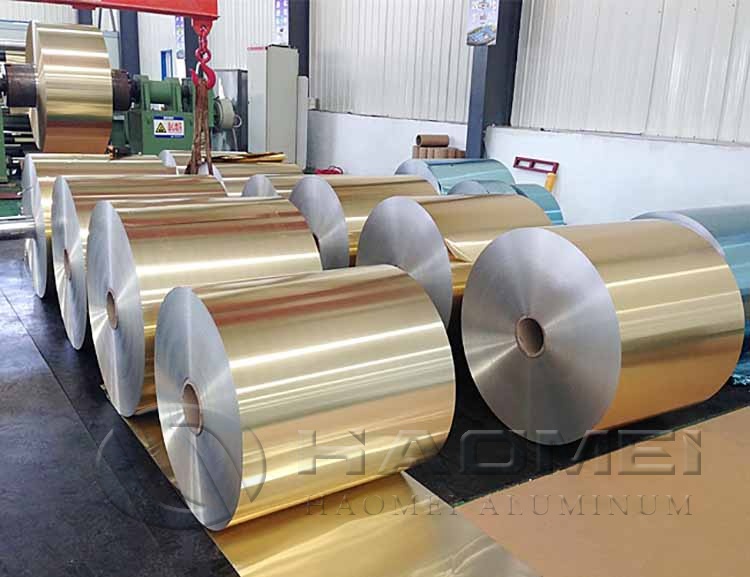 Select air conditioner foil for durable heat-exchanger fins: alloys, hydrophilic coatings, test methods, tolerances, and order specifications for HVAC units.
Blog
Select air conditioner foil for durable heat-exchanger fins: alloys, hydrophilic coatings, test methods, tolerances, and order specifications for HVAC units.
Blog
-
Aluminum Foil Jumbo Roll for Flexible Packaging Laminates
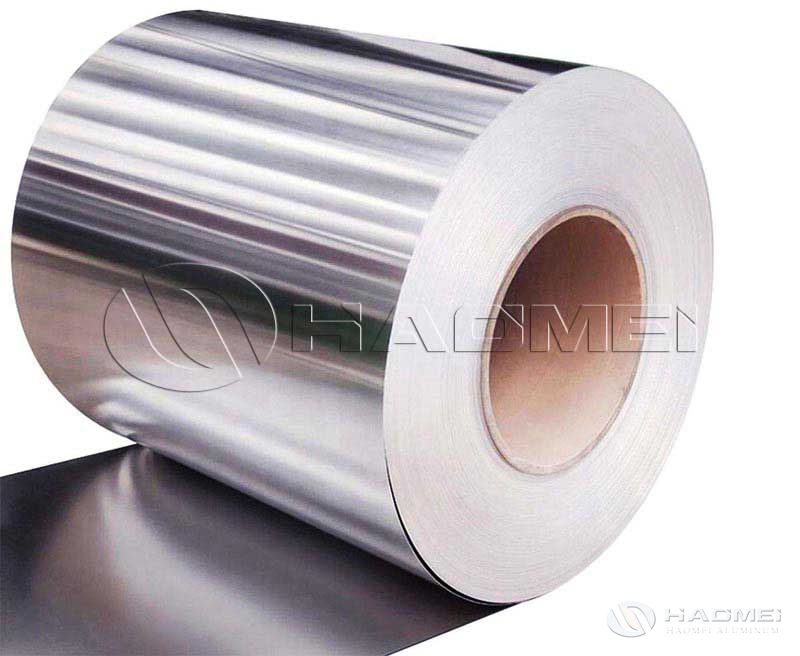 Compare 1235 pure aluminum & 8011 alloy foil jumbo rolls for flexible packaging lamination. Learn their differences in material properties, performance, pros & cons, and key application scenarios to choose the right foil for food, pharmaceutical & consume
Blog
Compare 1235 pure aluminum & 8011 alloy foil jumbo rolls for flexible packaging lamination. Learn their differences in material properties, performance, pros & cons, and key application scenarios to choose the right foil for food, pharmaceutical & consume
Blog
-
 Plan year-end capacitor production with specified aluminum foil: purity, temper, surface controls, test documents, and shipment timing that reduce line risk.
Blog
Plan year-end capacitor production with specified aluminum foil: purity, temper, surface controls, test documents, and shipment timing that reduce line risk.
Blog

Haomei Aluminum CO., LTD.
Tel/Whatsapp: +86-15978414719
Email: sale@alumhm.com
Website: https://www.alumfoils.com
Xin'an Industrial Assemble Region,Luoyang,Henan Province,China
Office Add: 1103, No.14 Waihuan Road, CBD, Zhengzhou, China