Blister Aluminium Foil Base For Pharmaceutical Packaging
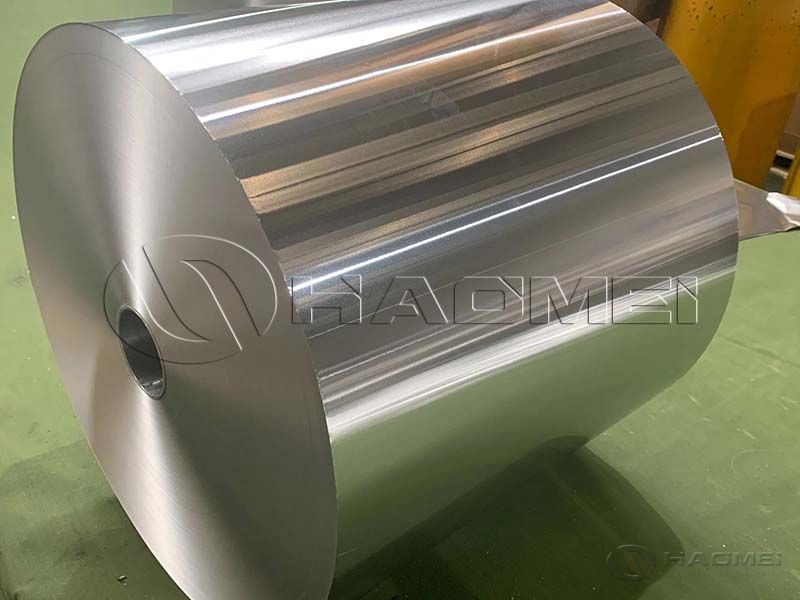
Learn how uncoated PTP aluminum foil becomes pharmaceutical-grade blister packaging. Explore surface pretreatment, coating processes, quality control & safety for medicine protection.
Every time you open a blister pack of tablets or capsules and press your fingertip against that thin yet strong aluminum foil, have you ever wondered—this "barrier" protecting drug safety originally started as a roll of uncoated, gleaming silver aluminum foil?
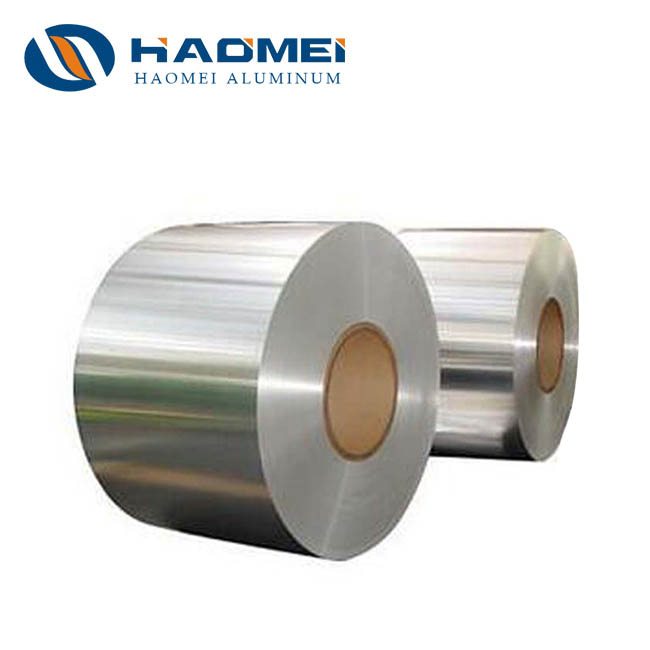
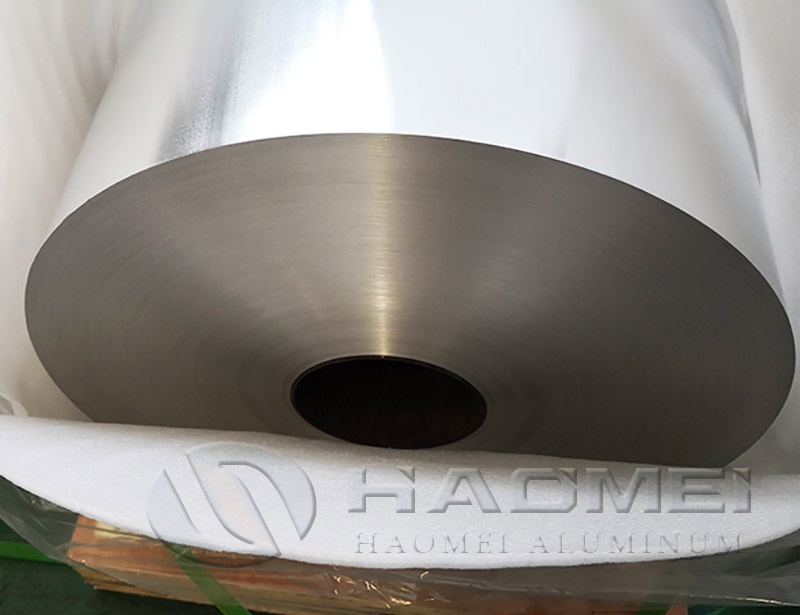
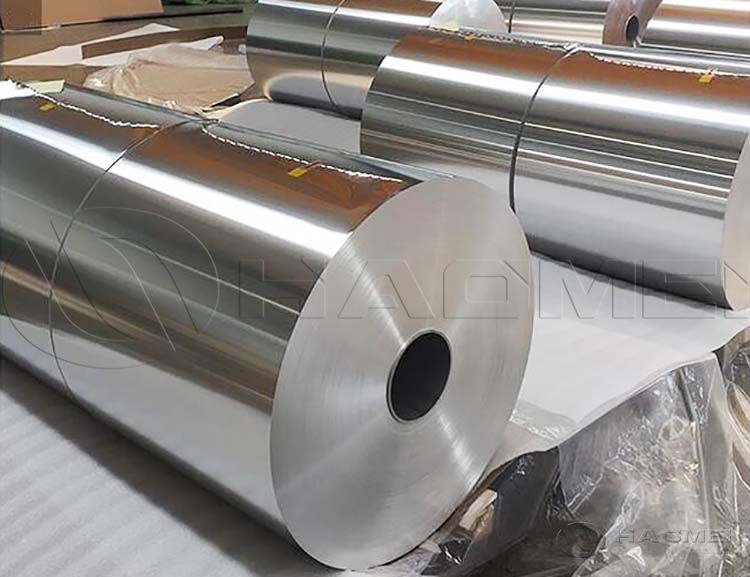
In the pharmaceutical packaging industry, PTP aluminum foil (pharmaceutical blister foil) is the "standard protective clothing" for oral solid dosage forms. Its creation began with a series of precise processing and rigorous refinement of large rolls of PTP aluminium foil uncoated. Today, we'll unlock how this "plain aluminum foil" transformed into a core material for pharmaceutical-grade blister packaging.

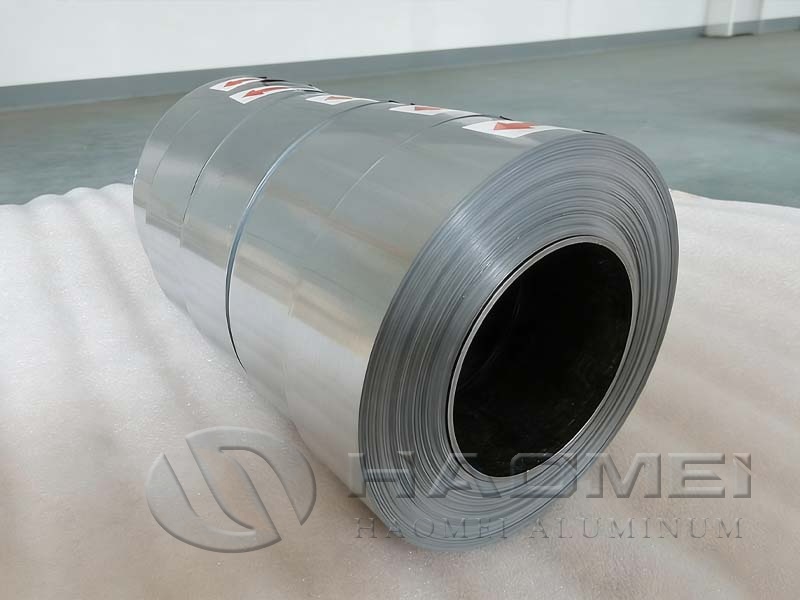
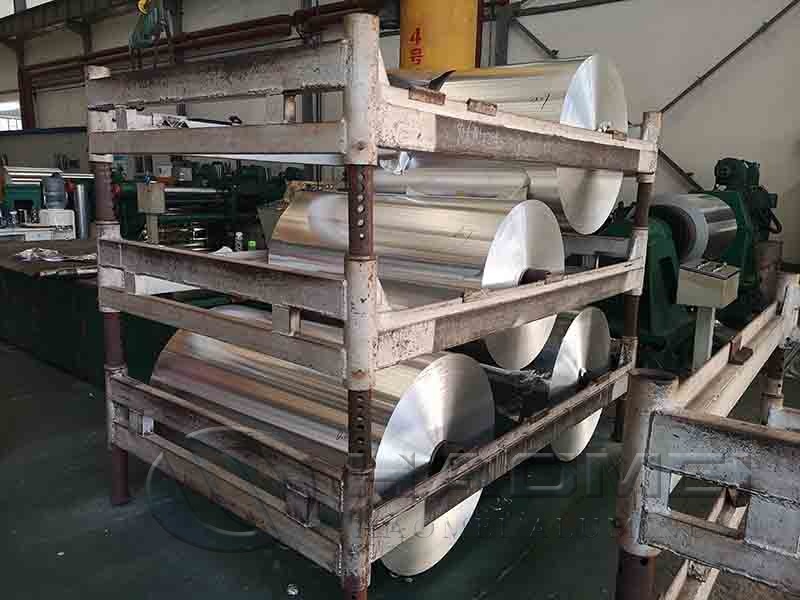
Large rolls of uncoated PTP aluminum foil cannot be used directly in pharmaceutical blister packaging. Like a rough, unpolished gem, it possesses the potential to become a "precious item," but requires multiple professional processes to meet the pharmaceutical industry's extreme requirements for safety, barrier properties, and ease of handling. And the foundation of all this lies in the stringent selection of materials for the uncoated aluminum foil rolls themselves.
Once qualified rolls of blister aluminium foil base enter the production workshop, the true "transformation journey" officially begins. Every process revolves around "pharmaceutical safety," allowing no room for carelessness. The core process can be divided into three key steps, progressively upgrading ordinary aluminum foil into pharmaceutical-grade material.
Step 1: Surface Pre-treatment
Although the surface of uncoated aluminum foil rolls is clean, its surface tension is low. Direct coating will lead to coating peeling and weak adhesion. Therefore, the aluminum foil surface first needs to undergo corona treatment. High-voltage discharge alters the molecular structure of the aluminum foil surface, increasing the surface tension to 32-38 dynes/cm, allowing the subsequent coating to adhere tightly to the aluminum foil surface and resist peeling.
Simultaneously, this step further removes residual rolling oil and impurities from the aluminum foil surface, ensuring the surface roughness is controlled within 0.2-0.4μm, fully preparing for subsequent processing. It is worth noting that the entire pretreatment process must be carried out in a Class 300,000 cleanroom to avoid contamination of the aluminum foil by environmental dust and impurities.
Step 2: Core Coating
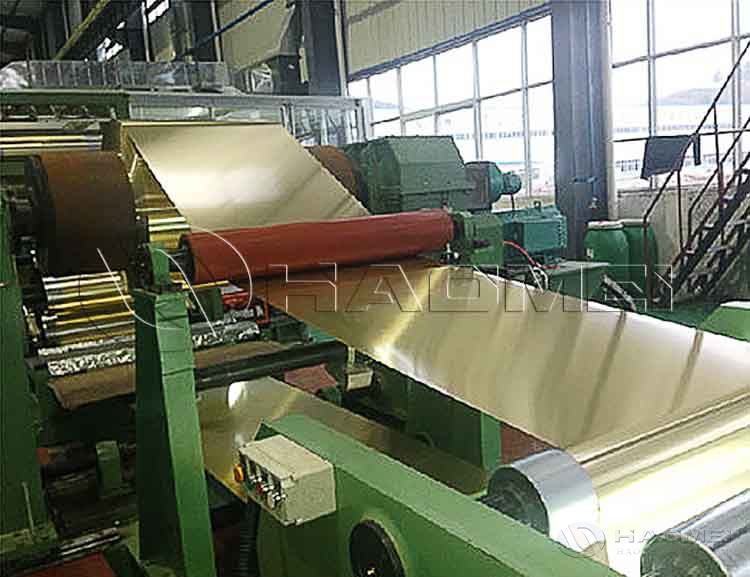
This is a crucial step in the transformation from uncoated aluminum foil rolls to pharmaceutical blister foil, and it's also the stage that best reflects the stringent pharmaceutical standards. The coating process uses gravure printing, precisely applying two core coating layers to the pre-treated aluminum foil surface. Each layer has a clear function and is indispensable.
The inner layer is the heat-sealing layer, which directly adheres to the pharmaceutical blister (PVC or PVDC rigid sheet), using pharmaceutical-grade materials such as vinyl ester resin. Its core function is to achieve a tight heat seal between the aluminum foil and the blister, ensuring the packaging's airtightness and preventing the entry of external moisture, oxygen, and dust.
It must also possess good heat-sealing strength; it cannot easily detach, causing drug leakage, nor can it be too strong, hindering the consumer's ability to open the package. During the coating process, precise control of the coating thickness and uniformity is required to avoid uneven coating or missed areas, which would directly affect the sealing effect and threaten drug safety.
The outer layer is the protective layer (also known as the printed base layer), using environmentally friendly pharmaceutical materials such as acrylic-amino resin. Its main functions are twofold: first, to protect the aluminum foil itself, preventing oxidation and discoloration, and extending its shelf life; second, to serve as a printing base, carrying key information such as the drug name, specifications, production date, and expiration date.
Pharmaceutical-grade solvent-free ink is used for printing to ensure the ink does not peel off, migrate, or contaminate the drug. The printing process requires high precision and clear colors, and also needs to undergo drying treatment to ensure rapid ink curing and avoid residual solvents.
Step3: Post-processing and Testing
After coating, the aluminum foil still needs to undergo post-processing steps such as rolling and slitting. Based on the specifications of the downstream pharmaceutical companies' blister packaging equipment, the large rolls of aluminum foil are slit into smaller rolls of appropriate width to facilitate subsequent blister forming and drug packaging. However, this does not mean the end of the transformation; the most stringent test is yet to come—full-process quality testing.
Some may wonder why, instead of directly using coated aluminum foil, we start with uncoated large rolls? In fact, this is precisely where the professionalism of pharmaceutical blister aluminum foil lies. Using uncoated PTP aluminum foil rolls as the substrate ensures maximum purity and stability of the aluminum foil, avoiding problems such as impurity contamination and coating aging that can occur with pre-coating.
Furthermore, customized coating processes allow for adjustments to coating materials and thickness based on the characteristics of different pharmaceuticals (such as moisture absorption or photosensitivity), achieving targeted protection. For example, a light-shielding coating can be added for photosensitive drugs, while a stronger barrier coating can be used for moisture-absorbing drugs, ensuring that each drug receives its own specific protection.
- Battery and Aluminum FoilJun 10, 2026
Battery and aluminum foil sourcing plan for holiday electronics: compare 1235/1050 specs, QC steps, compliance...
- Food Tray FoilMar 25, 2026
Food tray foil article covering alloy selection, tempers, compliance, cost drivers, supply checks, and sourcin...
- 3003 Aluminum FoilJul 09, 2026
3003 aluminum foil specs, tempers, forming tests, compliance, cost drivers, and sourcing checks for container...
- What Is Thickness of Standard Aluminum FoilSep 25, 2023
Generally speaking, the thickness of standard aluminum foil is between 0.01mm and 0.2mm. The thickness require...
- Aluminium Foil Grades for Food Packaging: 8011, 3003, 1235 and 8079Sep 01, 2026
Compare 8011, 3003, 1235 & 8079 food‑grade aluminum foil alloys. Check cost‑performance, barrier performance,...
Inquiry
Products Category
Latest Application
-
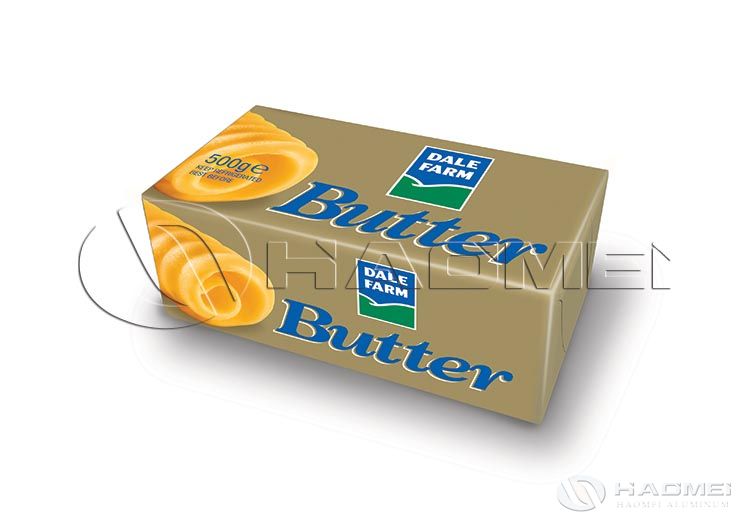 Why butter aluminum foil is neededButter aluminum foil blocks oxygen, moisture, and light, effectively preventing butter from oxidizing and spoiling, preserving nutrients, and significantly extending its shelf life. High-end products can see their sh
application
Why butter aluminum foil is neededButter aluminum foil blocks oxygen, moisture, and light, effectively preventing butter from oxidizing and spoiling, preserving nutrients, and significantly extending its shelf life. High-end products can see their sh
application
-
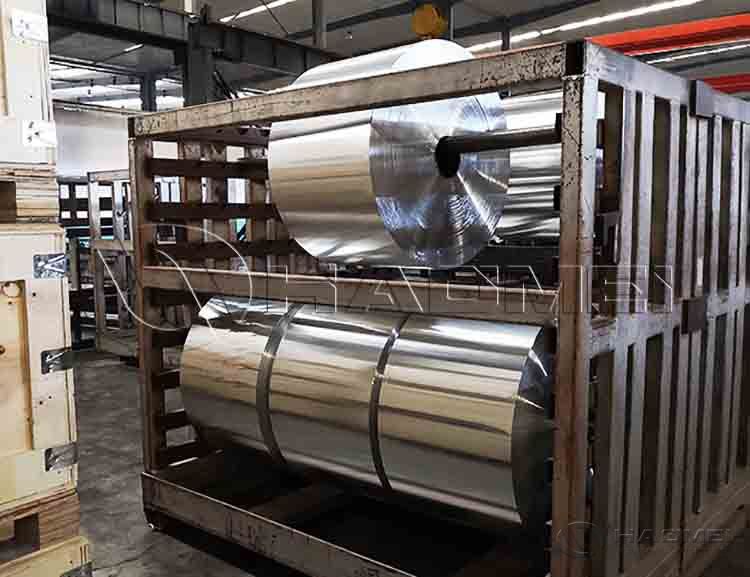 Cables are usually composed of conductors, insulation layers, shielding layers, and sheaths. Aluminum foil for cable is generally located outside the insulation layer as part of the shielding layer. It fits tightly to the surface of the insulation la
application
Cables are usually composed of conductors, insulation layers, shielding layers, and sheaths. Aluminum foil for cable is generally located outside the insulation layer as part of the shielding layer. It fits tightly to the surface of the insulation la
application
-
Aluminum Gold Foil Paper For Chocolate Wrapping
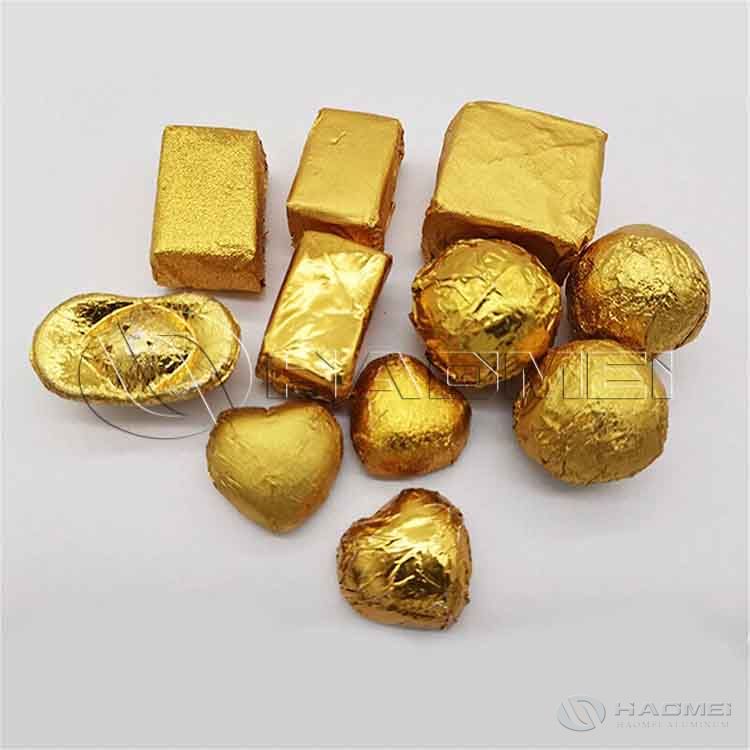 When is aluminum foil used for chocolate wrappingThe use of aluminium foil food for chocolate can be traced back to the early 20th century. In 1911, Swiss candy companies began to wrap chocolate with aluminum foil, gradually replacing the tin foil. T
application
When is aluminum foil used for chocolate wrappingThe use of aluminium foil food for chocolate can be traced back to the early 20th century. In 1911, Swiss candy companies began to wrap chocolate with aluminum foil, gradually replacing the tin foil. T
application
-
PVC Rigid Film and Aluminum Foil for Medicine Packaging
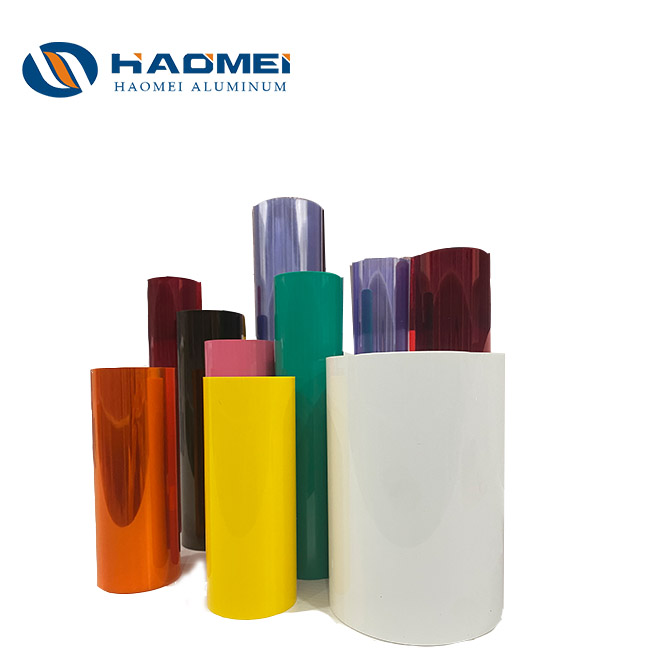 Haomei Aluminum provides different types of aluminum foil and plastic rigid films like PTP aluminum foil, cold forming foil, tropical foil, PVC rigid film, PE/PET film,etc. Best Price! Inquire now.
application
Haomei Aluminum provides different types of aluminum foil and plastic rigid films like PTP aluminum foil, cold forming foil, tropical foil, PVC rigid film, PE/PET film,etc. Best Price! Inquire now.
application
-
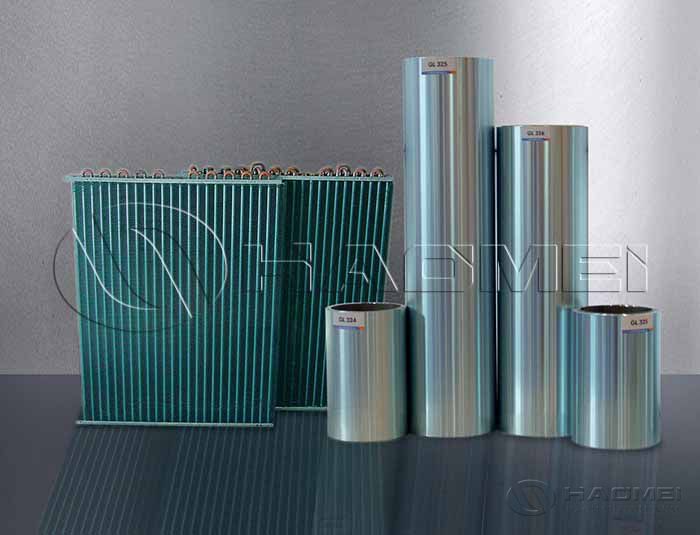 Haomei Aluminum offers you different colors of air conditioner aluminum foil like hydrophilic aluminum foil, including1100/ 3003 /8006/8011 aluminum foil,etc. Learn more.
application
Haomei Aluminum offers you different colors of air conditioner aluminum foil like hydrophilic aluminum foil, including1100/ 3003 /8006/8011 aluminum foil,etc. Learn more.
application
Latest Blog
-
3003, 8011 and 8006 Aluminum Foil for Food Packing
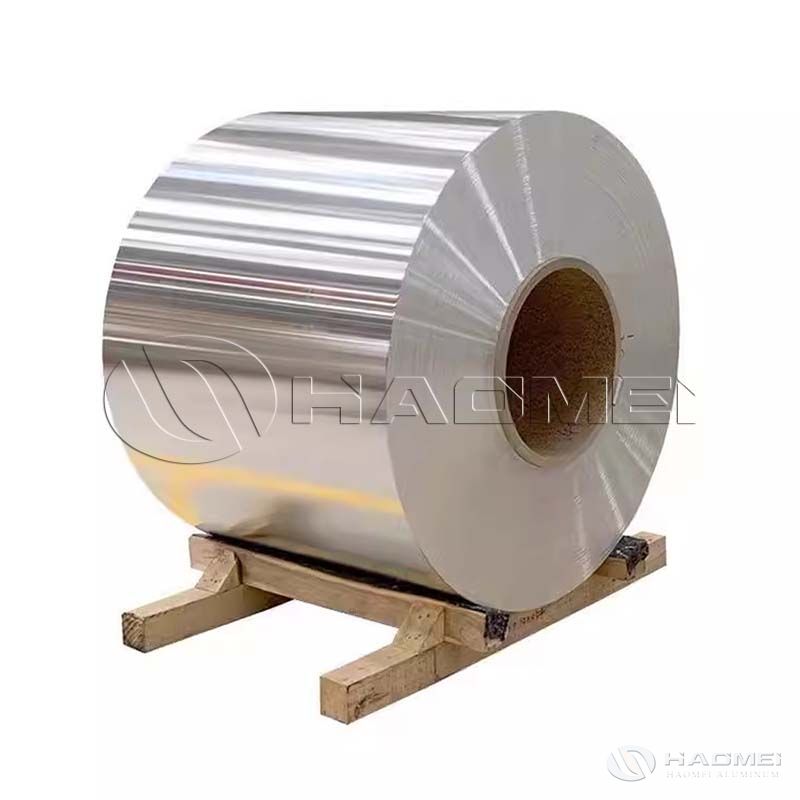 In the food packaging sector, aluminum foil is widely used for products such as composite flexible packaging, containers, meal boxes, sealing lids, and baking packaging due to its excellent barrier properties, light-shielding capabilities, heat resistance
Blog
In the food packaging sector, aluminum foil is widely used for products such as composite flexible packaging, containers, meal boxes, sealing lids, and baking packaging due to its excellent barrier properties, light-shielding capabilities, heat resistance
Blog
-
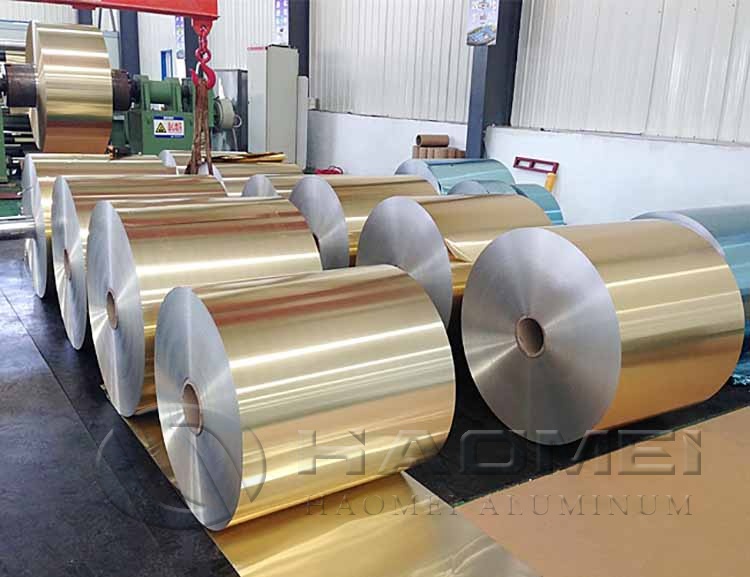 Select air conditioner foil for durable heat-exchanger fins: alloys, hydrophilic coatings, test methods, tolerances, and order specifications for HVAC units.
Blog
Select air conditioner foil for durable heat-exchanger fins: alloys, hydrophilic coatings, test methods, tolerances, and order specifications for HVAC units.
Blog
-
Aluminum Foil Jumbo Roll for Flexible Packaging Laminates
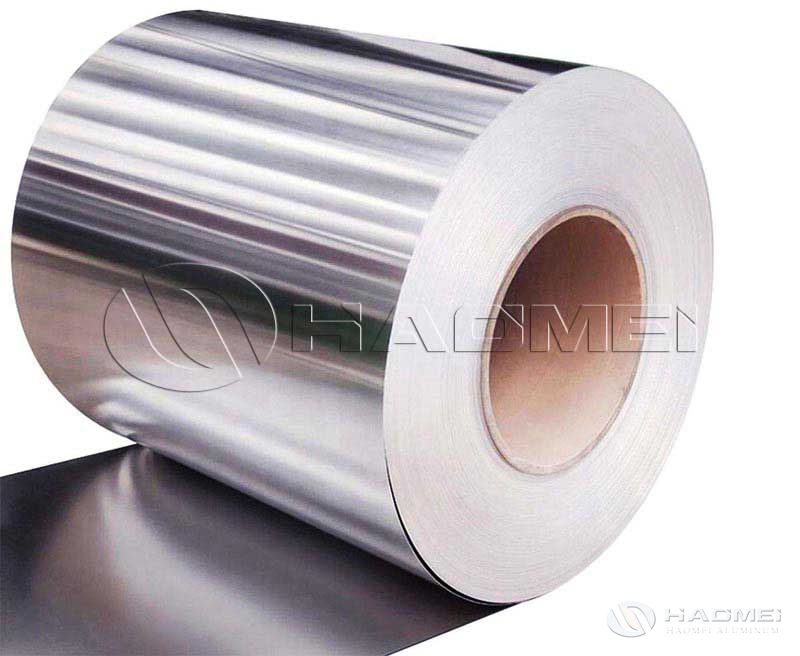 Compare 1235 pure aluminum & 8011 alloy foil jumbo rolls for flexible packaging lamination. Learn their differences in material properties, performance, pros & cons, and key application scenarios to choose the right foil for food, pharmaceutical & consume
Blog
Compare 1235 pure aluminum & 8011 alloy foil jumbo rolls for flexible packaging lamination. Learn their differences in material properties, performance, pros & cons, and key application scenarios to choose the right foil for food, pharmaceutical & consume
Blog
-
 Plan year-end capacitor production with specified aluminum foil: purity, temper, surface controls, test documents, and shipment timing that reduce line risk.
Blog
Plan year-end capacitor production with specified aluminum foil: purity, temper, surface controls, test documents, and shipment timing that reduce line risk.
Blog
-
Where To Find a Reliable Air Conditioner Fin Foil Supplier
 In the competitive HVAC industry, the quality of air conditioner fin stock directly determines the heat exchange efficiency, durability, and energy-saving performance of air conditioning equipment. For manufacturers, distributors, and processing enterpris
Blog
In the competitive HVAC industry, the quality of air conditioner fin stock directly determines the heat exchange efficiency, durability, and energy-saving performance of air conditioning equipment. For manufacturers, distributors, and processing enterpris
Blog

Haomei Aluminum CO., LTD.
Tel/Whatsapp: +86-15978414719
Email: sale@alumhm.com
Website: https://www.alumfoils.com
Xin'an Industrial Assemble Region,Luoyang,Henan Province,China
Office Add: 1103, No.14 Waihuan Road, CBD, Zhengzhou, China