Food Container Aluminum
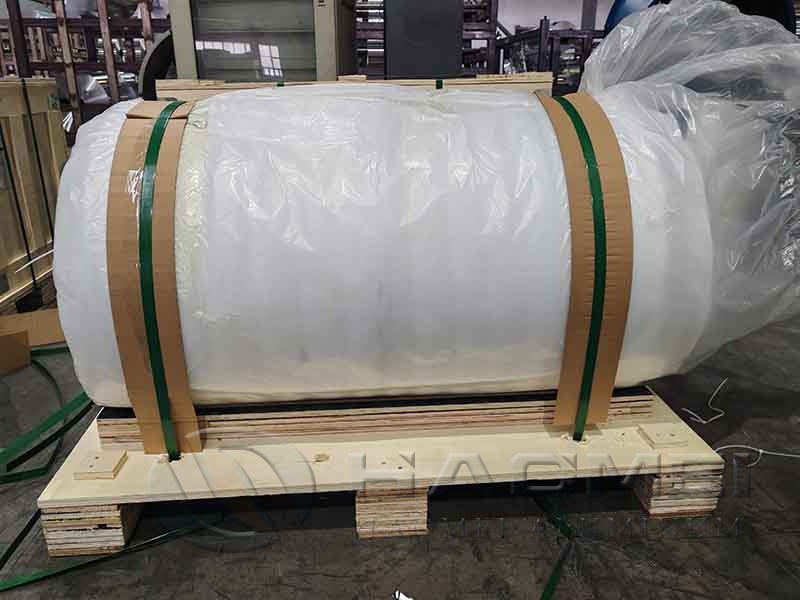
Food container aluminum selection for trays and packaging: compare 3003, 3004, 8011, 8006, food-contact rules, thickness, cost, and quality checks.
Food packaging companies, converters, and processors usually ask one question first: which aluminum grade gives the safest and most stable container performance at an acceptable cost?
For most applications, the top concern is forming performance without cracking. Deep-drawn trays, airline meal boxes, takeaway pans, and ovenable containers all depend on the right alloy, temper, and thickness combination. A low price per ton is not helpful if ear formation, pinholes, or rim cracks raise rejection rates.

What food-contact aluminum must meet
Aluminum used in food containers is not selected by appearance alone. It must meet food-contact requirements, mechanical targets, and process stability.
Common reference frameworks include:
- U.S. FDA food-contact regulations, including 21 CFR general requirements for indirect food-contact materials.
- EU Framework Regulation (EC) No 1935/2004 for materials intended to contact food.
- Good manufacturing practice under Commission Regulation (EC) No 2023/2006.
- China GB standards often requested in export supply chains, especially for food-contact packaging testing.
- Alloy composition standards such as EN 573, ASTM B479, or equivalent mill specifications.
Important note: regulations usually assess whether the final material is suitable for food contact, while alloy standards define composition and tolerances. Both matter during sourcing.
Best alloys for trays and food packs
In practical production, four grades appear most often in rigid and semi-rigid food packaging.
| Alloy | Typical use | Main advantage | Main caution |
|---|---|---|---|
| 3003 | Foil containers, trays | Good formability, stable strength | Not always best for very deep draw |
| 3004 | Multi-cavity trays, stronger containers | Higher strength than 3003 | Cost may be slightly higher |
| 8006 | Wrinkle-wall and smooth-wall containers | Excellent container-forming performance | Supply availability can vary by region |
| 8011 | Household foil, lids, light packaging | Wide availability, good value | For rigid trays, strength/forming balance must be checked carefully |
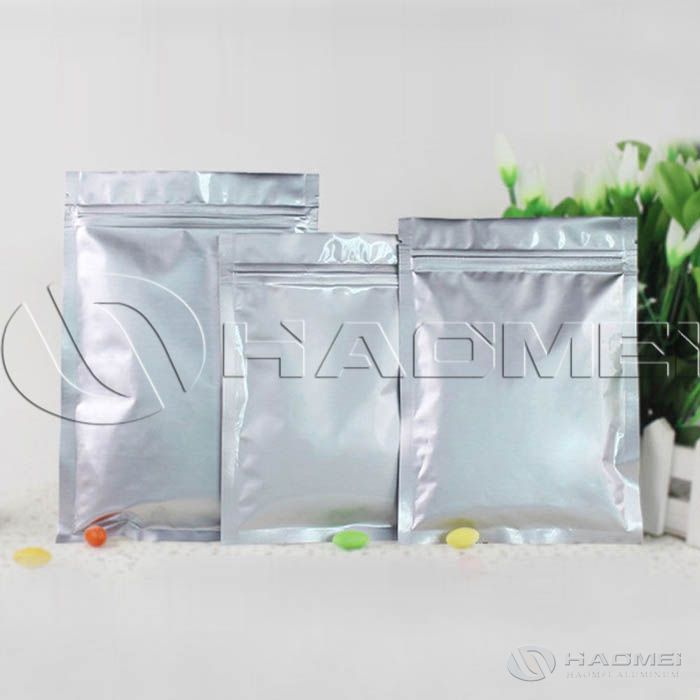
For formed containers, mills often recommend 3003 Aluminum Foil for Container and Electronics or 8006 Aluminium Foil for Container because both are widely recognized in container production, especially where stamping consistency matters.
How to choose by application
Use this checklist before requesting quotations.
1. Define the container type
- Smooth-wall tray
- Wrinkle-wall tray
- Airline meal box
- Bakery pan
- Pet food container
- Lidding foil or laminated cover
Deep-drawn and wrinkle-wall containers usually need better elongation and forming stability than flat covers.
2. Match alloy and temper
Common tempers include H22, H24, and O, depending on process route and finished shape. A softer temper generally improves formability, while harder tempers improve stiffness. The best option depends on draw depth and wall design.
3. Confirm thickness range
Typical foil container stock is often around 0.035 mm to 0.200 mm, depending on end use. Light household trays may use thinner gauges, while heavy-duty catering pans need more rigidity.
4. Check food-contact documents
Ask for:
- Mill test certificate
- Alloy and temper declaration
- Food-contact compliance statement
- Coating or lubricant declaration if applicable
- Migration or related test documentation when required by destination market
5. Verify converting performance
Ask the supplier about:
- Cup value or deep-drawing performance
- Earing behavior
- Surface cleanliness
- Pinholes
- Coil flatness and edge quality
- Lubrication status for stamping
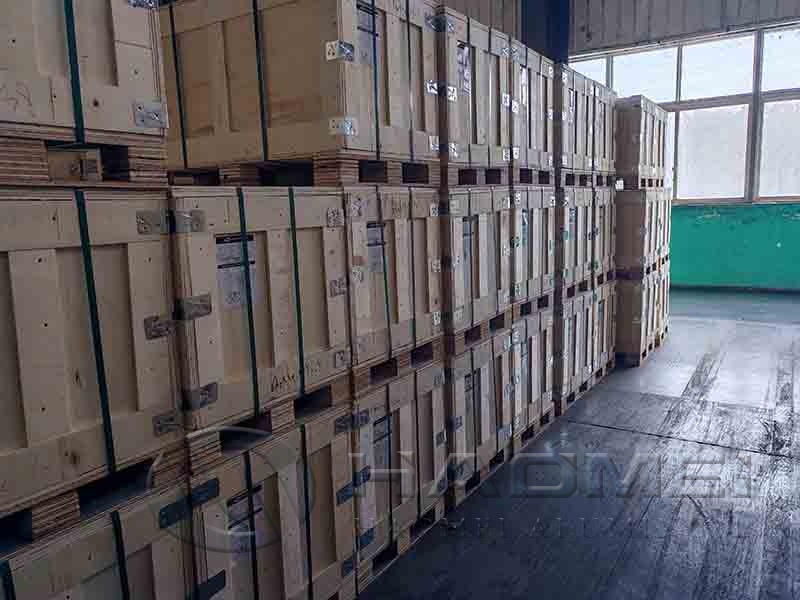
Comparison table for sourcing decisions
This table helps narrow the most common options.
| Requirement | Better fit | Why |
|---|---|---|
| Lowest-cost general food wrap or lid stock | 8011 | Broad market availability and mature processing |
| Better rigid container strength | 3004 | Higher strength supports tray stiffness |
| Reliable wrinkle-wall container forming | 8006 | Well known for strong anti-crack performance |
| Balanced cost and container processability | 3003 | Popular industrial choice for formed trays |
| Better corrosion resistance in some food environments | 3xxx series | Manganese-containing grades are commonly used in containers |
If the project is a standard takeaway tray, start comparison with 3003 and 8006. If the product is closer to household wrap, lid stock, or light food packaging, 8011 is frequently shortlisted.
Price factors that actually change your total cost
Published exchange prices for aluminum move with LME or SHFE trends, but finished container stock pricing depends on more than metal value.
Main cost drivers:
- Alloy series and premium
- Gauge tolerance requirement
- Surface quality level
- Annealing control
- Width and core specification
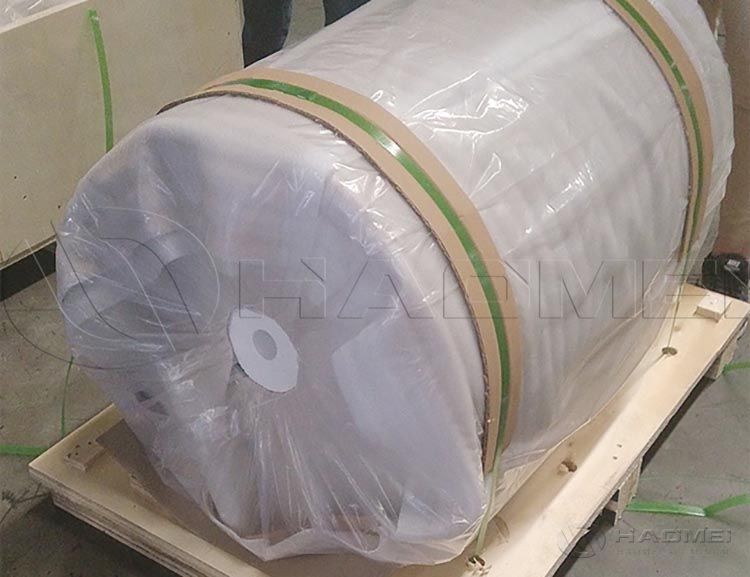
- Export packaging method
- Coating, printing, or lamination requirements
- Order size and repeatability
In recent market practice, 8xxx foil grades used for packaging often remain competitive because of high global usage, while specialty container grades may carry a processing premium when forming performance is tightly controlled. This is why comparing only base metal price can be misleading.
Quality problems to catch before signing a contract
Shortlist suppliers only after these checks.
| Risk | What to ask | Why it matters |
|---|---|---|
| Rim cracking | Forming test data | Cracks raise scrap during stamping |
| Pinholes | Pinhole inspection standard | Important for barrier performance and appearance |
| Oil residue | Surface cleanliness report | Excess residue can affect food-contact processing |
| Poor flatness | Coil shape tolerance | Feeding stability affects press speed |
| Wrong hardness | Temper verification | Directly impacts draw depth and tray stiffness |
| Thickness variation | Gauge tolerance data | Uneven wall strength causes defects |
A useful procurement step is to request trial rolls and confirm production speed, scrap rate, and finished tray nesting performance. One successful press trial is often more valuable than a low headline quote.
Current market trend: lighter containers with better strength
A notable trend in food packaging is downgauging. Brands want lower material use without losing stackability or oven performance. That increases demand for alloys with stronger formability-strength balance, especially in ready-meal, airline catering, and retail bakery packaging.
At the same time, sustainability pressure is rising. Aluminum remains attractive because it is highly recyclable, and recycled aluminum content is becoming a more common purchasing topic. If recycled content is required, confirm whether it changes composition control, mechanical properties, or compliance documentation for the intended market.
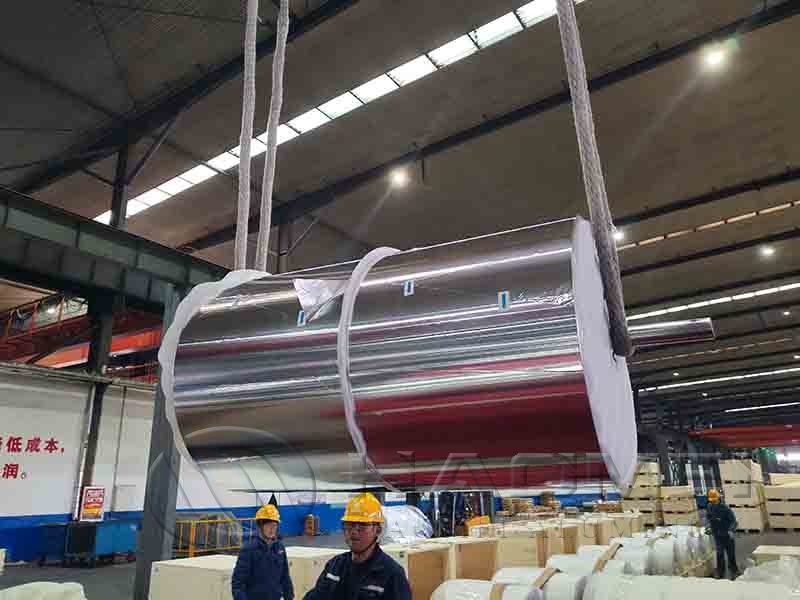
Practical specification template
When sending an inquiry, include these items:
- Alloy: 3003, 3004, 8006, or 8011
- Temper: O, H22, H24, or required custom temper
- Thickness and tolerance
- Width and ID/OD
- Application: tray, pan, lid, laminated pack, or takeaway box
- Surface requirement: one side bright, both sides clean, no rolling marks
- Food-contact compliance destination: FDA, EU, GB, or mixed export markets
- Trial or mass-production quantity
- Required documents and test reports
A clear technical inquiry reduces quote variance and helps mills recommend the right container stock instead of a generic packaging foil.
For companies sourcing food container aluminum, the safest route is to focus on one issue first: crack-free forming at your target thickness. Once that is locked in, cost, compliance, and delivery become much easier to control.


- What Are Main Aluminum Foil AlloysMar 13, 2024
8011 and 1235 aluminum foil jumbo rolls are two main aluminum foil alloys. They both have wide applications li...
- Why Is Aluminum Foil Container Popular for Airline MealsApr 08, 2022
Aluminum foil containers have been widely used for airline meals. Which alloys of container aluminum foils are...
- What are Aluminum Packaging AdvantagesAug 07, 2023
Food packaging aluminum foil It protects food against light, oxygen, moisture, bacteria and harmful odors. Ho...
- Different Forms of Aluminum Foil for Food PackagingApr 20, 2022
Aluminum foil paper is widely used for food packaging due its excellent performance. What are the different f...
- Golden Aluminum foil for Flexible Aluminum DuctMay 08, 2024
In terms of ventilation and ventilation, the flexible aluminum foil duct has better ventilation performance. 1...
Inquiry
Products Category
Latest Application
-
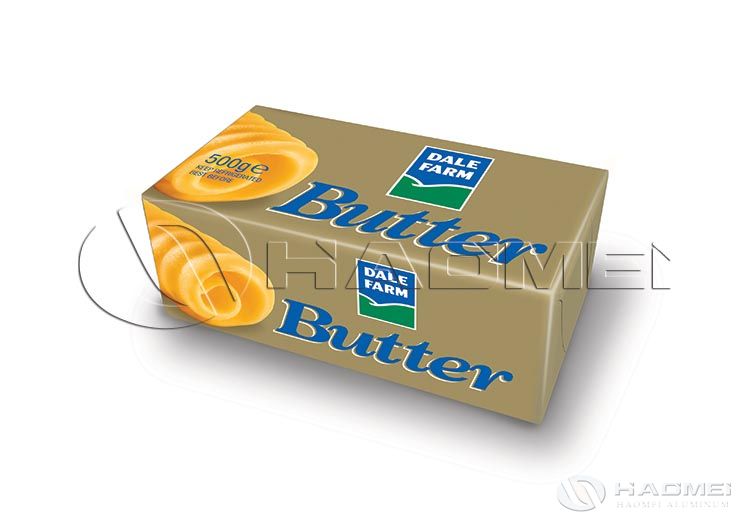 Why butter aluminum foil is neededButter aluminum foil blocks oxygen, moisture, and light, effectively preventing butter from oxidizing and spoiling, preserving nutrients, and significantly extending its shelf life. High-end products can see their sh
application
Why butter aluminum foil is neededButter aluminum foil blocks oxygen, moisture, and light, effectively preventing butter from oxidizing and spoiling, preserving nutrients, and significantly extending its shelf life. High-end products can see their sh
application
-
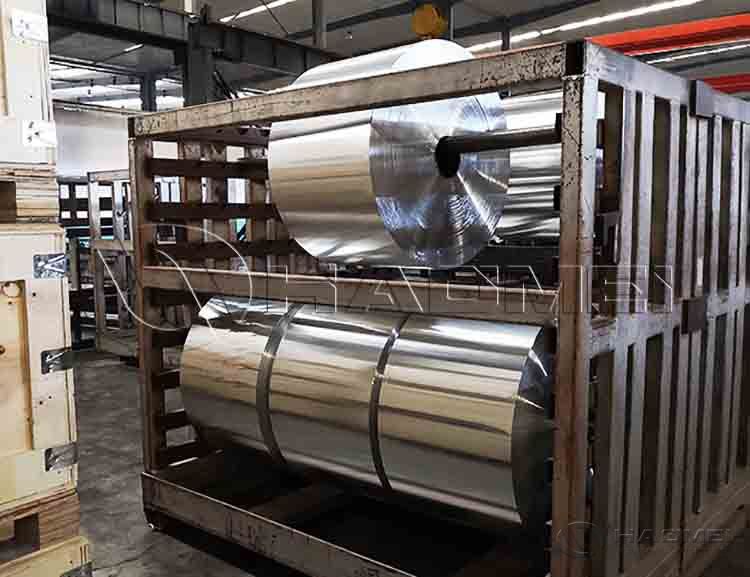 Cables are usually composed of conductors, insulation layers, shielding layers, and sheaths. Aluminum foil for cable is generally located outside the insulation layer as part of the shielding layer. It fits tightly to the surface of the insulation la
application
Cables are usually composed of conductors, insulation layers, shielding layers, and sheaths. Aluminum foil for cable is generally located outside the insulation layer as part of the shielding layer. It fits tightly to the surface of the insulation la
application
-
Aluminum Gold Foil Paper For Chocolate Wrapping
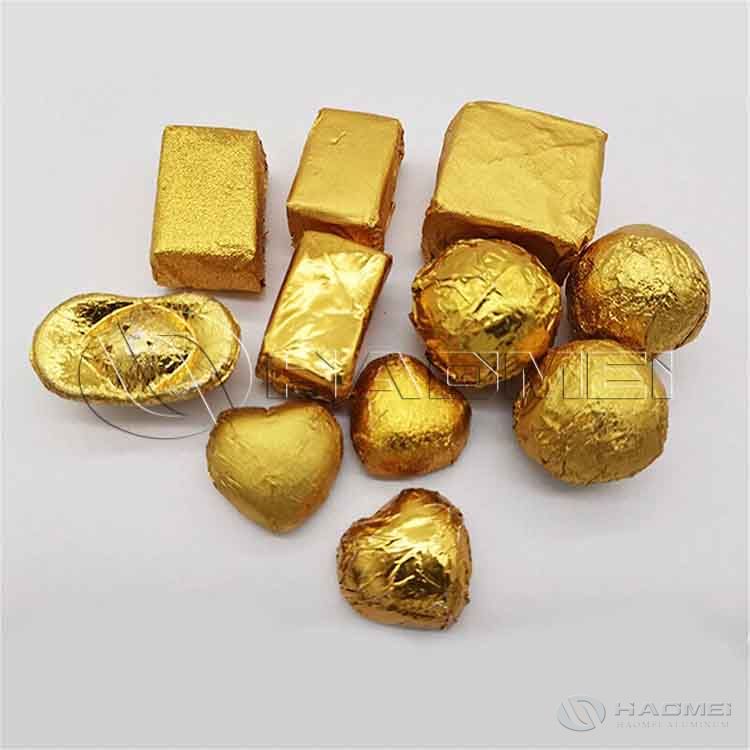 When is aluminum foil used for chocolate wrappingThe use of aluminium foil food for chocolate can be traced back to the early 20th century. In 1911, Swiss candy companies began to wrap chocolate with aluminum foil, gradually replacing the tin foil. T
application
When is aluminum foil used for chocolate wrappingThe use of aluminium foil food for chocolate can be traced back to the early 20th century. In 1911, Swiss candy companies began to wrap chocolate with aluminum foil, gradually replacing the tin foil. T
application
-
PVC Rigid Film and Aluminum Foil for Medicine Packaging
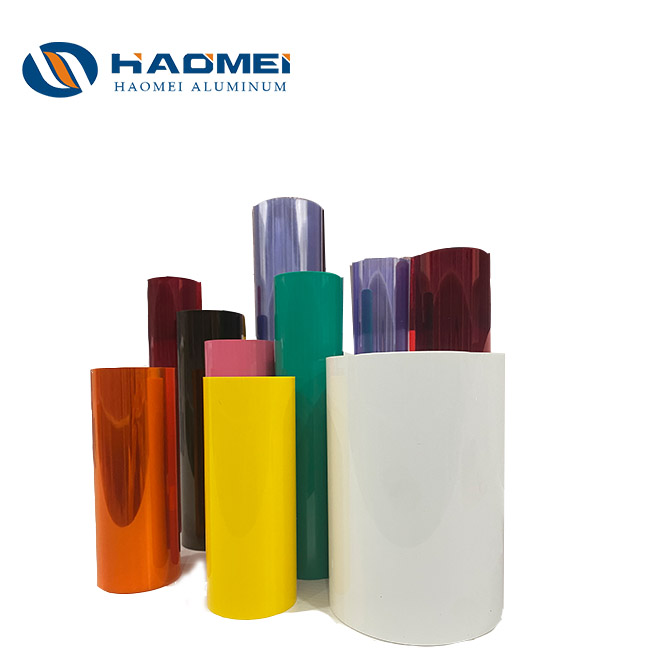 Haomei Aluminum provides different types of aluminum foil and plastic rigid films like PTP aluminum foil, cold forming foil, tropical foil, PVC rigid film, PE/PET film,etc. Best Price! Inquire now.
application
Haomei Aluminum provides different types of aluminum foil and plastic rigid films like PTP aluminum foil, cold forming foil, tropical foil, PVC rigid film, PE/PET film,etc. Best Price! Inquire now.
application
-
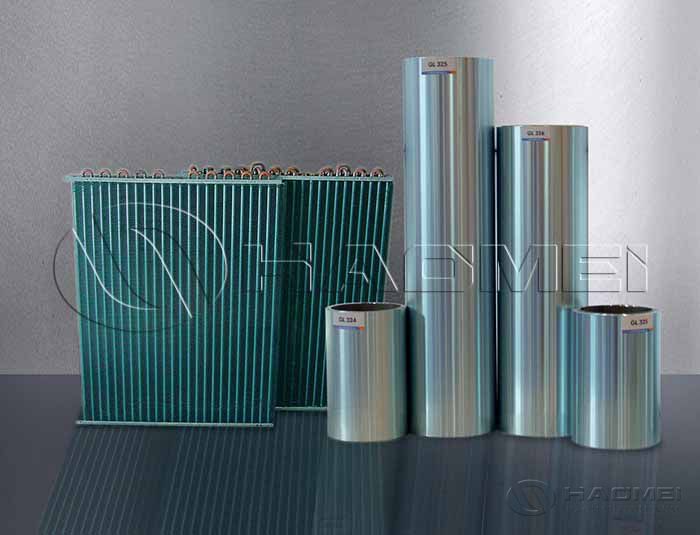 Haomei Aluminum offers you different colors of air conditioner aluminum foil like hydrophilic aluminum foil, including1100/ 3003 /8006/8011 aluminum foil,etc. Learn more.
application
Haomei Aluminum offers you different colors of air conditioner aluminum foil like hydrophilic aluminum foil, including1100/ 3003 /8006/8011 aluminum foil,etc. Learn more.
application
Latest Blog
-
Aluminum Foil Jumbo Roll for Flexible Packaging Laminates
Compare 1235 pure aluminum & 8011 alloy foil jumbo rolls for flexible packaging lamination. Learn their differences in material properties, performance, pros & cons, and key application scenarios to choose the right foil for food, pharmaceutical & consume Blog
-
 Plan year-end capacitor production with specified aluminum foil: purity, temper, surface controls, test documents, and shipment timing that reduce line risk.
Blog
Plan year-end capacitor production with specified aluminum foil: purity, temper, surface controls, test documents, and shipment timing that reduce line risk.
Blog
-
Where To Find a Reliable Air Conditioner Fin Foil Supplier
 In the competitive HVAC industry, the quality of air conditioner fin stock directly determines the heat exchange efficiency, durability, and energy-saving performance of air conditioning equipment. For manufacturers, distributors, and processing enterpris
Blog
In the competitive HVAC industry, the quality of air conditioner fin stock directly determines the heat exchange efficiency, durability, and energy-saving performance of air conditioning equipment. For manufacturers, distributors, and processing enterpris
Blog
-
 Specify aircon aluminum foil with durable hydrophilic coating: compare alloys, tests, standards, conversion costs, and receiving controls for HVAC fins.
Blog
Specify aircon aluminum foil with durable hydrophilic coating: compare alloys, tests, standards, conversion costs, and receiving controls for HVAC fins.
Blog
-
Aluminium Foil for Air Conditioner
 Explore aluminium foil for air conditioner questions on alloy, coating, thickness, and inspection for efficient, durable heat-exchanger fins.
Blog
Explore aluminium foil for air conditioner questions on alloy, coating, thickness, and inspection for efficient, durable heat-exchanger fins.
Blog

Haomei Aluminum CO., LTD.
Tel/Whatsapp: +86-15978414719
Email: sale@alumhm.com
Website: https://www.alumfoils.com
Xin'an Industrial Assemble Region,Luoyang,Henan Province,China
Office Add: 1103, No.14 Waihuan Road, CBD, Zhengzhou, China