Food Tray Aluminum Foil
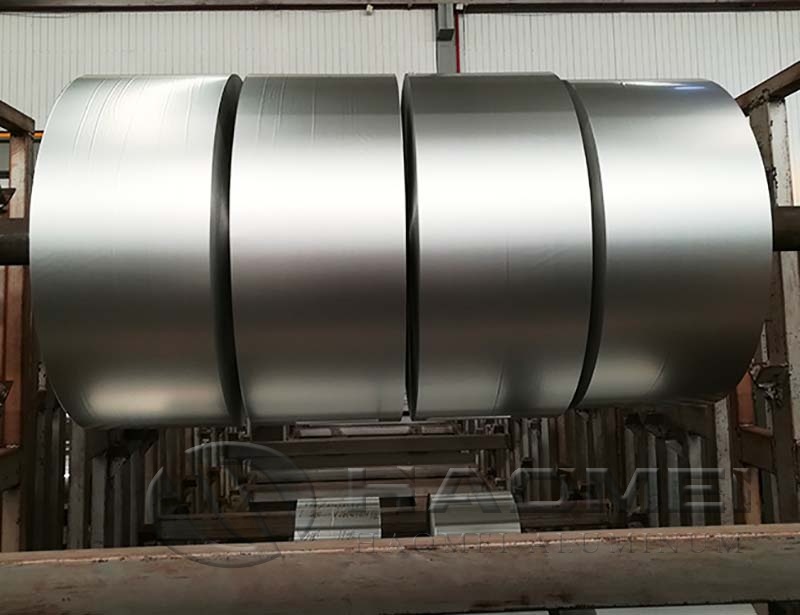
Food tray aluminum foil for baking and ready meals: compare alloys, tempers, gauges, coatings, and QA points to reduce leaks and improve formability.
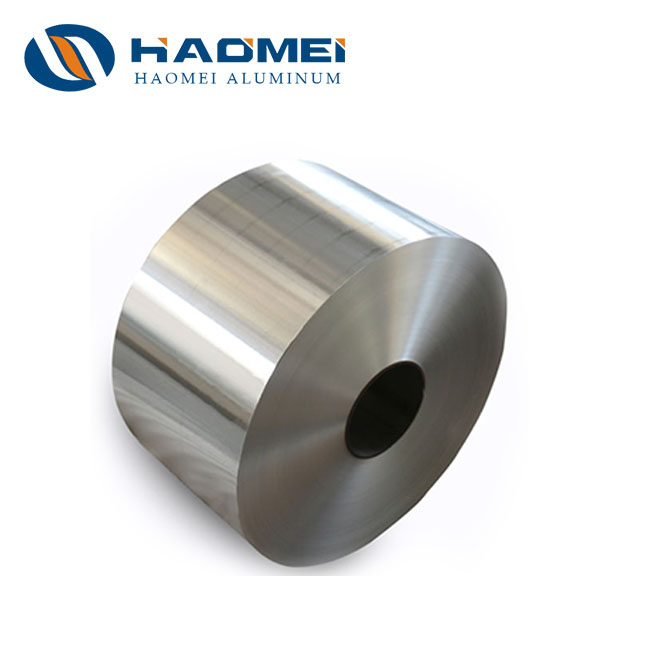
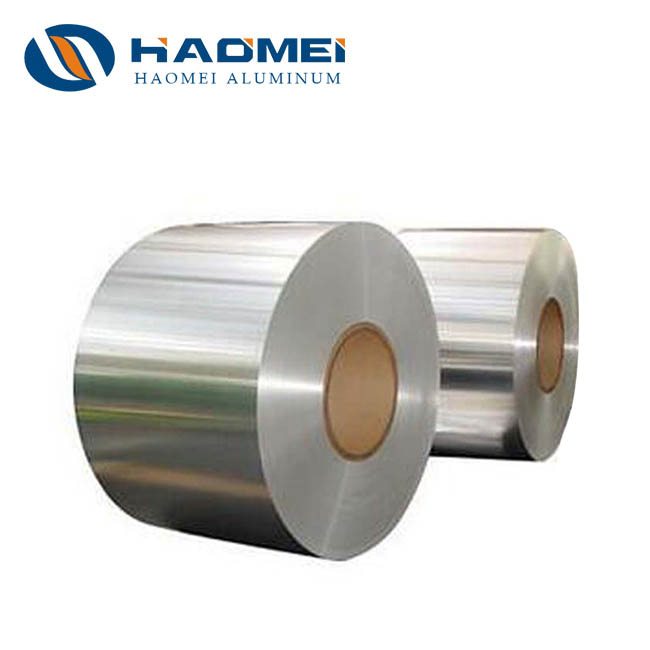
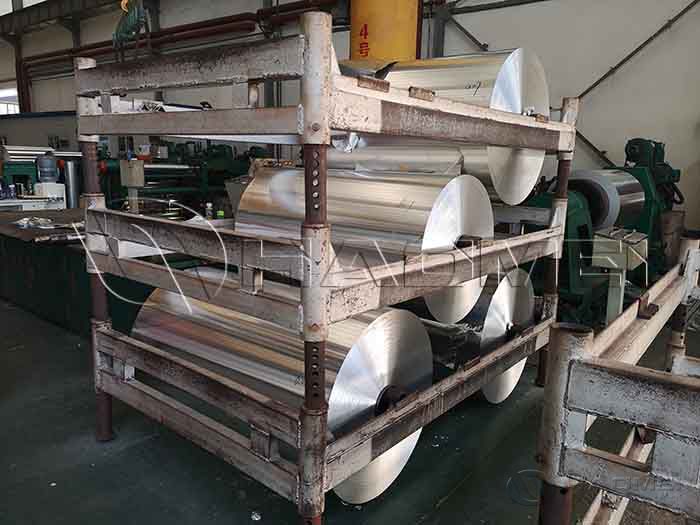
Food tray applications rely on aluminum foil that can form deep draws, hold shape through heating, and protect taste and freshness. For bulk purchasing and converting, the right specification is less about a single buzzword and more about matching alloy, temper, gauge, and surface condition to tray geometry and your processing line.

What makes foil suitable for food trays
Aluminum foil for trays is selected to balance three practical needs: formability during stamping, strength in the finished rim and base, and barrier performance against moisture, oxygen, and aroma transfer. Aluminum is widely used in food contact packaging because it is non toxic in normal use and provides an effective barrier when the foil is intact.
For tray production, the most common performance checks include:
Forming behavior: stable draw without excessive wrinkling, tearing, or earing.
Rim integrity: consistent curl and stiffness for sealing or lidding films.
Heat tolerance: reliable in ovens and under reheating conditions typically used for ready meals.
Surface cleanliness: low rolling oil residue to support coating, printing, or lacquering.
Many tray lines also require lacquered surfaces for specific foods, better release, or compatibility with heat sealing. Coatings must be food contact compliant under your destination market regulations, so it is important to confirm declarations of compliance and migration testing with your supplier.
Common alloys, tempers, and gauges for tray stock
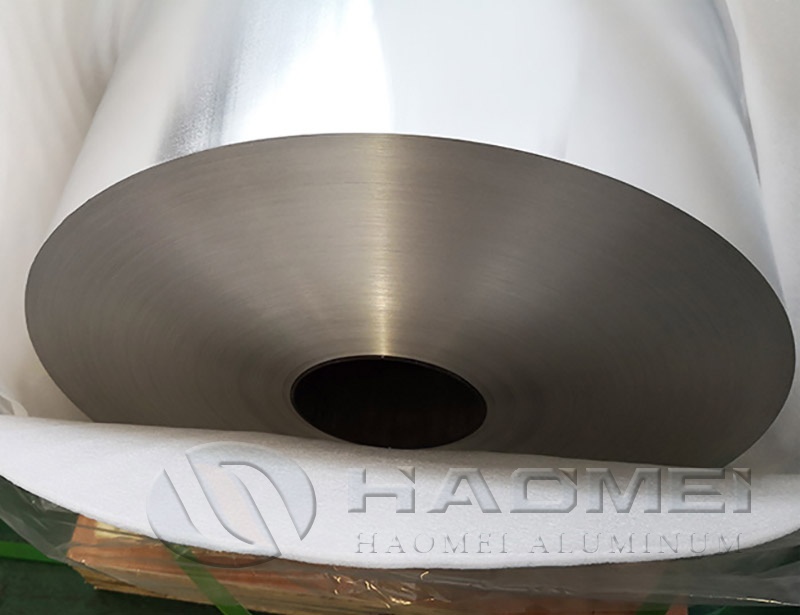
Tray foil is typically produced from the 8xxx series or selected 3xxx series depending on the required forming and strength. In practice, tray makers often choose 8006, 8011, or 8021, with tempers tailored to the forming depth and tray design.
When you are specifying, focus on these levers:
Alloy choice affects strength and drawability.
Temper affects hardness and forming window.
Gauge affects rigidity, dent resistance, and cost per tray.
If your trays are deep drawn or you see cracking at corners, you may need a softer temper, tighter surface control, or a different alloy. For high speed production, consistent mechanical properties across the coil length can reduce downtime and scrap.
Typical specification ranges (indicative)
| Item | Common range | Why it matters for trays |
|---|---|---|
| Thickness | 0.035 mm to 0.200 mm | Thicker improves stiffness and dent resistance, thinner reduces cost but can increase deformation |
| Width | As per die layout | Impacts yield, trim loss, and press stability |
| Temper | O, H22, H24 (varies by alloy) | Softer tempers form deeper, harder tempers improve rigidity |
| Surface | One side bright or both sides matte, controlled oil | Affects lacquer adhesion, appearance, and sealing performance |
| Coating | Lacquered or uncoated | Needed for reactive foods or sealing, also improves release |
For container manufacturing, a widely used starting point is 8006 Aluminium Foil for Container, often chosen for its strength and forming balance in many tray shapes.
How to choose for your tray type and process
Different tray formats place different demands on the foil. Use the tray geometry and your downstream process to narrow the specification.
Baking and roasting trays
These formats benefit from higher rigidity to hold shape under load. If the tray must resist bending when handled, consider a slightly higher gauge and a temper that provides rim stiffness. If the tray is used with acidic or salty foods, lacquer is often specified to reduce interaction and staining.
Ready meal trays with lidding and sealing
If you run heat sealing or need peelable lids, the rim quality and surface condition become critical. A stable curl and consistent rim thickness help maintain seal integrity. Many converters select 8011 for general food packaging due to its common use and good processing behavior. For packaging focused applications, 8011 Aluminum Foil Food for Packaging is frequently used where surface cleanliness and printability are priorities.
Airline, takeaway, and multi cavity trays
These designs often have thin ribs and sharper corners. Forming stability matters more than absolute stiffness. If tearing appears at corners, review:
Grain direction relative to die design.
Lubrication and tool wear.
Coil to coil consistency of mechanical properties.
Whether a softer temper would widen the forming window.
Quality and compliance checkpoints to request from a supplier
For bulk supply, the most useful documents and tests are the ones that correlate directly with your production yield and customer claims.
| Checkpoint | What to ask for | What it helps prevent |
|---|---|---|
| Chemical composition | Mill test certificate per coil | Unexpected strength changes, inconsistent forming |
| Mechanical properties | Tensile and elongation targets by temper | Cracking, excessive wrinkling |
| Surface cleanliness | Residual oil control, cleanliness standard | Poor coating adhesion, odor issues |
| Pinholes and defects | Inspection method and acceptance criteria | Leaks, barrier failures, stain marks |
| Coating data (if lacquered) | Coating type, cure window, food contact statements | Seal failures, migration risk |
| Dimensional tolerances | Thickness and width tolerance | Die instability, scrap from variation |
Packaging operations often benefit from trial coils to validate forming and sealing on the actual press and tooling. A small change in gauge tolerance or surface oil can materially change scrap rates on high speed lines.
Practical notes on storage and handling
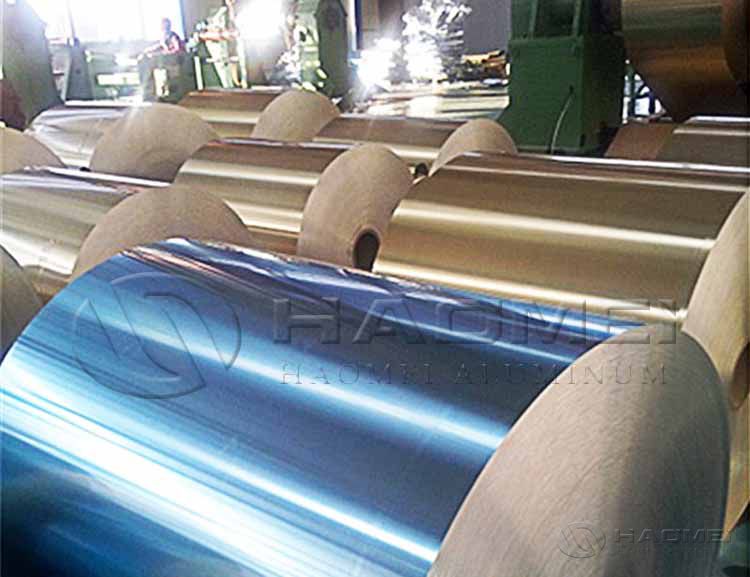
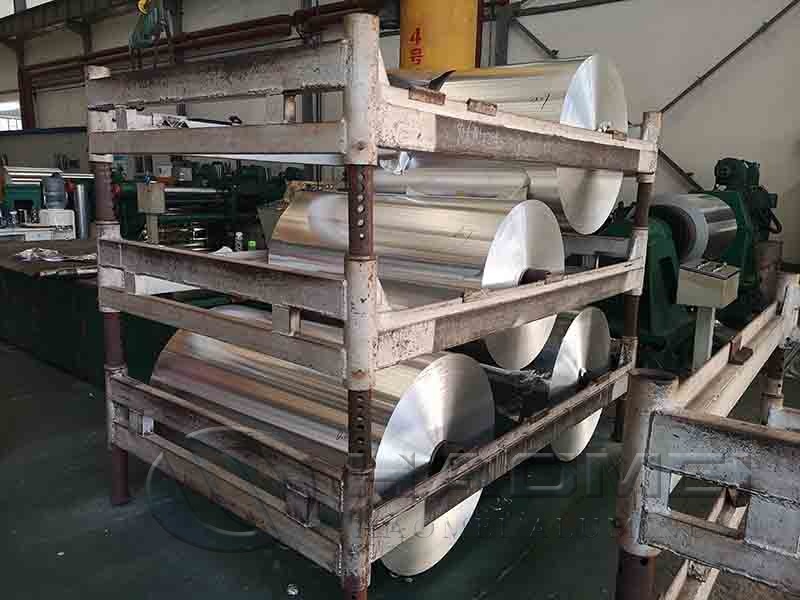
Even high quality foil can lose performance if it is stored incorrectly. Keep coils wrapped until use, avoid high humidity and large temperature swings, and protect edges from impact to reduce telescoping and edge damage. If you laminate or lacquer, store per coating supplier guidance to avoid blocking or cure drift.
By aligning tray design with alloy and temper selection, and by qualifying surface and cleanliness controls, you can improve forming stability, reduce leaks and corner splits, and deliver consistent tray appearance across production batches.

- Uses of Aluminum Foil Jumbo Roll and Aluminum Foil PaperApr 08, 2026
Aluminum foil is widely used in industry and daily life. Learn the key differences between aluminum foil jumbo...
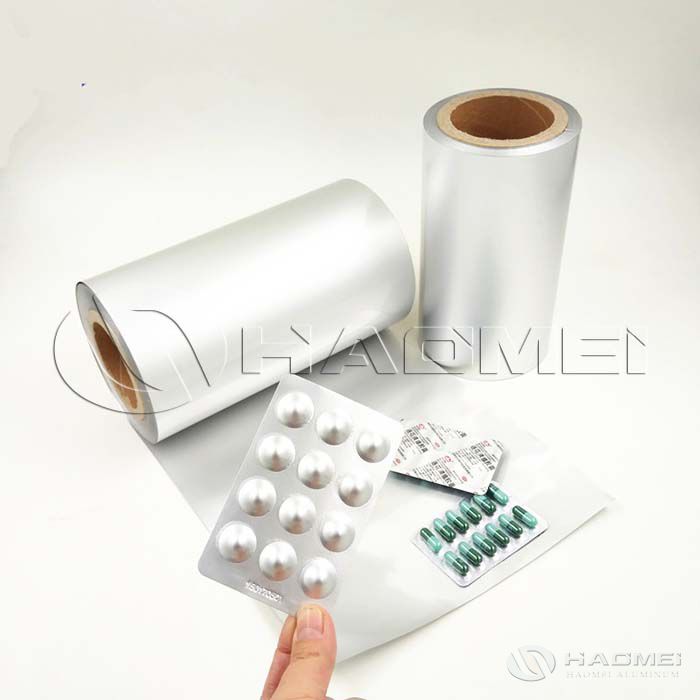
- Types of Foil Used in PharmaJul 08, 2022
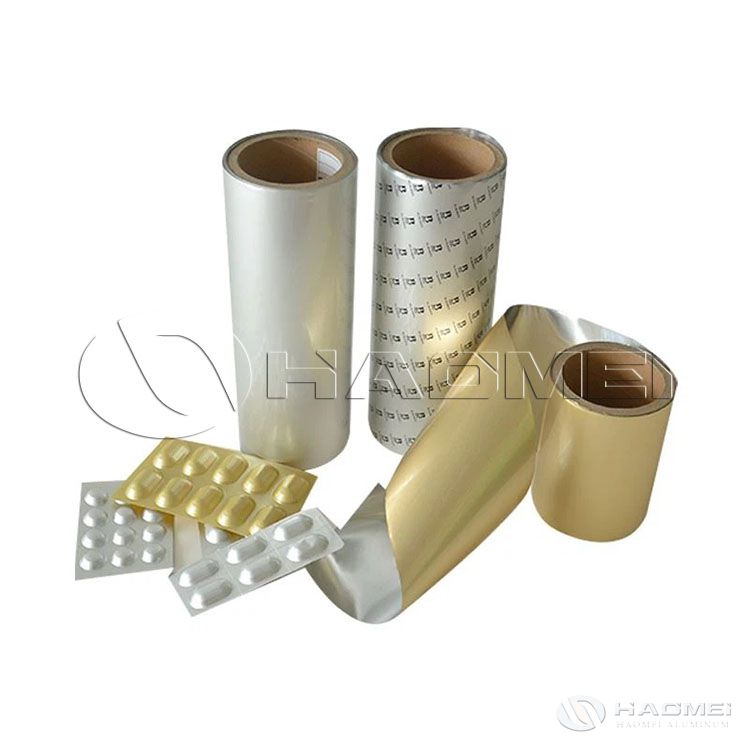
PTP aluminum foil is widely used for pharmaceutical packaging due to its highly dense metal crystal structure...
- What Are The Common Types of Aluminum Foil for Medicine PackagingDec 09, 2024
The alloys of medical aluminum foils are 8011, 8021 and 8079 foil. They are usedas the PTP aluminum foil,alumi...
- How to Ensure Sealing Performance of Medical Cold Forming Blister FoilMar 01, 2023
Aluminum blister foil packaging is currently the most widely used pharmaceutical packaging. How to improve sea...
- What Are Aluminium Foil AlloysNov 02, 2023
The choice of aluminum foil alloy in different applications is different. The popular ones are 1060, 1100, 300...
Inquiry
Products Category
Latest Application
-
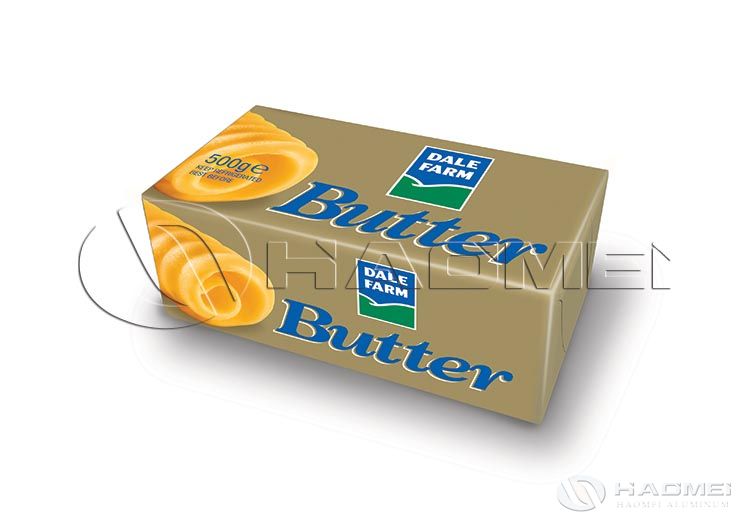 Why butter aluminum foil is neededButter aluminum foil blocks oxygen, moisture, and light, effectively preventing butter from oxidizing and spoiling, preserving nutrients, and significantly extending its shelf life. High-end products can see their sh
application
Why butter aluminum foil is neededButter aluminum foil blocks oxygen, moisture, and light, effectively preventing butter from oxidizing and spoiling, preserving nutrients, and significantly extending its shelf life. High-end products can see their sh
application
-
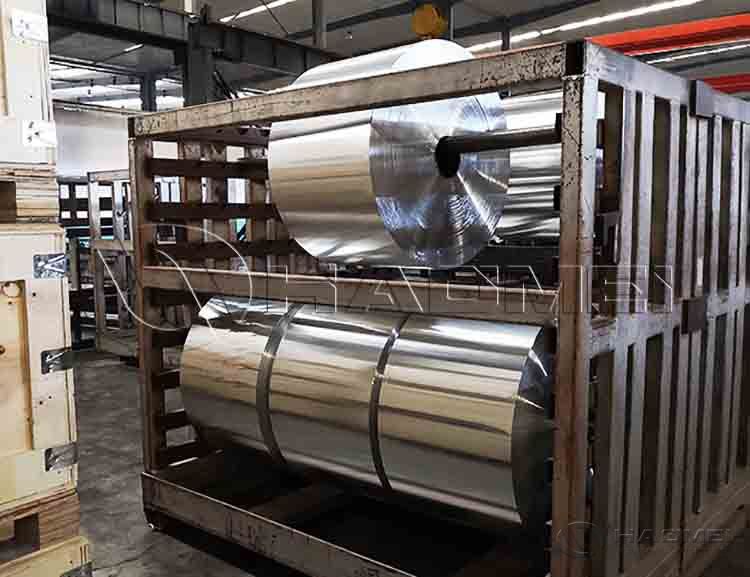 Cables are usually composed of conductors, insulation layers, shielding layers, and sheaths. Aluminum foil for cable is generally located outside the insulation layer as part of the shielding layer. It fits tightly to the surface of the insulation la
application
Cables are usually composed of conductors, insulation layers, shielding layers, and sheaths. Aluminum foil for cable is generally located outside the insulation layer as part of the shielding layer. It fits tightly to the surface of the insulation la
application
-
Aluminum Gold Foil Paper For Chocolate Wrapping
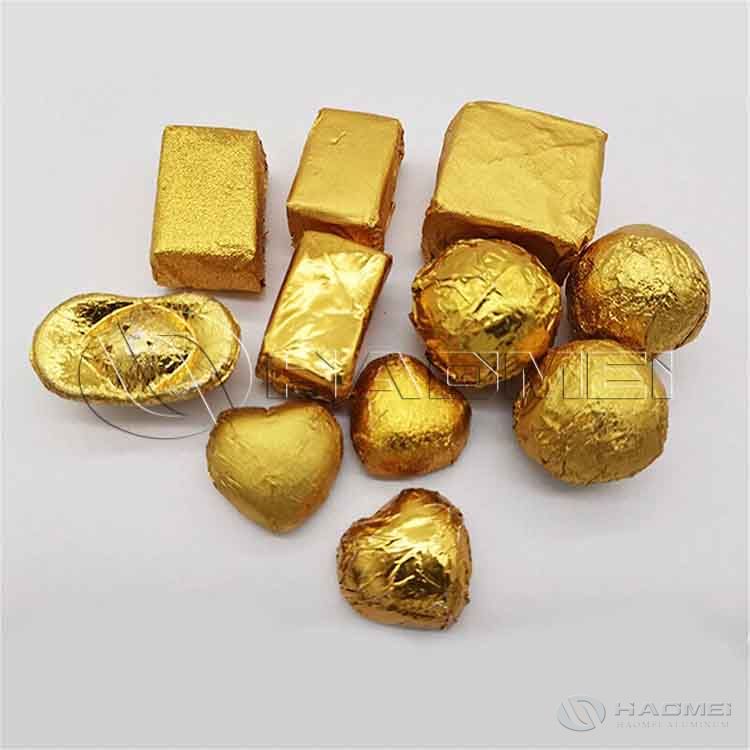 When is aluminum foil used for chocolate wrappingThe use of aluminium foil food for chocolate can be traced back to the early 20th century. In 1911, Swiss candy companies began to wrap chocolate with aluminum foil, gradually replacing the tin foil. T
application
When is aluminum foil used for chocolate wrappingThe use of aluminium foil food for chocolate can be traced back to the early 20th century. In 1911, Swiss candy companies began to wrap chocolate with aluminum foil, gradually replacing the tin foil. T
application
-
PVC Rigid Film and Aluminum Foil for Medicine Packaging
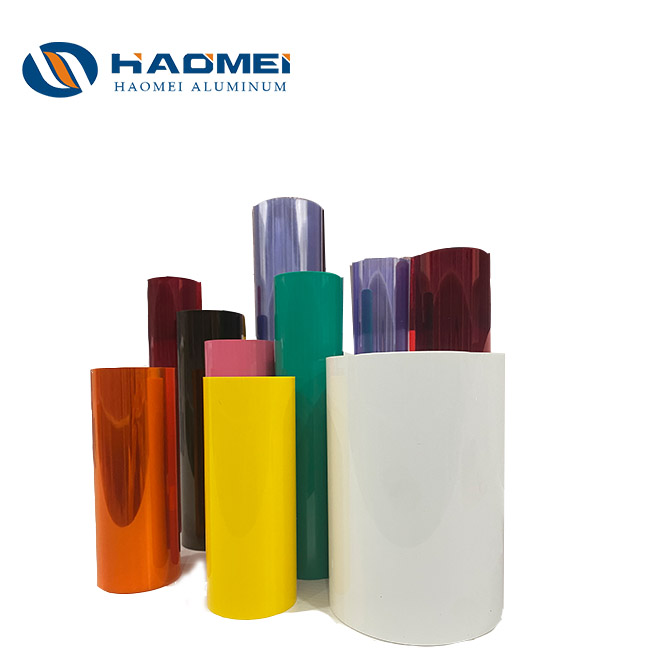 Haomei Aluminum provides different types of aluminum foil and plastic rigid films like PTP aluminum foil, cold forming foil, tropical foil, PVC rigid film, PE/PET film,etc. Best Price! Inquire now.
application
Haomei Aluminum provides different types of aluminum foil and plastic rigid films like PTP aluminum foil, cold forming foil, tropical foil, PVC rigid film, PE/PET film,etc. Best Price! Inquire now.
application
-
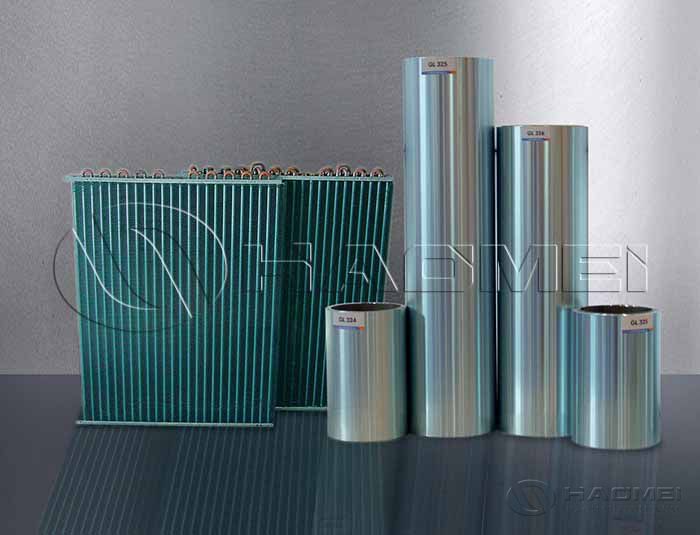 Haomei Aluminum offers you different colors of air conditioner aluminum foil like hydrophilic aluminum foil, including1100/ 3003 /8006/8011 aluminum foil,etc. Learn more.
application
Haomei Aluminum offers you different colors of air conditioner aluminum foil like hydrophilic aluminum foil, including1100/ 3003 /8006/8011 aluminum foil,etc. Learn more.
application
Latest Blog
-
 Plan year-end capacitor production with specified aluminum foil: purity, temper, surface controls, test documents, and shipment timing that reduce line risk.
Blog
Plan year-end capacitor production with specified aluminum foil: purity, temper, surface controls, test documents, and shipment timing that reduce line risk.
Blog
-
Where To Find a Reliable Air Conditioner Fin Foil Supplier
 In the competitive HVAC industry, the quality of air conditioner fin stock directly determines the heat exchange efficiency, durability, and energy-saving performance of air conditioning equipment. For manufacturers, distributors, and processing enterpris
Blog
In the competitive HVAC industry, the quality of air conditioner fin stock directly determines the heat exchange efficiency, durability, and energy-saving performance of air conditioning equipment. For manufacturers, distributors, and processing enterpris
Blog
-
 Specify aircon aluminum foil with durable hydrophilic coating: compare alloys, tests, standards, conversion costs, and receiving controls for HVAC fins.
Blog
Specify aircon aluminum foil with durable hydrophilic coating: compare alloys, tests, standards, conversion costs, and receiving controls for HVAC fins.
Blog
-
Aluminium Foil for Air Conditioner
 Explore aluminium foil for air conditioner questions on alloy, coating, thickness, and inspection for efficient, durable heat-exchanger fins.
Blog
Explore aluminium foil for air conditioner questions on alloy, coating, thickness, and inspection for efficient, durable heat-exchanger fins.
Blog
-
What Is Food Grade Aluminum Foil Jumbo Roll
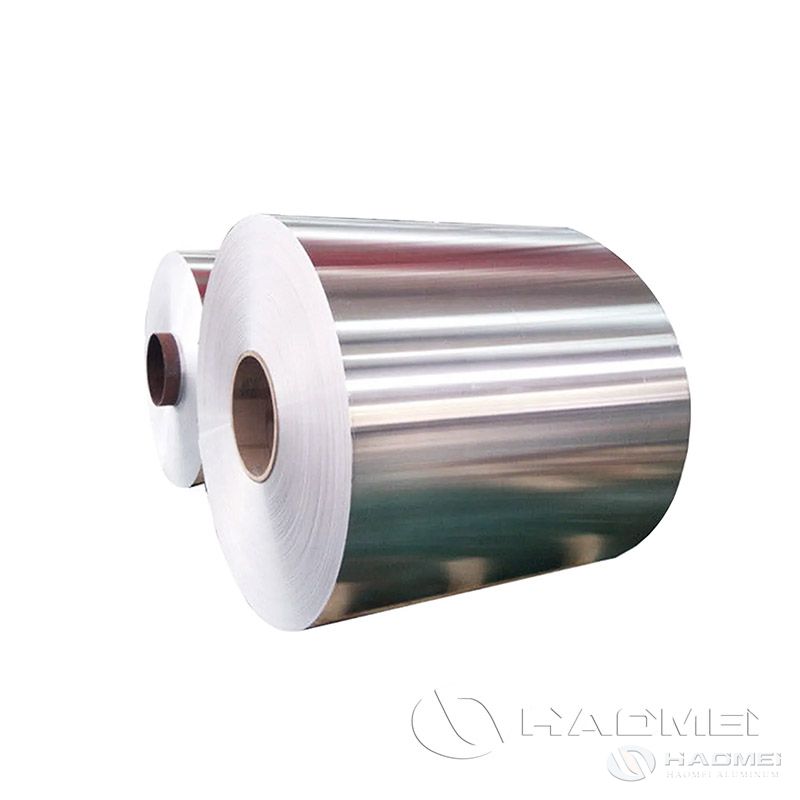 From the aluminum foil used for everyday baking and grilling to the containers used for takeout and the packaging that keeps food fresh, these ubiquitous aluminum foil products all originate from the same core raw material: the food grade aluminum foil ju
Blog
From the aluminum foil used for everyday baking and grilling to the containers used for takeout and the packaging that keeps food fresh, these ubiquitous aluminum foil products all originate from the same core raw material: the food grade aluminum foil ju
Blog

Haomei Aluminum CO., LTD.
Tel/Whatsapp: +86-15978414719
Email: sale@alumhm.com
Website: https://www.alumfoils.com
Xin'an Industrial Assemble Region,Luoyang,Henan Province,China
Office Add: 1103, No.14 Waihuan Road, CBD, Zhengzhou, China