Food Tray Aluminum
Food tray aluminum questions answered: safety, alloy choice, thickness, oven use, and recyclability for aluminum food tray sourcing.
Interest in food tray aluminum has grown fast across Google searches, Quora discussions, and packaging forums over the past three months. Many first-time purchasers are not only asking whether aluminum trays are safe, but also what alloy, temper, and thickness actually fit takeaway meals, airline catering, baking, or frozen food lines. Below are five hot English questions real users have been asking recently, with practical answers written for companies evaluating aluminum materials for food tray production.

| Hot question | What people usually want to know | Short answer |
|---|---|---|
| Is food tray aluminum safe for direct food contact? | Compliance, odor, migration, hygiene | Yes, if produced with food-grade standards and proper surface cleanliness. |
| What alloy is best for aluminum food trays? | Strength, formability, cost | 3003, 3004, 8006, and 8011 are common depending on tray depth and strength needs. |
| What thickness should I choose? | Tray rigidity vs. cost | Many food trays use about 0.06 mm to 0.15 mm, depending on application. |
| Can aluminum food trays go in the oven, freezer, or microwave? | Heat performance and safety | Oven and freezer, usually yes. Microwave, generally no unless approved by equipment guidance. |
| Are aluminum food trays recyclable and reusable? | Sustainability and total value | They are highly recyclable, but reuse depends on tray design and deformation after use. |
1. Is food tray aluminum safe for direct food contact?
This is one of the most repeated questions online, especially from restaurant owners, meal-prep brands, and new packaging importers. The short answer is yes, food tray aluminum is widely used for direct food contact because it has good barrier performance, low odor, and strong resistance to moisture and light when properly processed.
What matters is not just the metal itself, but the full production condition. A food tray should come from clean rolling and converting processes, with controlled oil residue, stable mechanical properties, and compliance with food-contact regulations in the target market. For acidic or salty foods, some trays also use lacquered or coated surfaces to improve compatibility and appearance.
If your product will hold ready meals, sauces, or marinated dishes, ask suppliers about alloy certificate, temper, degreasing quality, pinhole control, and food-contact compliance documents. Those details matter more than generic claims such as "food grade" alone.
2. What alloy is best for aluminum food trays?
This question has become especially common because many new purchasers discover that not every aluminum alloy behaves the same in stamping and deep drawing.
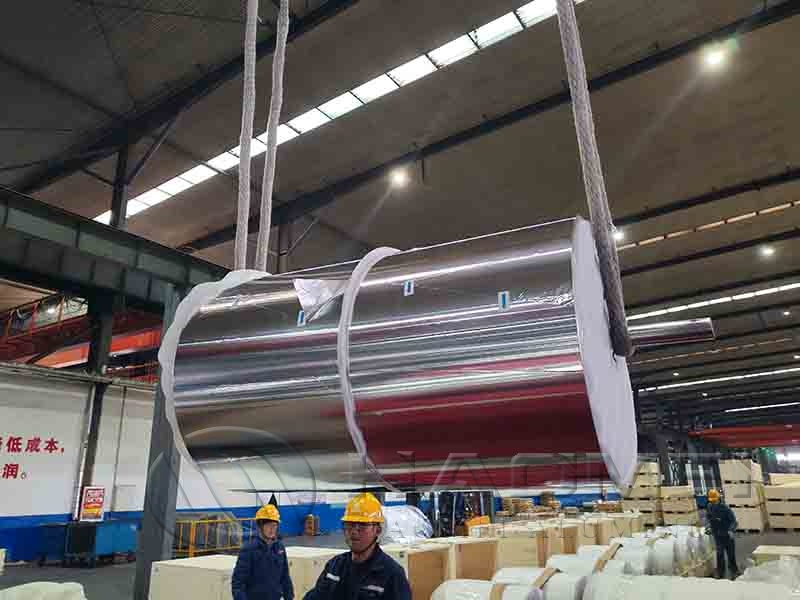
For light-duty trays, 8011 is a familiar option because it offers a good balance of workability, availability, and cost. If you are comparing standard food packaging materials, 8011 Aluminum Foil Food for Packaging is often considered for shallow trays, lids, and general-purpose containers.
For stronger trays with better shape retention, 8006 and 3003 or 3004 are frequently discussed. In real manufacturing, 8006 is often preferred for wrinkle-wall containers because it can provide better strength after forming. Deep trays for airline meals, bakery dishes, or heavier prepared foods may benefit from 8006 Aluminium Foil for Container when producers want improved rigidity and less deformation during filling and transport.
| Alloy | Typical advantage | Suitable tray types |
|---|---|---|
| 8011 | Economical and versatile | General food containers, lids, light trays |
| 8006 | Better strength and form stability | Wrinkle-wall trays, deeper containers |
| 3003 | Good corrosion resistance and formability | Semi-rigid containers, catering use |
| 3004 | Higher strength than 3003 in many applications | Heavier-duty meal trays |
In practice, the best alloy depends on tray depth, wall design, filling weight, and whether sealing is required.
3. What thickness should I choose for food tray aluminum?
Thickness is a high-frequency question because new purchasers often start with price, then realize that a very thin gauge can create handling problems. A tray that looks acceptable before filling may become unstable when loaded with rice, meat, pasta, or sauce.
Many food tray applications fall roughly in the 0.06 mm to 0.15 mm range, but there is no single universal number. Shallow bakery trays and lids can use thinner material. Heavier ovenable containers or multi-compartment meal trays may need thicker material for stiffness and edge strength.
A simple way to think about it is this:
- Thinner material lowers unit cost and weight.
- Medium thickness improves forming consistency.
- Thicker material improves rigidity, stacking, and transport safety.
If your tray will be sealed with film, also consider flange flatness. If it will be stacked for automated filling, ask the supplier about tolerance consistency, not just nominal thickness. Stable thickness across the roll helps reduce cracking, uneven forming, and sealing defects.
4. Can aluminum food trays go in the oven, freezer, or microwave?
This question has seen strong search activity because consumers and food brands want one package that covers cooking, storage, and delivery.
Aluminum food trays are commonly used in ovens because aluminum transfers heat efficiently and helps food bake evenly. They also perform well in freezer conditions when the tray design and temper are matched to the intended use. That is why they are common in frozen ready meals and take-and-bake products.
Microwave use is different. Standard aluminum trays are generally not recommended for unrestricted microwave use unless the tray shape, oven design, and usage instructions have been specifically validated. Some modern microwave systems can handle certain aluminum containers under controlled conditions, but this should never be assumed.
If your product is aimed at retail consumers, your packaging specifications should clearly define:
| Use scenario | Common suitability | Note |
|---|---|---|
| Conventional oven | Yes | Very common for meal trays and bakery use |
| Freezer | Yes | Good for frozen meal packaging |
| Steam table warming | Often yes | Confirm tray rigidity and coating if used |
| Microwave | Usually no, unless validated | Must follow tested packaging instructions |
5. Are aluminum food trays recyclable and reusable?
Sustainability questions remain hot across both search engines and Q&A communities. Aluminum has a strong position here because it is highly recyclable, and recycled aluminum retains significant value in the market. That makes food tray aluminum attractive for brands trying to improve packaging circularity.
The real challenge is contamination. A clean post-use tray has better recycling prospects than one heavily mixed with food residue, plastic film, or paper labels. For commercial users such as airlines, catering firms, and central kitchens, collection systems can make a major difference.
As for reuse, that depends on the tray. Lightweight disposable trays may lose shape after one heating or transport cycle. Stronger semi-rigid trays may tolerate limited reuse, but repeated handling can reduce appearance and sealing reliability. For most foodservice applications, aluminum trays are chosen more for hygiene, heat performance, and recyclability than for repeated long-term reuse.
What new purchasers should ask suppliers before ordering
Many online questions sound simple, but the right supplier discussion should go deeper. Before placing a trial order for food tray aluminum, it is smart to ask about:
- Alloy and temper recommendation for your tray shape.
- Thickness tolerance and width tolerance.
- Surface cleanliness and rolling oil control.
- Cup drawing or stamping performance.
- Elongation, tensile strength, and ear-making behavior.
- Food-contact documentation for destination markets.
- Coated or uncoated surface options.
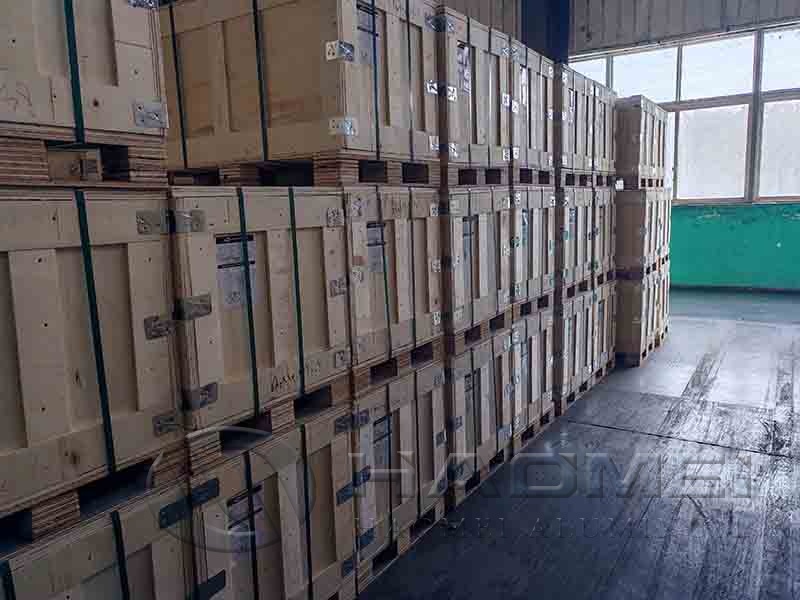
- Packaging method to prevent transport damage.
These points help you avoid the common gap between sample success and mass-production problems. In food tray aluminum, performance is not decided by alloy name alone. It comes from the combination of chemistry, temper, gauge consistency, and how well the material matches your final tray design.

- Alu Blister Foil 8079Feb 26, 2024
8079 aluminum foil is widely used in the aluminum-plastic aluminum packaging for the medicines. Haomei Aluminu...
- Air Conditioner FoilOct 14, 2026
Select air conditioner foil for durable heat-exchanger fins: alloys, hydrophilic coatings, test methods, toler...
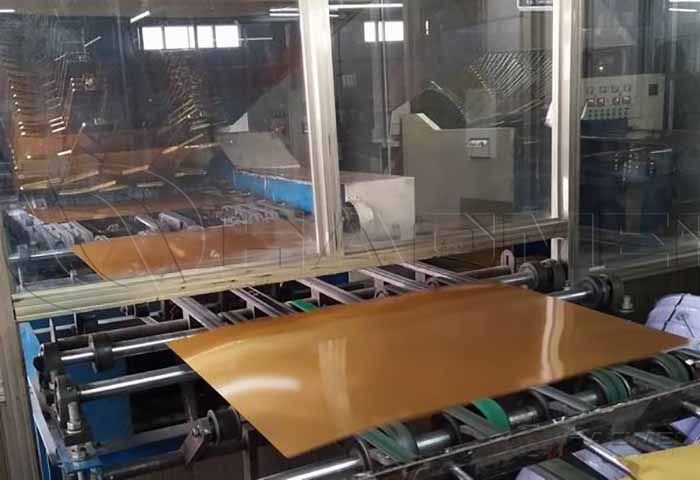
- DOS Oil Coated Aluminum Foil Seal for BottlesFeb 13, 2023
DOS oil coated aluminum foil sheet has good sealing performance, excellent freshness preservation and light sh...
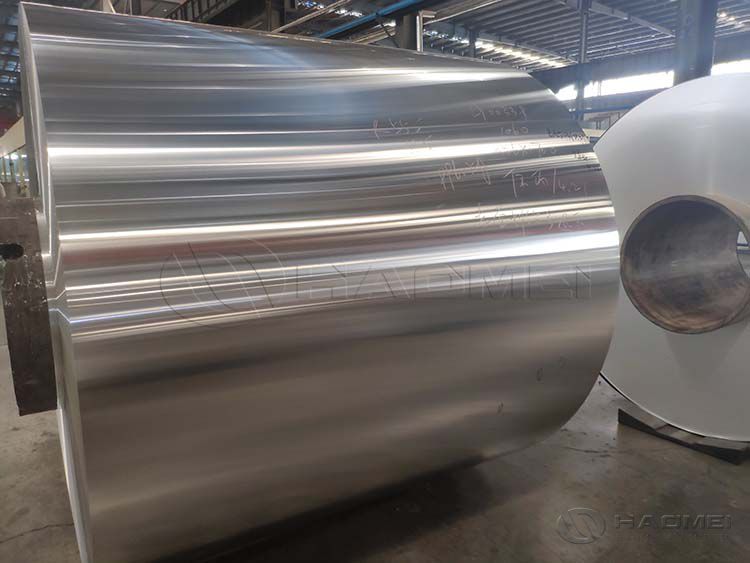
- Aluminum Foil for Packaging and CookingJan 30, 2024
Aluminum flexible foil for packaging and household aluminum foil is two kinds of aluminum foils. 8021 is a mai...
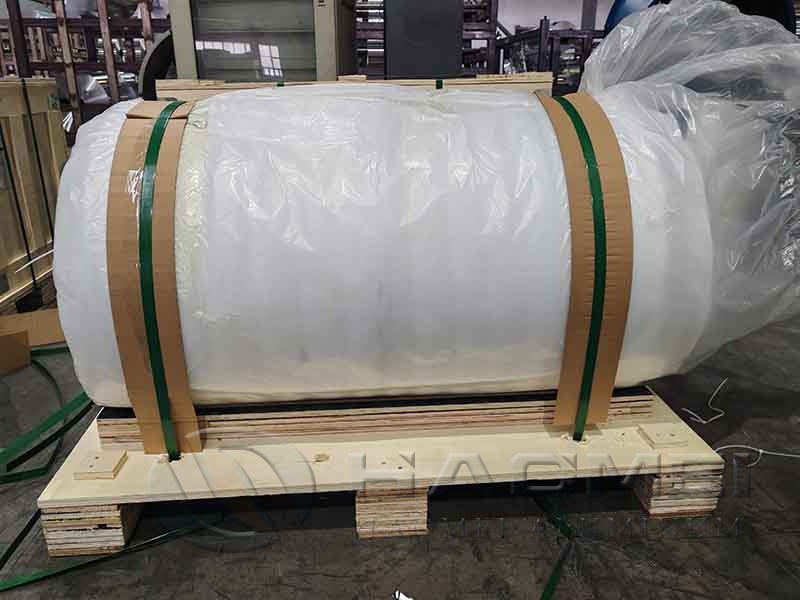
- Food Container AluminumApr 09, 2026
Food container aluminum selection for trays and packaging: compare 3003, 3004, 8011, 8006, food-contact rules,...
Inquiry
Products Category
Latest Application
-
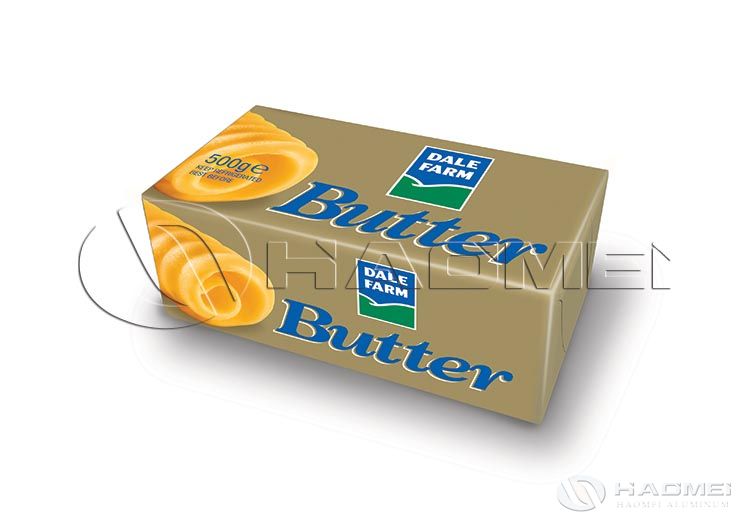 Why butter aluminum foil is neededButter aluminum foil blocks oxygen, moisture, and light, effectively preventing butter from oxidizing and spoiling, preserving nutrients, and significantly extending its shelf life. High-end products can see their sh
application
Why butter aluminum foil is neededButter aluminum foil blocks oxygen, moisture, and light, effectively preventing butter from oxidizing and spoiling, preserving nutrients, and significantly extending its shelf life. High-end products can see their sh
application
-
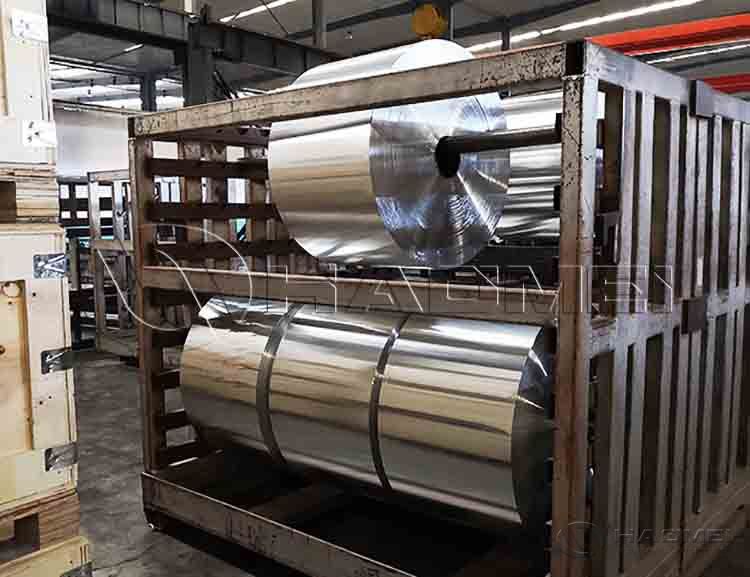 Cables are usually composed of conductors, insulation layers, shielding layers, and sheaths. Aluminum foil for cable is generally located outside the insulation layer as part of the shielding layer. It fits tightly to the surface of the insulation la
application
Cables are usually composed of conductors, insulation layers, shielding layers, and sheaths. Aluminum foil for cable is generally located outside the insulation layer as part of the shielding layer. It fits tightly to the surface of the insulation la
application
-
Aluminum Gold Foil Paper For Chocolate Wrapping
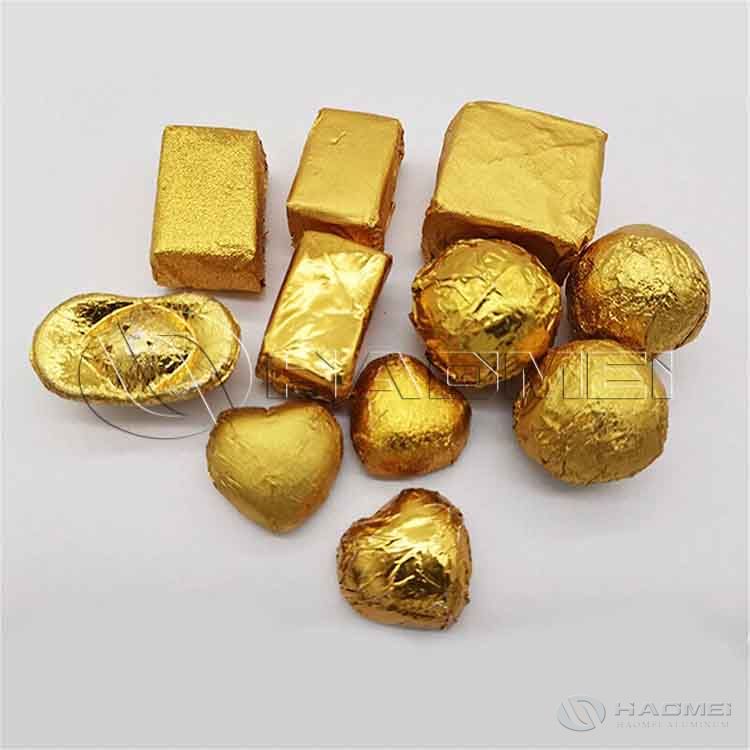 When is aluminum foil used for chocolate wrappingThe use of aluminium foil food for chocolate can be traced back to the early 20th century. In 1911, Swiss candy companies began to wrap chocolate with aluminum foil, gradually replacing the tin foil. T
application
When is aluminum foil used for chocolate wrappingThe use of aluminium foil food for chocolate can be traced back to the early 20th century. In 1911, Swiss candy companies began to wrap chocolate with aluminum foil, gradually replacing the tin foil. T
application
-
PVC Rigid Film and Aluminum Foil for Medicine Packaging
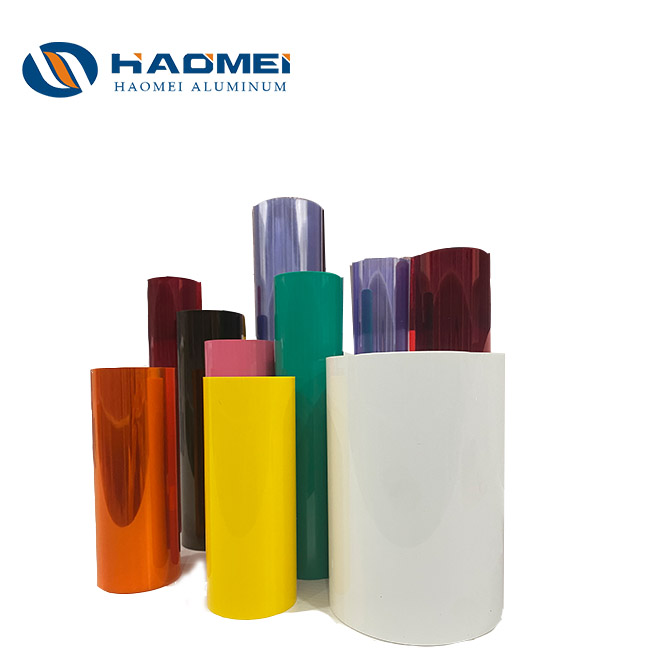 Haomei Aluminum provides different types of aluminum foil and plastic rigid films like PTP aluminum foil, cold forming foil, tropical foil, PVC rigid film, PE/PET film,etc. Best Price! Inquire now.
application
Haomei Aluminum provides different types of aluminum foil and plastic rigid films like PTP aluminum foil, cold forming foil, tropical foil, PVC rigid film, PE/PET film,etc. Best Price! Inquire now.
application
-
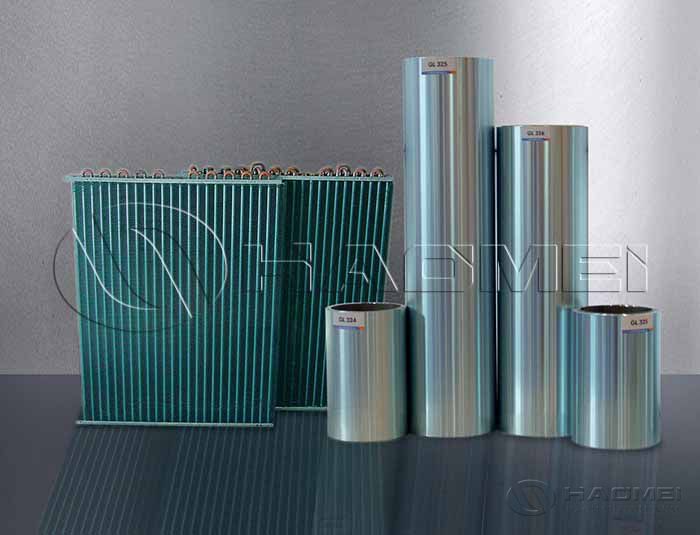 Haomei Aluminum offers you different colors of air conditioner aluminum foil like hydrophilic aluminum foil, including1100/ 3003 /8006/8011 aluminum foil,etc. Learn more.
application
Haomei Aluminum offers you different colors of air conditioner aluminum foil like hydrophilic aluminum foil, including1100/ 3003 /8006/8011 aluminum foil,etc. Learn more.
application
Latest Blog
-
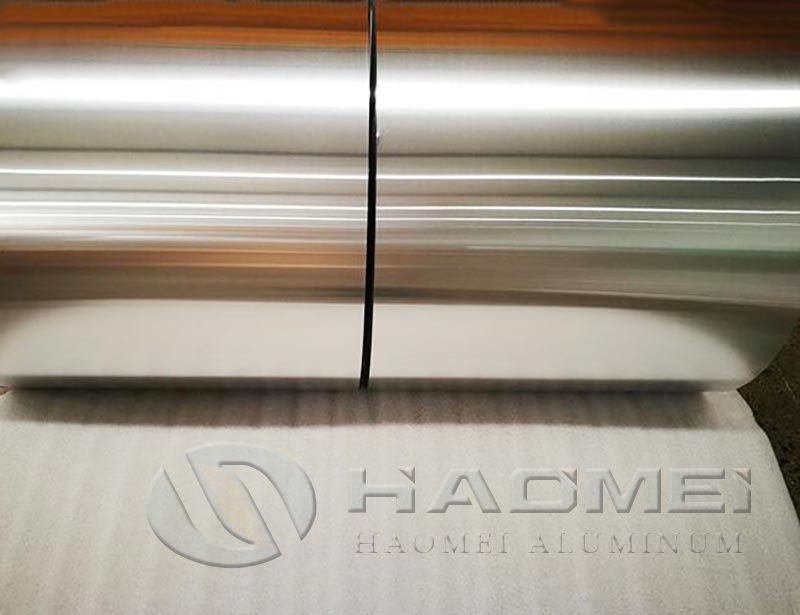 Specify 8011 aluminium foil with practical chemistry, pinhole, temper, testing and packaging checks for reliable food and pharmaceutical conversion.
Blog
Specify 8011 aluminium foil with practical chemistry, pinhole, temper, testing and packaging checks for reliable food and pharmaceutical conversion.
Blog
-
3003, 8011 and 8006 Aluminum Foil for Food Packing
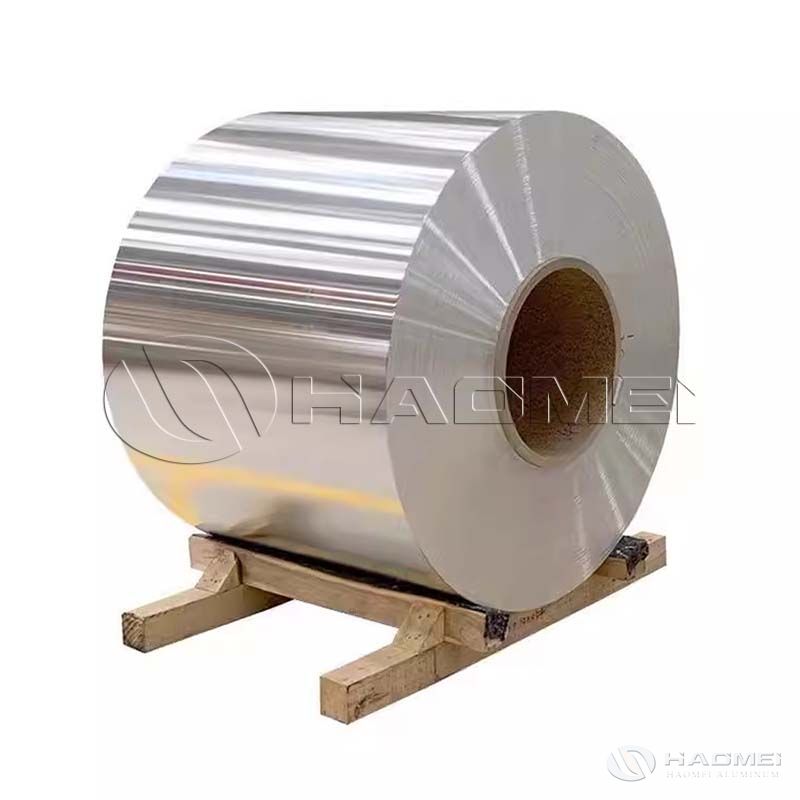 In the food packaging sector, aluminum foil is widely used for products such as composite flexible packaging, containers, meal boxes, sealing lids, and baking packaging due to its excellent barrier properties, light-shielding capabilities, heat resistance
Blog
In the food packaging sector, aluminum foil is widely used for products such as composite flexible packaging, containers, meal boxes, sealing lids, and baking packaging due to its excellent barrier properties, light-shielding capabilities, heat resistance
Blog
-
Select air conditioner foil for durable heat-exchanger fins: alloys, hydrophilic coatings, test methods, tolerances, and order specifications for HVAC units.
Blog
-
Aluminum Foil Jumbo Roll for Flexible Packaging Laminates
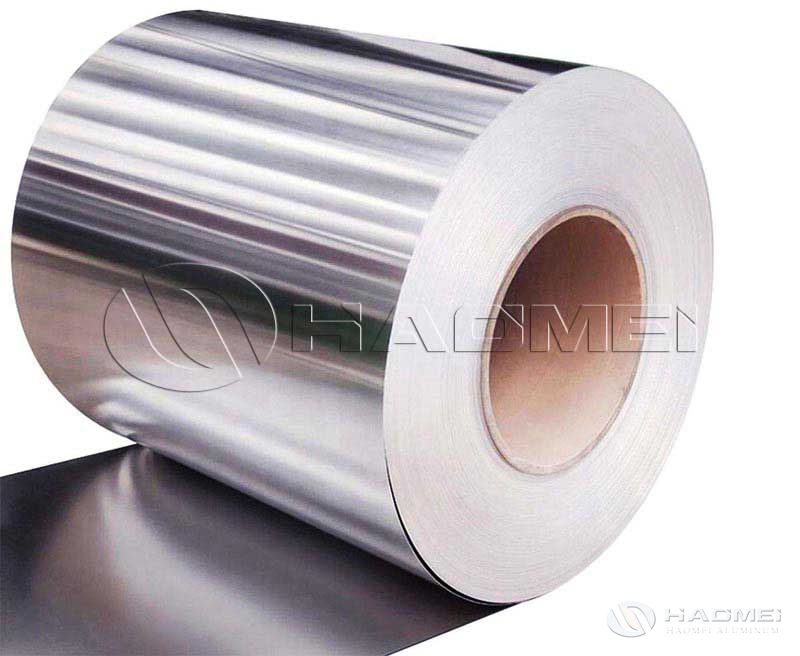 Compare 1235 pure aluminum & 8011 alloy foil jumbo rolls for flexible packaging lamination. Learn their differences in material properties, performance, pros & cons, and key application scenarios to choose the right foil for food, pharmaceutical & consume
Blog
Compare 1235 pure aluminum & 8011 alloy foil jumbo rolls for flexible packaging lamination. Learn their differences in material properties, performance, pros & cons, and key application scenarios to choose the right foil for food, pharmaceutical & consume
Blog
-
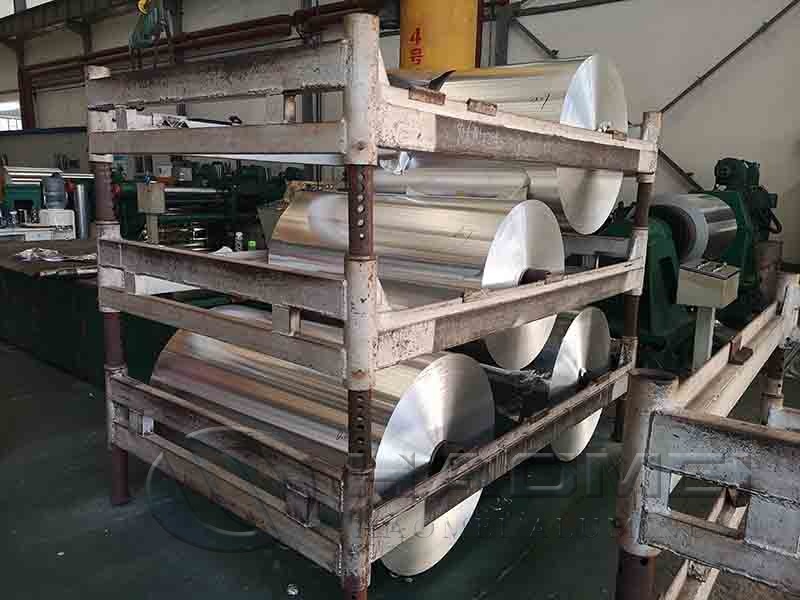 Plan year-end capacitor production with specified aluminum foil: purity, temper, surface controls, test documents, and shipment timing that reduce line risk.
Blog
Plan year-end capacitor production with specified aluminum foil: purity, temper, surface controls, test documents, and shipment timing that reduce line risk.
Blog

Haomei Aluminum CO., LTD.
Tel/Whatsapp: +86-15978414719
Email: sale@alumhm.com
Website: https://www.alumfoils.com
Xin'an Industrial Assemble Region,Luoyang,Henan Province,China
Office Add: 1103, No.14 Waihuan Road, CBD, Zhengzhou, China