8021 Aluminum Foil
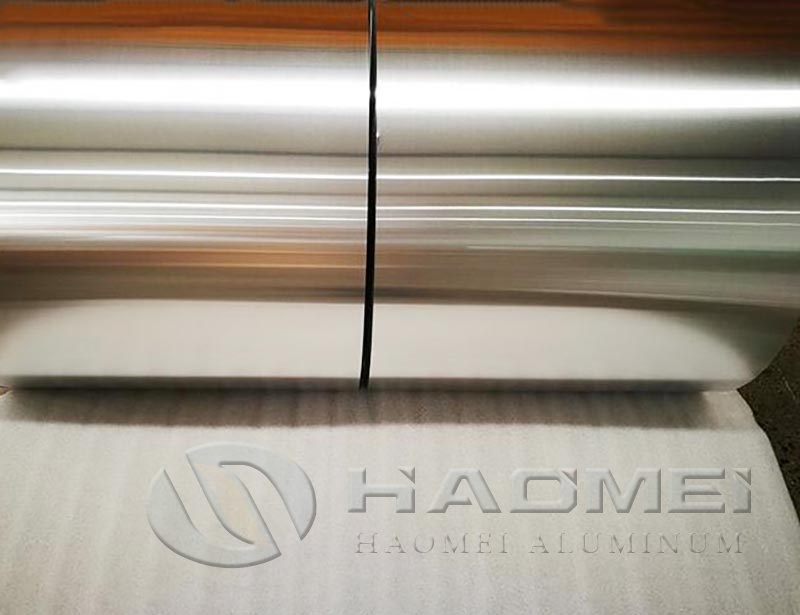
Specify 8021 aluminum foil with pinhole controls, temper, conversion costs, food-contact documents, inspection, and supply choices for flexible packaging.
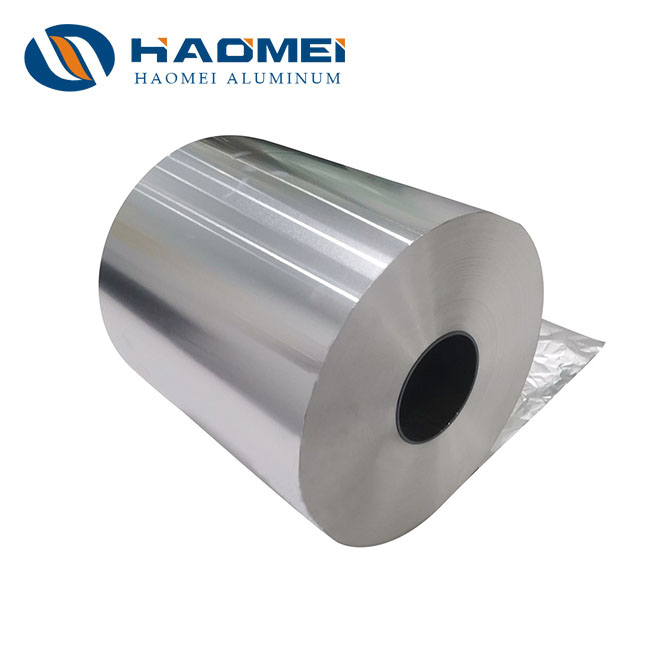
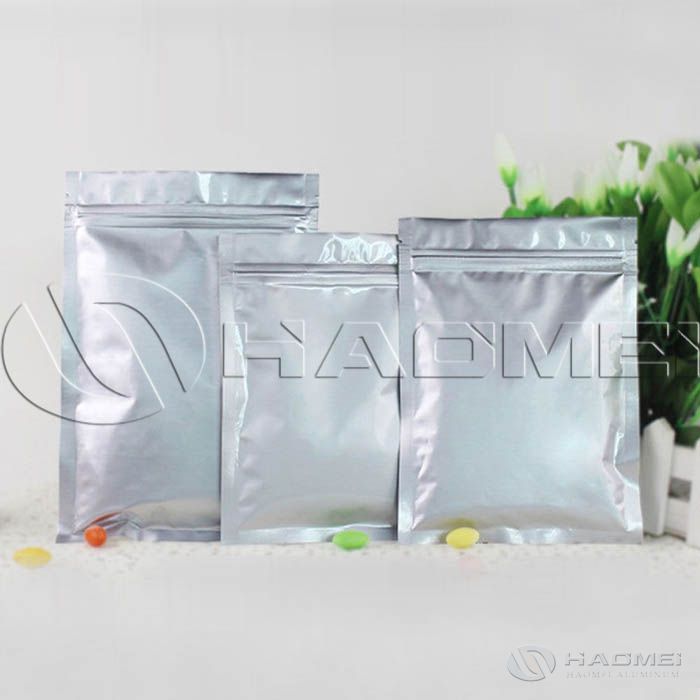
8021 aluminum foil is widely selected for flexible packaging, pharmaceutical cold-forming laminates, food packaging, and certain battery-pouch structures. Its practical value is not simply alloy designation: the commercial result depends on pinhole performance, temper stability, surface cleanliness, flatness, and consistent converting behavior.
Priority feature: pinhole resistance. For barrier packaging, a foil roll can meet thickness requirements yet still fail in service if pinholes, rolled-in particles, edge cracks, or handling damage create a moisture and oxygen path. Procurement specifications should therefore state a measurable pinhole inspection requirement rather than requesting only "high quality" material.

Material Selection and Pinhole-Control Requirements
8021 belongs to the 8xxx aluminum alloy family. It is commonly supplied in O temper for applications requiring forming, laminating, or further converting. Final mechanical properties depend on actual chemistry, reduction schedule, annealing practice, and final gauge. Require the mill test certificate to identify alloy, temper, thickness, width, coil number, net mass, and mechanical-test results.
For cold-forming pharmaceutical packaging, 8021 is frequently used at approximately 0.045 mm to 0.060 mm. Flexible packaging structures may use thinner gauges, depending on the laminate design, barrier target, and packing equipment. Do not transfer one application gauge directly to another without trials.
| Selection factor | What to specify in the purchase order | Why it matters |
|---|---|---|
| Alloy and temper | 8021, O temper or an agreed alternative | Controls forming response and consistency |
| Thickness | Nominal gauge, tolerance, measuring method, sampling plan | Prevents barrier and yield disputes |
| Width and edges | Slit width tolerance, burr limit, telescoping limit | Reduces laminate breaks and machine stoppages |
| Pinholes | Maximum count per defined area, test method, illumination, acceptance level | Protects barrier integrity |
| Surface | Oil level, wettability target, coating or lamination compatibility | Supports adhesion and print quality |
| Coil build | ID, OD, maximum mass, winding direction, splice policy | Must fit converting equipment |
A practical pinhole clause must define all four variables: tested area, foil gauge, inspection method, and allowed count. Pinhole counts cannot be compared fairly when suppliers use different sample areas or light-box conditions. EN 546-4 addresses special property requirements for aluminum and aluminum-alloy foil, including methods relevant to pinhole assessment; it can provide a useful technical reference when the contract needs a recognized framework.
For food-contact work, a declaration should be based on the finished packaging structure, not foil alone. In the EU, Regulation (EC) No 1935/2004 establishes the framework for food-contact materials, while Regulation (EC) No 2023/2006 covers good manufacturing practice. In China, GB 4806.9-2023 applies to food-contact metal materials and articles. Coatings, inks, adhesives, and laminate layers require their own compliance review.
When the product requires food packaging or battery-laminate capability, 8021 Aluminum Foil for Food Packaging and Battery should be matched to the exact conversion route, rather than approved solely from a generic product description.
Processing, Applications, and Alloy Comparison
Typical production begins with cast stock, followed by hot rolling, cold rolling, intermediate annealing, final rolling, slitting, inspection, and protective packing. Pinhole risk can increase when metal cleanliness is inadequate, when reductions are poorly controlled, or when scratches and edge damage occur during slitting and rewinding.
Incoming inspection should include these steps:
Verify coil labels against the certificate and packing list.
Measure thickness across width at an agreed number of positions.
Inspect edges for burrs, dents, edge wave, and telescoping.
Test pinholes on retained samples using the agreed method.
Run a lamination, printing, or forming trial before approving full production.
Retain roll-end samples and traceability records for complaint analysis.
8021 is often considered when packaging needs a combination of barrier performance and forming capability. The correct alloy still depends on the application.
| Alloy family option | Common use position | Practical distinction |
|---|---|---|
| 8011 foil | General food, household, and packaging applications | Widely used general-purpose packaging foil |
| 8021 foil | Cold-forming laminate, high-barrier flexible packaging | Often selected where forming and pinhole control are critical |
| 8079 foil | High-performance flexible packaging | Often evaluated where very thin-gauge ductility and barrier reliability are required |
For a deeper-draw packaging structure, compare forming trials with 8079 Aluminum Foil for Packaging instead of assuming that nominal thickness alone determines performance. Forming depth, tool geometry, laminate construction, and temper can change the result substantially.
Cost, Supply Planning, and Contract Controls
Foil pricing is normally influenced by an aluminum reference price, regional physical premium, alloy and rolling conversion, gauge, width, surface requirements, packing, freight, and payment terms. Narrow widths, ultra-thin gauges, strict pinhole limits, special cleaning, and short lead times generally increase conversion cost because they reduce yield or require additional inspection.
Use a price formula that separates metal exposure from conversion. This makes quotations easier to compare and helps purchasing teams manage market volatility. For example, a contract can identify the reference period for aluminum, the applicable regional premium basis, a fixed conversion charge, freight terms under Incoterms 2020, and a defined currency mechanism.
Supply planning should account for aluminum market cycles. Metal prices respond to energy costs, refinery and smelter disruptions, inventory levels, interest rates, trade measures, and demand from transport, construction, packaging, and energy storage. Conversion lead times may tighten independently of primary aluminum prices when rolling capacity, slitting capacity, or export logistics are constrained.
Before release, confirm this contract checklist:
Technical data sheet, certificate format, and retained-sample procedure.
Pinhole acceptance criteria and dispute-testing laboratory or method.
Food-contact or pharmaceutical documentation applicable to the final package.
Packing standard: moisture barrier, desiccant, palletization, and container loading limits.
Claim period, traceability requirements, and replacement or credit procedure.
Price formula, delivery window, Incoterms 2020 rule, and cargo insurance responsibility.
A well-written 8021 foil specification converts a general material request into measurable controls for barrier reliability, converting efficiency, and supply continuity.
- Why Is Aluminum Foil Packaging So Popular?Apr 17, 2023
The common alloys of aluminum foil packaging are 8011, 8021 and 8079 aluminum foil roll. The the thickness is...
- Aluminum Foil for Blister PackagingMay 18, 2023
The main materials of blister packaging are ptp foil-8011 aluminium foil. Cold-forming blister foil 8021 is mo...
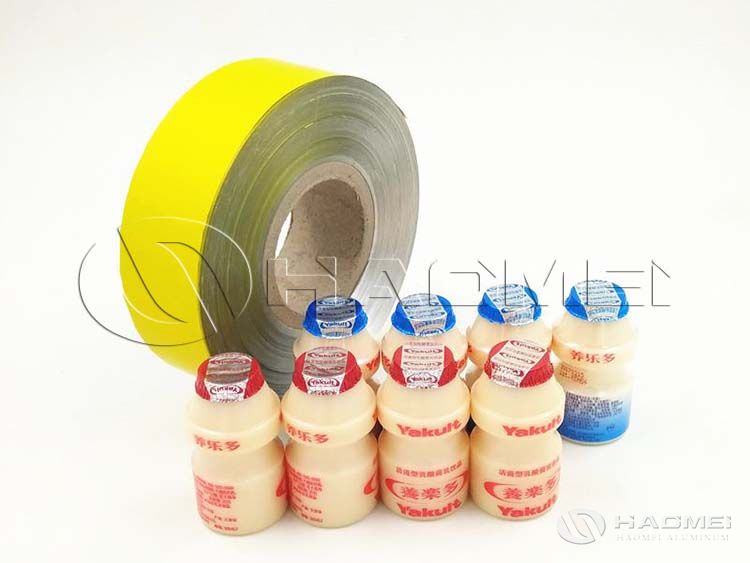
- What Is Specification of Aluminum Seal for BottlesAug 12, 2025
In the packaging industry, bottle sealing foil plays a crucial role, ensuring the quality of the product insid...
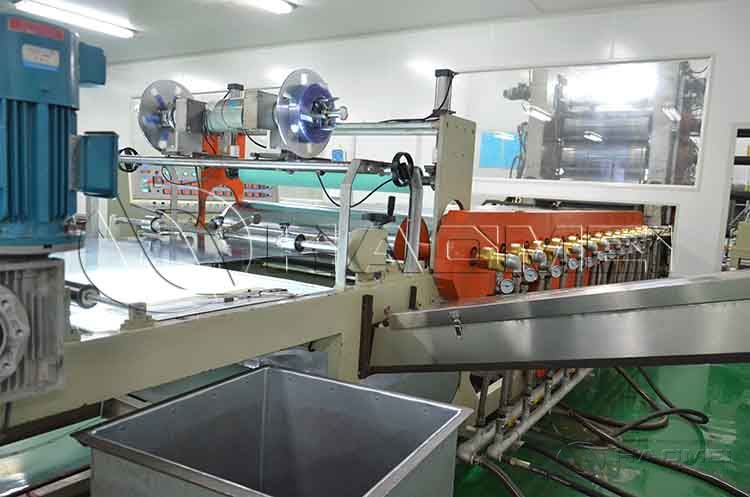
- Blister Packaging: Aluminum foil and PVDC PVCNov 26, 2025
Opening a medicine box, the pills and capsules encased in transparent "bubbles" always give a sense of reassur...
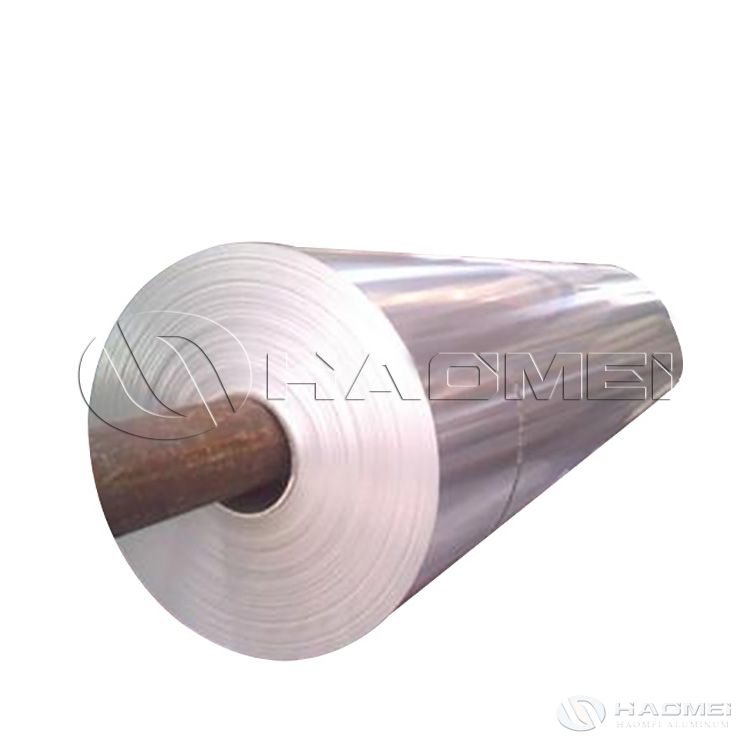
- Alu Blister Foil 8079Feb 26, 2024
8079 aluminum foil is widely used in the aluminum-plastic aluminum packaging for the medicines. Haomei Aluminu...
Inquiry
Products Category
Latest Application
-
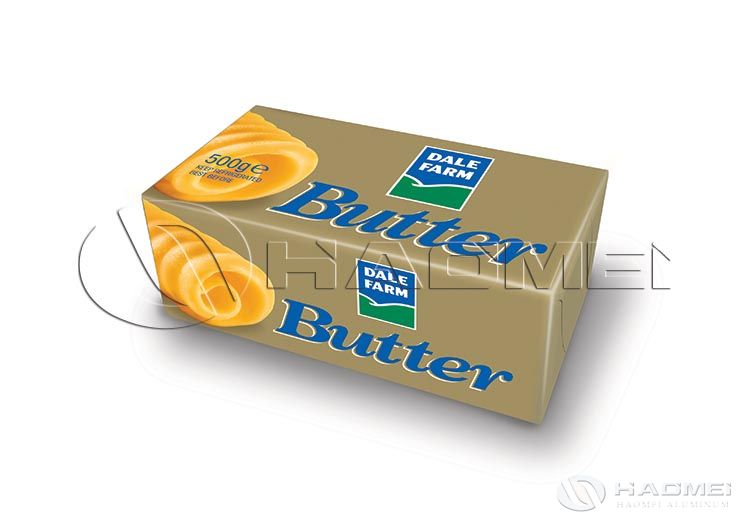 Why butter aluminum foil is neededButter aluminum foil blocks oxygen, moisture, and light, effectively preventing butter from oxidizing and spoiling, preserving nutrients, and significantly extending its shelf life. High-end products can see their sh
application
-
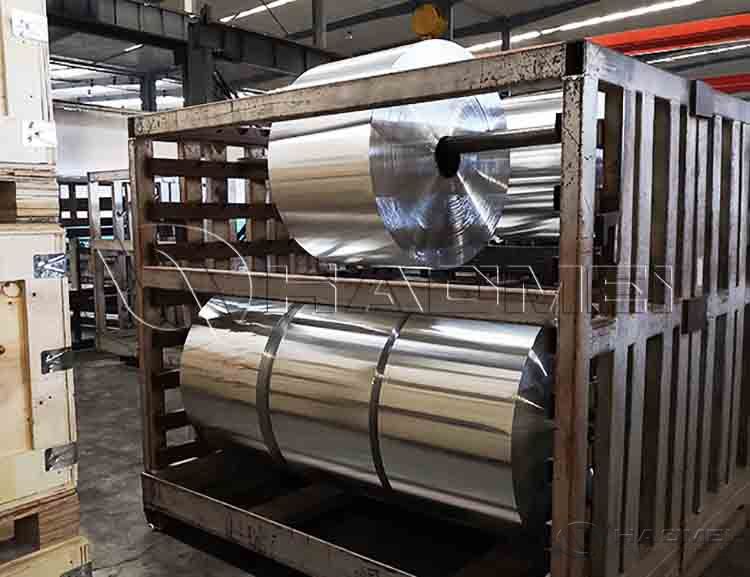 Cables are usually composed of conductors, insulation layers, shielding layers, and sheaths. Aluminum foil for cable is generally located outside the insulation layer as part of the shielding layer. It fits tightly to the surface of the insulation la
application
-
Aluminum Gold Foil Paper For Chocolate Wrapping
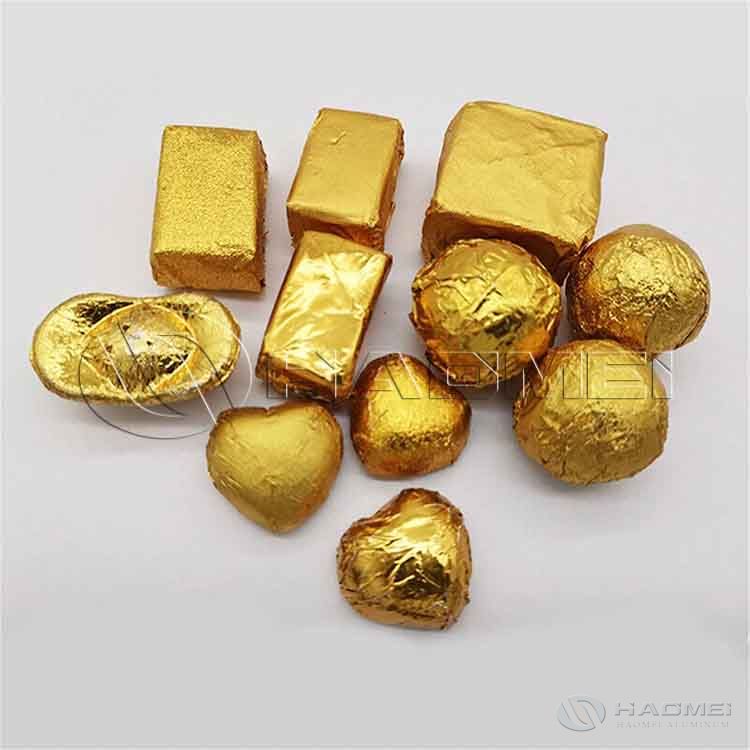 When is aluminum foil used for chocolate wrappingThe use of aluminium foil food for chocolate can be traced back to the early 20th century. In 1911, Swiss candy companies began to wrap chocolate with aluminum foil, gradually replacing the tin foil. T
application
-
PVC Rigid Film and Aluminum Foil for Medicine Packaging
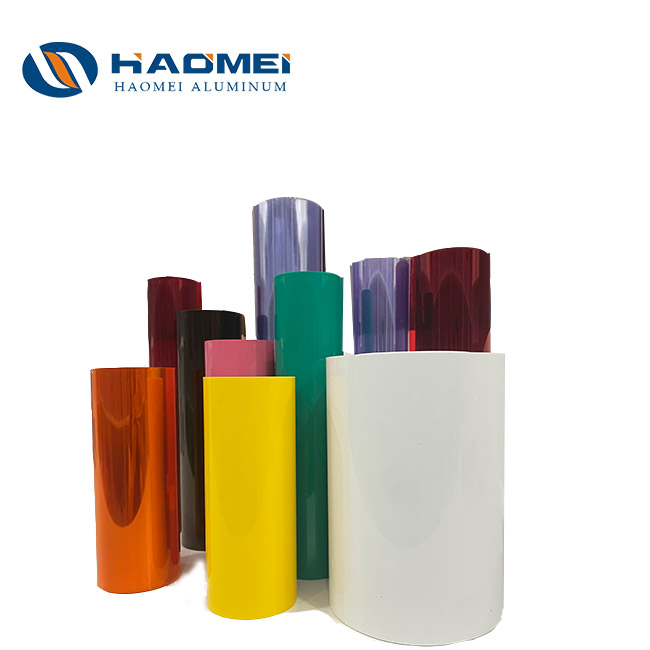 Haomei Aluminum provides different types of aluminum foil and plastic rigid films like PTP aluminum foil, cold forming foil, tropical foil, PVC rigid film, PE/PET film,etc. Best Price! Inquire now.
application
-
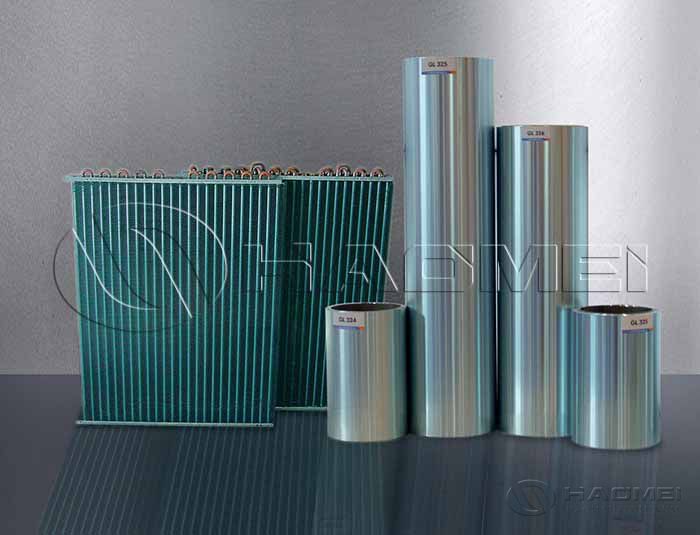 Haomei Aluminum offers you different colors of air conditioner aluminum foil like hydrophilic aluminum foil, including1100/ 3003 /8006/8011 aluminum foil,etc. Learn more.
application
Latest Blog
-
Specify 8021 aluminum foil with pinhole controls, temper, conversion costs, food-contact documents, inspection, and supply choices for flexible packaging.
Blog
-
Different Aluminum Foil Alloys Used for Food Container Production
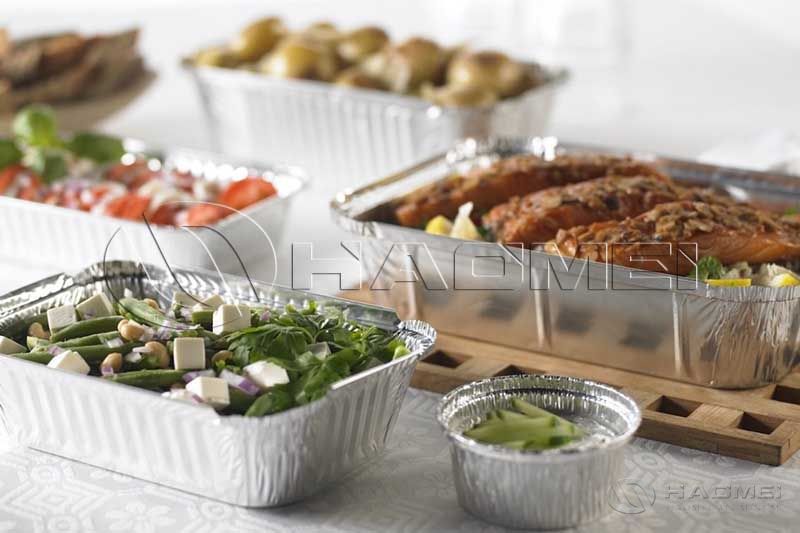 Discover the best aluminum foil alloys for food containers—3003, 3004, 8011 and 8006. Compare strength, formability, benefits and ideal packaging applications.
Blog
-
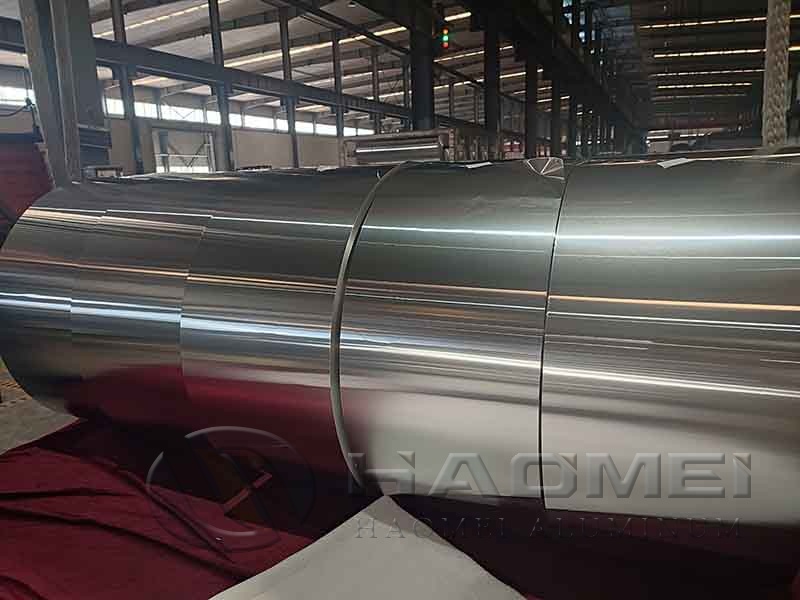 Explore current 8006 aluminium foil questions on food containers, temper, thickness, safety, and sourcing specifications for dependable forming performance.
Blog
-
 Specify 8011 aluminium foil with practical chemistry, pinhole, temper, testing and packaging checks for reliable food and pharmaceutical conversion.
Blog
-
3003, 8011 and 8006 Aluminum Foil for Food Packing
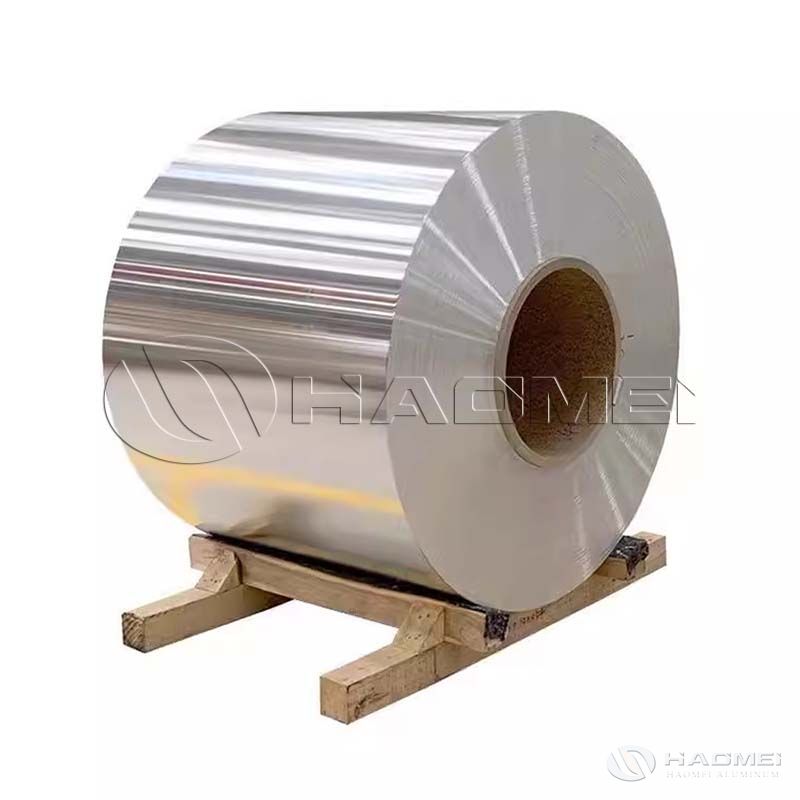 In the food packaging sector, aluminum foil is widely used for products such as composite flexible packaging, containers, meal boxes, sealing lids, and baking packaging due to its excellent barrier properties, light-shielding capabilities, heat resistance
Blog

Haomei Aluminum CO., LTD.
Tel/Whatsapp: +86-15978414719
Email: sale@alumhm.com
Website: https://www.alumfoils.com
Xin'an Industrial Assemble Region,Luoyang,Henan Province,China
Office Add: 1103, No.14 Waihuan Road, CBD, Zhengzhou, China