Air Conditioner Aluminum Foil
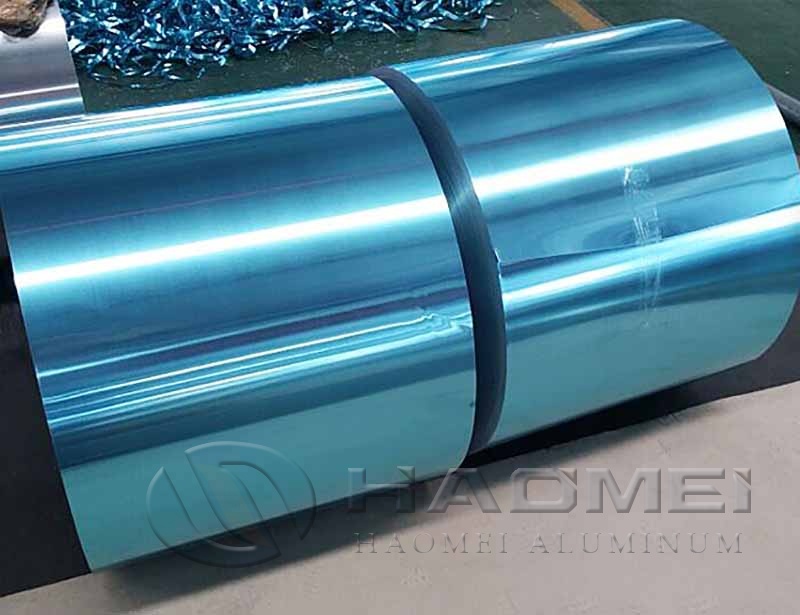
Learn air conditioner aluminum foil grades, hydrophilic coating tests, thickness, standards, defects, and practical sourcing tips for HVAC applications.
Air conditioner aluminum foil is the core material for condenser and evaporator fins. For HVAC manufacturers and component suppliers, the top concern is usually coating reliability: poor hydrophilic performance can reduce heat transfer, trap condensate, and accelerate corrosion.
This article focuses on how to specify fin stock correctly, what tests matter, and how to compare options before placing an order.

What it is and why coating performance matters
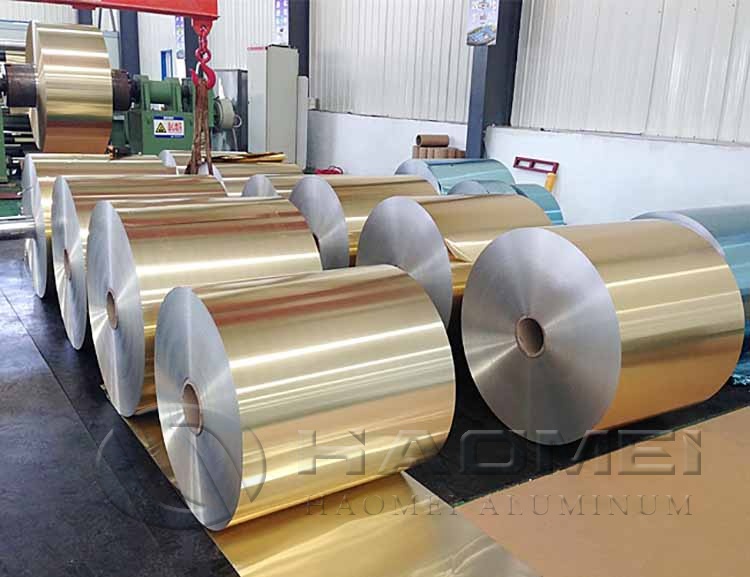
Fin material for room air conditioners, commercial HVAC units, and heat exchangers is typically thin rolled aluminum with bare or coated surfaces. The most common products are plain foil and hydrophilic coated foil. In practical use, hydrophilic coating helps condensate spread into a film and drain faster instead of forming droplets between fins.
That matters because water bridging can block airflow and reduce exchange efficiency. Faster drainage also helps limit odor and microbial growth on wet surfaces, although hygiene performance still depends on system design and maintenance.
In industry practice, 8011 aluminum foil is widely used because they offer a good balance of formability, thermal conductivity, and corrosion behavior.
Typical specifications to request from a mill
When sending an inquiry, do not ask only for "AC foil". Ask for a measurable specification set.
Common purchase range
| Item | Typical range for HVAC fins | What to verify |
|---|---|---|
| Alloy | 1100, 1200, 3003, 3102 | Match formability and corrosion requirements |
| Temper | O, H22, H24 | Depends on fin forming process |
| Thickness | 0.08-0.20 mm | Tighter tolerance supports stable stamping |
| Width | Project-specific | Check coil edge quality and camber |
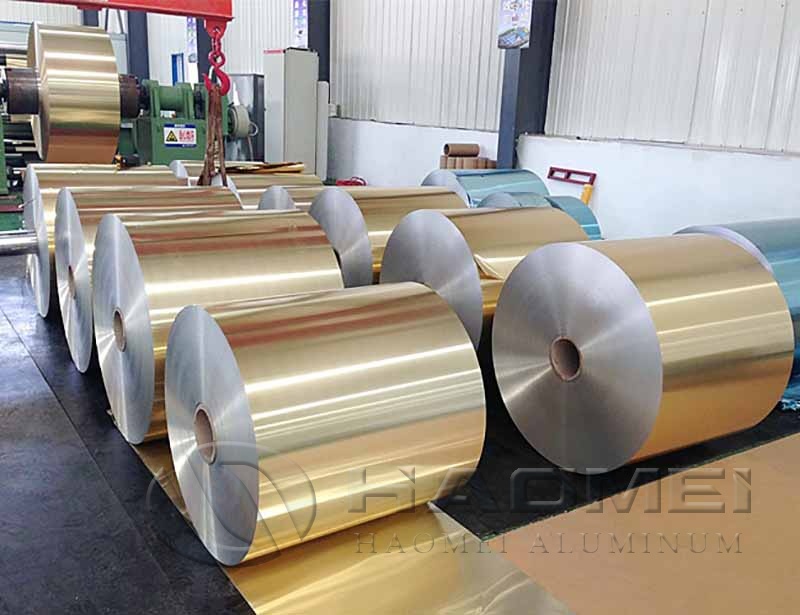
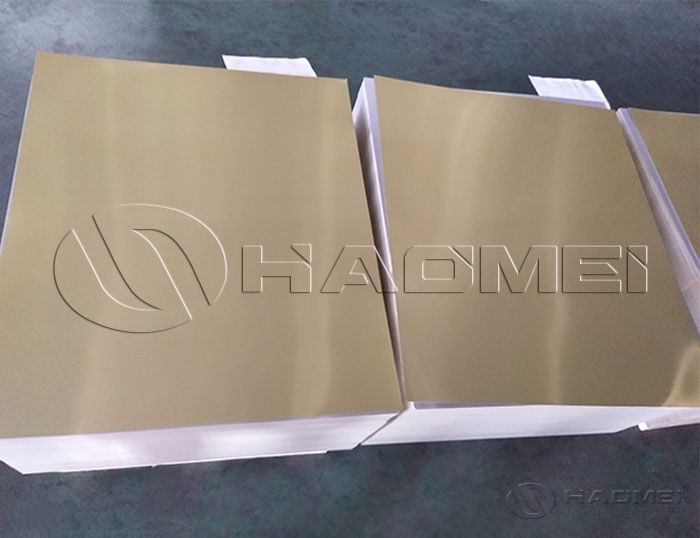
| Surface | Bare, hydrophilic, blue/gold coated | Confirm coating type and side |
| Coating weight | By supplier standard or project spec | Ask for test report, not only nominal value |
| Inner diameter | Usually customized | Match decoiler line |
| Cleanliness | Low rolling oil residue | Important for coating adhesion and brazing compatibility |
For many air conditioning fin applications, 0.095-0.12 mm is common, but the exact thickness depends on fin pitch, forming speed, and exchanger design. If your line is sensitive to tearing or springback, request actual mechanical property windows instead of just alloy and temper names.
A commonly discussed option is 1100 Aluminum Foil for Battery and Air Conditioner, especially when high formability and good thermal conductivity are priorities.
Standards, tests, and acceptance checklist
Different countries and end users apply different standards, so procurement documents should identify both material and test methods. For aluminum chemical composition and temper designation, mills often work according to recognized frameworks such as ASTM B209/B209M for aluminum and aluminum-alloy sheet and plate, or EN 485 for wrought aluminum products, together with internal HVAC fin specifications. Coating tests are often based on customer standards, salt spray methods, wettability checks, and adhesion tests.
Minimum test items before approval
| Test item | Why it matters | Typical acceptance focus |
|---|---|---|
| Chemical composition | Ensures correct alloy family | Mill certificate vs. order spec |
| Thickness tolerance | Prevents unstable fin forming | Uniformity across coil width and length |
| Tensile strength and elongation | Predicts stamping behavior | Stable lot-to-lot values |
| Wettability or contact angle | Verifies hydrophilic effect | Fast water spreading, no beading |
| Coating adhesion | Prevents peeling in forming | No flaking after bend or tape test |
| Corrosion resistance | Supports service life | Neutral salt spray or customer method |
| Surface cleanliness | Affects coating and forming | No heavy oil, stains, scratches |
| Edge quality | Reduces line stoppage | No severe burrs, cracks, wave |
Practical incoming inspection checklist
Check coil tag, alloy, temper, thickness, width, and net weight.
Review mill test certificate and coating inspection record.
Inspect both sides for roller marks, scratches, oil spots, and color inconsistency.
Measure thickness at multiple points across width.
Run a small forming trial before full release.
For coated stock, test water spread behavior on actual production samples.
If corrosion resistance is critical, retain witness samples for comparative salt spray testing.
Plain vs. hydrophilic foil: how to choose
| Option | Advantages | Limits | Suitable use |
|---|---|---|---|
| Bare aluminum fin stock | Lower cost, simple supply chain | Weaker drainage performance, less surface functionality | Cost-sensitive or non-condensing designs |
| Hydrophilic coated fin stock | Better condensate drainage, improved airflow stability, cleaner appearance | Higher cost, coating quality must be controlled | Evaporators and moisture-heavy environments |
| Corrosion-resistant coated stock | Better durability in coastal or polluted areas | Cost premium, stricter qualification needed | Export HVAC units, harsh service conditions |
Hydrophilic material usually costs more than bare stock because it adds coating, curing, inspection, and tighter surface control. Pricing changes with alloy, thickness, coating system, order size, and aluminum ingot market movement. Because LME aluminum and regional premiums fluctuate, it is safer to compare quotes using the same Incoterm, alloy, thickness tolerance, and coating specification instead of unit price alone.
Frequent sourcing problems and how to avoid them
Problem 1: Fin cracking during forming
Possible causes: temper too hard, poor elongation, edge defects, or unstable thickness.
Action:
Request tensile and elongation ranges in the contract.
Ask for trial coil samples.
Confirm slitting quality if material is reprocessed.
Problem 2: Coating peels after stamping
Possible causes: low surface cleanliness, weak pretreatment, or coating too brittle.
Action:
Require coating adhesion test data.
Ask whether coating is single-side or double-side.
Verify storage conditions to avoid moisture contamination.
Problem 3: Weak corrosion performance in field use
Possible causes: wrong alloy, inadequate coating, or aggressive installation environment.
Action:
State whether units will operate in coastal, industrial, or high-humidity areas.
Request corrosion test method and hours in writing.
Compare coated and uncoated options on total lifecycle cost, not initial material price.
How to compare suppliers objectively
Use a weighted scorecard instead of choosing only by quotation.
| Factor | What to ask | Why it matters |
|---|---|---|
| Alloy and temper capability | Can the supplier hold narrow property windows? | Reduces forming variation |
| Coating consistency | Are there batch test records for wettability and adhesion? | Prevents field complaints |
| Tolerance control | What is the actual thickness variation? | Supports stable exchanger production |
| Documentation | Are MTC, RoHS/REACH statements, and inspection reports available? | Simplifies qualification |
| Packaging | Is export packing moisture-protected? | Avoids transit corrosion |
| Complaint response | Is there a defined claim process? | Lowers supply risk |
For HVAC fin stock, the best choice is often not the cheapest coil. Stable hydrophilic coating, consistent mechanical properties, and clean surfaces usually save more through lower scrap and fewer exchanger performance issues.
- What Is Thin Gauge Aluminum FoilOct 31, 2023
The thin gauge aluminum foil is is an aluminum foil with thickness of 0. 01mm-0.1mm. It is widely used in food...
- Aluminium Foil Jumbo Roll PriceAug 20, 2026
Plan aluminium foil jumbo roll price with metal-index formulas, alloy options, yield checks, and food-contact...
- What Is Aluminum Foil Electrical ConductivityAug 26, 2025
In the industrial sector, the aluminum foil jumbo roll, thanks to its advantages such as lightweight, corrosio...
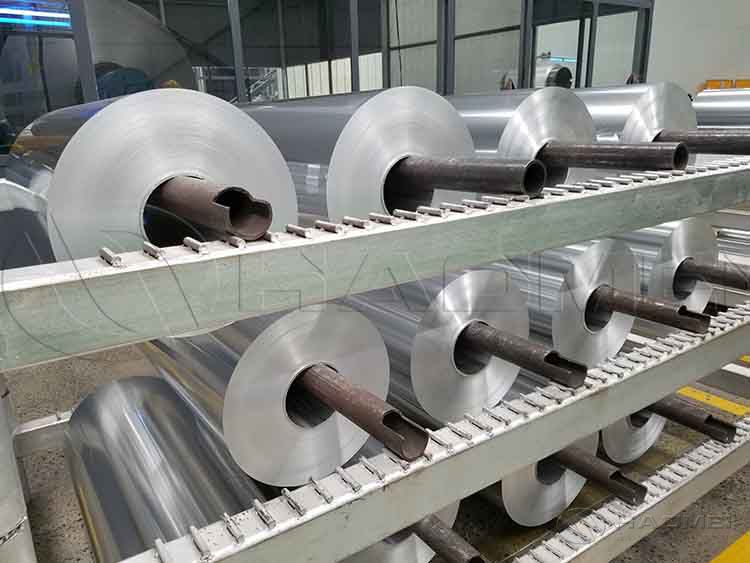
- How to Choose Rolling Speed of Aluminium Foil Packaging MaterialSep 11, 2023
The rolling speed directly affects the production efficiency of the aluminum foil packaging material. The roll...
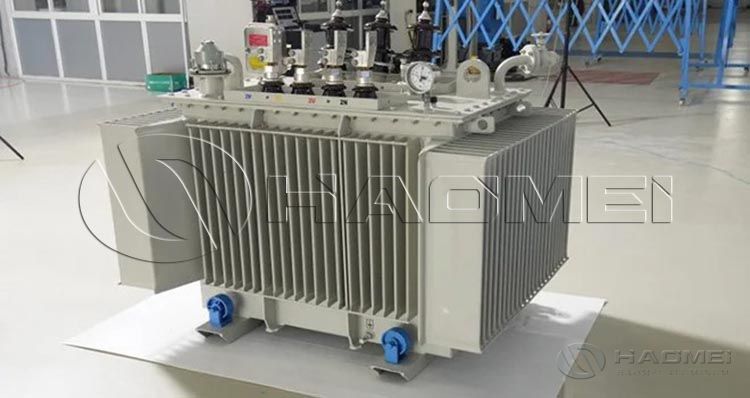
- Aluminum Foil Winding in TransformerJul 14, 2025
Among the many components of a transformer, the winding is undoubtedly one of the key components, and its perf...
Inquiry
Products Category
Latest Application
-
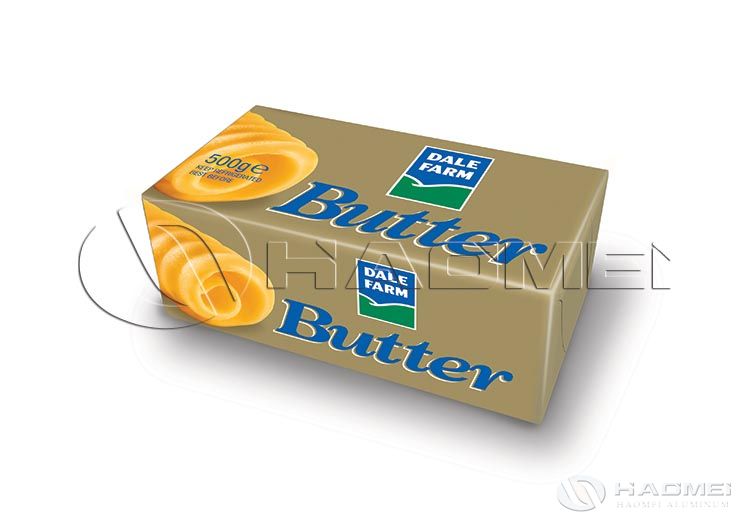 Why butter aluminum foil is neededButter aluminum foil blocks oxygen, moisture, and light, effectively preventing butter from oxidizing and spoiling, preserving nutrients, and significantly extending its shelf life. High-end products can see their sh
application
Why butter aluminum foil is neededButter aluminum foil blocks oxygen, moisture, and light, effectively preventing butter from oxidizing and spoiling, preserving nutrients, and significantly extending its shelf life. High-end products can see their sh
application
-
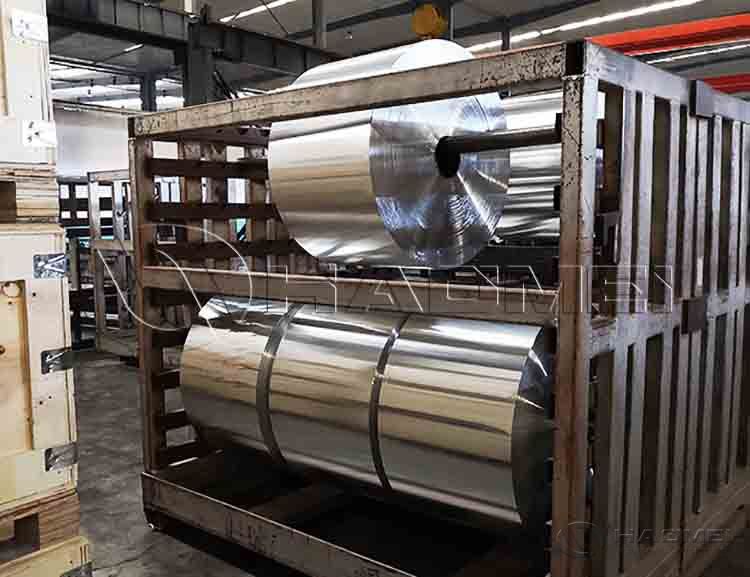 Cables are usually composed of conductors, insulation layers, shielding layers, and sheaths. Aluminum foil for cable is generally located outside the insulation layer as part of the shielding layer. It fits tightly to the surface of the insulation la
application
Cables are usually composed of conductors, insulation layers, shielding layers, and sheaths. Aluminum foil for cable is generally located outside the insulation layer as part of the shielding layer. It fits tightly to the surface of the insulation la
application
-
Aluminum Gold Foil Paper For Chocolate Wrapping
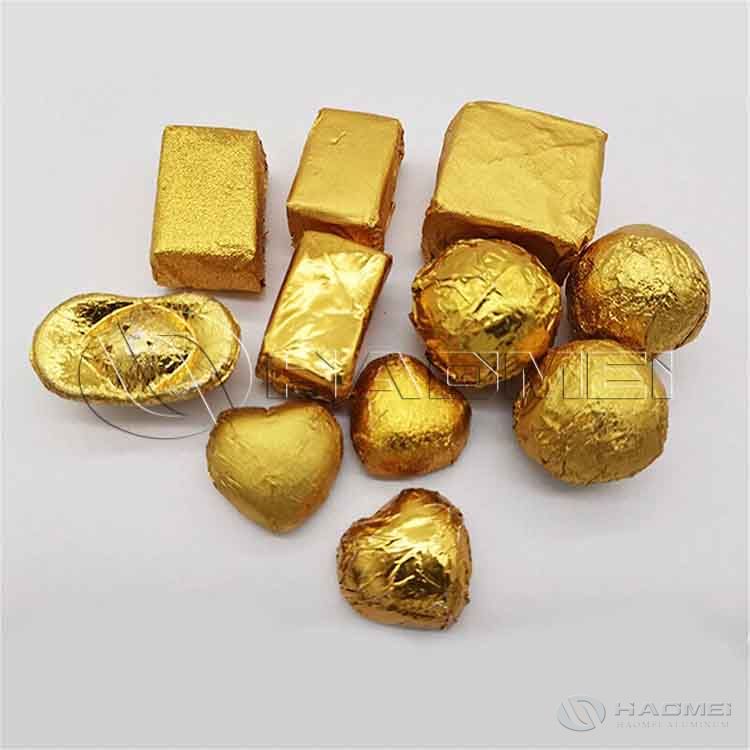 When is aluminum foil used for chocolate wrappingThe use of aluminium foil food for chocolate can be traced back to the early 20th century. In 1911, Swiss candy companies began to wrap chocolate with aluminum foil, gradually replacing the tin foil. T
application
When is aluminum foil used for chocolate wrappingThe use of aluminium foil food for chocolate can be traced back to the early 20th century. In 1911, Swiss candy companies began to wrap chocolate with aluminum foil, gradually replacing the tin foil. T
application
-
PVC Rigid Film and Aluminum Foil for Medicine Packaging
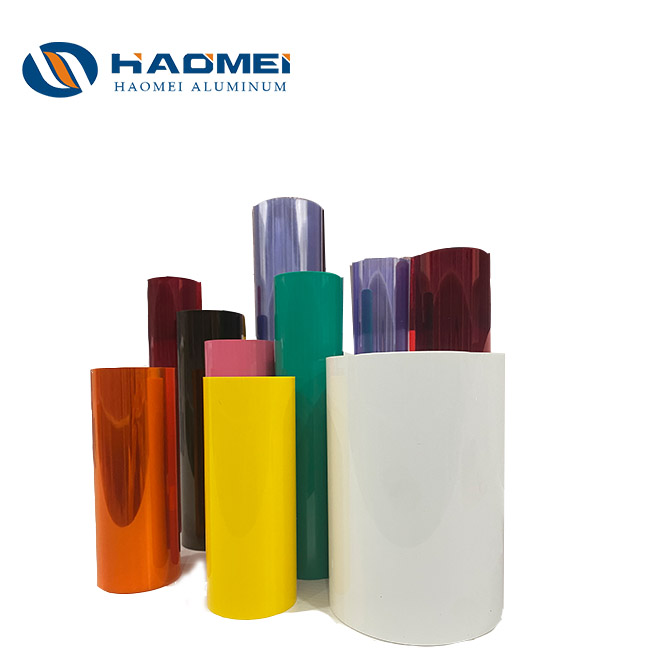 Haomei Aluminum provides different types of aluminum foil and plastic rigid films like PTP aluminum foil, cold forming foil, tropical foil, PVC rigid film, PE/PET film,etc. Best Price! Inquire now.
application
Haomei Aluminum provides different types of aluminum foil and plastic rigid films like PTP aluminum foil, cold forming foil, tropical foil, PVC rigid film, PE/PET film,etc. Best Price! Inquire now.
application
-
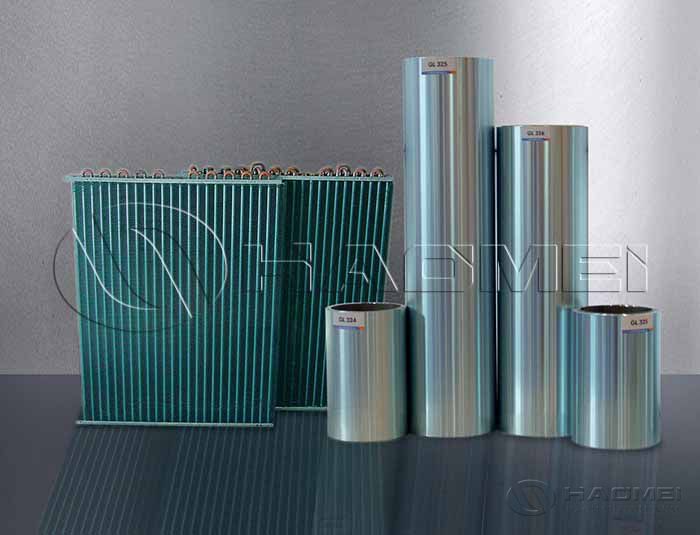 Haomei Aluminum offers you different colors of air conditioner aluminum foil like hydrophilic aluminum foil, including1100/ 3003 /8006/8011 aluminum foil,etc. Learn more.
application
Haomei Aluminum offers you different colors of air conditioner aluminum foil like hydrophilic aluminum foil, including1100/ 3003 /8006/8011 aluminum foil,etc. Learn more.
application
Latest Blog
-
3003, 8011 and 8006 Aluminum Foil for Food Packing
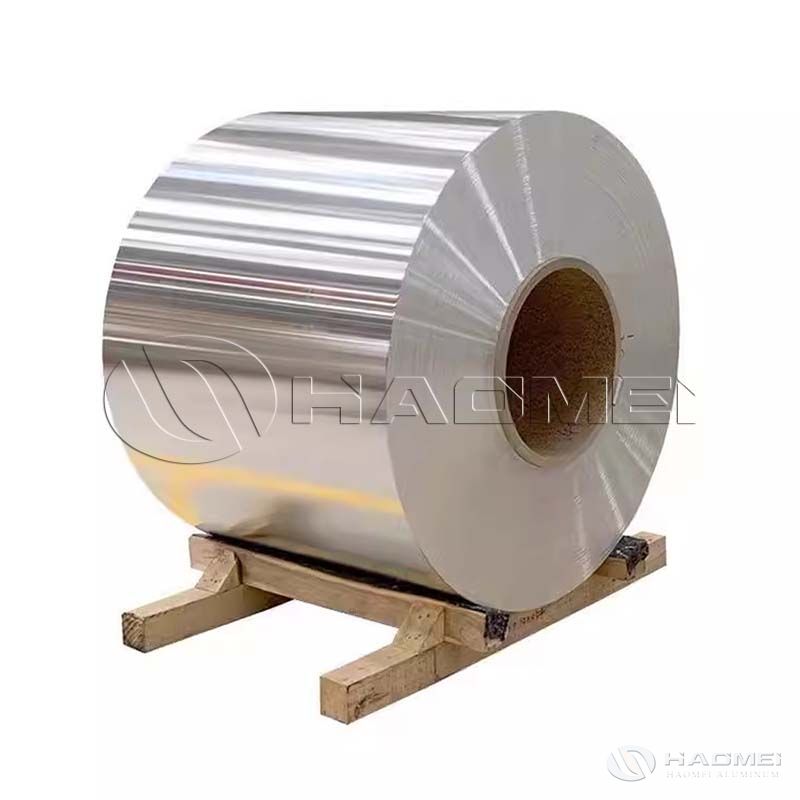 In the food packaging sector, aluminum foil is widely used for products such as composite flexible packaging, containers, meal boxes, sealing lids, and baking packaging due to its excellent barrier properties, light-shielding capabilities, heat resistance
Blog
In the food packaging sector, aluminum foil is widely used for products such as composite flexible packaging, containers, meal boxes, sealing lids, and baking packaging due to its excellent barrier properties, light-shielding capabilities, heat resistance
Blog
-
 Select air conditioner foil for durable heat-exchanger fins: alloys, hydrophilic coatings, test methods, tolerances, and order specifications for HVAC units.
Blog
Select air conditioner foil for durable heat-exchanger fins: alloys, hydrophilic coatings, test methods, tolerances, and order specifications for HVAC units.
Blog
-
Aluminum Foil Jumbo Roll for Flexible Packaging Laminates
 Compare 1235 pure aluminum & 8011 alloy foil jumbo rolls for flexible packaging lamination. Learn their differences in material properties, performance, pros & cons, and key application scenarios to choose the right foil for food, pharmaceutical & consume
Blog
Compare 1235 pure aluminum & 8011 alloy foil jumbo rolls for flexible packaging lamination. Learn their differences in material properties, performance, pros & cons, and key application scenarios to choose the right foil for food, pharmaceutical & consume
Blog
-
 Plan year-end capacitor production with specified aluminum foil: purity, temper, surface controls, test documents, and shipment timing that reduce line risk.
Blog
Plan year-end capacitor production with specified aluminum foil: purity, temper, surface controls, test documents, and shipment timing that reduce line risk.
Blog
-
Where To Find a Reliable Air Conditioner Fin Foil Supplier
 In the competitive HVAC industry, the quality of air conditioner fin stock directly determines the heat exchange efficiency, durability, and energy-saving performance of air conditioning equipment. For manufacturers, distributors, and processing enterpris
Blog
In the competitive HVAC industry, the quality of air conditioner fin stock directly determines the heat exchange efficiency, durability, and energy-saving performance of air conditioning equipment. For manufacturers, distributors, and processing enterpris
Blog

Haomei Aluminum CO., LTD.
Tel/Whatsapp: +86-15978414719
Email: sale@alumhm.com
Website: https://www.alumfoils.com
Xin'an Industrial Assemble Region,Luoyang,Henan Province,China
Office Add: 1103, No.14 Waihuan Road, CBD, Zhengzhou, China