Aluminum Foil for Freeze-dried Pharmaceuticals
Freeze-dried pharmaceuticals (FDRs) occupy an important position in biopharmaceuticals, antibiotics, and vaccines due to their advantages such as high stability, long shelf life, and convenient administration. Ensuring the quality of freeze-dried pharmace
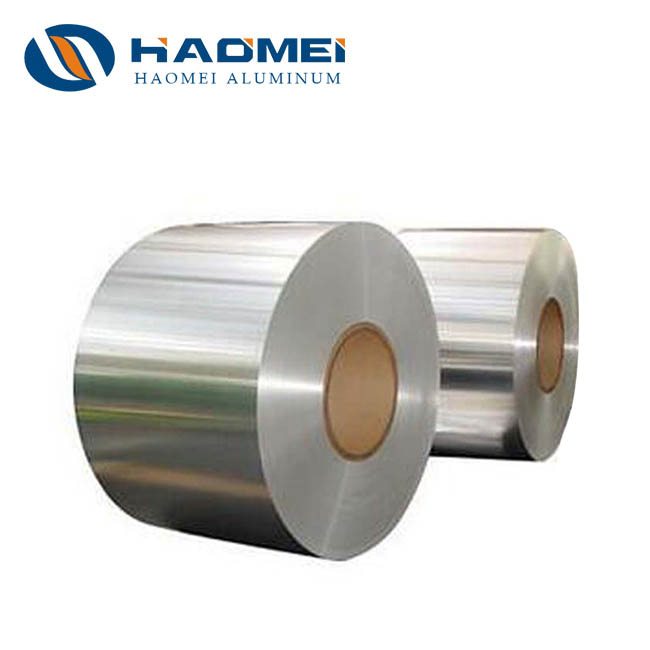
Freeze-dried pharmaceuticals (FDRs) occupy an important position in biopharmaceuticals, antibiotics, and vaccines due to their advantages such as high stability, long shelf life, and convenient administration. Ensuring the quality of freeze-dried pharmaceuticals relies not only on advanced freeze-drying processes but also, crucially, on the selection of packaging materials.
Freeze-dried pharmaceuticals undergo special processes such as low-temperature freezing and vacuum drying during production. The finished product typically has a loose, porous structure, making it extremely sensitive to external factors such as moisture, oxygen, and light. Inadequate protection can easily lead to deliquescence and oxidation, resulting in decreased efficacy or even drug inactivation. Therefore, aluminum foil suitable for freeze-dried pharmaceuticals must meet the following stringent requirements:
1. Extreme Barrier Properties
This is the most crucial requirement for aluminum foil used in freeze-dried pharmaceuticals. The aluminum foil must effectively block gases such as water vapor, oxygen, and carbon dioxide, while also possessing 100% light-shielding properties to prevent light from triggering photochemical reactions in the pharmaceutical components.
According to industry testing standards, qualified freeze-dried pharmaceutical aluminum foil must have an oxygen permeability ≤0.5 cm³/m²·day·atm and a water vapor permeability ≤0.1 g/m²·day to ensure a stable microenvironment for the pharmaceuticals during long-term storage.
Furthermore, the aluminum foil surface must be free of pinholes or have very few pinholes; no more than one pinhole with a diameter of 0.1-0.3 mm should be present per square meter. Otherwise, it will become a channel for gas and moisture penetration, severely affecting the barrier effect.
2. Safety, Hygiene, and Chemical Compatibility
Freeze-dried pharmaceuticals are mostly injectable or oral preparations, coming into direct contact with packaging materials. Therefore, the aluminum foil must meet the hygiene standards for pharmaceutical packaging materials, being non-toxic, odorless, free of fluorescent impurities, with a clean and smooth surface, free of oil stains, scratches, burrs, and other defects.
Simultaneously, the aluminum foil must have good chemical compatibility with the pharmaceutical ingredients, ensuring no chemical reaction occurs upon contact with the pharmaceuticals, and no harmful substances are released, thus ensuring the safety of the pharmaceuticals. Test data shows that after aluminum foil comes into contact with the drug, the pH change of the system should be ≤0.5, with no obvious leaching.
3. Excellent Processing and Sealing Performance
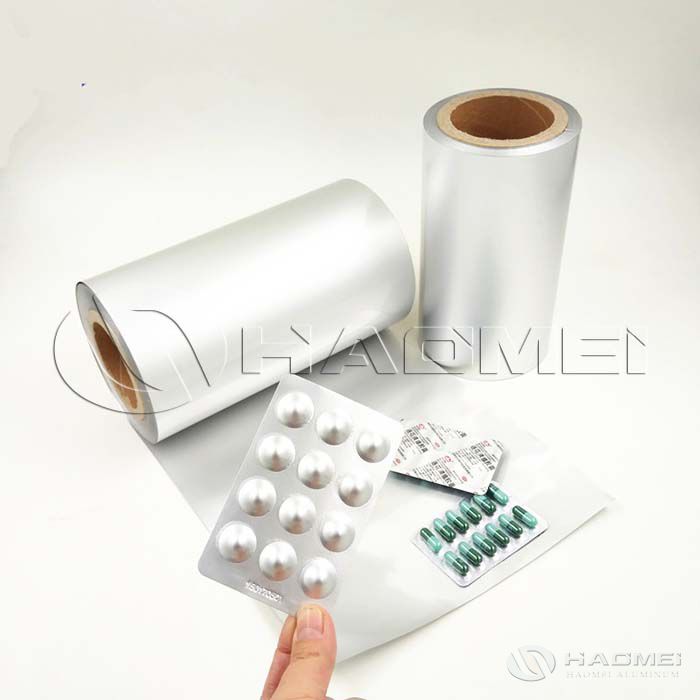
The packaging of freeze-dried drugs is mostly in the form of aluminum-plastic composite bags, cold-formed blister packs, etc., which requires aluminum foil to have good composite adaptability and heat-sealing performance. Aluminum foil must be able to firmly bond with plastic films such as polyester (PET), polyethylene (PE), and polyvinyl chloride (PVC). The bonded material must have sufficient heat-sealing strength, with a minimum sealing strength ≥15N/15mm, ensuring a tight seal and preventing damage.
Furthermore, to meet the easy-tear requirement of freeze-dried drug packaging, aluminum foil must also have suitable toughness and tear strength, making it easy for consumers or medical personnel to open, while avoiding the generation of debris that contaminates the drug during opening.
4. Stable Mechanical and Environmental Adaptability
Freshly dried pharmaceuticals may face environmental challenges such as temperature fluctuations, vibration, and compression during transportation and storage. Therefore, the aluminum foil must possess good mechanical strength, with a tensile strength ≥ 80 MPa and elongation ≥ 12%, capable of withstanding vibration and compression during transportation without easily breaking.
Simultaneously, the aluminum foil must be adaptable to a wide temperature range. In temperature cycling tests from -20℃ to 60℃, it should show no seal failure after 50 cycles, ensuring stable protective performance under different regions and storage conditions.

Mainstream Aluminum Foil Alloys
Not all aluminum foil alloys meet the stringent requirements of freeze-dried pharmaceuticals. The industry mainstream uses 8000 series aluminum alloys and some high-purity 1000 series aluminum alloys. Among them, 8011, 8021, and 8079 are the three most commonly used alloy types. Different alloys have different performance focuses, and the selection can be based on the specific packaging requirements of the pharmaceuticals.
1. 8011 Aluminum Alloy
8011 aluminum alloy is the "mainstay" of pharmaceutical aluminum foil and the most commonly used alloy type in freeze-dried drug packaging and ptp aluminum foil. This alloy is aluminum-based with small amounts of iron, silicon, and other elements, possessing excellent comprehensive properties: non-toxic, odorless, lightweight, with excellent barrier and light-shielding properties, excellent processing performance, can be rolled into extremely thin foils, and has strong heat-sealing adaptability, allowing for perfect lamination with various plastic films.
8011 aluminum foil is mostly available in H18 (hard) or O (soft) states. H18 aluminum foil has higher hardness and is suitable for ordinary aluminum-plastic composite bags; O-state aluminum foil has better flexibility and can be used for cold-formed blister packaging, adapting to complex forming processes. Due to its outstanding cost-effectiveness, 8011 aluminum foil is widely used in the conventional packaging of most freeze-dried drugs.
2. 8021 Aluminum Alloy
8021 aluminum foil is an improved version of the 8000 series, with superior performance compared to 8011, especially in barrier and formability. This alloy boasts higher density and better elongation than 8011, exhibiting superior tear resistance and stamping formability. It also offers a smoother surface and fewer pinholes, providing a more reliable protective barrier for freeze-dried pharmaceuticals.
8021 aluminum is predominantly in the O-state, suitable for cold-forming blister packaging (aluminum-aluminum blister packs) of high-end freeze-dried pharmaceuticals, particularly for products like biological agents and vaccines requiring extremely high barrier properties, effectively extending shelf life.
3. 8079 Aluminum Alloy
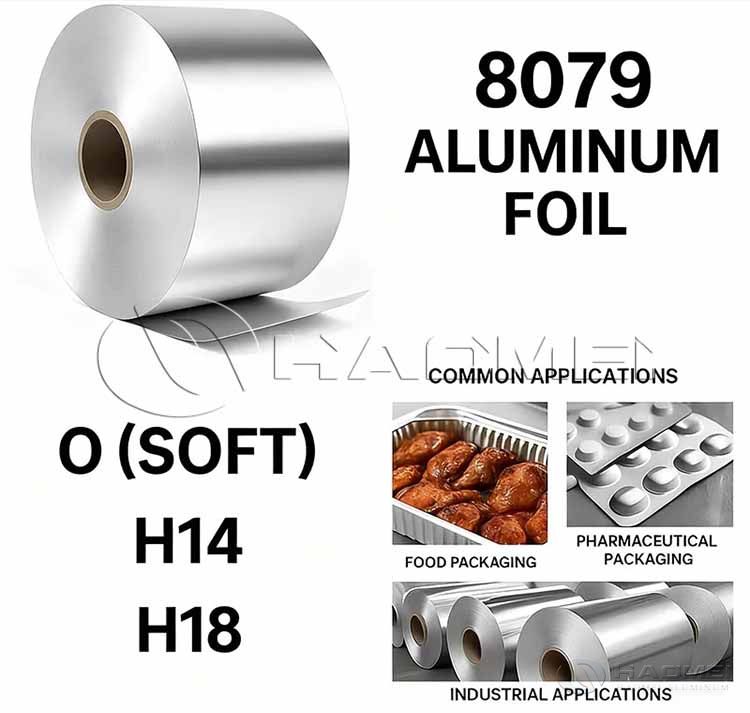
8079 aluminum alloy also belongs to the 8000 series. While its application range is not as extensive as 8011 and 8021, it possesses similar excellent barrier properties and corrosion resistance, along with good flexibility and composite performance.
This alloy is suitable for freeze-dried pharmaceuticals with special packaging requirements, such as those needing long-term storage in high-humidity environments or requiring special composite packaging structures. Furthermore, 8079 aluminum foil roll exhibits good processing stability, allowing it to adapt to high-speed automated packaging production lines and improve production efficiency.
4. 1000 Series Aluminum Alloys
1235 and 1100 aluminum alloys are high-purity aluminum alloys with aluminum contents of no less than 99.35% and 99% respectively. They possess excellent corrosion resistance and formability, and are highly hygienic and safe, free of harmful impurities.
These aluminum foils also exhibit excellent barrier properties and flexibility, making them suitable for packaging freeze-dried pharmaceuticals requiring extremely high purity, such as some high-end injectables. However, due to their higher production costs, their application in freeze-dried pharmaceutical packaging is not as widespread as the 8000 series, and they are mostly used in special applications.
Aluminum Foil Specifications
The specifications of aluminum foil for freeze-dried pharmaceuticals need to be determined based on the specific packaging form and drug requirements. Core parameters include thickness, width, length, and state. Different specifications of aluminum foil are suitable for different packaging scenarios. The following are the mainstream specification ranges in the industry:
1. Thickness
Thickness is a key factor affecting the barrier properties and mechanical properties of aluminum foil. The thickness range of aluminum foil for freeze-dried pharmaceuticals is typically 0.016-0.06mm (16-60μm). Specifically, the thickness of aluminum foil used in conventional aluminum-plastic composite bags is mostly 0.02-0.03mm (20-30μm); the thickness of aluminum foil used in cold-formed blister packaging is thicker, typically 0.045-0.06mm (45-60μm), to ensure structural stability and barrier properties after forming.
2. Width and Length
The width of the aluminum foil needs to be determined based on the size of the pharmaceutical packaging and the requirements of automated packaging equipment. The mainstream width range is 100-1650mm, with some special packaging available at widths up to 2300mm.
Regarding length, aluminum foil is mostly supplied in rolls, with lengths ranging from 2000-8000m. The core diameter is commonly 76mm or 152mm, facilitating continuous operation in automated packaging production lines.
3. Tempers
The temper of aluminum foil for freeze-dried pharmaceuticals is mainly divided into H18 (rigid) and O (soft). H18 aluminum foil has high hardness and good stiffness, suitable for packaging such as aluminum-plastic composite bags and bottle sealing films that do not require complex forming.
O-temper aluminum foil has excellent flexibility and good stamping performance, mainly used for cold-formed blister packaging. It can be easily formed into a recessed structure to accommodate the medicine, and is not easily deformed or broken after forming.


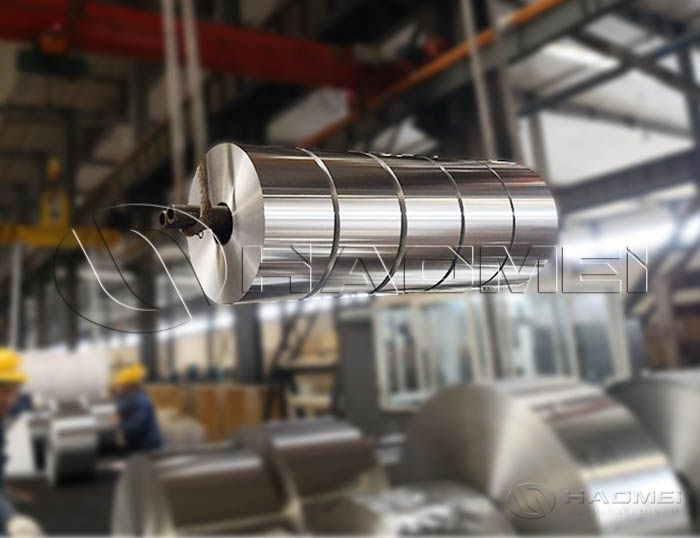
- Jumbo Aluminum Foil for PackagingJul 29, 2022
Aluminum foil jumbo roll is an important packaging material for food and medicine. It has full protection agai...
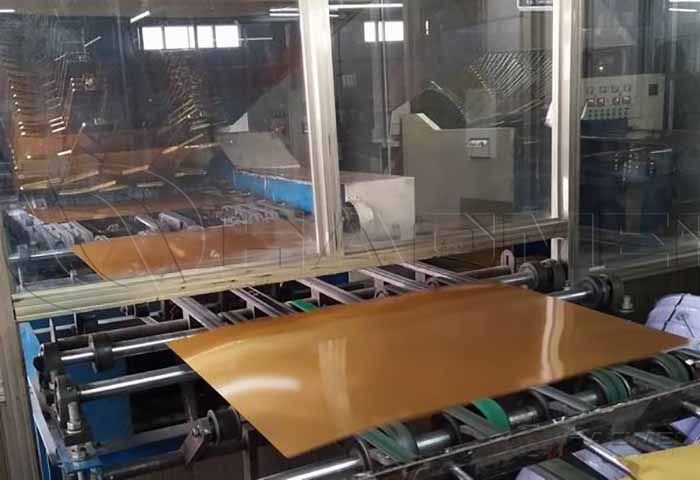
- DOS Oil Coated Aluminum Foil Seal for BottlesFeb 13, 2023
DOS oil coated aluminum foil sheet has good sealing performance, excellent freshness preservation and light sh...
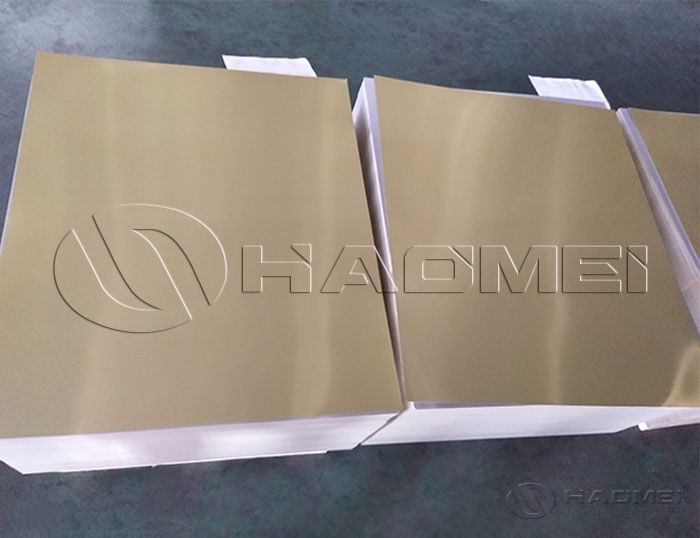
- 8011 Color Coated Aluminum CoilJun 08, 2023
8011 color coated aluminum foil, especially the golden aluminum foil is a main type of aluminum foil for bottl...
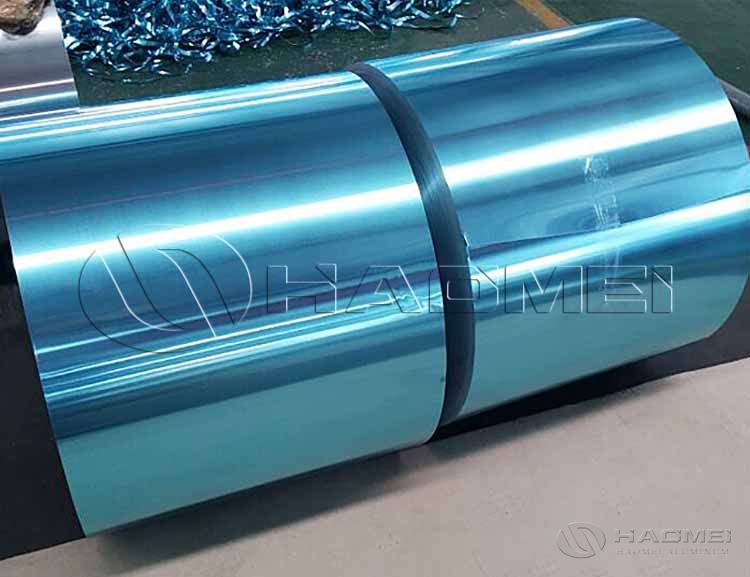
- Plain or Hydrophilic Aluminum Coil for ACSep 16, 2025
Aluminum foil is a core component in air conditioner heat exchangers, and its performance directly impacts the...
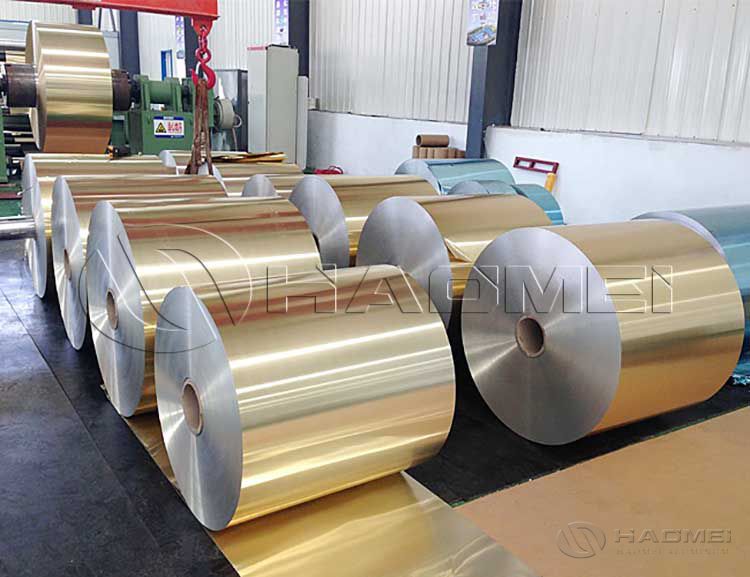
- Gold Aluminum Foil Roll for Flexible Air DuctApr 22, 2024
Aluminum foil tube is a pipe material widely used in air conditioning system, ventilation system and fume exha...
Inquiry
Products Category
Latest Application
-
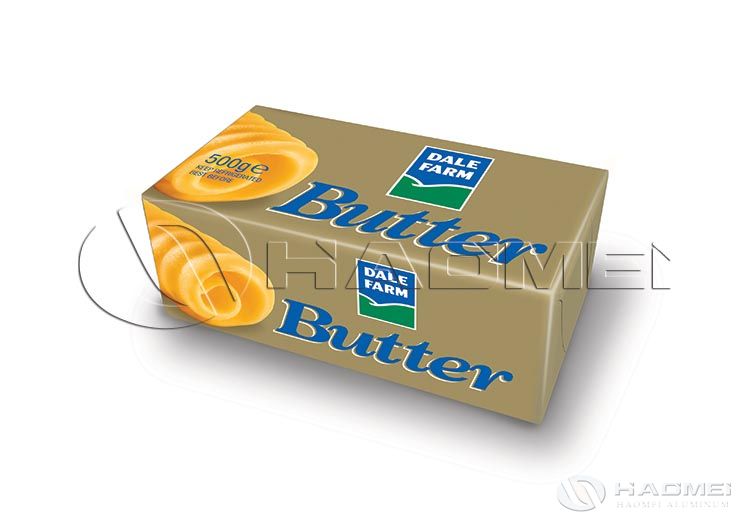 Why butter aluminum foil is neededButter aluminum foil blocks oxygen, moisture, and light, effectively preventing butter from oxidizing and spoiling, preserving nutrients, and significantly extending its shelf life. High-end products can see their sh
application
Why butter aluminum foil is neededButter aluminum foil blocks oxygen, moisture, and light, effectively preventing butter from oxidizing and spoiling, preserving nutrients, and significantly extending its shelf life. High-end products can see their sh
application
-
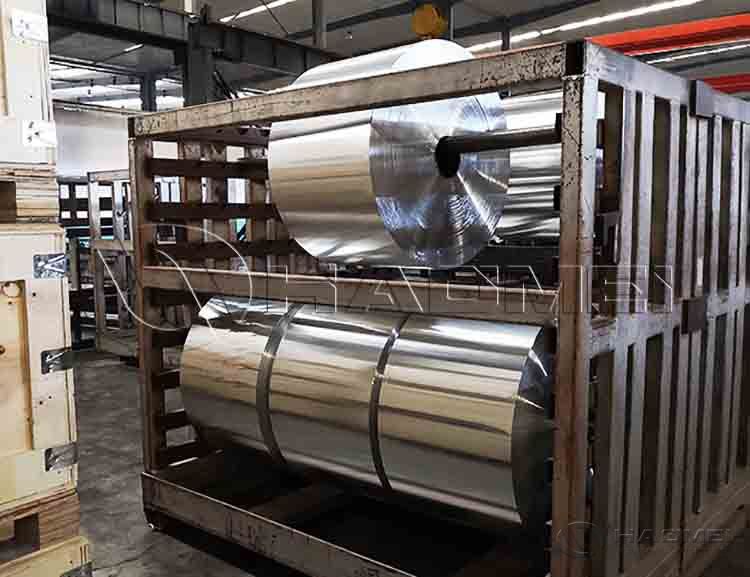 Cables are usually composed of conductors, insulation layers, shielding layers, and sheaths. Aluminum foil for cable is generally located outside the insulation layer as part of the shielding layer. It fits tightly to the surface of the insulation la
application
Cables are usually composed of conductors, insulation layers, shielding layers, and sheaths. Aluminum foil for cable is generally located outside the insulation layer as part of the shielding layer. It fits tightly to the surface of the insulation la
application
-
Aluminum Gold Foil Paper For Chocolate Wrapping
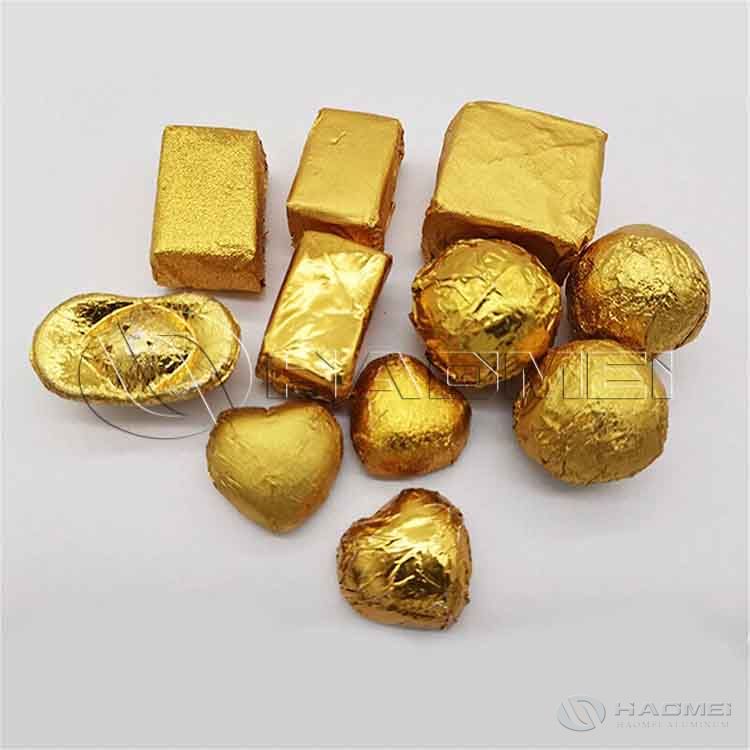 When is aluminum foil used for chocolate wrappingThe use of aluminium foil food for chocolate can be traced back to the early 20th century. In 1911, Swiss candy companies began to wrap chocolate with aluminum foil, gradually replacing the tin foil. T
application
When is aluminum foil used for chocolate wrappingThe use of aluminium foil food for chocolate can be traced back to the early 20th century. In 1911, Swiss candy companies began to wrap chocolate with aluminum foil, gradually replacing the tin foil. T
application
-
PVC Rigid Film and Aluminum Foil for Medicine Packaging
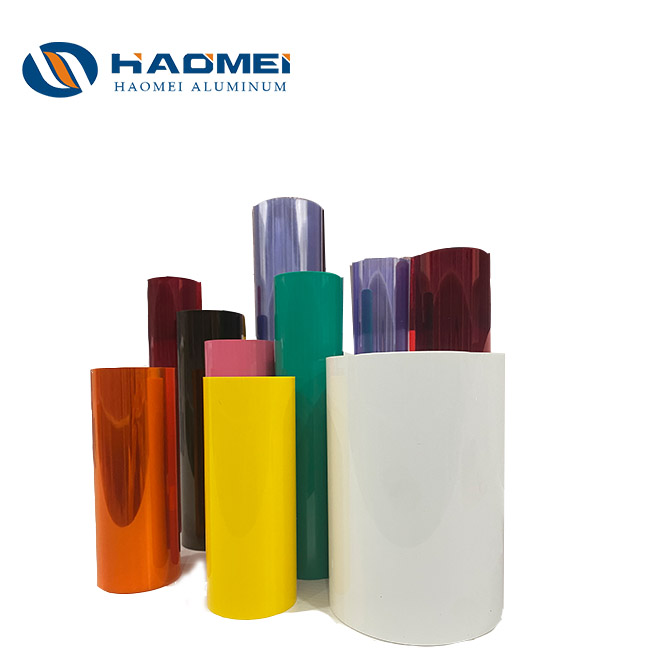 Haomei Aluminum provides different types of aluminum foil and plastic rigid films like PTP aluminum foil, cold forming foil, tropical foil, PVC rigid film, PE/PET film,etc. Best Price! Inquire now.
application
Haomei Aluminum provides different types of aluminum foil and plastic rigid films like PTP aluminum foil, cold forming foil, tropical foil, PVC rigid film, PE/PET film,etc. Best Price! Inquire now.
application
-
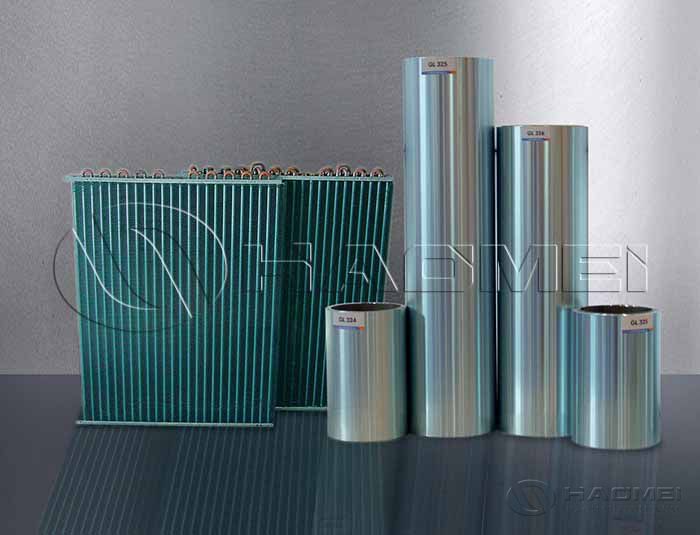 Haomei Aluminum offers you different colors of air conditioner aluminum foil like hydrophilic aluminum foil, including1100/ 3003 /8006/8011 aluminum foil,etc. Learn more.
application
Haomei Aluminum offers you different colors of air conditioner aluminum foil like hydrophilic aluminum foil, including1100/ 3003 /8006/8011 aluminum foil,etc. Learn more.
application
Latest Blog
-
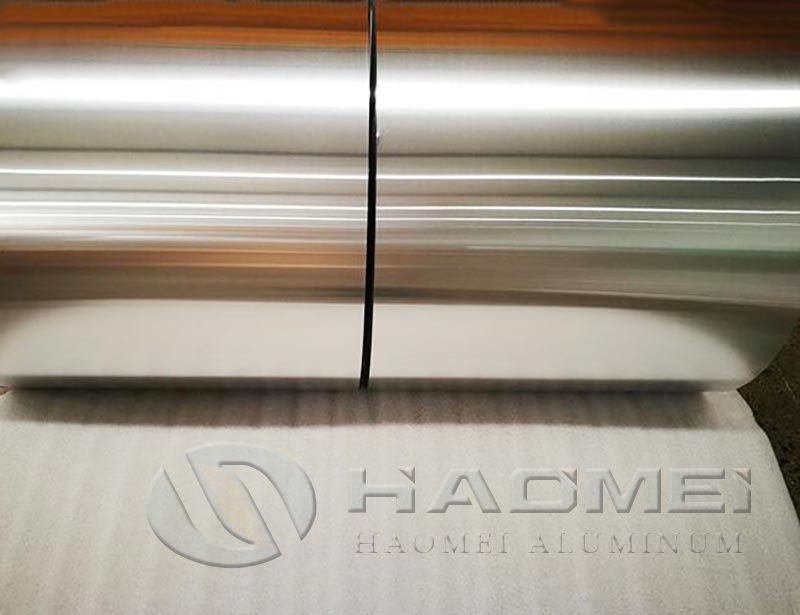 Specify 8011 aluminium foil with practical chemistry, pinhole, temper, testing and packaging checks for reliable food and pharmaceutical conversion.
Blog
Specify 8011 aluminium foil with practical chemistry, pinhole, temper, testing and packaging checks for reliable food and pharmaceutical conversion.
Blog
-
3003, 8011 and 8006 Aluminum Foil for Food Packing
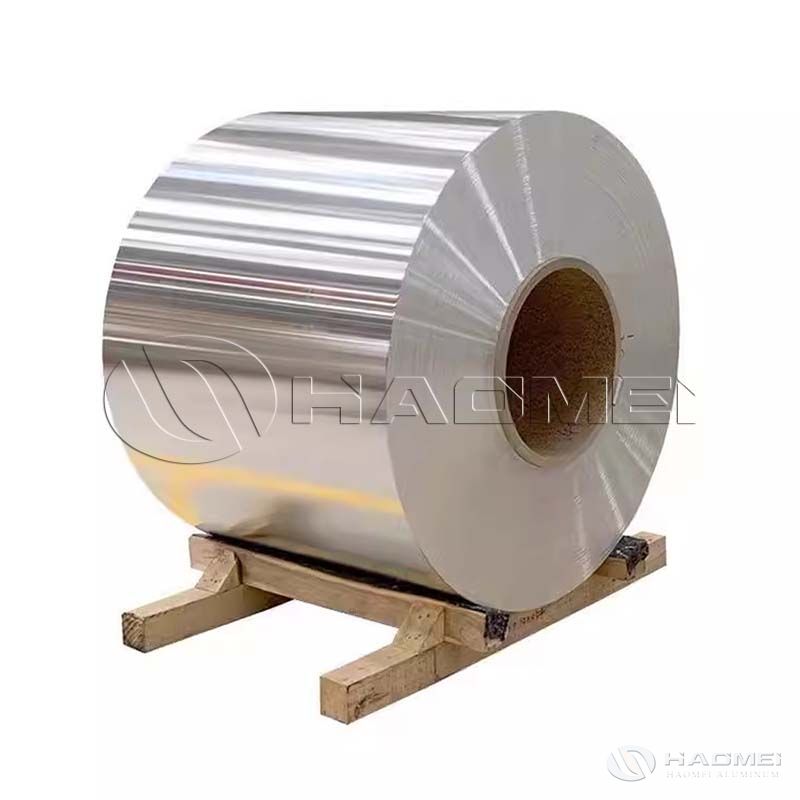 In the food packaging sector, aluminum foil is widely used for products such as composite flexible packaging, containers, meal boxes, sealing lids, and baking packaging due to its excellent barrier properties, light-shielding capabilities, heat resistance
Blog
In the food packaging sector, aluminum foil is widely used for products such as composite flexible packaging, containers, meal boxes, sealing lids, and baking packaging due to its excellent barrier properties, light-shielding capabilities, heat resistance
Blog
-
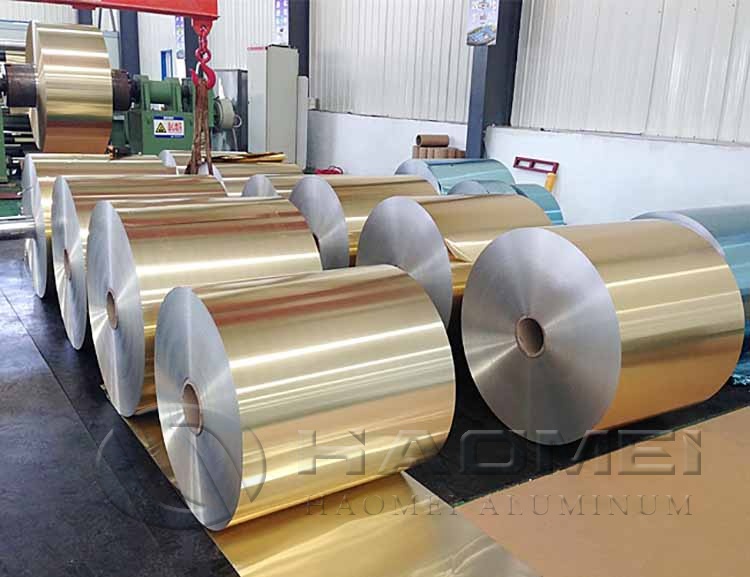 Select air conditioner foil for durable heat-exchanger fins: alloys, hydrophilic coatings, test methods, tolerances, and order specifications for HVAC units.
Blog
Select air conditioner foil for durable heat-exchanger fins: alloys, hydrophilic coatings, test methods, tolerances, and order specifications for HVAC units.
Blog
-
Aluminum Foil Jumbo Roll for Flexible Packaging Laminates
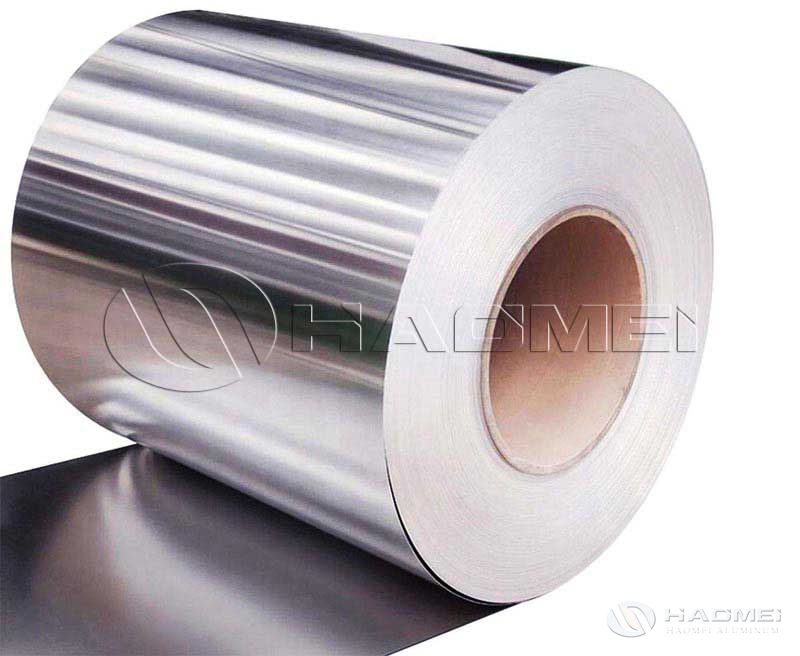 Compare 1235 pure aluminum & 8011 alloy foil jumbo rolls for flexible packaging lamination. Learn their differences in material properties, performance, pros & cons, and key application scenarios to choose the right foil for food, pharmaceutical & consume
Blog
Compare 1235 pure aluminum & 8011 alloy foil jumbo rolls for flexible packaging lamination. Learn their differences in material properties, performance, pros & cons, and key application scenarios to choose the right foil for food, pharmaceutical & consume
Blog
-
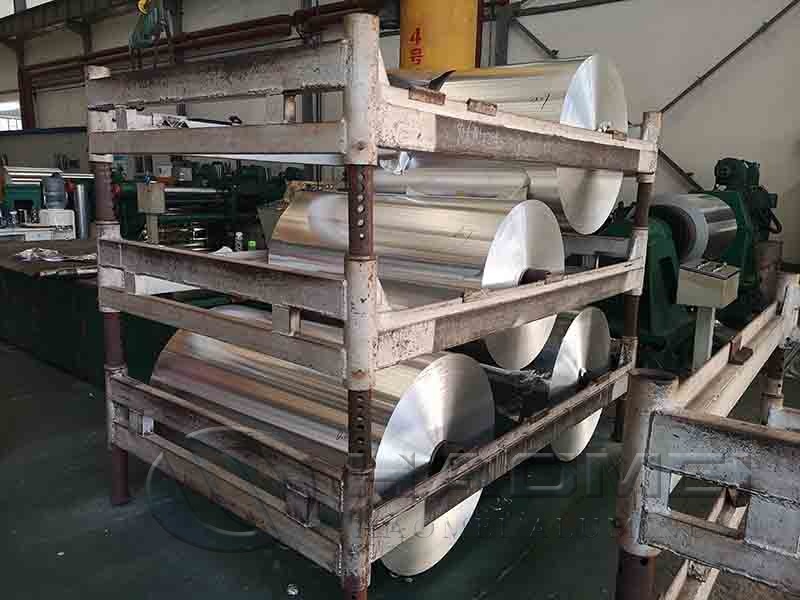 Plan year-end capacitor production with specified aluminum foil: purity, temper, surface controls, test documents, and shipment timing that reduce line risk.
Blog
Plan year-end capacitor production with specified aluminum foil: purity, temper, surface controls, test documents, and shipment timing that reduce line risk.
Blog

Haomei Aluminum CO., LTD.
Tel/Whatsapp: +86-15978414719
Email: sale@alumhm.com
Website: https://www.alumfoils.com
Xin'an Industrial Assemble Region,Luoyang,Henan Province,China
Office Add: 1103, No.14 Waihuan Road, CBD, Zhengzhou, China