Aluminum Foil Jumbo Roll for Flexible Packaging
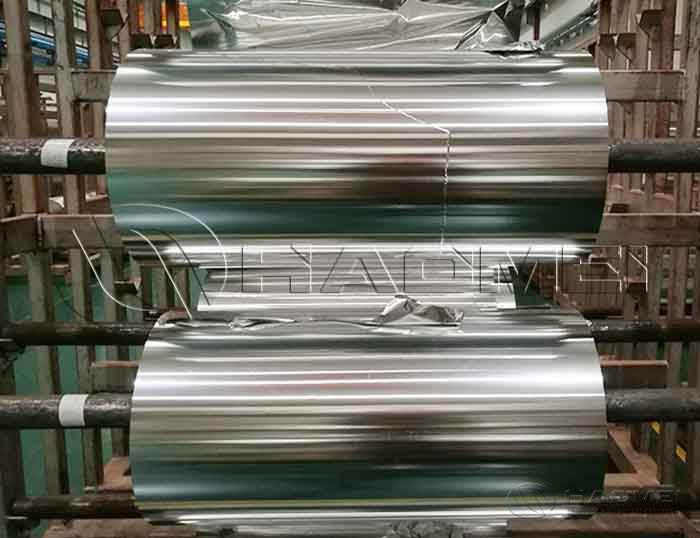
Aluminum foil jumbo roll for flexible packaging is a core barrier material widely used in food, pharmaceuticals & new energy. Learn thickness (6-200μm), alloy (1235, 8011, 8079) & temper selection to balance performance, processability & cost.
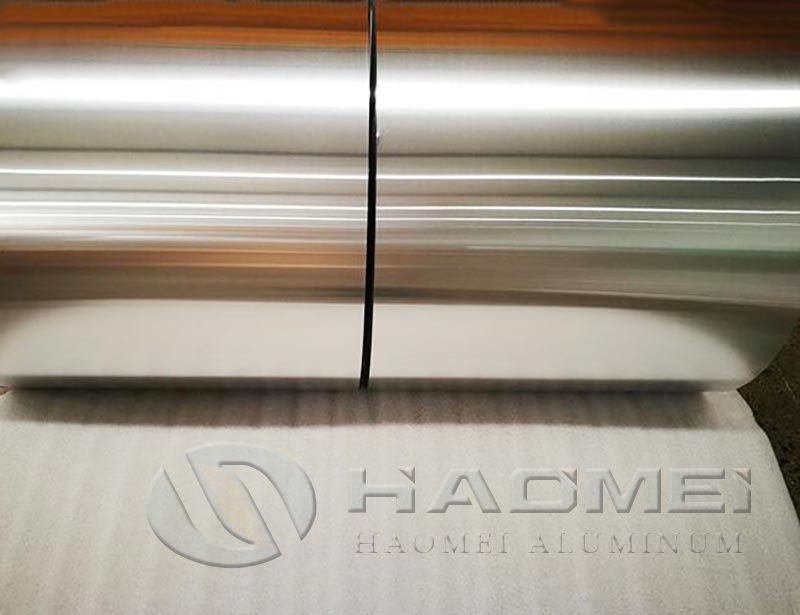
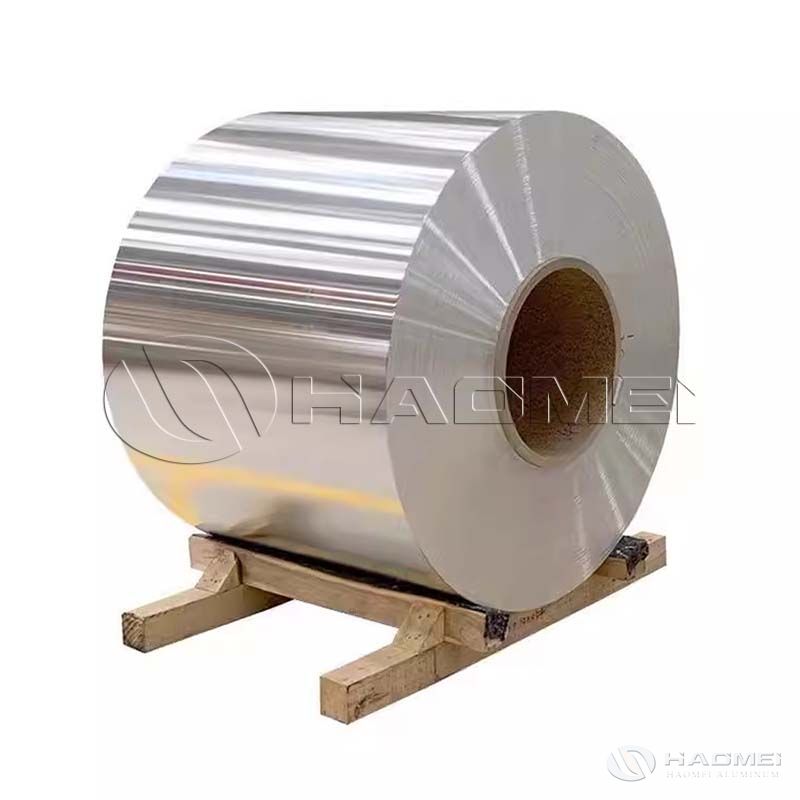
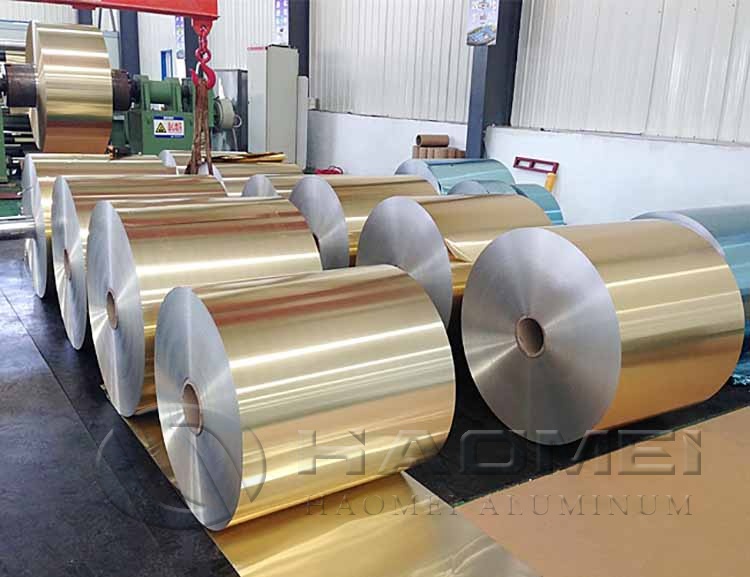
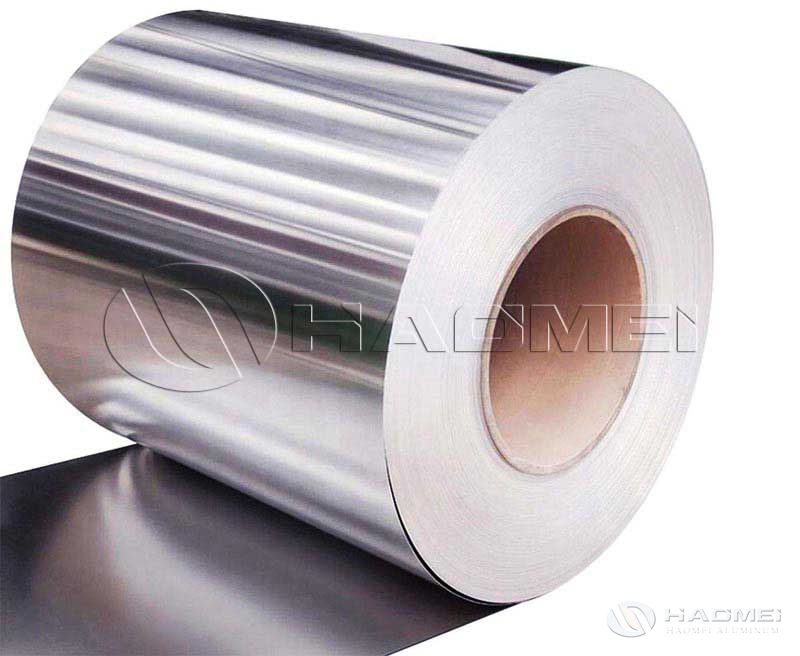
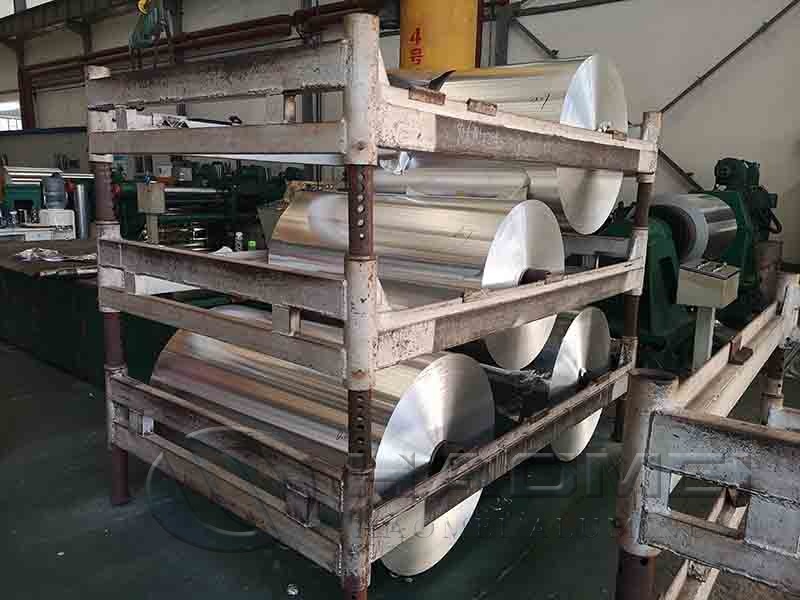
Aluminum foil jumbo roll for flexible packaging, as a core barrier material, is widely used in food, pharmaceuticals, and new energy fields. Their thickness and alloy state directly determine the barrier performance, forming capability, and cost control of the packaging.

Thickness Selection
The thickness range of flexible packaging aluminum foil is 6–50μm (0.006–0.05mm), while extra-thick specifications (50–200μm) are used for special forming scenarios. The core of thickness selection is balancing barrier performance, mechanical strength, and processing costs; different application scenarios correspond to different optimal thicknesses.
Thickness selection must follow four key principles. Under the principle of prioritizing basic barrier properties, pure aluminum foil itself possesses 100% light-blocking, oxygen-blocking, and moisture-blocking characteristics, and a thickness ≥7μm is sufficient to meet the basic barrier requirements of conventional food packaging. For packaging containing sharp contents such as nuts and bones, the thickness needs to be increased to 15μm or more, or combined with a nylon (NY) composite layer to enhance puncture resistance.
The cost-balancing principle requires selecting thickness based on product value. Thin foils of 6–9 μm are suitable for budget-sensitive basic packaging scenarios, while thicker foils (20 μm and above) are more suitable for high-value, long-shelf-life products.
Regarding processing adaptability, high-speed lamination and printing production lines recommend a thickness of 12–20 μm. This avoids the problem of easily breaking film from excessively thin foil and prevents excessively thick foil from increasing processing difficulty, thus improving production efficiency.
Alloy and Temper Selection
The alloy selection for flexible packaging aluminum foil primarily uses 1-series (pure aluminum) and 8-series (aluminum-silicon) alloys. In terms of temper, the O temper (soft temper) is the core, while some special forming scenarios may use the H temper (hard temper). Different alloy grades have significant performance differences and must be precisely matched according to the scenario.
Among mainstream alloys,1235 aluminium foil jumbo roll belongs to the 1xxx series, with an aluminum content ≥99.35%, low impurity content, and excellent ductility, making it suitable for high-end food, confectionery, and various basic flexible packaging. The O temper (soft temper) is recommended.
8011 aluminum foil belongs to the 8xxx series, containing 0.50–0.90% silicon and 0.60–1.0% iron. It has high strength and excellent puncture resistance, widely used in dairy products, pharmaceuticals, high-temperature foods, and milk cap packaging. The O temper or H24 (semi-hard temper) can be selected according to processing requirements.
8079 alloy also belongs to the 8xxx series, using a high-iron, low-silicon formula, offering better compressibility and formability. It is suitable for pharmaceutical packaging, new energy flexible packaging, and complex molding scenarios, with the O temper being the preferred choice.
3003 belongs to the 3xxx series, containing manganese. Its strength is superior to 1-series aluminum foil, and it has strong corrosion resistance. It is mainly used in industrial packaging and heavy-duty container caps. The O temper or H18 (hard temper) can be selected to meet different strength requirements.
The selection of alloy temper follows a clear core logic. The O temper (soft temper) is the preferred temper for flexible packaging aluminum foil. Its good ductility makes it easy to laminate with packaging materials such as PE and PET, and it is compatible with mainstream processing technologies such as high-speed slitting and printing, meeting the needs of most conventional flexible packaging.
The H temper (hard temper) is suitable for molding scenarios requiring strong support, such as milk foam caps and deep-drawn food containers. H18, in particular, has higher hardness, effectively reducing springback during molding, but care must be taken to ensure compatibility with lamination processes to avoid affecting processing results.
Regarding the choice between 8011 and 1235, 8011 aluminium foil jumbo roll is preferred for conventional food packaging due to its superior strength and barrier properties, providing better protection for the contents. For high-end pure barrier applications, such as premium milk powder packaging, 1235 is a better choice due to its higher purity and more controllable costs.
Furthermore, pharmaceutical-grade packaging should prioritize 8079 or 1235. These alloys have low impurity content, meeting GMP standards, and the O temper's moldability is well-suited to the processing requirements of blister packaging.
Practical Recommendations for Packaging Selection
In the actual packaging selection process, it's crucial to first clarify the core requirements, including the characteristics of the contents (e.g., whether sharp objects are present, whether high-temperature sterilization is required, product shelf-life requirements, and the operating speed of the processing equipment). Then, combine these factors to select the appropriate aluminum foil thickness and alloy grade, avoiding blind selection.
Secondly, single-layer aluminum foil has poor tear resistance and is prone to breakage. It is recommended to use composite structures such as "PET/AL/PE" or "NY/AL/PE," which can increase the tear strength of the packaging to over 40N, better ensuring packaging integrity.
Regarding cost control, for basic barrier applications, 6–9μm 1235-O aluminum foil can be used, meeting requirements while controlling costs. For high barrier applications, 15–20μm 8011-O aluminum foil is recommended, ensuring performance while avoiding the cost waste caused by excessively thick foil.
Finally, food and pharmaceutical packaging must strictly adhere to compliance requirements, confirming that the aluminum foil material meets international standards such as FDA and EU, and selecting large rolls of aluminum foil with fewer pinholes and a smooth surface to avoid affecting subsequent processing and product safety due to material quality issues.



- PTP Packaging: PTP blister foil and Hard PVCJan 06, 2025
The PTP packaging consists of ptp blister foil and hard pvc. They both need to satisfy the medical requirement...
- Food Tray FoilMar 25, 2026
Food tray foil article covering alloy selection, tempers, compliance, cost drivers, supply checks, and sourcin...
- Different Tempers of 8011 Aluminum Foil CoilSep 29, 2025
The manganese content of 8011 aluminum foil coil typically ranges from 0.8% to 1.2%. This compositional design...
- Household Aluminum Foil BarbecueJun 25, 2024
The household aluminum foil alloys are usually 8011 and 1235. It is is widely used in cooking, freezing, prese...
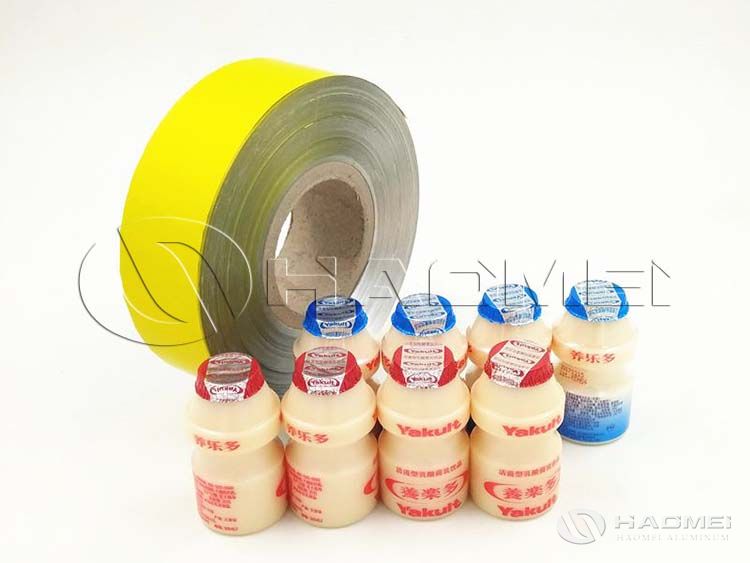
- What Is Specification of Aluminum Seal for BottlesAug 12, 2025
In the packaging industry, bottle sealing foil plays a crucial role, ensuring the quality of the product insid...
Inquiry
Products Category
Latest Application
-
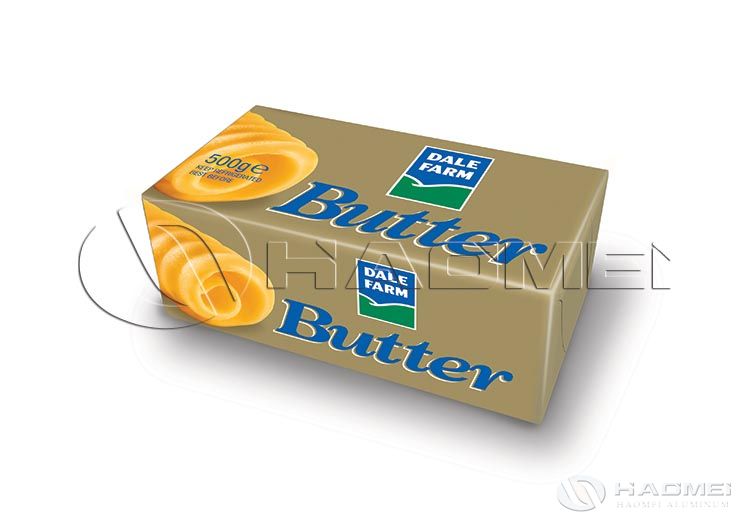 Why butter aluminum foil is neededButter aluminum foil blocks oxygen, moisture, and light, effectively preventing butter from oxidizing and spoiling, preserving nutrients, and significantly extending its shelf life. High-end products can see their sh
application
Why butter aluminum foil is neededButter aluminum foil blocks oxygen, moisture, and light, effectively preventing butter from oxidizing and spoiling, preserving nutrients, and significantly extending its shelf life. High-end products can see their sh
application
-
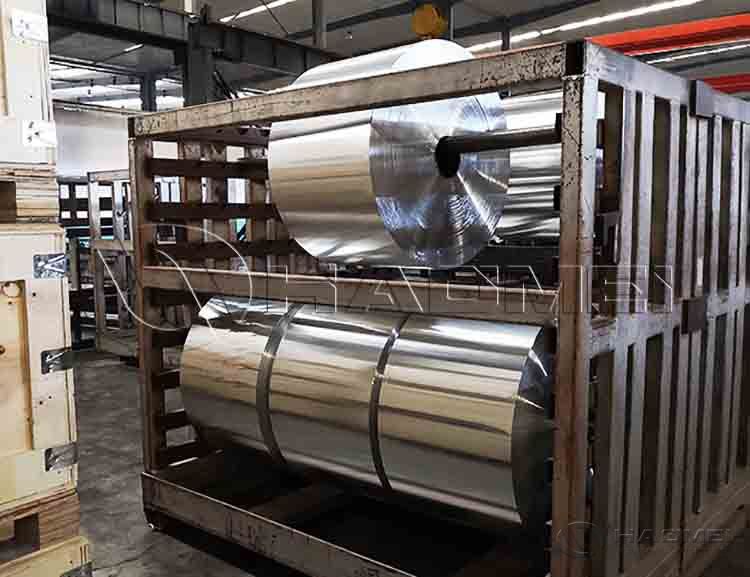 Cables are usually composed of conductors, insulation layers, shielding layers, and sheaths. Aluminum foil for cable is generally located outside the insulation layer as part of the shielding layer. It fits tightly to the surface of the insulation la
application
Cables are usually composed of conductors, insulation layers, shielding layers, and sheaths. Aluminum foil for cable is generally located outside the insulation layer as part of the shielding layer. It fits tightly to the surface of the insulation la
application
-
Aluminum Gold Foil Paper For Chocolate Wrapping
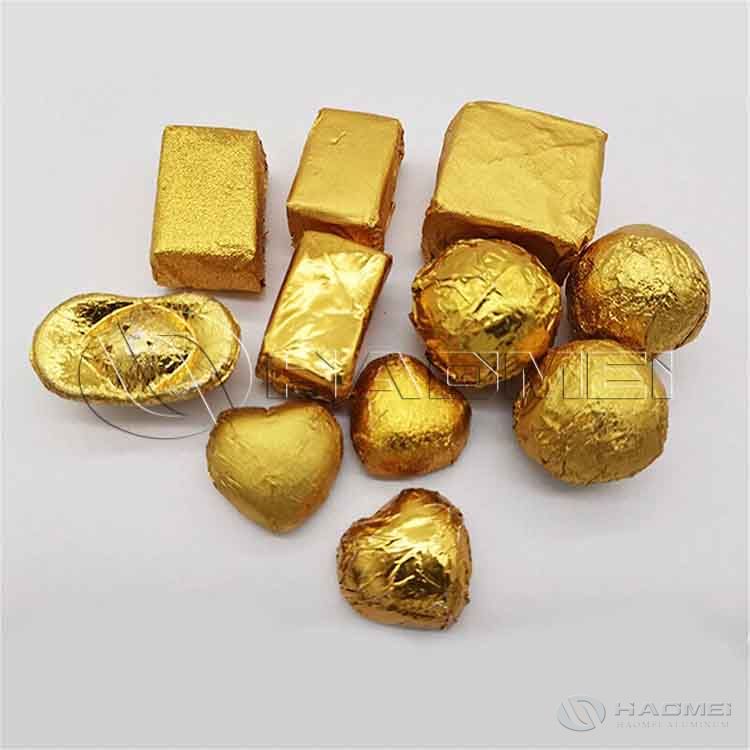 When is aluminum foil used for chocolate wrappingThe use of aluminium foil food for chocolate can be traced back to the early 20th century. In 1911, Swiss candy companies began to wrap chocolate with aluminum foil, gradually replacing the tin foil. T
application
When is aluminum foil used for chocolate wrappingThe use of aluminium foil food for chocolate can be traced back to the early 20th century. In 1911, Swiss candy companies began to wrap chocolate with aluminum foil, gradually replacing the tin foil. T
application
-
PVC Rigid Film and Aluminum Foil for Medicine Packaging
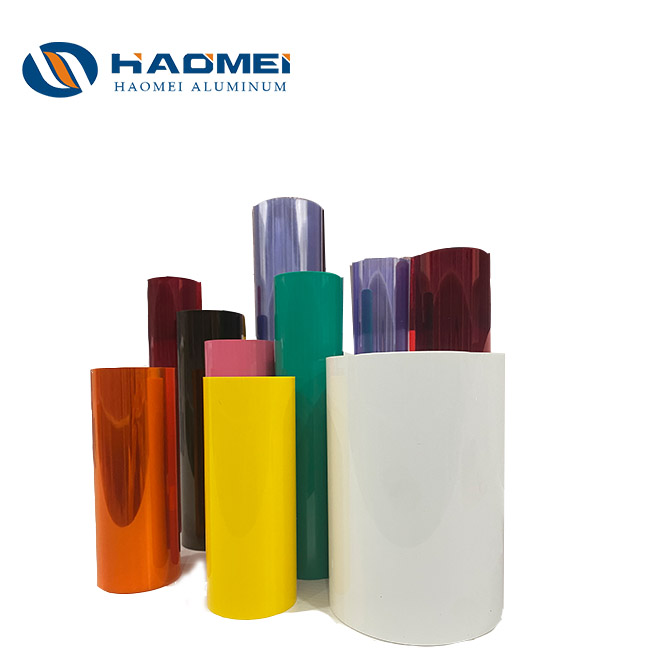 Haomei Aluminum provides different types of aluminum foil and plastic rigid films like PTP aluminum foil, cold forming foil, tropical foil, PVC rigid film, PE/PET film,etc. Best Price! Inquire now.
application
Haomei Aluminum provides different types of aluminum foil and plastic rigid films like PTP aluminum foil, cold forming foil, tropical foil, PVC rigid film, PE/PET film,etc. Best Price! Inquire now.
application
-
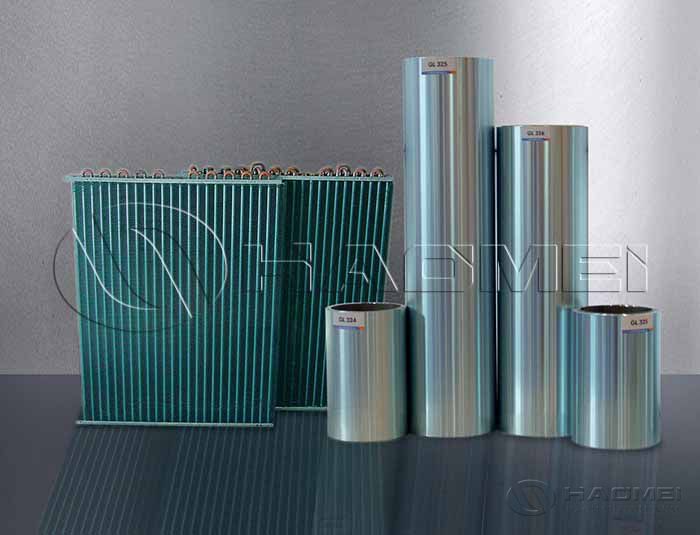 Haomei Aluminum offers you different colors of air conditioner aluminum foil like hydrophilic aluminum foil, including1100/ 3003 /8006/8011 aluminum foil,etc. Learn more.
application
Haomei Aluminum offers you different colors of air conditioner aluminum foil like hydrophilic aluminum foil, including1100/ 3003 /8006/8011 aluminum foil,etc. Learn more.
application
Latest Blog
-
 Specify 8011 aluminium foil with practical chemistry, pinhole, temper, testing and packaging checks for reliable food and pharmaceutical conversion.
Blog
Specify 8011 aluminium foil with practical chemistry, pinhole, temper, testing and packaging checks for reliable food and pharmaceutical conversion.
Blog
-
3003, 8011 and 8006 Aluminum Foil for Food Packing
 In the food packaging sector, aluminum foil is widely used for products such as composite flexible packaging, containers, meal boxes, sealing lids, and baking packaging due to its excellent barrier properties, light-shielding capabilities, heat resistance
Blog
In the food packaging sector, aluminum foil is widely used for products such as composite flexible packaging, containers, meal boxes, sealing lids, and baking packaging due to its excellent barrier properties, light-shielding capabilities, heat resistance
Blog
-
 Select air conditioner foil for durable heat-exchanger fins: alloys, hydrophilic coatings, test methods, tolerances, and order specifications for HVAC units.
Blog
Select air conditioner foil for durable heat-exchanger fins: alloys, hydrophilic coatings, test methods, tolerances, and order specifications for HVAC units.
Blog
-
Aluminum Foil Jumbo Roll for Flexible Packaging Laminates
 Compare 1235 pure aluminum & 8011 alloy foil jumbo rolls for flexible packaging lamination. Learn their differences in material properties, performance, pros & cons, and key application scenarios to choose the right foil for food, pharmaceutical & consume
Blog
Compare 1235 pure aluminum & 8011 alloy foil jumbo rolls for flexible packaging lamination. Learn their differences in material properties, performance, pros & cons, and key application scenarios to choose the right foil for food, pharmaceutical & consume
Blog
-
 Plan year-end capacitor production with specified aluminum foil: purity, temper, surface controls, test documents, and shipment timing that reduce line risk.
Blog
Plan year-end capacitor production with specified aluminum foil: purity, temper, surface controls, test documents, and shipment timing that reduce line risk.
Blog

Haomei Aluminum CO., LTD.
Tel/Whatsapp: +86-15978414719
Email: sale@alumhm.com
Website: https://www.alumfoils.com
Xin'an Industrial Assemble Region,Luoyang,Henan Province,China
Office Add: 1103, No.14 Waihuan Road, CBD, Zhengzhou, China