Battery Aluminium Foil
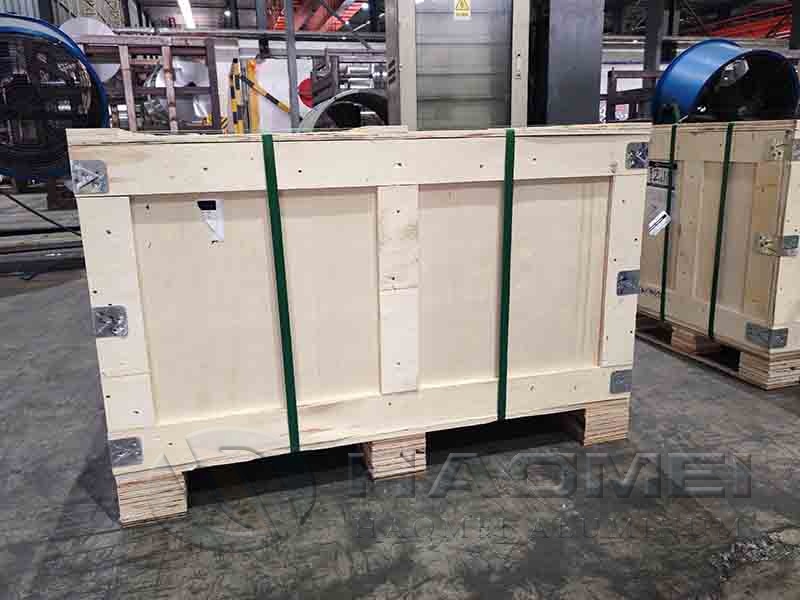
Battery aluminium foil specs, alloy choices, cost drivers, surface cleanliness checks, standards, and supply controls for cell production.
Battery aluminium foil: the purchasing risk is surface cleanliness
For lithium-ion cells, aluminium foil is mainly used as the cathode current collector. It must carry current, accept slurry coating, resist corrosion in electrolyte, and run at high speed without breaks. The top operational concern is not only thickness; it is surface cleanliness. Residual rolling oil, stains, oxidation, pinholes, and uneven surface energy can cause coating voids, weak adhesion, higher scrap, and cell inconsistency.

A practical specification should define alloy, temper, thickness tolerance, tensile properties, surface wetting, pinhole level, edge quality, winding quality, packaging, and traceability. For high-volume cell plants, the most expensive foil is not the one with the highest unit price; it is the one that stops the coater.
Material choices and performance checks
Battery-grade aluminium foil is commonly produced from high-purity 1xxx alloys such as 1050, 1060, 1070, 1100, and 1235. These alloys offer high electrical conductivity, good formability, and stable rolling performance. For applications needing higher barrier or mechanical performance, 8021 may also be evaluated, but cathode collector selection still depends on the coating system and cell design.
For high-purity options, 1050 Aluminum Foil for Battery and Electronics is often reviewed where conductivity and consistent coating behavior are priorities. For tape and battery-related uses, 1235 Aluminum Foil Battery and Tape is another common reference grade.
| Alloy | Typical aluminium minimum | Common battery relevance | Main advantage | Watch point |
|---|---|---|---|---|
| 1050 | 99.50% | Cathode collector, electronics | Conductivity and workability | Surface oil control |
| 1060 | 99.60% | Cathode collector | Balance of purity and availability | Thickness stability |
| 1070 | 99.70% | High-conductivity uses | Higher purity | Cost and lead time |
| 1100 | 99.00% | Battery and heat exchange uses | Good formability | Conductivity lower than 1070 |
| 1235 | 99.35% | Battery, tape, packaging | Wide foil production base | Mechanical consistency by mill |
| 8021 | Al-Fe-Si alloy family | Selected cell and barrier uses | Strength and barrier potential | Confirm electrochemical compatibility |
Typical lithium-ion cathode collector thickness is often in the 10-20 micrometer range, but the correct value must be validated by electrode loading, calendaring pressure, tab welding, and energy density targets. Thinner foil can reduce inactive mass, while thicker foil improves handling and break resistance.
Use this incoming inspection checklist before releasing material to coating:
Confirm alloy certificate against EN 573, ASTM chemical limits, GB/T 3190, or agreed contract chemistry.
Measure thickness across width and length using calibrated non-contact or contact gauges.
Test tensile strength and elongation in the rolling direction according to agreed test methods.
Check surface wetting by dyne test, contact angle, or the coating team's validated method.
Inspect pinholes with transmitted light or automatic detection at the agreed sensitivity.
Check edge burrs, waves, telescoping, core condition, and winding tension.
Verify residual oil, stains, corrosion, black spots, and foreign particles under controlled lighting.
Keep coil number, heat number, rolling batch, and inspection record traceable to the cell lot.
Process, cost, standards, and supply planning
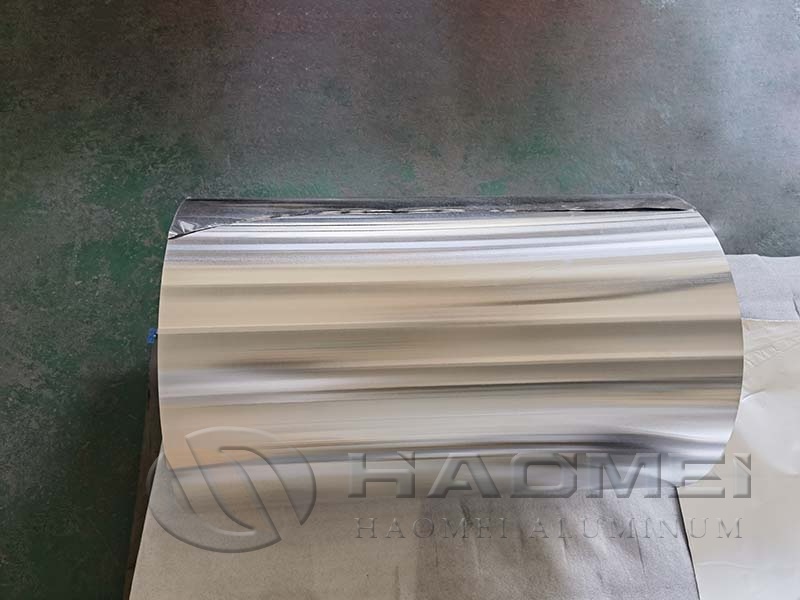
Battery foil production normally follows casting or hot rolling, cold rolling, intermediate annealing if required, foil rolling, slitting, inspection, and moisture-proof packaging. Each step affects coating stability. Clean rolling oil management, roll surface condition, filtration, and final slitting cleanliness are especially important.
| Process stage | Risk to cell production | Control action |
|---|---|---|
| Casting and homogenization | Inclusions, segregation | Require melt cleanliness controls and batch records |
| Cold rolling | Thickness deviation, work hardening variation | Review gauge capability and flatness data |
| Foil rolling | Pinholes, surface oil, scratches | Define visual and automatic inspection criteria |
| Slitting | Burrs, edge cracks, dust | Specify edge quality and clean slitting environment |
| Packing and transport | Moisture, oxidation, dents | Use VCI or moisture-resistant packing as agreed |
Cost is usually built from four parts: aluminium base price, regional premium, conversion charge, and logistics or packaging. The aluminium base is commonly referenced to LME aluminium cash or 3-month prices, while regional premiums reflect local supply-demand, duties, freight, and inventory. Conversion charges rise when the order needs tight thickness tolerance, very low pinholes, narrow slitting, high cleanliness, or battery-specific audit controls.
A transparent quotation should show:
| Cost item | What to request |
|---|---|
| Metal basis | LME reference date or averaging period |
| Premium | Region and delivery term basis |
| Conversion | Thickness, width, tolerance, temper, cleanliness class |
| Scrap and yield | Whether edge trim and process loss are included |
| Packaging | Horizontal or vertical packing, core ID, moisture protection |
| Logistics | Incoterms 2020 term, port, insurance, lead time |
| Validity | Price validity and metal price adjustment formula |
Standards are important, but battery foil usually needs stricter contract specifications than general industrial foil. Common references include EN 546 for aluminium foil, EN 573 for chemical composition, ASTM B479 for annealed aluminium and aluminium-alloy foil, GB/T 3198 for aluminium and aluminium alloy foils, and JIS H 4160 for aluminium foil. For hazardous substances and market access, confirm EU REACH, RoHS where applicable, and customer-specific restricted substance lists.
For batteries sold into the European market, Regulation (EU) 2023/1542 introduced phased requirements covering sustainability, safety, labelling, due diligence, recycled content, and carbon footprint declarations for defined battery categories. Foil suppliers may not own the full battery compliance file, but they should provide material declarations, traceability, and carbon data when requested by cell manufacturers.
Supply cycles for aluminium foil are affected by primary aluminium energy costs, rolling capacity, EV battery demand, packaging demand, trade measures, and shipping disruptions. Battery foil capacity can tighten faster than general foil because qualified production lines require audits, stable surface quality, and long validation cycles. When cell demand accelerates, approved mills with clean-room-like slitting discipline become limited resources.
Use a two-level sourcing plan:
| Planning item | Recommended action |
|---|---|
| Qualification | Approve at least two mills for each critical thickness |
| Trial order | Run coating, drying, calendaring, slitting, welding, and cell aging tests |
| Safety stock | Base it on sea freight time, customs risk, and qualification lead time |
| Contract term | Separate metal price formula from conversion charge |
| Change control | Require notice for rolling oil, annealing route, slitting line, or packaging changes |
| Dispute control | Agree retained samples and third-party testing method before shipment |
When negotiating specifications, avoid vague terms such as clean surface or good pinhole level. Replace them with measurable items: maximum pinholes per square meter by size range, accepted surface energy method, residual oil limit if available, burr height limit, width tolerance, coil joint policy, and maximum outer diameter. This makes production claims easier to verify and reduces arguments after arrival.
A final pre-shipment file should include mill test certificate, dimensional report, surface inspection record, pinhole inspection if specified, packing list, coil map, photos of packaging, and declaration of conformity. For high-speed coating lines, request a pilot coil from the same process route as mass production rather than a lab-selected sample.
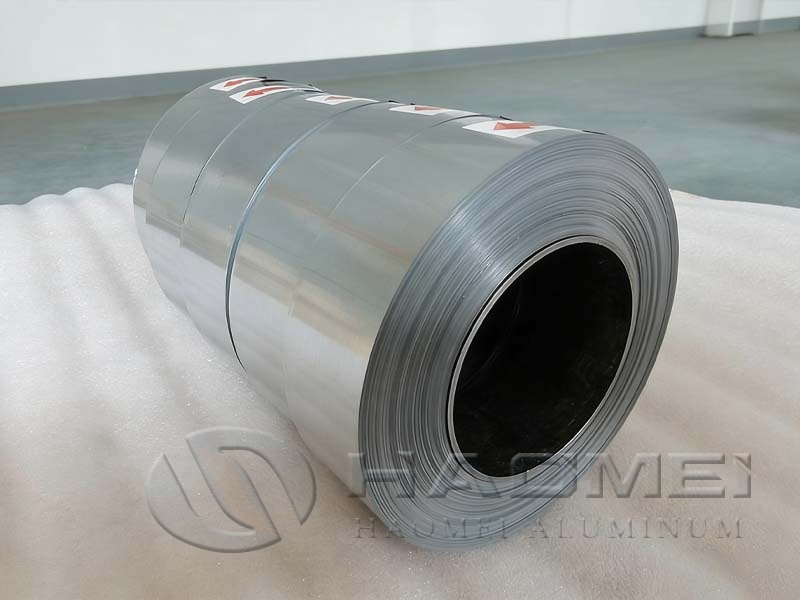
Before placing a large order, ask these five questions:
Has this exact alloy, temper, thickness, and width run on a similar battery coater?
What is the mill's historical thickness capability for this gauge?
How are residual rolling oil and surface wetting verified?
What changes require written approval before production?
What claim process applies if coating defects are traced to foil surface contamination?
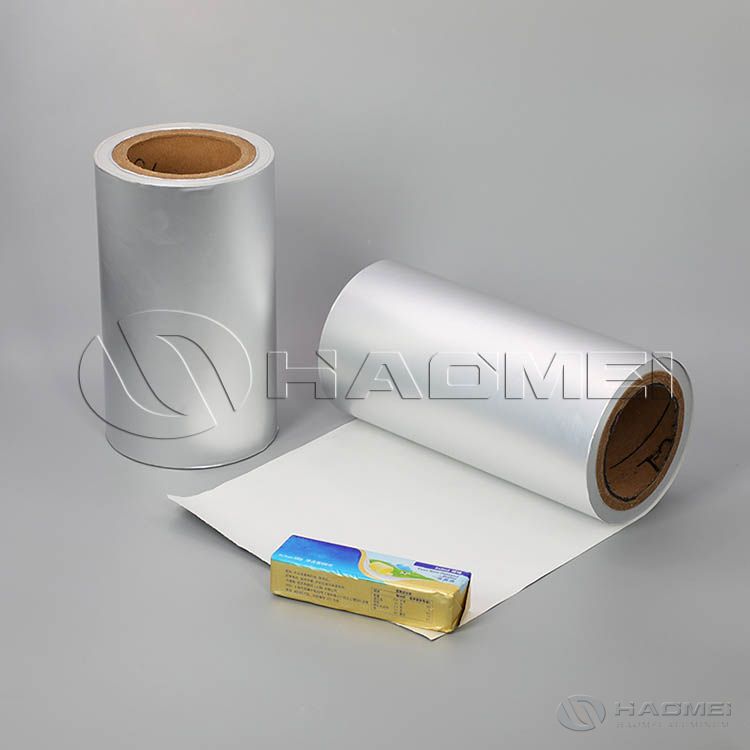
- What is The Raw Material of Butter Packaging FoilMay 27, 2025
In the field of food packaging, the packaging of butter is crucial. It not only ensures the quality and freshn...
- Best Blister Packaging Materials for South American Pharmaceutical MarketsMay 22, 2026
Professional analysis of PTP aluminum foil, cold formed foil and PVDC blister for South American pharmaceutica...
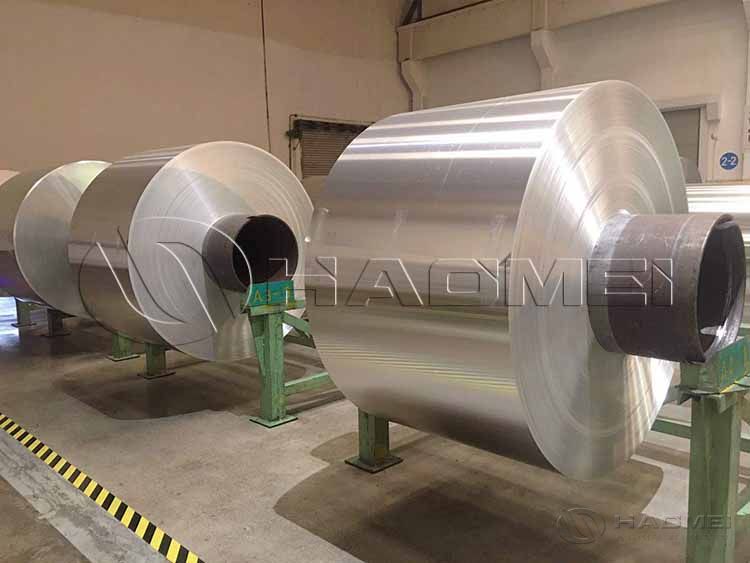
- What Is Aluminum Foil Electrical ConductivityAug 26, 2025
In the industrial sector, the aluminum foil jumbo roll, thanks to its advantages such as lightweight, corrosio...
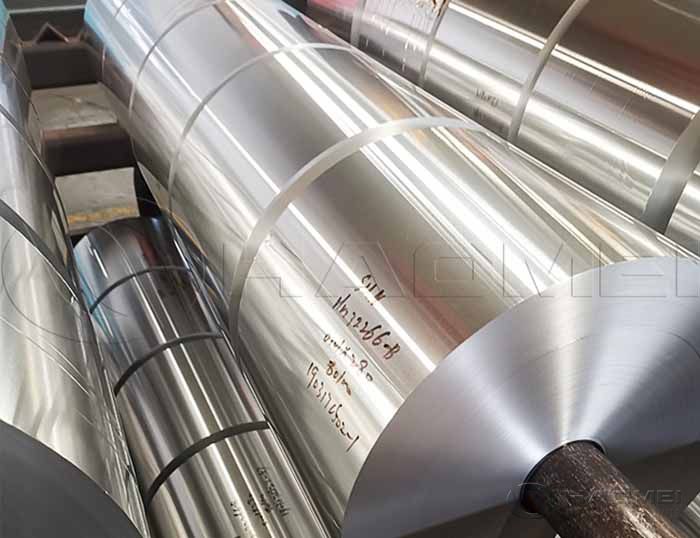
- Aluminum for Food PackagingFeb 17, 2023
With the development of the times, aluminum for food packing became popular, especially after aluminum foil is...
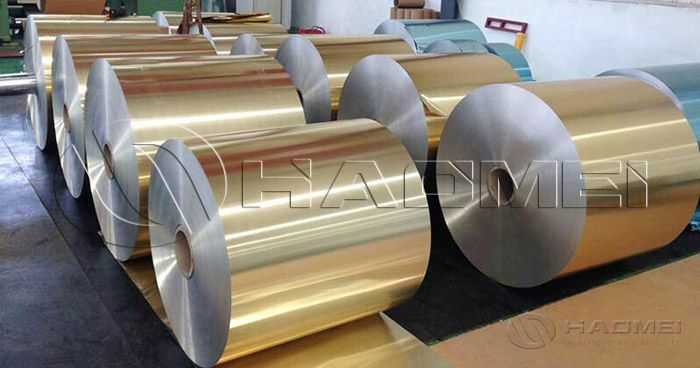
- Air Conditioner Aluminum Foil for Fin StockApr 14, 2022
Air conditioner aluminum foil is for making fin stock. There are different types of aircon aluminum foil jumbo...
Inquiry
Products Category
Latest Application
-
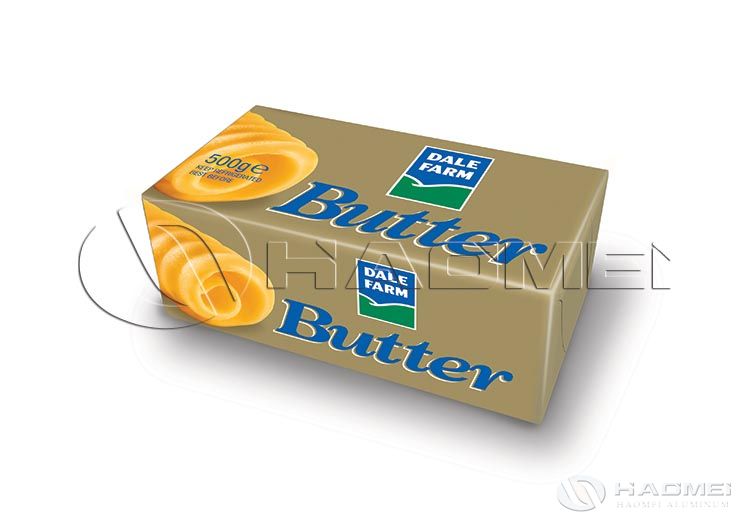 Why butter aluminum foil is neededButter aluminum foil blocks oxygen, moisture, and light, effectively preventing butter from oxidizing and spoiling, preserving nutrients, and significantly extending its shelf life. High-end products can see their sh
application
Why butter aluminum foil is neededButter aluminum foil blocks oxygen, moisture, and light, effectively preventing butter from oxidizing and spoiling, preserving nutrients, and significantly extending its shelf life. High-end products can see their sh
application
-
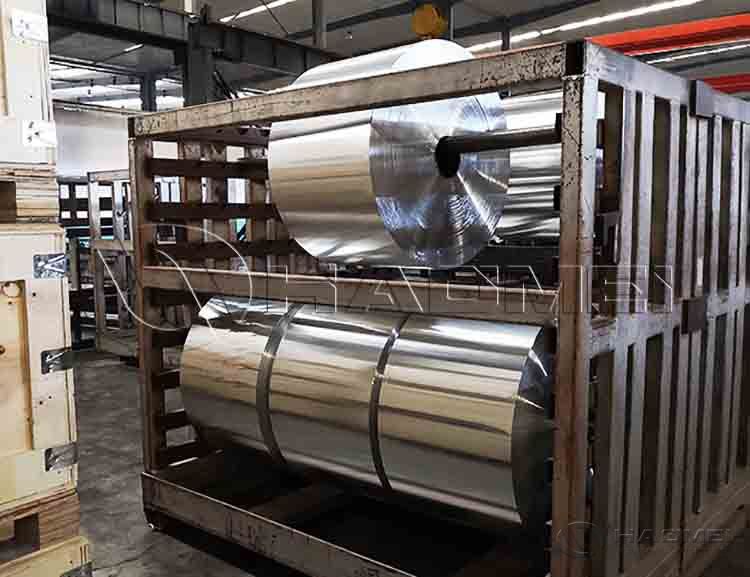 Cables are usually composed of conductors, insulation layers, shielding layers, and sheaths. Aluminum foil for cable is generally located outside the insulation layer as part of the shielding layer. It fits tightly to the surface of the insulation la
application
Cables are usually composed of conductors, insulation layers, shielding layers, and sheaths. Aluminum foil for cable is generally located outside the insulation layer as part of the shielding layer. It fits tightly to the surface of the insulation la
application
-
Aluminum Gold Foil Paper For Chocolate Wrapping
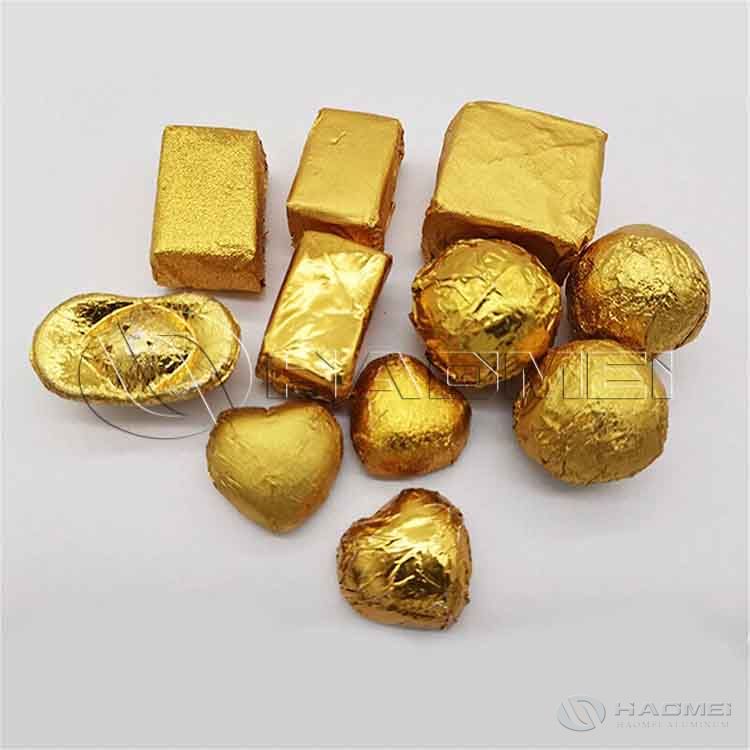 When is aluminum foil used for chocolate wrappingThe use of aluminium foil food for chocolate can be traced back to the early 20th century. In 1911, Swiss candy companies began to wrap chocolate with aluminum foil, gradually replacing the tin foil. T
application
When is aluminum foil used for chocolate wrappingThe use of aluminium foil food for chocolate can be traced back to the early 20th century. In 1911, Swiss candy companies began to wrap chocolate with aluminum foil, gradually replacing the tin foil. T
application
-
PVC Rigid Film and Aluminum Foil for Medicine Packaging
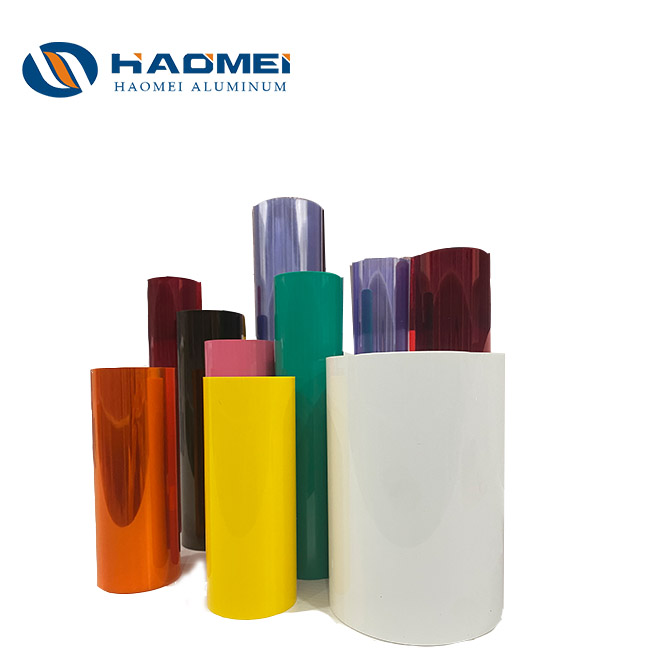 Haomei Aluminum provides different types of aluminum foil and plastic rigid films like PTP aluminum foil, cold forming foil, tropical foil, PVC rigid film, PE/PET film,etc. Best Price! Inquire now.
application
Haomei Aluminum provides different types of aluminum foil and plastic rigid films like PTP aluminum foil, cold forming foil, tropical foil, PVC rigid film, PE/PET film,etc. Best Price! Inquire now.
application
-
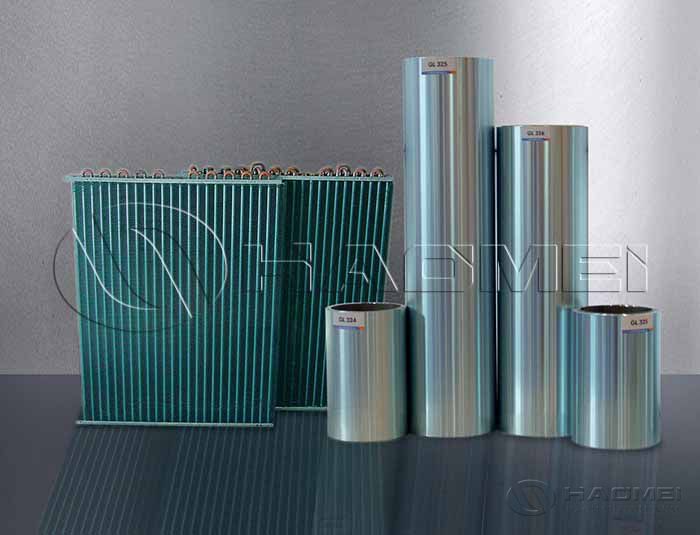 Haomei Aluminum offers you different colors of air conditioner aluminum foil like hydrophilic aluminum foil, including1100/ 3003 /8006/8011 aluminum foil,etc. Learn more.
application
Haomei Aluminum offers you different colors of air conditioner aluminum foil like hydrophilic aluminum foil, including1100/ 3003 /8006/8011 aluminum foil,etc. Learn more.
application
Latest Blog
-
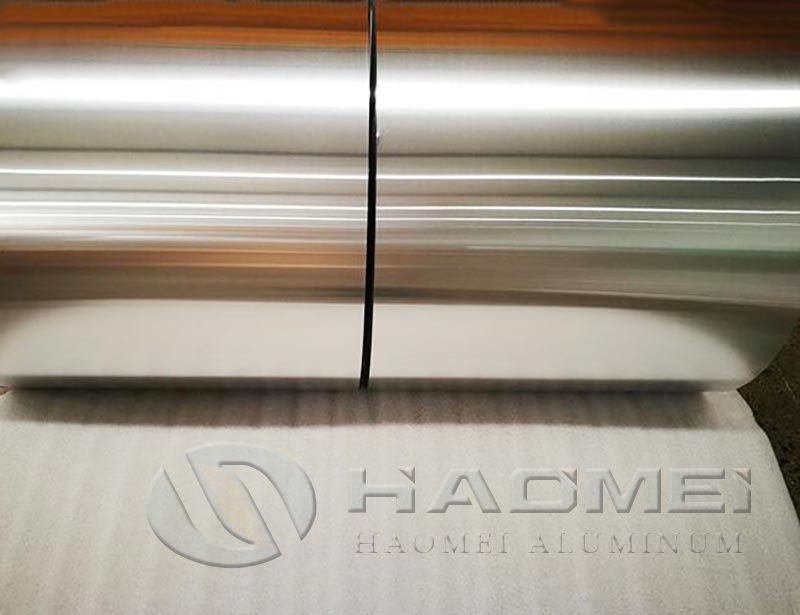 Specify 8011 aluminium foil with practical chemistry, pinhole, temper, testing and packaging checks for reliable food and pharmaceutical conversion.
Blog
Specify 8011 aluminium foil with practical chemistry, pinhole, temper, testing and packaging checks for reliable food and pharmaceutical conversion.
Blog
-
3003, 8011 and 8006 Aluminum Foil for Food Packing
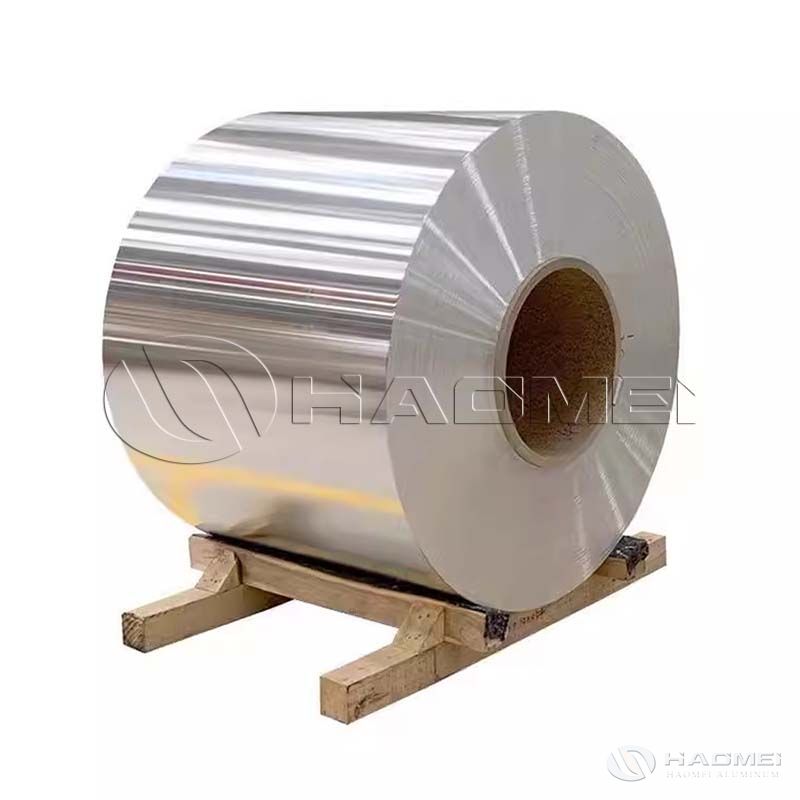 In the food packaging sector, aluminum foil is widely used for products such as composite flexible packaging, containers, meal boxes, sealing lids, and baking packaging due to its excellent barrier properties, light-shielding capabilities, heat resistance
Blog
In the food packaging sector, aluminum foil is widely used for products such as composite flexible packaging, containers, meal boxes, sealing lids, and baking packaging due to its excellent barrier properties, light-shielding capabilities, heat resistance
Blog
-
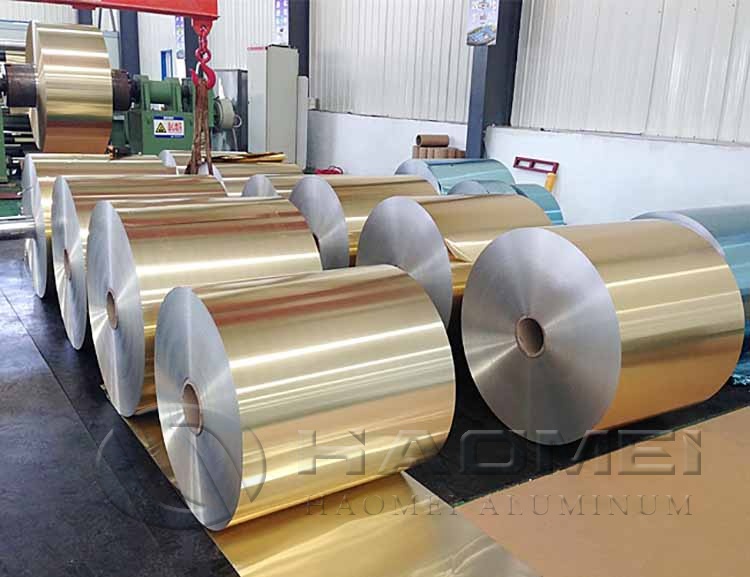 Select air conditioner foil for durable heat-exchanger fins: alloys, hydrophilic coatings, test methods, tolerances, and order specifications for HVAC units.
Blog
Select air conditioner foil for durable heat-exchanger fins: alloys, hydrophilic coatings, test methods, tolerances, and order specifications for HVAC units.
Blog
-
Aluminum Foil Jumbo Roll for Flexible Packaging Laminates
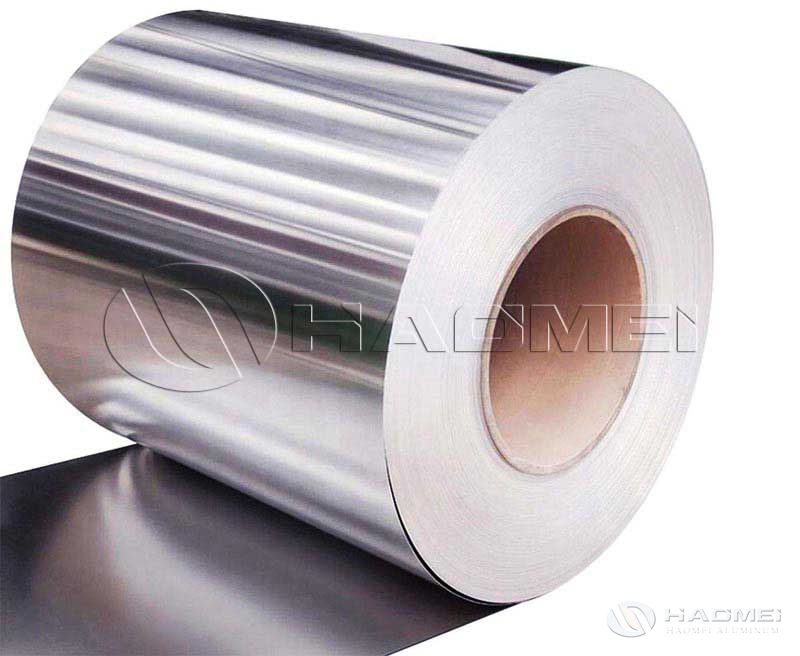 Compare 1235 pure aluminum & 8011 alloy foil jumbo rolls for flexible packaging lamination. Learn their differences in material properties, performance, pros & cons, and key application scenarios to choose the right foil for food, pharmaceutical & consume
Blog
Compare 1235 pure aluminum & 8011 alloy foil jumbo rolls for flexible packaging lamination. Learn their differences in material properties, performance, pros & cons, and key application scenarios to choose the right foil for food, pharmaceutical & consume
Blog
-
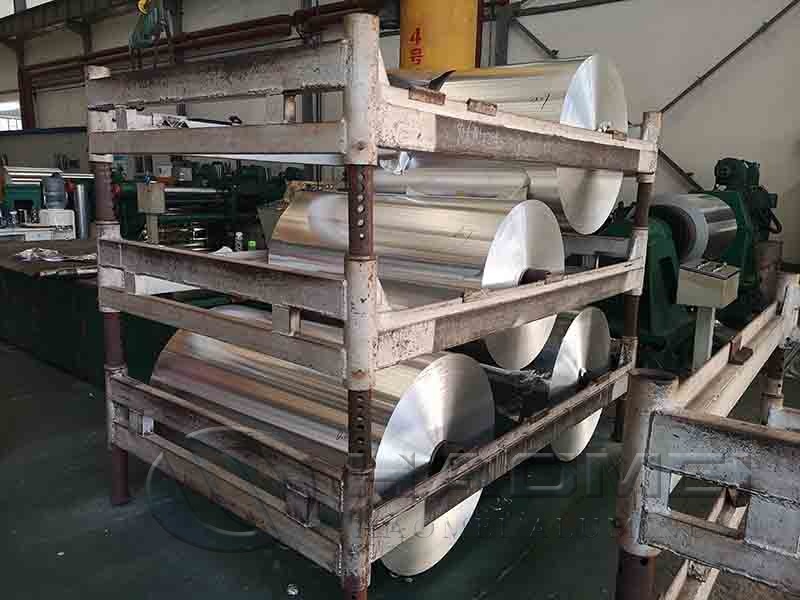 Plan year-end capacitor production with specified aluminum foil: purity, temper, surface controls, test documents, and shipment timing that reduce line risk.
Blog
Plan year-end capacitor production with specified aluminum foil: purity, temper, surface controls, test documents, and shipment timing that reduce line risk.
Blog

Haomei Aluminum CO., LTD.
Tel/Whatsapp: +86-15978414719
Email: sale@alumhm.com
Website: https://www.alumfoils.com
Xin'an Industrial Assemble Region,Luoyang,Henan Province,China
Office Add: 1103, No.14 Waihuan Road, CBD, Zhengzhou, China