Battery and Aluminum Foil
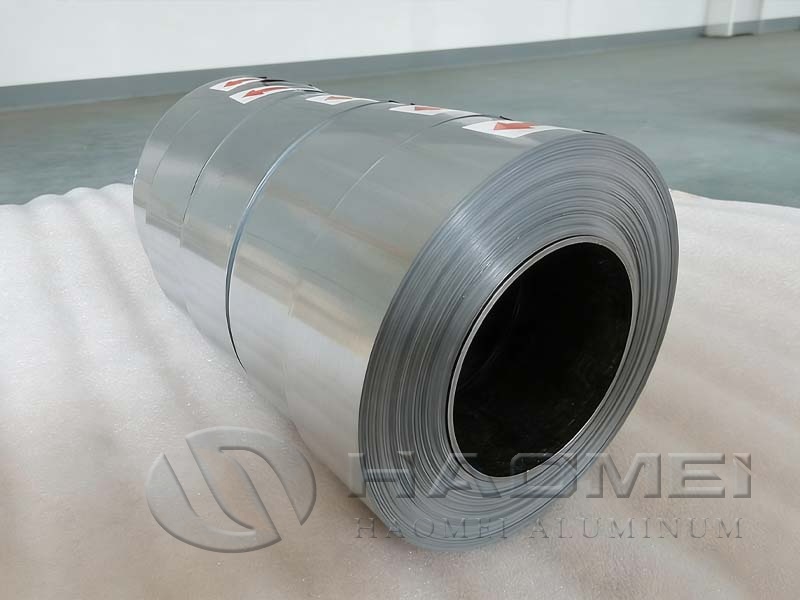
Battery and aluminum foil sourcing plan for holiday electronics: compare 1235/1050 specs, QC steps, compliance, and seasonal lead-time actions.
Holiday Electronics Peaks Make Foil Cleanliness a Production Issue
For factories preparing power banks, smart toys, LED gifts, home energy accessories, and consumer electronics for Black Friday, Cyber Monday, Christmas, and New Year sales, battery material planning should start before the Q3 production rush. The practical holiday solution is not simply reserving more aluminum foil. It is locking in clean, consistent, battery-suitable foil before converting lines reach peak utilization.
Battery-grade aluminum foil is commonly used as a cathode current collector in lithium-ion cells. The top concern for high-volume manufacturers is surface cleanliness: oil residue, metal powder, scratches, pinholes, and unstable wetting can interrupt coating, reduce adhesion, and increase scrap during the most expensive production window of the year.

Household foil tricks and temporary battery contact fixes are not a production standard. Industrial current collector foil must be specified by alloy, temper, thickness tolerance, surface quality, roll geometry, and inspection records. For holiday programs, each delay can affect container booking, assembly scheduling, retail delivery windows, and penalty exposure.
| Seasonal risk | What happens on the line | Foil control action |
|---|---|---|
| Coating defects | Slurry skips, streaks, or uneven loading | Require clean surface, controlled roughness, and oil limits |
| Roll change downtime | More splices and misalignment | Specify roll width, ID, OD, and edge quality |
| Cell performance variation | Higher internal resistance or rejected cells | Tighten thickness and tensile consistency |
| Late replacement material | Missed Q4 assembly slot | Approve trial rolls before seasonal orders |
Verifiable technical context matters. Aluminum has high electrical conductivity, with commercially pure aluminum commonly referenced at about 61% IACS conductivity, while copper is about 100% IACS. Aluminum is still widely used for cathode current collectors because it offers low density, corrosion resistance under cathode potential, and cost efficiency. Alloy selection and surface discipline decide whether those advantages survive actual coating conditions.
Specify the Right Alloy and Inspection Terms
For lithium battery and electronics applications, 1xxx series aluminum is often preferred because of high aluminum purity and conductivity. The Aluminum Association alloy designations define 1xxx alloys as commercially pure aluminum grades with at least 99.00% aluminum. EN 573 also classifies aluminum and aluminum alloys by chemical composition, including 1xxx unalloyed grades.
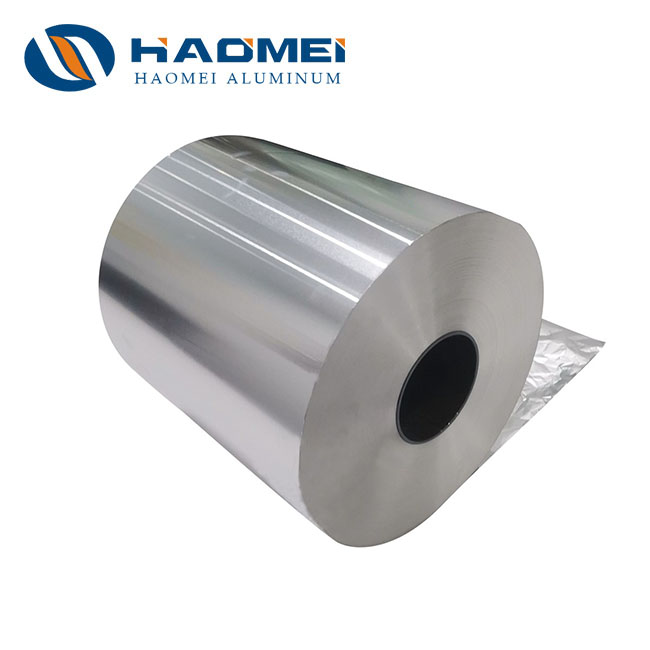
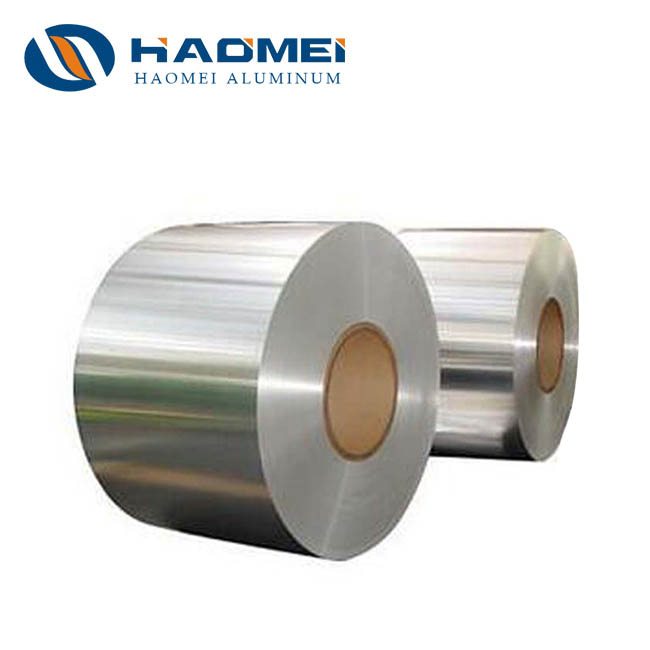
Two common options for battery-related foil programs are 1235 and 1050. Product teams that need high purity and stable converting performance often evaluate high-purity 1235 Aluminum Foil Battery and Tape for current collector, tape, and electronic material uses. Where electrical performance and electronics compatibility are central, 1050 Aluminum Foil for Battery and Electronics is also a practical specification candidate.
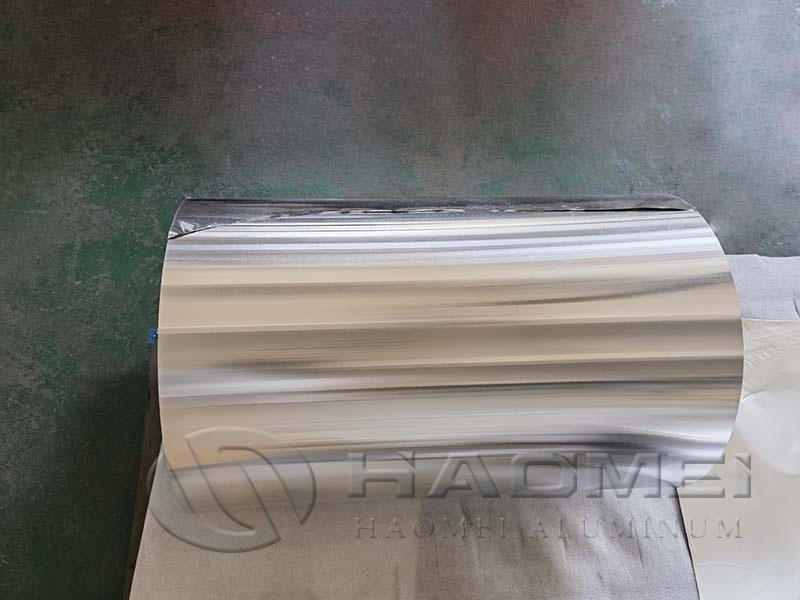
| Item | 1235 aluminum foil | 1050 aluminum foil | Why it matters before holidays |
|---|---|---|---|
| Typical aluminum purity reference | 99.35% min. under common AA designation practice | 99.50% min. under common AA/EN designation practice | Higher purity supports conductivity and stable processing |
| Common use direction | Battery foil, tape foil, flexible packaging | Battery, electronics, capacitor, heat exchange uses | Match grade to coating and converting process |
| Main purchase concern | Surface cleanliness and pinhole control | Conductivity, flatness, and thickness accuracy | Prevent urgent rework during peak schedules |
| Recommended documents | COA, surface inspection, thickness report | COA, conductivity or mechanical data where required | Supports incoming QC and customer audits |
When writing the purchase specification, avoid vague terms such as bright, clean, or good quality without measurable checks. Use a testable wording structure.
| Specification point | Practical requirement to state |
|---|---|
| Alloy and temper | Example: 1235-O or 1050-O, confirmed by certificate of analysis |
| Thickness | State nominal thickness and tolerance, such as micrometer-based inspection method |
| Width and roll data | Width tolerance, core ID, roll OD, roll weight range, splice allowance |
| Surface | No visible oil stain, severe wrinkle, corrosion, embedded particle, or edge burr |
| Pinhole | Define inspection method and acceptance level by thickness and end use |
| Wetting | Dyne value or agreed wetting test when coating adhesion is critical |
| Packing | Moisture-proof export packing, desiccant, edge protection, label traceability |
For compliance, separate foil requirements from finished battery obligations. RoHS Directive 2011/65/EU restricts hazardous substances in electrical and electronic equipment. REACH Regulation (EC) No 1907/2006 governs chemical substances in the EU market. Finished lithium cells and battery packs may also need UN 38.3 transport testing, IEC 62133-2:2017 safety evaluation for portable sealed lithium systems, and attention to EU Battery Regulation (EU) 2023/1542. Aluminum foil itself is only one input, but documentation must support the downstream file.
Pricing should be handled transparently. Aluminum products are commonly priced with reference to primary aluminum market movement, regional premiums, conversion fees, thickness, width, surface requirement, and packaging. The London Metal Exchange publishes official aluminum cash and settlement price data; many industrial contracts use such market references rather than a fixed yearly number. For seasonal orders, ask suppliers to separate metal basis and processing charge so finance teams can compare offers accurately.
Seasonal Ordering Checklist for Q4 Programs
Use this schedule if finished goods must reach holiday shelves or e-commerce warehouses in November and December.
| Timing | Action | Output |
|---|---|---|
| Late June to July | Confirm cell design, foil alloy, thickness, width, and coating trial needs | Approved technical specification |
| July to August | Run pilot coating and incoming inspection | Trial report and defect list |
| August to September | Place seasonal production orders and reserve rolling capacity | Confirmed delivery plan |
| September to October | Inspect first mass-production shipment before full conversion | Release decision or corrective action |
| October onward | Monitor claim rate, roll utilization, and remaining inventory | Stable holiday production flow |
Factory teams should also prepare a holiday receiving checklist. It reduces disputes and speeds up release to production.
Match alloy, temper, thickness, width, and roll number against the certificate.
Check outer packaging for water marks, crushed edges, punctures, and loose strapping.
Measure thickness across the width, not only at the center.
Inspect edges before slitting or coating; burrs can create web breaks.
Record surface defects by roll number with photos and position data.
Quarantine any roll with corrosion, severe wrinkle, abnormal odor, or visible oil stain.
Keep retained samples until the corresponding finished battery batch is accepted.
For holiday programs, surface cleanliness is the feature that protects conversion speed. A slightly cheaper roll can become expensive if coating yield falls during a fully booked production month. Set measurable acceptance terms, approve trial material early, and align delivery timing with the retail calendar rather than only the mill schedule.
Final pre-shipment actions for each order:
Confirm COA, packing list, and roll labels before loading.
Require moisture-proof packaging for sea freight or winter warehousing.
Use FIFO inventory control to avoid long storage before coating.
Review LME aluminum movement and agreed conversion fee before contract release.
Reserve inspection time at arrival, not after the coating line is waiting.



- Battery and Aluminum FoilJun 10, 2026
Battery and aluminum foil sourcing plan for holiday electronics: compare 1235/1050 specs, QC steps, compliance...
- Food Container AluminumApr 09, 2026
Food container aluminum selection for trays and packaging: compare 3003, 3004, 8011, 8006, food-contact rules,...
- Wholesale Pharmaceutical PTP Aluminum FoilApr 10, 2024
What Haomei Alumium offer is aluminum foil jumbo roll for PTP aluminum foil production. The alloys are 8079 al...
- Best Blister Packaging Materials for South American Pharmaceutical MarketsMay 22, 2026
Professional analysis of PTP aluminum foil, cold formed foil and PVDC blister for South American pharmaceutica...
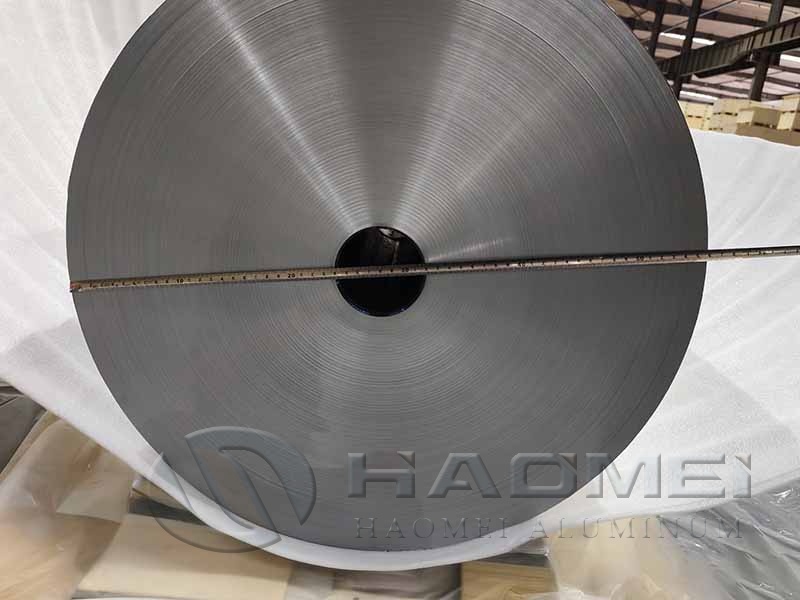
- Battery Aluminum FoilMar 11, 2026
Professional checklist for battery aluminum foil: standards, key tests, typical grades, defect limits, and rec...
Inquiry
Products Category
Latest Application
-
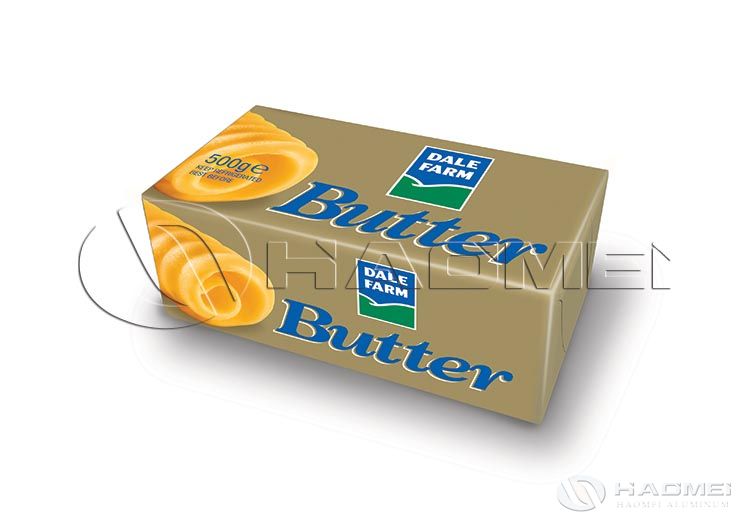 Why butter aluminum foil is neededButter aluminum foil blocks oxygen, moisture, and light, effectively preventing butter from oxidizing and spoiling, preserving nutrients, and significantly extending its shelf life. High-end products can see their sh
application
Why butter aluminum foil is neededButter aluminum foil blocks oxygen, moisture, and light, effectively preventing butter from oxidizing and spoiling, preserving nutrients, and significantly extending its shelf life. High-end products can see their sh
application
-
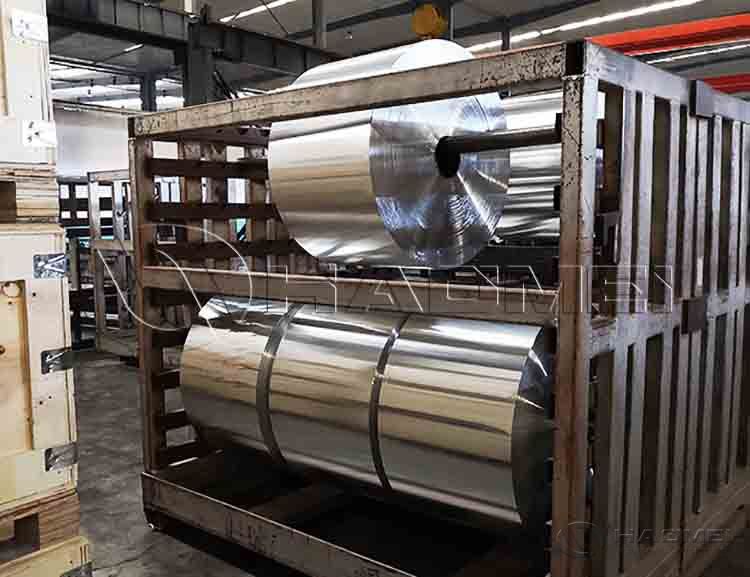 Cables are usually composed of conductors, insulation layers, shielding layers, and sheaths. Aluminum foil for cable is generally located outside the insulation layer as part of the shielding layer. It fits tightly to the surface of the insulation la
application
Cables are usually composed of conductors, insulation layers, shielding layers, and sheaths. Aluminum foil for cable is generally located outside the insulation layer as part of the shielding layer. It fits tightly to the surface of the insulation la
application
-
Aluminum Gold Foil Paper For Chocolate Wrapping
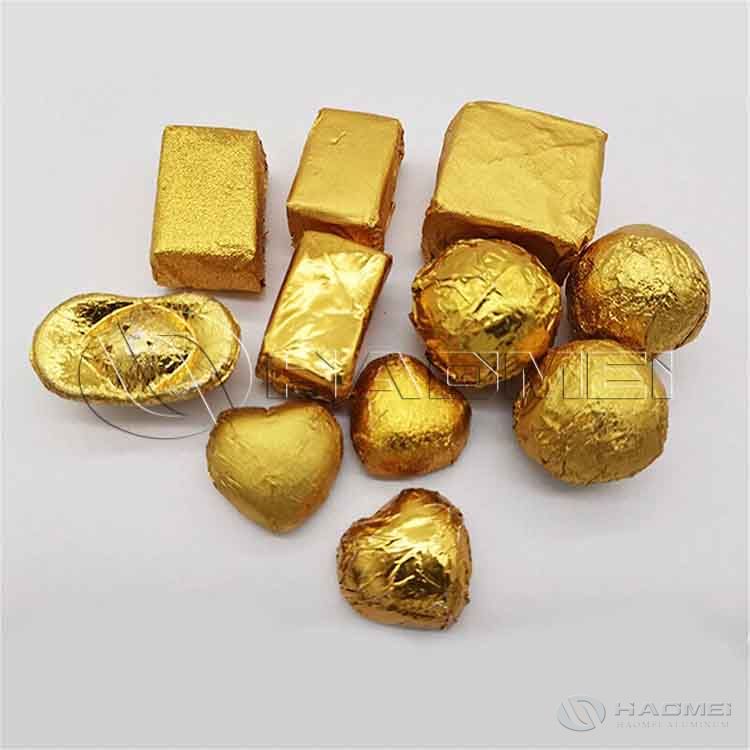 When is aluminum foil used for chocolate wrappingThe use of aluminium foil food for chocolate can be traced back to the early 20th century. In 1911, Swiss candy companies began to wrap chocolate with aluminum foil, gradually replacing the tin foil. T
application
When is aluminum foil used for chocolate wrappingThe use of aluminium foil food for chocolate can be traced back to the early 20th century. In 1911, Swiss candy companies began to wrap chocolate with aluminum foil, gradually replacing the tin foil. T
application
-
PVC Rigid Film and Aluminum Foil for Medicine Packaging
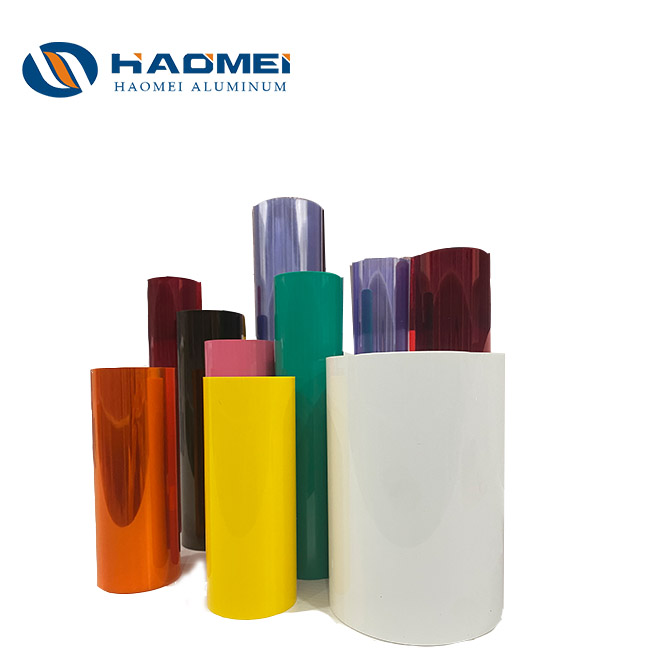 Haomei Aluminum provides different types of aluminum foil and plastic rigid films like PTP aluminum foil, cold forming foil, tropical foil, PVC rigid film, PE/PET film,etc. Best Price! Inquire now.
application
Haomei Aluminum provides different types of aluminum foil and plastic rigid films like PTP aluminum foil, cold forming foil, tropical foil, PVC rigid film, PE/PET film,etc. Best Price! Inquire now.
application
-
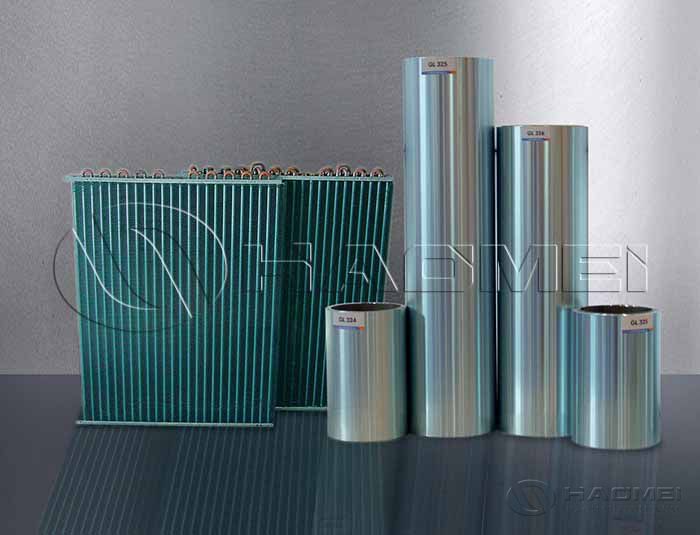 Haomei Aluminum offers you different colors of air conditioner aluminum foil like hydrophilic aluminum foil, including1100/ 3003 /8006/8011 aluminum foil,etc. Learn more.
application
Haomei Aluminum offers you different colors of air conditioner aluminum foil like hydrophilic aluminum foil, including1100/ 3003 /8006/8011 aluminum foil,etc. Learn more.
application
Latest Blog
-
 Specify 8011 aluminium foil with practical chemistry, pinhole, temper, testing and packaging checks for reliable food and pharmaceutical conversion.
Blog
Specify 8011 aluminium foil with practical chemistry, pinhole, temper, testing and packaging checks for reliable food and pharmaceutical conversion.
Blog
-
3003, 8011 and 8006 Aluminum Foil for Food Packing
 In the food packaging sector, aluminum foil is widely used for products such as composite flexible packaging, containers, meal boxes, sealing lids, and baking packaging due to its excellent barrier properties, light-shielding capabilities, heat resistance
Blog
In the food packaging sector, aluminum foil is widely used for products such as composite flexible packaging, containers, meal boxes, sealing lids, and baking packaging due to its excellent barrier properties, light-shielding capabilities, heat resistance
Blog
-
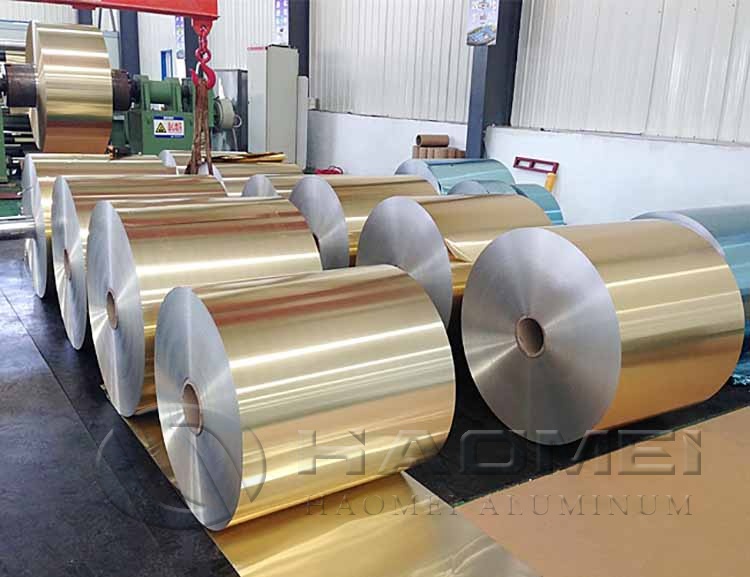 Select air conditioner foil for durable heat-exchanger fins: alloys, hydrophilic coatings, test methods, tolerances, and order specifications for HVAC units.
Blog
Select air conditioner foil for durable heat-exchanger fins: alloys, hydrophilic coatings, test methods, tolerances, and order specifications for HVAC units.
Blog
-
Aluminum Foil Jumbo Roll for Flexible Packaging Laminates
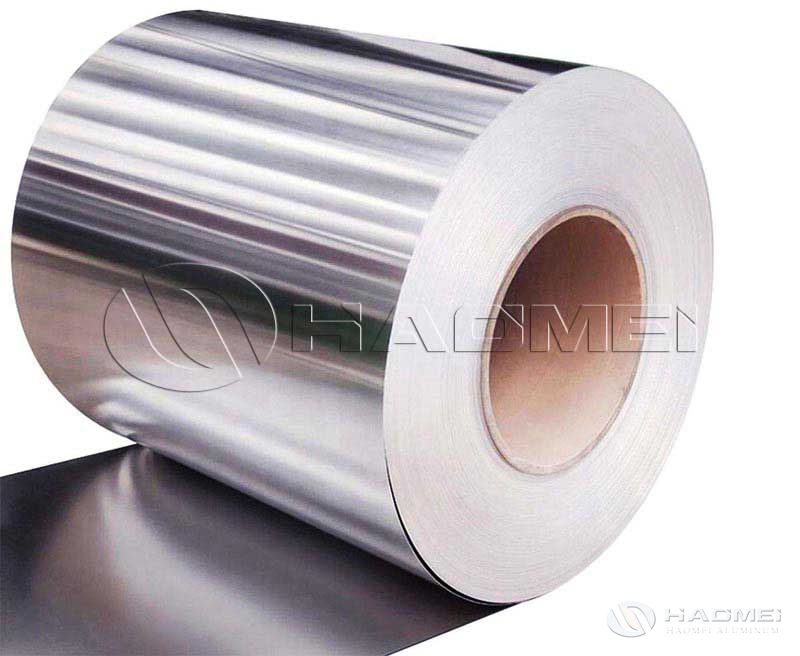 Compare 1235 pure aluminum & 8011 alloy foil jumbo rolls for flexible packaging lamination. Learn their differences in material properties, performance, pros & cons, and key application scenarios to choose the right foil for food, pharmaceutical & consume
Blog
Compare 1235 pure aluminum & 8011 alloy foil jumbo rolls for flexible packaging lamination. Learn their differences in material properties, performance, pros & cons, and key application scenarios to choose the right foil for food, pharmaceutical & consume
Blog
-
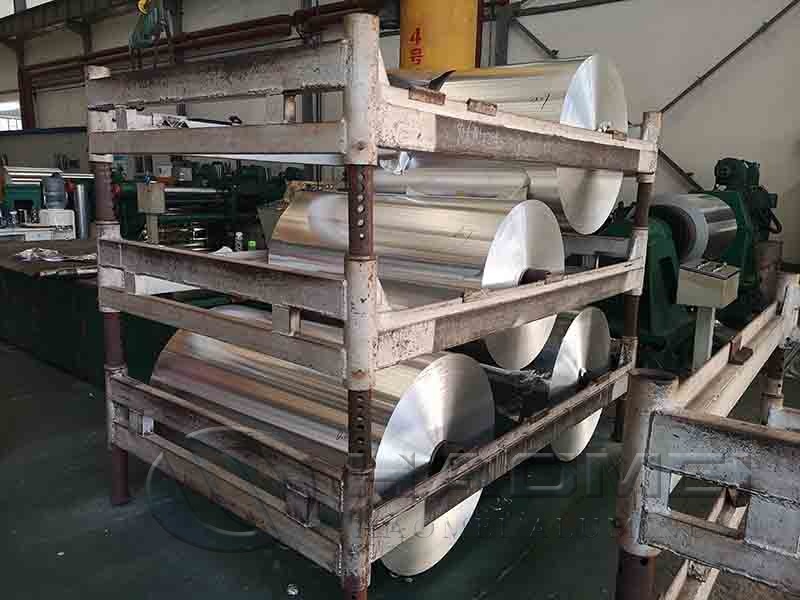 Plan year-end capacitor production with specified aluminum foil: purity, temper, surface controls, test documents, and shipment timing that reduce line risk.
Blog
Plan year-end capacitor production with specified aluminum foil: purity, temper, surface controls, test documents, and shipment timing that reduce line risk.
Blog

Haomei Aluminum CO., LTD.
Tel/Whatsapp: +86-15978414719
Email: sale@alumhm.com
Website: https://www.alumfoils.com
Xin'an Industrial Assemble Region,Luoyang,Henan Province,China
Office Add: 1103, No.14 Waihuan Road, CBD, Zhengzhou, China