Highlighting Foil Roll Supplier
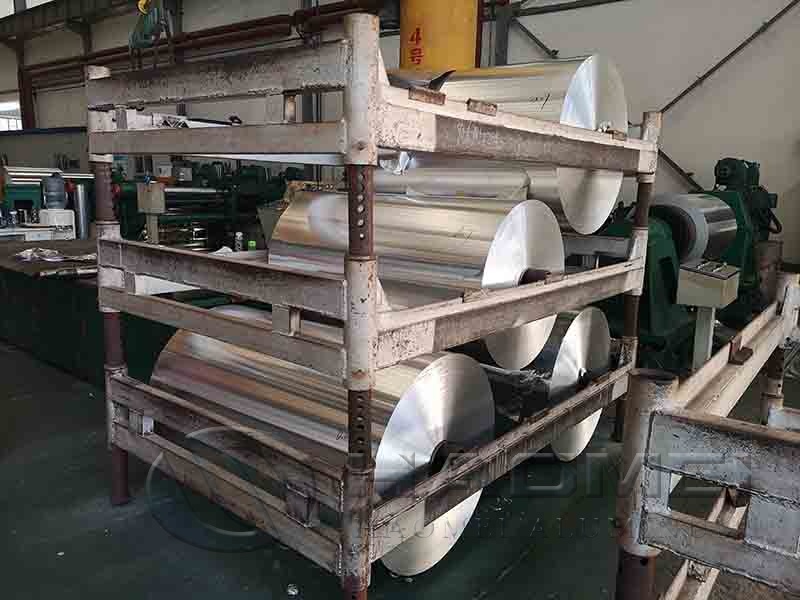
Find a highlighting foil roll supplier with proven gauge control, clean surfaces, compliance records, pricing transparency, and RFQ checks for converters.

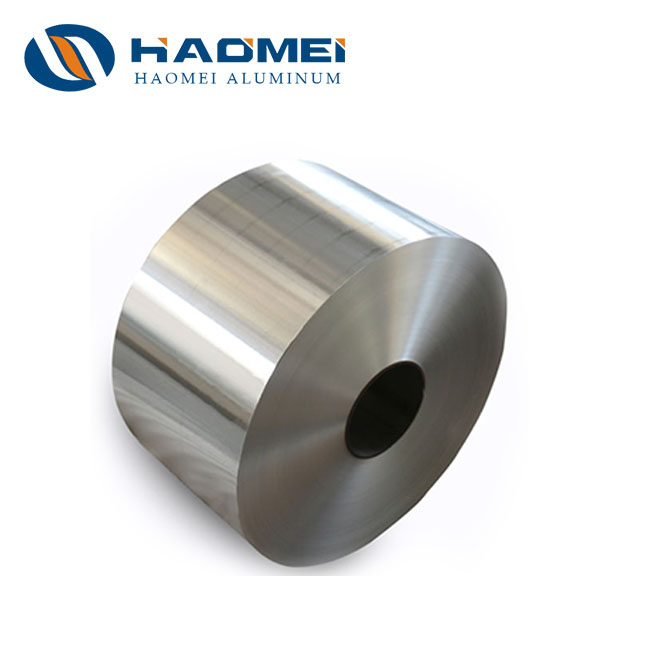
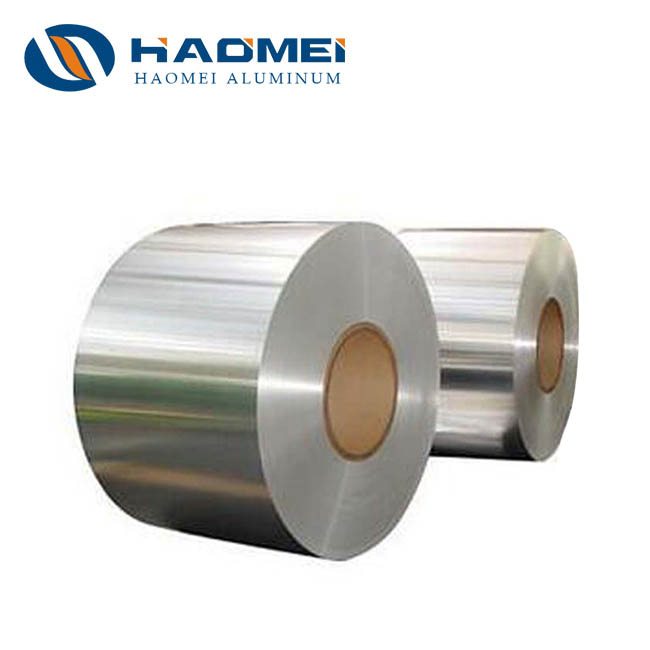
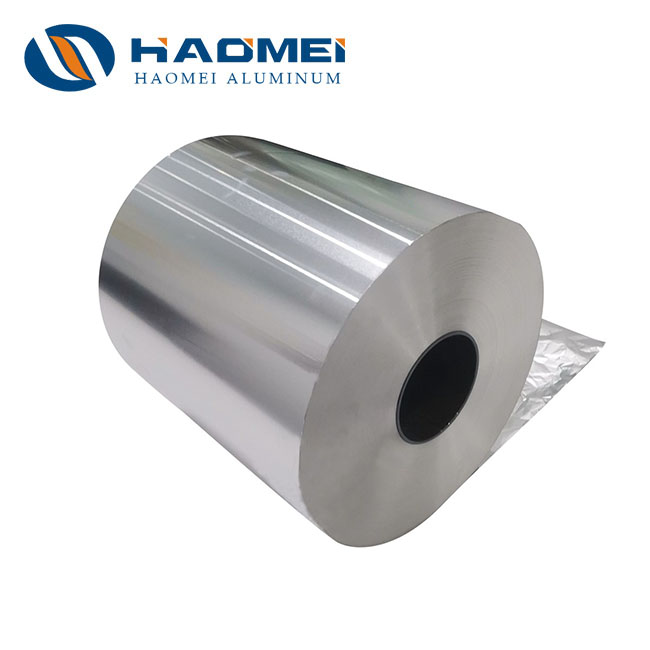
For high-speed converting, the most expensive foil roll is not always the one with the highest unit price. It is the roll that breaks during unwinding, fails heat-seal tests, shows pinholes after lamination, or arrives without traceable inspection data. When selecting a highlighting foil roll supplier, the main concern should be roll-to-roll consistency: thickness, surface cleanliness, mechanical behavior, winding quality, and compliance documentation must remain stable across every shipment.
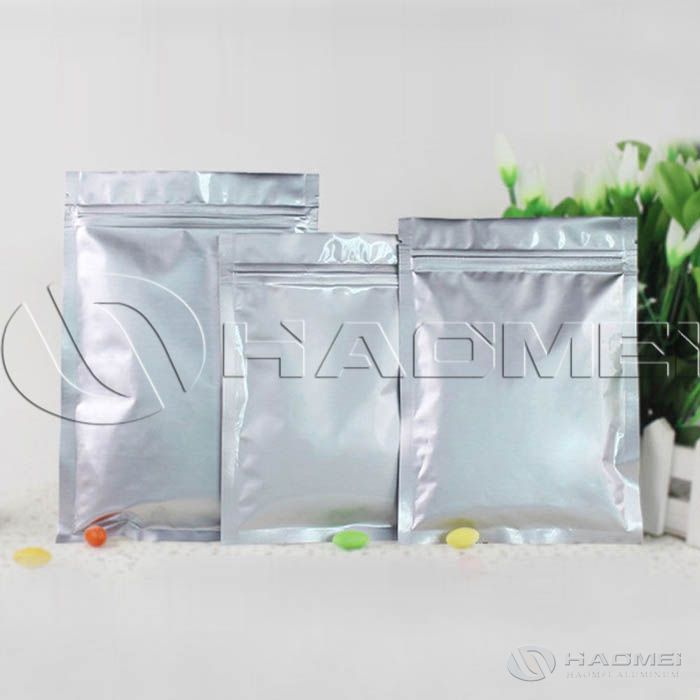
This article focuses on that single concern: how purchasing and engineering teams can verify consistency before placing large-volume orders for aluminum foil rolls used in packaging, electronics, insulation, hair-color service materials, containers, and laminated structures.
What consistent foil rolls must prove
Aluminum foil is commonly supplied from commercial pure aluminum and 8xxx alloys. Typical choices include 1235, 8011, 8021, and 8079, depending on barrier, formability, heat-seal compatibility, pinhole sensitivity, and cost target. For battery tabs, tapes, and conductive applications, many teams also evaluate 1235 Aluminum Foil because high aluminum purity supports conductivity and stable processing.
Relevant recognized standards include ASTM B479 for annealed aluminum and aluminum-alloy foil, EN 546 for aluminum foil requirements and tolerances, and ISO 9001 for quality management systems. Food-contact applications in the EU must be assessed under Regulation (EC) No 1935/2004 and GMP Regulation (EC) No 2023/2006. In the United States, compliance reviews often include applicable FDA 21 CFR provisions for coatings, adhesives, inks, and indirect food-contact materials used with the foil structure.
| Requirement to verify | Why it affects production | What to request from the supplier |
|---|---|---|
| Alloy and temper | Controls strength, elongation, formability, and dead-fold behavior | Mill test certificate with alloy, temper, heat number, and batch ID |
| Thickness tolerance | Prevents barrier variation, sealing problems, and cost waste | Thickness map or inspection report aligned with ASTM B479 or EN 546 |
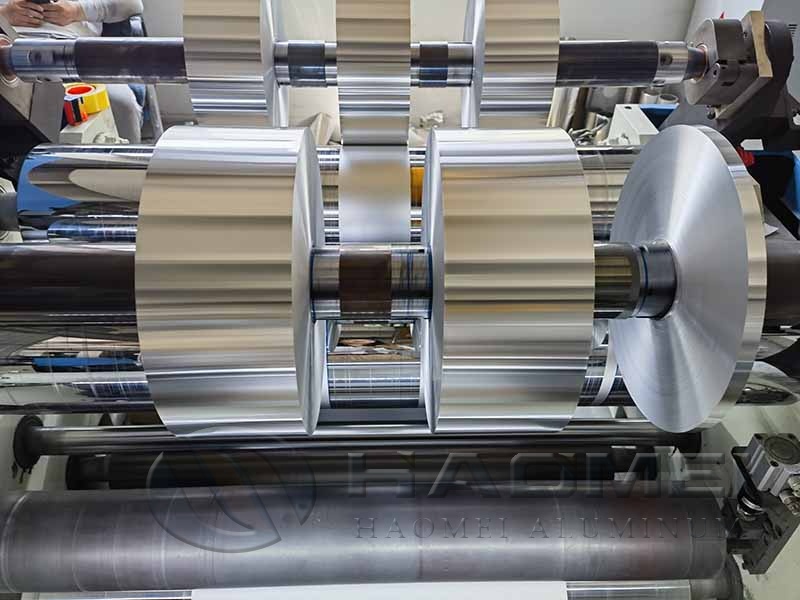
| Width and edge condition | Reduces wrinkling, telescoping, and slitting waste | Slitting tolerance, burr control record, edge photos when needed |
| Surface cleanliness | Protects printing, lamination, coating, and sealing | Surface oil, wetting, or cleanliness test method and acceptance limit |
| Pinhole control | Critical for barrier packaging and battery-related separators | Pinhole test method, light-box standard, maximum count per area |
| Winding quality | Prevents unwind breaks and speed reduction | Roll hardness, core ID, splice policy, outer diameter, packing method |
Supplier audit steps for stable performance
Start with a written specification rather than a general product name. A useful specification states alloy, temper, thickness, width, roll weight, core ID, surface side, maximum pinholes, allowed splices, packing, labeling, and certificate format. Without these details, two acceptable offers may describe different materials.
Step 1: Match alloy to process, not only price. 8011 is widely used in household and food packaging foil because it balances formability and strength. For trays and semi-rigid containers, 8006 and 3003 may be considered. For flexible packaging requiring barrier performance and good elongation, 8079 and 8021 are common options. Food-related projects can review 8011 Aluminum Foil Food for Packaging when the target is packaging conversion with stable forming and wrapping performance.
Step 2: Ask for measurable gauge control. Do not accept only nominal thickness. Request the tolerance range, measurement frequency, gauge instrument type, and whether the report covers head, middle, and tail positions. For thin gauges, small variation can change yield, barrier properties, and machine tension.
Step 3: Validate surface before full-scale conversion. Residual rolling oil, black spots, scratches, water stains, and oxidation can weaken lamination and printing. Ask for surface inspection criteria. If foil will be coated, printed, or laminated, run a pilot test using the same adhesive, ink, line speed, and curing conditions used in production.
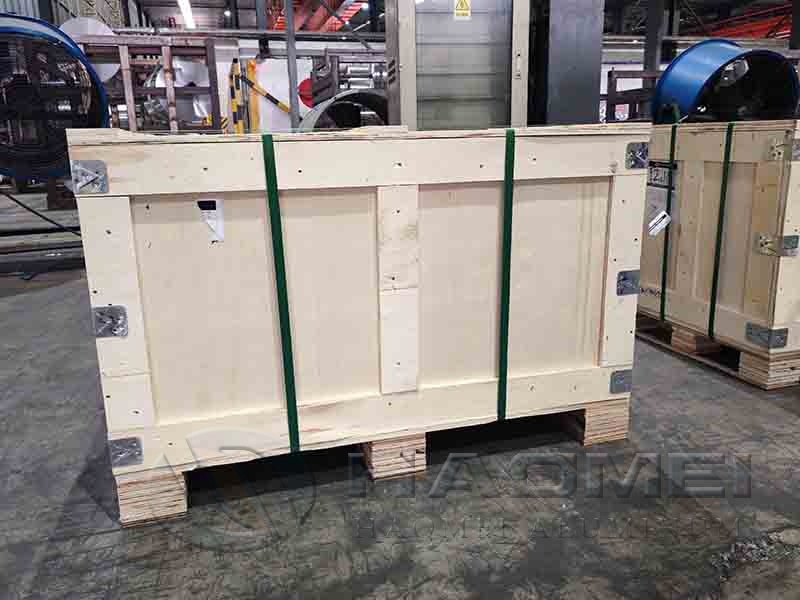
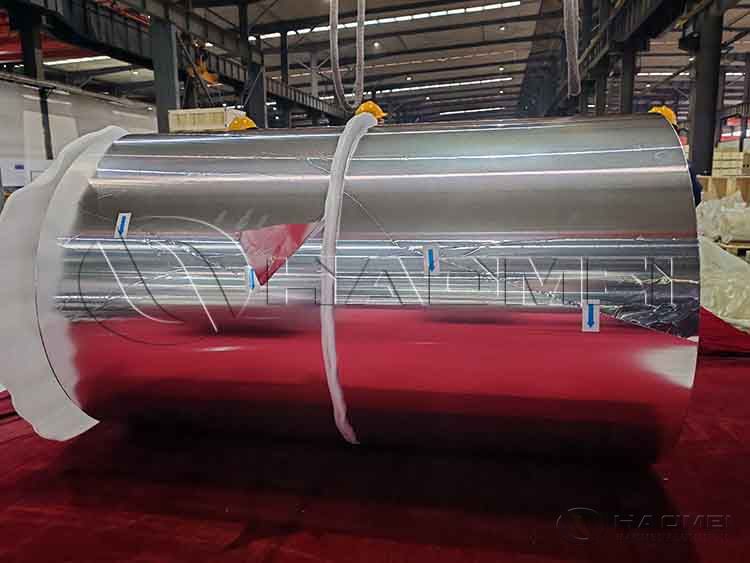
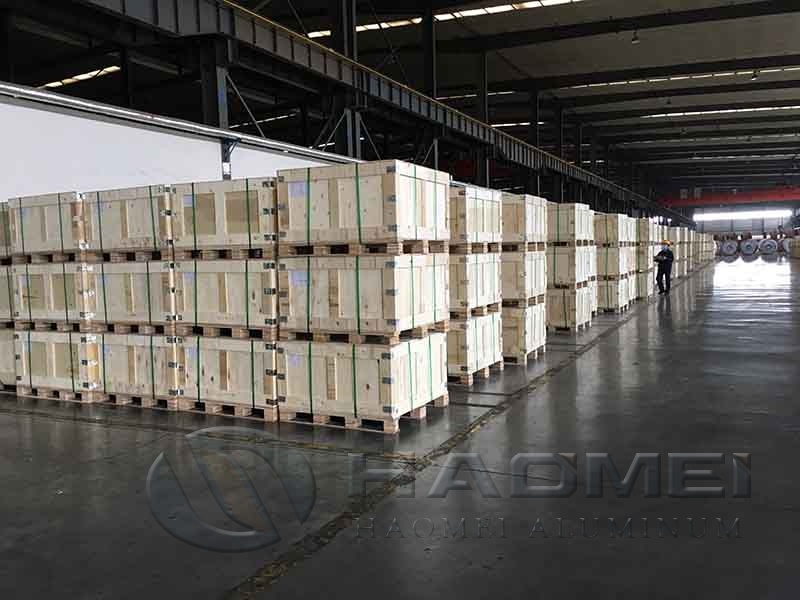
Step 4: Control winding and logistics. A roll that meets chemical and mechanical properties can still fail if winding is poor. Specify core material, core strength, roll direction, maximum telescoping, roll hardness range, and moisture-proof packing. Long-distance sea freight needs corrosion-resistant packaging, desiccants when appropriate, and pallet design that prevents deformation.
Step 5: Review traceability. Each roll label should connect to production batch, inspection report, alloy, temper, size, net weight, gross weight, and date. Traceability reduces dispute time if defects appear after slitting, coating, or pouch making.
Comparison table: how to choose the right supply model
| Supply model | Best fit | Main risk | Practical control action |
|---|---|---|---|
| Integrated rolling mill | Stable long-term volume, technical projects, strict certificates | Longer lead time during peak demand | Reserve capacity and agree forecast windows |
| Specialized slitting center | Narrow widths, frequent size changes, converter-ready rolls | Base foil quality depends on upstream source | Require original mill certificate plus slitting inspection |
| Trading distributor | Small trial orders, mixed products, urgent sourcing | Limited process transparency | Request batch traceability and pre-shipment third-party inspection |
| Contract manufacturing route | Customized surface, coating, embossing, or laminating | Responsibility boundaries can be unclear | Define defect liability and inspection point in the purchase contract |
Pricing should be transparent. Aluminum foil pricing is commonly built from LME or SHFE aluminum reference price, processing fee, alloy premium, annealing or surface treatment cost, slitting cost, packing, inland transport, ocean freight, insurance, duty, and local taxes. Because LME prices move daily and freight changes by route, quote comparisons should use the same pricing date, Incoterms, delivery port, payment terms, and validity period.
Trade compliance also matters. Aluminum foil normally falls under HS heading 7607. Importers should confirm local duty, anti-dumping, and countervailing duty exposure before contract approval. For shipments to the EU, aluminum is within the Carbon Border Adjustment Mechanism transitional reporting framework that began in 2023, with financial obligations scheduled to phase in from 2026 under current EU rules. Suppliers serving Europe should be ready to discuss emissions data collection and documentation.
RFQ checklist for a dependable foil roll supplier
Use the following checklist before confirming production:
| RFQ item | Required detail |
|---|---|
| Product | Aluminum foil roll, alloy, temper, application, surface side |
| Size | Thickness, width, roll OD, core ID, roll weight tolerance |
| Quality limits | Pinholes, splice count, burr, camber, telescoping, stains, scratches |
| Test standard | ASTM B479, EN 546, internal test method, or agreed customer standard |
| Certificates | Mill test certificate, COA, food-contact declaration if applicable, ISO certificate |
| Sample plan | Trial roll quantity, pilot-line test conditions, approval criteria |
| Packing | Wooden pallet or case, moisture protection, label format, container loading plan |
| Commercial terms | Metal price basis, conversion fee, Incoterms, lead time, payment, claim window |
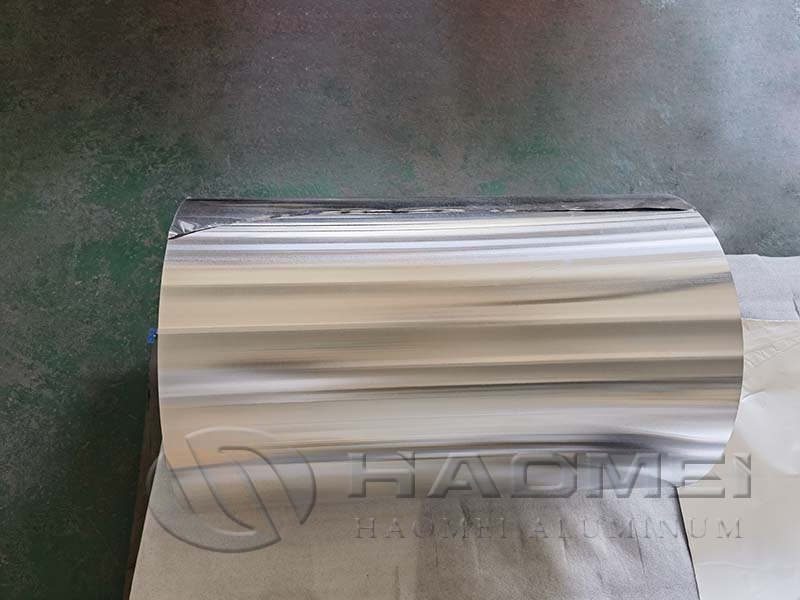
A professional highlighting foil roll supplier should answer these items with documents, tolerances, and production controls rather than general promises. Consistent foil rolls protect converting speed, reduce waste, simplify claims, and make cost comparisons reliable across every shipment.

- Finstock and Heat Exchanger Aluminum FoilJan 19, 2026
In heat exchange systems used in air conditioning, automobiles, and electronic equipment, fins and heat exchan...
- 3003 Aluminum FoilJul 09, 2026
3003 aluminum foil specs, tempers, forming tests, compliance, cost drivers, and sourcing checks for container...
- Who Invented Aluminum FoilOct 09, 2023
Aluminum foil was first produced in France in 1903. Aluminum foil for food packaging is very clean and hygien...
- 1235 Aluminum FoilFeb 24, 2026
Hot FAQs on 1235 aluminum foil: composition, common uses, thickness, pricing factors, and QC tests for packagi...
- Aircon Aluminum FoilSep 16, 2026
Specify aircon aluminum foil with durable hydrophilic coating: compare alloys, tests, standards, conversion co...
Inquiry
Products Category
Latest Application
-
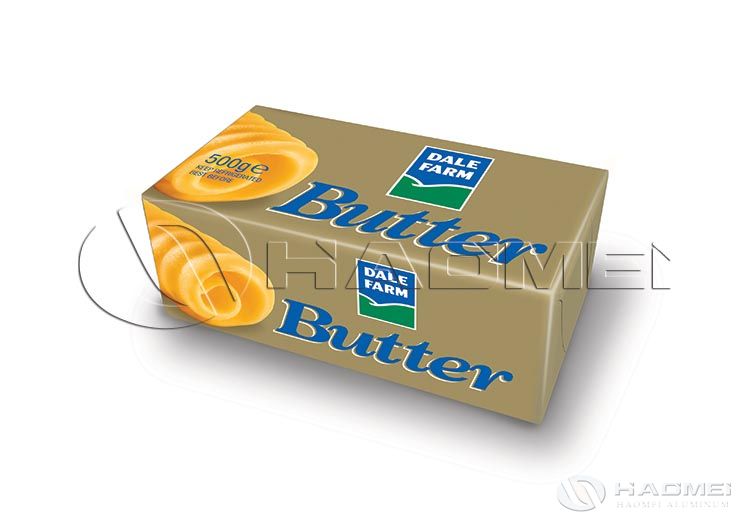 Why butter aluminum foil is neededButter aluminum foil blocks oxygen, moisture, and light, effectively preventing butter from oxidizing and spoiling, preserving nutrients, and significantly extending its shelf life. High-end products can see their sh
application
Why butter aluminum foil is neededButter aluminum foil blocks oxygen, moisture, and light, effectively preventing butter from oxidizing and spoiling, preserving nutrients, and significantly extending its shelf life. High-end products can see their sh
application
-
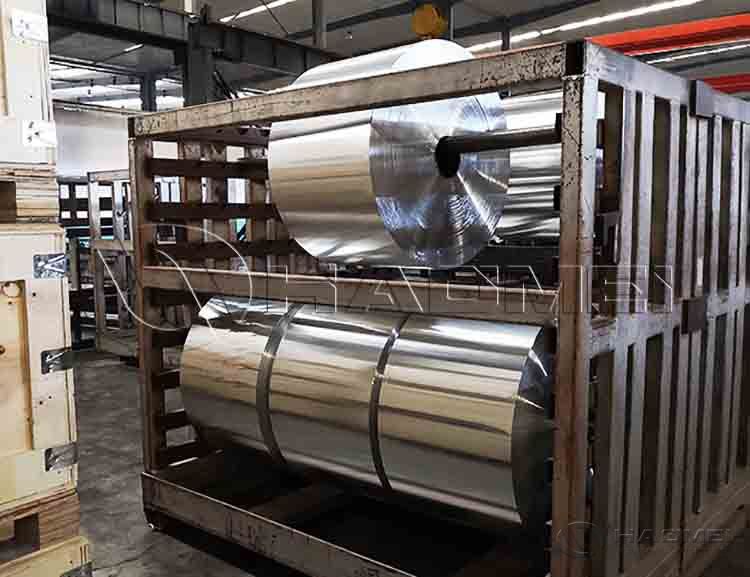 Cables are usually composed of conductors, insulation layers, shielding layers, and sheaths. Aluminum foil for cable is generally located outside the insulation layer as part of the shielding layer. It fits tightly to the surface of the insulation la
application
Cables are usually composed of conductors, insulation layers, shielding layers, and sheaths. Aluminum foil for cable is generally located outside the insulation layer as part of the shielding layer. It fits tightly to the surface of the insulation la
application
-
Aluminum Gold Foil Paper For Chocolate Wrapping
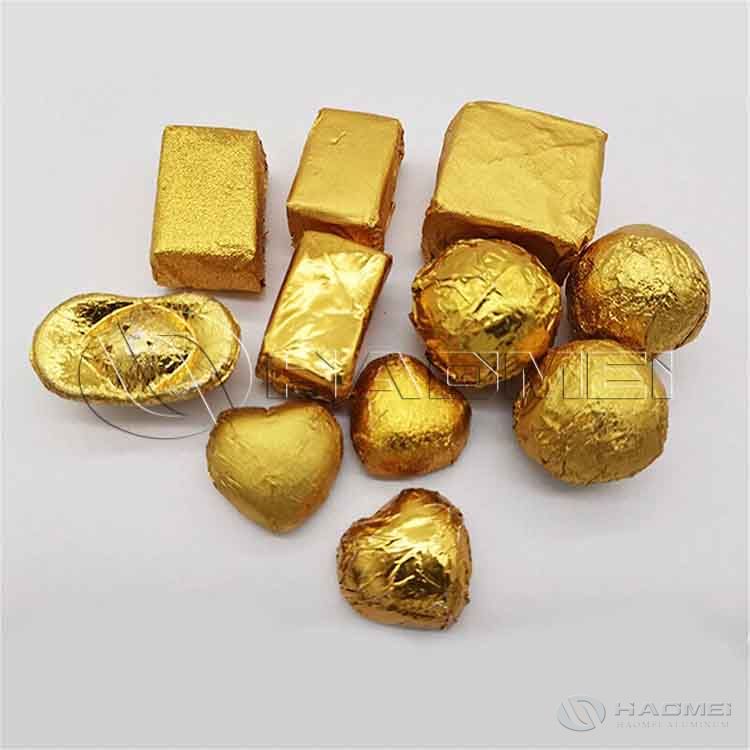 When is aluminum foil used for chocolate wrappingThe use of aluminium foil food for chocolate can be traced back to the early 20th century. In 1911, Swiss candy companies began to wrap chocolate with aluminum foil, gradually replacing the tin foil. T
application
When is aluminum foil used for chocolate wrappingThe use of aluminium foil food for chocolate can be traced back to the early 20th century. In 1911, Swiss candy companies began to wrap chocolate with aluminum foil, gradually replacing the tin foil. T
application
-
PVC Rigid Film and Aluminum Foil for Medicine Packaging
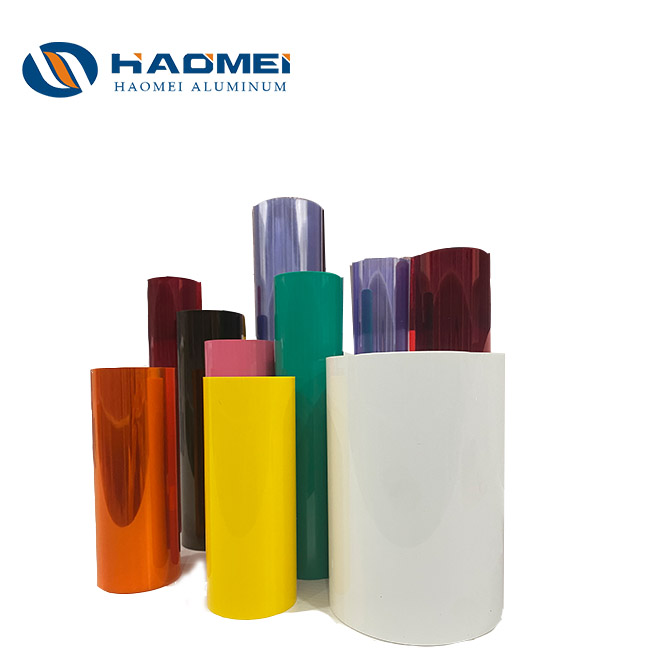 Haomei Aluminum provides different types of aluminum foil and plastic rigid films like PTP aluminum foil, cold forming foil, tropical foil, PVC rigid film, PE/PET film,etc. Best Price! Inquire now.
application
Haomei Aluminum provides different types of aluminum foil and plastic rigid films like PTP aluminum foil, cold forming foil, tropical foil, PVC rigid film, PE/PET film,etc. Best Price! Inquire now.
application
-
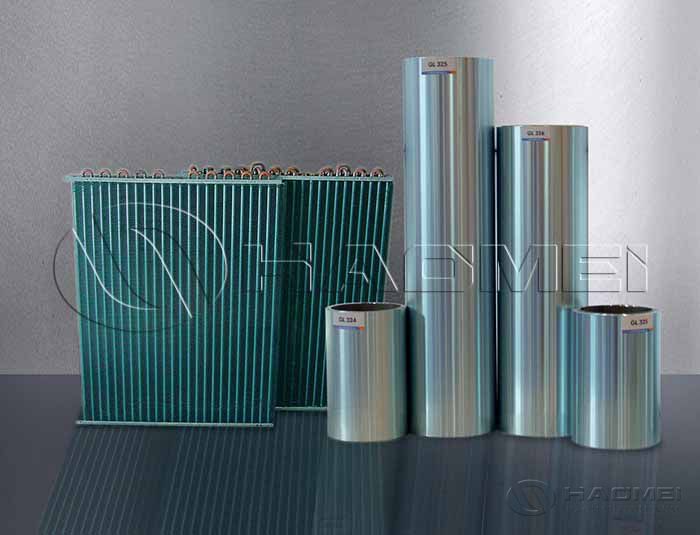 Haomei Aluminum offers you different colors of air conditioner aluminum foil like hydrophilic aluminum foil, including1100/ 3003 /8006/8011 aluminum foil,etc. Learn more.
application
Haomei Aluminum offers you different colors of air conditioner aluminum foil like hydrophilic aluminum foil, including1100/ 3003 /8006/8011 aluminum foil,etc. Learn more.
application
Latest Blog
-
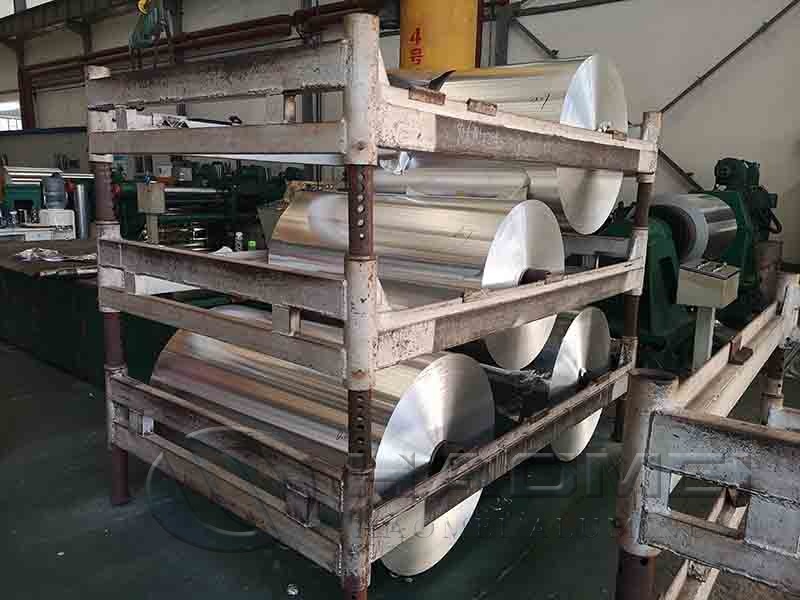 Plan year-end capacitor production with specified aluminum foil: purity, temper, surface controls, test documents, and shipment timing that reduce line risk.
Blog
Plan year-end capacitor production with specified aluminum foil: purity, temper, surface controls, test documents, and shipment timing that reduce line risk.
Blog
-
Where To Find a Reliable Air Conditioner Fin Foil Supplier
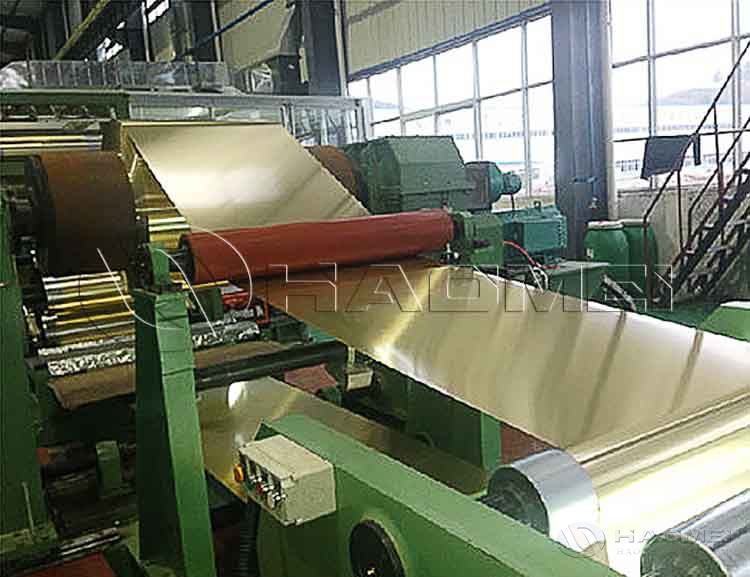 In the competitive HVAC industry, the quality of air conditioner fin stock directly determines the heat exchange efficiency, durability, and energy-saving performance of air conditioning equipment. For manufacturers, distributors, and processing enterpris
Blog
In the competitive HVAC industry, the quality of air conditioner fin stock directly determines the heat exchange efficiency, durability, and energy-saving performance of air conditioning equipment. For manufacturers, distributors, and processing enterpris
Blog
-
Specify aircon aluminum foil with durable hydrophilic coating: compare alloys, tests, standards, conversion costs, and receiving controls for HVAC fins.
Blog
-
Aluminium Foil for Air Conditioner
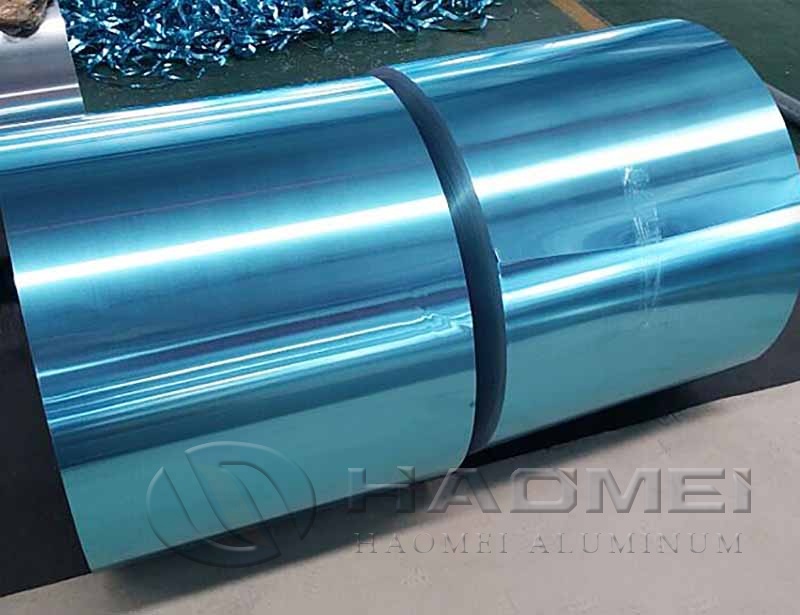 Explore aluminium foil for air conditioner questions on alloy, coating, thickness, and inspection for efficient, durable heat-exchanger fins.
Blog
Explore aluminium foil for air conditioner questions on alloy, coating, thickness, and inspection for efficient, durable heat-exchanger fins.
Blog
-
What Is Food Grade Aluminum Foil Jumbo Roll
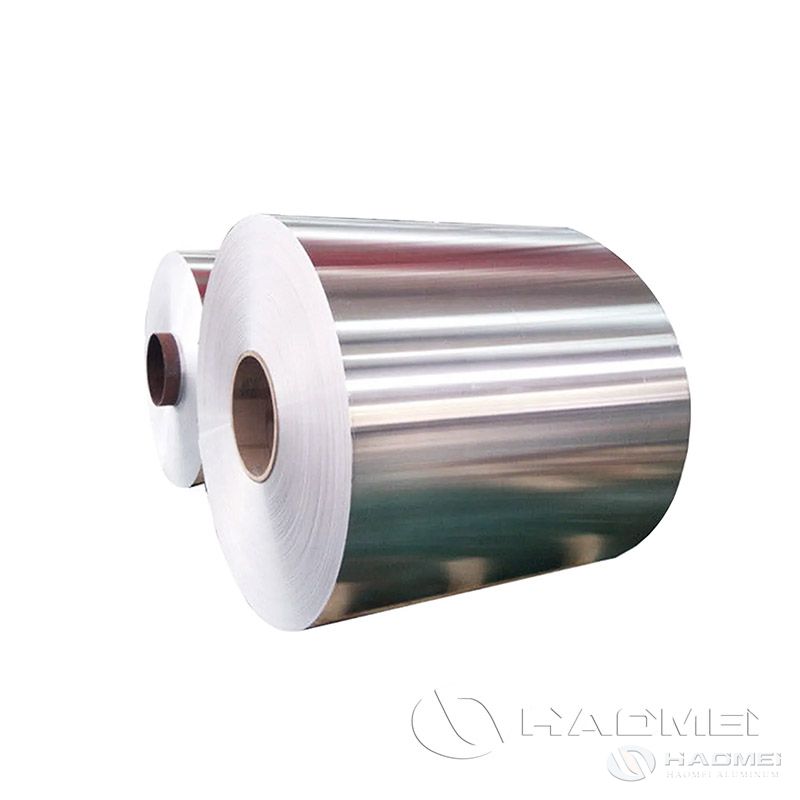 From the aluminum foil used for everyday baking and grilling to the containers used for takeout and the packaging that keeps food fresh, these ubiquitous aluminum foil products all originate from the same core raw material: the food grade aluminum foil ju
Blog
From the aluminum foil used for everyday baking and grilling to the containers used for takeout and the packaging that keeps food fresh, these ubiquitous aluminum foil products all originate from the same core raw material: the food grade aluminum foil ju
Blog

Haomei Aluminum CO., LTD.
Tel/Whatsapp: +86-15978414719
Email: sale@alumhm.com
Website: https://www.alumfoils.com
Xin'an Industrial Assemble Region,Luoyang,Henan Province,China
Office Add: 1103, No.14 Waihuan Road, CBD, Zhengzhou, China