Ptp Aluminum Foil
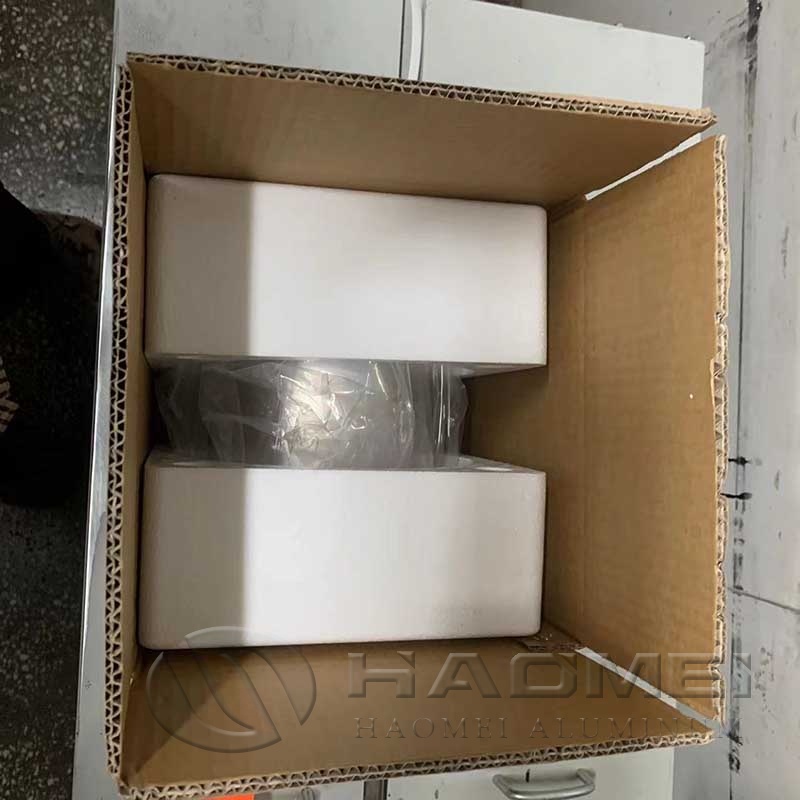
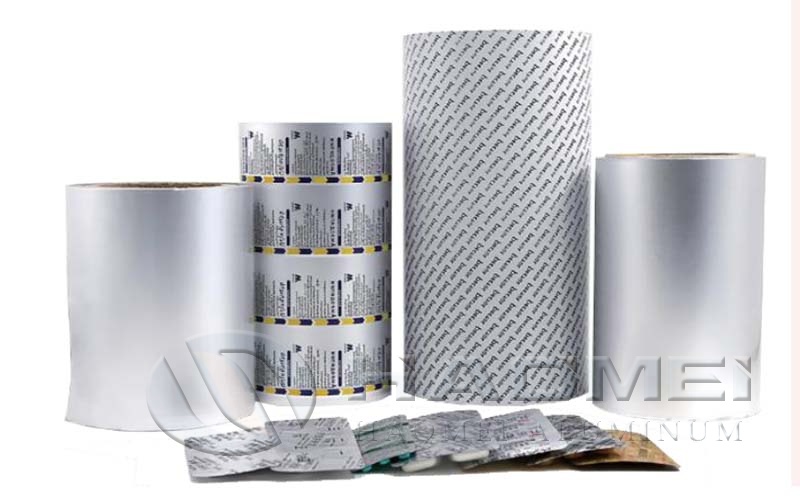
PTP aluminum foil for blister packs: alloys, thickness, heat-seal lacquer, ISO/ASTM tests, defects, and sourcing checks for pharma packaging.
PTP aluminum foil is a hard-temper blister lidding material used for tablets and capsules. PTP means press-through-pack: the patient pushes the dose through the aluminum lid while the sealed blister cavity protects the drug from moisture, oxygen, light, and handling contamination.
The main concern for pharmaceutical packers is heat-seal integrity. A beautiful printed lidstock is still unacceptable if the lacquer does not seal consistently to PVC, PVDC-coated PVC, Aclar-laminated film, PP, or other forming webs.

What to Specify Before Quotation
Most validated blister lidstock is based on 8011 or 8021 alloys in the 8xxx aluminum family. The usual temper is hard, commonly H18, because the lid must rupture cleanly during push-through opening.
Use a written specification. Do not rely on grade name alone.
| Item | Practical specification | Why it matters |
|---|---|---|
| Alloy | 8011 or 8021, declared on certificate | Stable rolling quality and accepted pharmaceutical use |
| Temper | H18 or agreed hard temper | Controls push-through behavior and web stiffness |
| Thickness | Commonly 20 µm, 25 µm, or 30 µm; tolerance per EN 546 or ASTM B479 | Affects pinhole risk, burst behavior, and cost per m² |
| Coating structure | Print primer or OP lacquer on outer side; heat-seal lacquer on inner side | Prevents ink rub-off and enables sealing to forming web |
| Seal compatibility | PVC, PVDC, Aclar, PP, or other substrate named in writing | Lacquer chemistry must match the blister base film |
| Surface | Clean, oil-free, no black spots, wrinkles, corrosion, or blocking | Defects can cause poor printing, weak seals, or downtime |
| Roll data | Width, ID, OD, joint limit, splice marking, winding direction | Prevents machine stoppage and wrong-side sealing |
| Documentation | COA, traceability, coating declaration, food or pharma compliance if required | Supports GMP and customer audits |
Relevant references include EN 546 for aluminum foil dimensional and surface requirements, ASTM B479 for annealed aluminum and aluminum-alloy foil for flexible barrier applications, ISO 15378 for GMP applied to primary packaging materials for medicinal products, and 21 CFR 211.94 for U.S. drug container-closure suitability expectations.
Testing Plan for Heat-Seal Integrity
The seal must be tested as a system: lidding material, forming web, sealing temperature, dwell time, pressure, tooling condition, and product environment. A certificate of thickness is not enough.
| Test item | Recognized method or reference | What to check before release |
|---|---|---|
| Seal strength | ASTM F88/F88M | Peel force across left, center, and right lanes; record failure mode |
| Nonporous leak detection | ASTM F3039 dye penetration or ASTM F2338 vacuum decay | Detects channels, cracks, and unsealed areas in finished packs |
| Bubble emission | ASTM F2096, when suitable for pack design | Finds gross leaks after vacuum exposure |
| Pinhole inspection | EN 546-4 or agreed light-table method | Compare pinhole count and size against purchase specification |
| Coating weight | Gravimetric or supplier-validated method | Confirms lacquer consistency across the web |
| Print and OP adhesion | Tape, rub, or solvent resistance method agreed with printer | Avoids ink transfer to rollers, hands, or secondary packaging |
| Stability performance | ICH Q1A(R2), where applicable | Finished packs must protect the drug under registered storage conditions |
For trial sealing, run three settings: low, nominal, and high within the lacquer supplier's recommended window. Record temperature at the sealing face, not only the machine display. If the forming web changes from PVC to PVDC or PP, repeat the seal validation. Lacquer that performs well on PVC may fail on PP without a different resin system.
A useful release rule is to reject rolls showing seal-channel defects, adhesive transfer, foil delamination, or excessive curl during production trials, even when laboratory thickness is within tolerance.
Selection, Cost Control, and Incoming Inspection
Thickness selection is the fastest way to balance performance and cost. Compare by square meter, not only by kilogram, because usable blister area determines packaging output.
| Thickness | Typical use | Advantage | Procurement risk to control |
|---|---|---|---|
| 20 µm | Standard tablets with moderate barrier demand | Lower material cost and good machine speed | Higher sensitivity to pinholes and handling damage |
| 25 µm | Widely used pharmaceutical blister lidding | Balanced strength, printability, and sealing stability | Needs consistent lacquer weight to avoid weak edges |
| 30 µm | Moisture-sensitive or high-integrity packs | Better mechanical robustness and lower defect sensitivity | Higher cost and possible tooling adjustment |
Soft, high-elongation packaging gauges such as 8079 Aluminum Foil for Packaging can be suitable for flexible packages, but they should not replace hard PTP lidstock unless push-through, sealing, and stability tests are revalidated.
Commercial pricing normally follows this structure: LME aluminum value + regional premium + rolling conversion + coating and printing + packing and freight. Printing colors, lacquer type, roll width, splice limits, and cleanroom requirements can move the final price as much as metal cost changes. Ask suppliers to quote per kg and per m² so different thicknesses can be compared fairly.
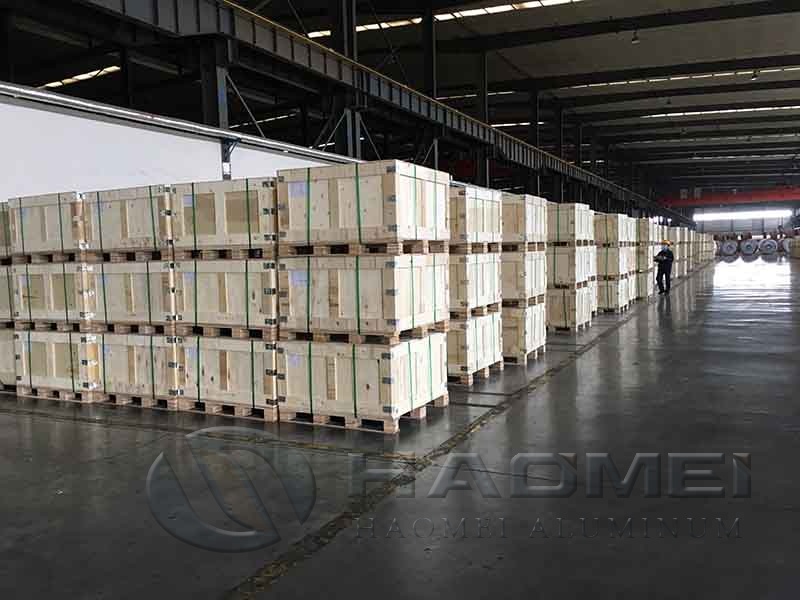
Use this incoming inspection checklist before releasing rolls to the blister line:
Match roll label, COA, alloy, temper, width, and batch number against the purchase specification.
Measure thickness across the web at left, center, and right positions using a calibrated micrometer or beta gauge record.
Inspect roll edges for dents, telescoping, burrs, and crushed cores.
Confirm lacquer side and winding direction before loading.
Run a short sealing trial using approved forming web and production tooling.
Test seal strength after cooling, not immediately at the hot sealing station.
Check pinholes and visible defects under agreed lighting conditions.
Retain samples from every batch for traceability and complaint investigation.
Record machine settings, ambient humidity, and operator observations during trial runs.
Quarantine rolls with blocking, odor, corrosion, oil stains, or unexplained coating marks.
Order-ready specification template:
| Field | Fill in before ordering |
|---|---|
| Product | Printed or unprinted PTP blister lidding material |
| Alloy and temper | 8011-H18 or 8021-H18, as validated |
| Thickness | 20 µm, 25 µm, or 30 µm with stated tolerance |
| Inner coating | Heat-seal lacquer for named forming web |
| Outer coating | Primer, print, and protective lacquer if required |
| Roll dimensions | Width, core ID, roll OD, max roll weight |
| Quality limits | Pinholes, joints, edge damage, coating defects, curl |
| Compliance | ISO 15378 system preference, GMP traceability, applicable pharmacopeia or regulatory files |
| Release tests | Seal strength, leak test, coating weight, visual inspection |
For pharmaceutical use, do not approve a new PTP aluminum foil only from a desk review. Run the exact material on the exact blister line, with the exact forming web, at the intended production speed. Seal integrity is created on the machine, and the purchasing specification should capture the process window that has been proven.

- Finstock and Heat Exchanger Aluminum FoilJan 19, 2026
In heat exchange systems used in air conditioning, automobiles, and electronic equipment, fins and heat exchan...
- What Are Aluminum Foil PropertiesNov 09, 2023
The excellent aluminum foil properties help it widely used in many fields. It has good barrier performance, li...
- Aluminum Foil for Transformer WindingJul 29, 2026
Specify aluminum foil for transformer winding using conductivity, temper, tolerances, insulation compatibility...
- 3003 Aluminum FoilJul 09, 2026
3003 aluminum foil specs, tempers, forming tests, compliance, cost drivers, and sourcing checks for container...
- Battery and Aluminum FoilJun 10, 2026
Battery and aluminum foil sourcing plan for holiday electronics: compare 1235/1050 specs, QC steps, compliance...
Inquiry
Products Category
Latest Application
-
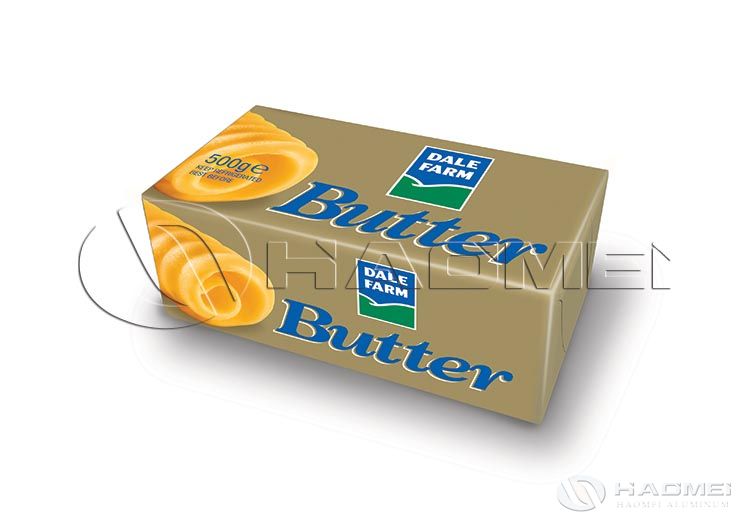 Why butter aluminum foil is neededButter aluminum foil blocks oxygen, moisture, and light, effectively preventing butter from oxidizing and spoiling, preserving nutrients, and significantly extending its shelf life. High-end products can see their sh
application
Why butter aluminum foil is neededButter aluminum foil blocks oxygen, moisture, and light, effectively preventing butter from oxidizing and spoiling, preserving nutrients, and significantly extending its shelf life. High-end products can see their sh
application
-
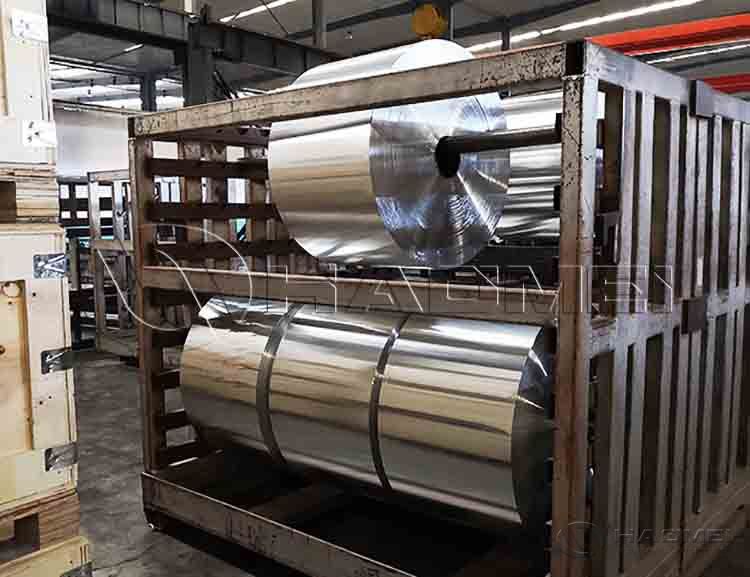 Cables are usually composed of conductors, insulation layers, shielding layers, and sheaths. Aluminum foil for cable is generally located outside the insulation layer as part of the shielding layer. It fits tightly to the surface of the insulation la
application
Cables are usually composed of conductors, insulation layers, shielding layers, and sheaths. Aluminum foil for cable is generally located outside the insulation layer as part of the shielding layer. It fits tightly to the surface of the insulation la
application
-
Aluminum Gold Foil Paper For Chocolate Wrapping
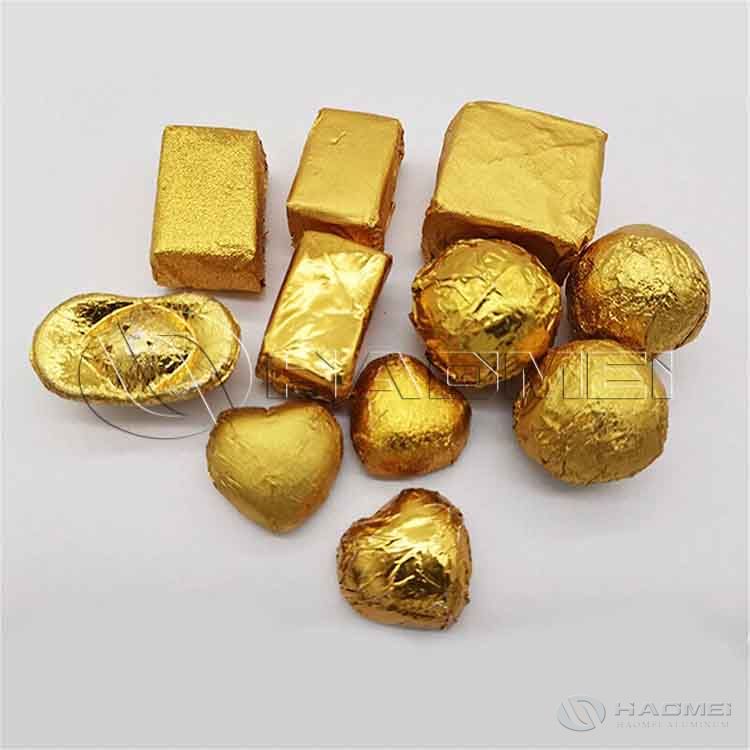 When is aluminum foil used for chocolate wrappingThe use of aluminium foil food for chocolate can be traced back to the early 20th century. In 1911, Swiss candy companies began to wrap chocolate with aluminum foil, gradually replacing the tin foil. T
application
When is aluminum foil used for chocolate wrappingThe use of aluminium foil food for chocolate can be traced back to the early 20th century. In 1911, Swiss candy companies began to wrap chocolate with aluminum foil, gradually replacing the tin foil. T
application
-
PVC Rigid Film and Aluminum Foil for Medicine Packaging
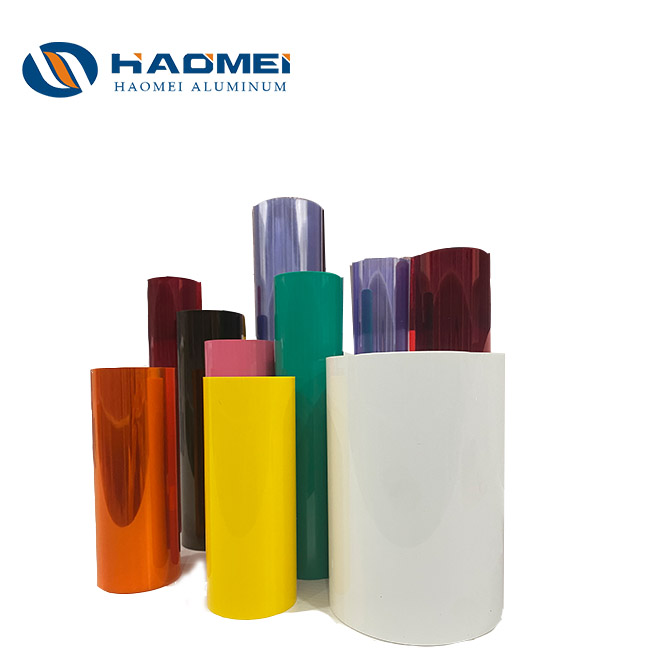 Haomei Aluminum provides different types of aluminum foil and plastic rigid films like PTP aluminum foil, cold forming foil, tropical foil, PVC rigid film, PE/PET film,etc. Best Price! Inquire now.
application
Haomei Aluminum provides different types of aluminum foil and plastic rigid films like PTP aluminum foil, cold forming foil, tropical foil, PVC rigid film, PE/PET film,etc. Best Price! Inquire now.
application
-
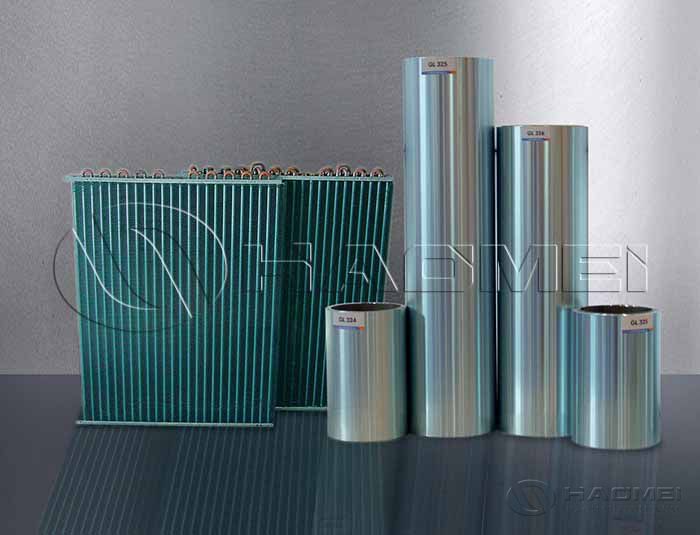 Haomei Aluminum offers you different colors of air conditioner aluminum foil like hydrophilic aluminum foil, including1100/ 3003 /8006/8011 aluminum foil,etc. Learn more.
application
Haomei Aluminum offers you different colors of air conditioner aluminum foil like hydrophilic aluminum foil, including1100/ 3003 /8006/8011 aluminum foil,etc. Learn more.
application
Latest Blog
-
Aluminum Foil Jumbo Roll for Flexible Packaging Laminates
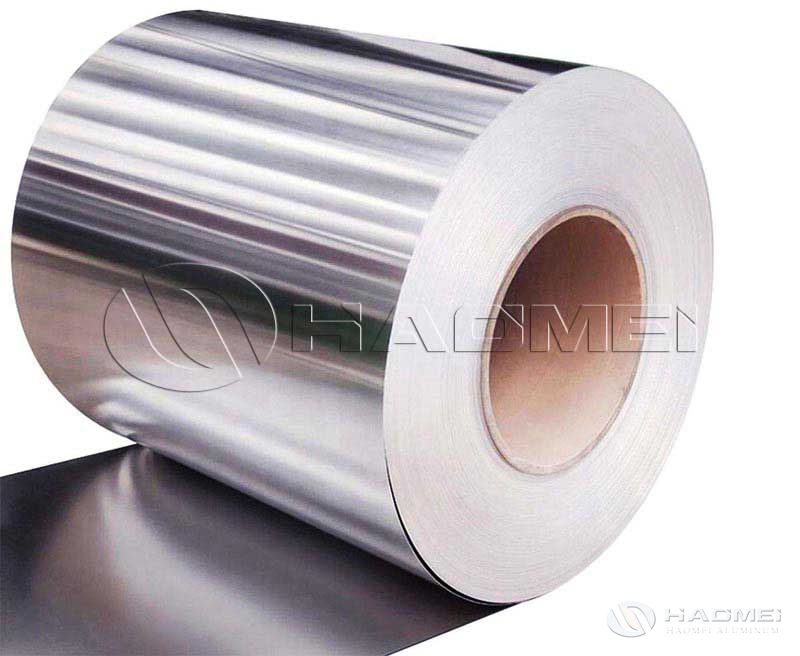 Compare 1235 pure aluminum & 8011 alloy foil jumbo rolls for flexible packaging lamination. Learn their differences in material properties, performance, pros & cons, and key application scenarios to choose the right foil for food, pharmaceutical & consume
Blog
Compare 1235 pure aluminum & 8011 alloy foil jumbo rolls for flexible packaging lamination. Learn their differences in material properties, performance, pros & cons, and key application scenarios to choose the right foil for food, pharmaceutical & consume
Blog
-
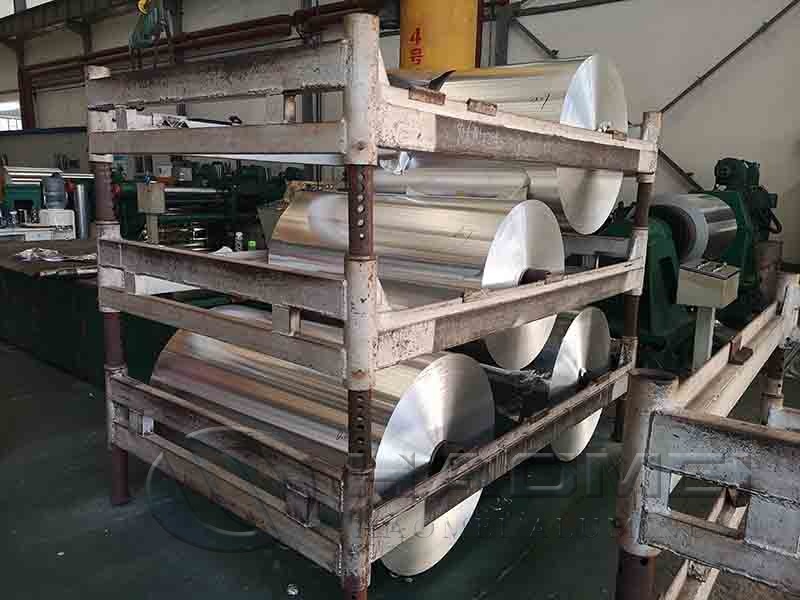 Plan year-end capacitor production with specified aluminum foil: purity, temper, surface controls, test documents, and shipment timing that reduce line risk.
Blog
Plan year-end capacitor production with specified aluminum foil: purity, temper, surface controls, test documents, and shipment timing that reduce line risk.
Blog
-
Where To Find a Reliable Air Conditioner Fin Foil Supplier
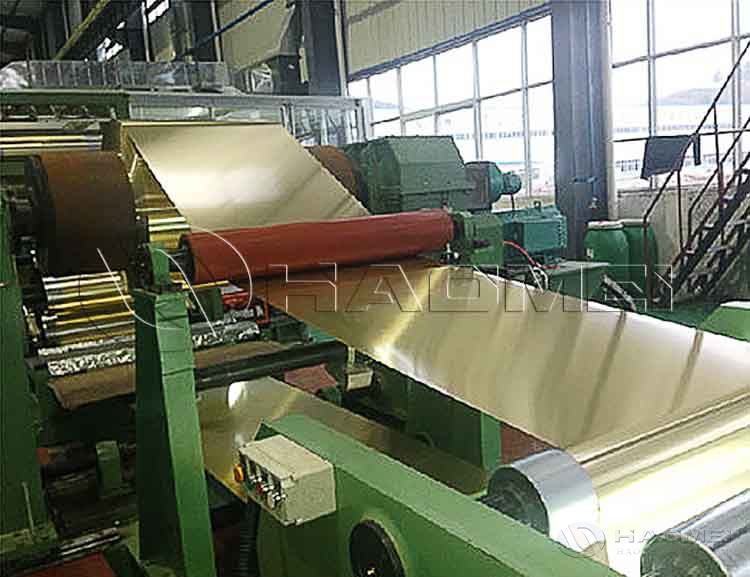 In the competitive HVAC industry, the quality of air conditioner fin stock directly determines the heat exchange efficiency, durability, and energy-saving performance of air conditioning equipment. For manufacturers, distributors, and processing enterpris
Blog
In the competitive HVAC industry, the quality of air conditioner fin stock directly determines the heat exchange efficiency, durability, and energy-saving performance of air conditioning equipment. For manufacturers, distributors, and processing enterpris
Blog
-
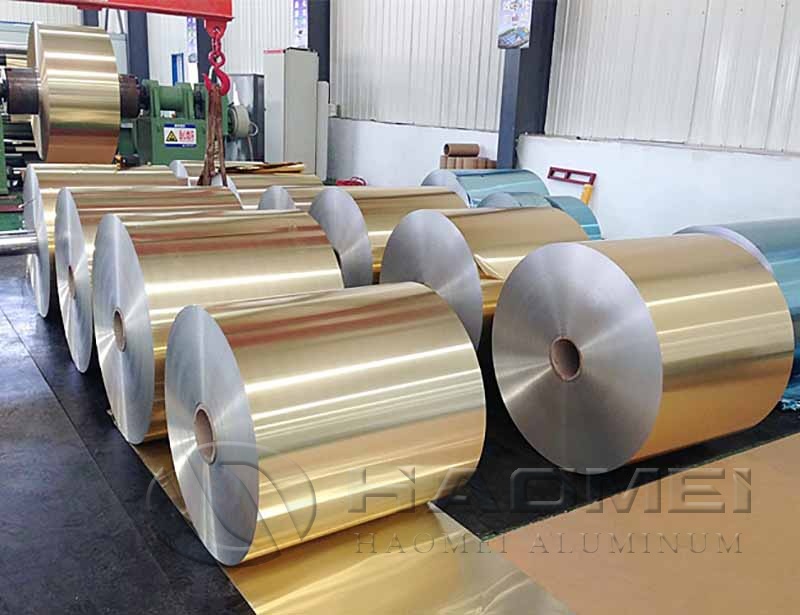 Specify aircon aluminum foil with durable hydrophilic coating: compare alloys, tests, standards, conversion costs, and receiving controls for HVAC fins.
Blog
Specify aircon aluminum foil with durable hydrophilic coating: compare alloys, tests, standards, conversion costs, and receiving controls for HVAC fins.
Blog
-
Aluminium Foil for Air Conditioner
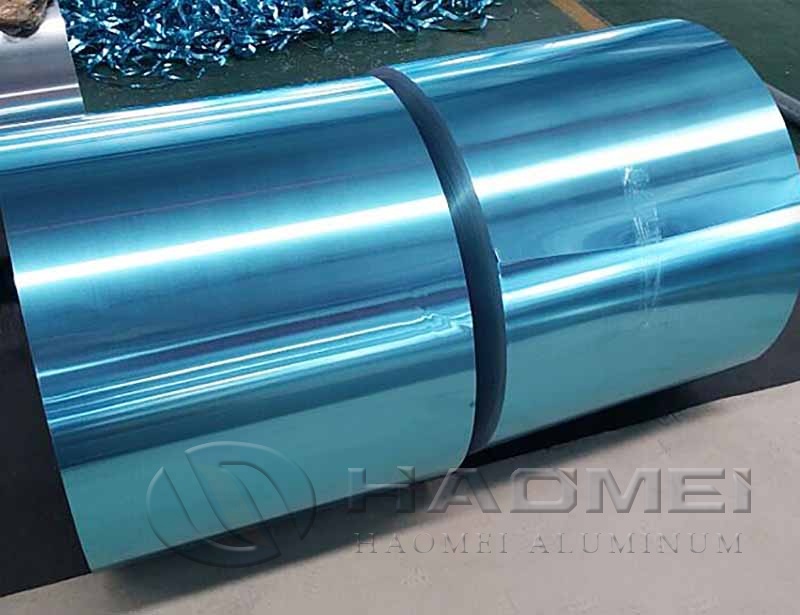 Explore aluminium foil for air conditioner questions on alloy, coating, thickness, and inspection for efficient, durable heat-exchanger fins.
Blog
Explore aluminium foil for air conditioner questions on alloy, coating, thickness, and inspection for efficient, durable heat-exchanger fins.
Blog

Haomei Aluminum CO., LTD.
Tel/Whatsapp: +86-15978414719
Email: sale@alumhm.com
Website: https://www.alumfoils.com
Xin'an Industrial Assemble Region,Luoyang,Henan Province,China
Office Add: 1103, No.14 Waihuan Road, CBD, Zhengzhou, China