Which Medicines Are Packaged in Aluminum Foil Blister Packaging

Aluminum foil blister packaging is often used for tablet, capsules, pills, and granules,etc. Common alloys are 8011, 8079 and 8021. What should you notice when making large purchase? Learn more.
When purchasing medicines at pharmacies, we often see many medications packaged in individual foil blister packs with recessed compartments. A gentle press allows you to easily remove a single pill or tablet – this is aluminium foil blister packaging. Thanks to its excellent barrier properties, airtight seal, and portability, it has become one of the most widely used packaging formats in the pharmaceutical industry.

Suitable Medications
1. Tablets
Tablets are the perfect partner for aluminum foil blister packaging. Whether it's daily cold medicine, fever reducers, or long-term, regularly taken antihypertensive or hypoglycemic drugs, or even antibiotic tablets and vitamin supplements, aluminum foil blister packs are almost always present.
Tablets are uniform in shape and have moderate hardness, perfectly fitting the blister pack's recessed compartments. Furthermore, most tablets are sensitive to moisture and oxygen; the high barrier properties of aluminum foil effectively prevent deliquescence and oxidation, extending their shelf life.
At the same time, tablet foil packaging allows for precise control of the dosage per dose, avoiding contamination during dispensing, making it especially suitable for families with frequently used medications and for those on long-term medication regimens.
2. Capsules
Capsules (including hard and soft capsules) are another core product category suitable for aluminum foil blister packaging, such as amoxicillin capsules, probiotic capsules, and fish oil soft capsules. The outer shell of capsules is often made of materials like gelatin, which are highly susceptible to moisture absorption and deformation, potentially leading to leakage and loss of efficacy.
Aluminum foil blister packaging creates a sealed "protective barrier," isolating external moisture and oxygen, ensuring the capsule's morphological stability and efficacy. Furthermore, the relatively regular size and shape of capsules make them suitable for mechanized blister packaging, significantly improving the production efficiency of pharmaceutical companies.
3. Other Suitable Dosage Forms
Besides tablets and capsules, aluminum foil blister packaging is also commonly used for solid dosage forms such as suppositories, pills, and granules. For example, gynecological suppositories and antipyretic suppositories require storage away from light and moisture; the light-blocking and barrier properties of aluminum foil meet these storage requirements.
Some small pills (such as traditional Chinese medicine water pills and Western medicine drop pills) and single-dose granules can also be individually packaged using aluminum foil blister packaging, improving ease of use and storage safety. However, aluminum foil blister packs are less suitable for liquid preparations such as oral solutions and injections, or for preparations that are too large or irregularly shaped.
Core Aluminum Alloys
Pharmaceutical aluminum foil blister packs are not made of a single material, but rather specific alloys are selected based on packaging requirements. Among them, 8011, 8021, and 8079 series aluminum foils are the industry mainstream, with different alloys having different performance focuses and application scenarios.
1. 8011 Aluminum Foil
8011 aluminum foil is the "mainstay" of pharmaceutical aluminum foil. It belongs to the aluminum-manganese alloy family and has good mechanical properties, ductility, and heat-sealing properties. Its thickness is typically between 0.016-0.04mm, and it is available in two states: O (soft) and H18 (hard).
It is mainly used for PTP (Press-through Packaging) pharmaceutical aluminum foil, which is the common blister pack aluminum foil and capsule aluminum foil, suitable for most conventional packaging of tablets and capsules. Its chemical composition is stable, with a surplus of aluminum content, and the content of elements such as silicon and iron is controlled within a reasonable range, posing no risk of harmful substance migration and meeting the safety requirements of pharmaceutical packaging.
2. 8021 Aluminum Foil
8021 aluminum foil is an aluminum-iron alloy, mostly in the O temper, with a thickness between 0.04-0.065mm. It is mainly used for blister packaging (cold-formed pharmaceutical foil) and tropical pharmaceutical foil.
It offers superior barrier properties, making it particularly suitable for high-end pharmaceuticals with extremely high requirements for moisture and light protection, such as easily oxidized antibiotics and heat-sensitive drugs. Furthermore, 8021 aluminum foil has excellent formability and burst resistance, allowing it to adapt to complex blister designs, and is widely used in high-end pharmaceutical packaging.
3. 8079 Aluminum Foil
8079 aluminum foil is mostly in the O temper and is mainly used in combination with 8021 aluminum foil for tropical pharmaceutical foil (aluminum-plastic-aluminum packaging), one of the most high-end forms of pharmaceutical packaging.
It has excellent barrier and corrosion resistance, providing double protection for pharmaceuticals, and is particularly suitable for pharmaceuticals requiring long-term storage or special transportation conditions, such as lyophilized preparations and auxiliary packaging for special vaccines.
Bulk Purchase Considerations
1. Compliance First
Pharmaceutical packaging is directly related to drug safety. When purchasing, priority should be given to verifying the supplier's compliance qualifications, ensuring they possess a pharmaceutical packaging material production license and comply with ISO 15378 (Quality Management System for Pharmaceutical Packaging Materials) and GMP (Good Manufacturing Practice for Pharmaceuticals) requirements.
Simultaneously, the aluminum foil material must meet national and international standards, such as oxygen transmission rate (OTR) ≤0.5cm³/(m²·24h·0.1MPa), water vapor transmission rate (WVTR) ≤0.1g/(m²·24h) (for lyophilized packaging), and ultraviolet transmission rate ≤1%. Suppliers must provide complete test reports, including indicators such as barrier properties, mechanical properties, solvent residue, and heavy metal content.
2. Quality Control
Different drugs have different storage requirements. When purchasing, the appropriate aluminum foil alloy and specifications should be selected based on the characteristics of the applicable drug. For example, 8011 aluminum foil can be used for conventional tablets and capsules, while 8021 or 8079 aluminum foil should be used for high-end heat-sensitive drugs.
Simultaneously, key indicators such as the aluminum foil's thickness uniformity, heat seal strength, and tear strength need to be verified to ensure compatibility with the company's packaging equipment (roller, flatbed, or blister packaging machines) and to avoid issues such as loose seals and easy breakage.
3. Supply Chain and Service
For bulk purchases, it's crucial to focus on the stability of the supplier's supply chain, confirming the reliability of raw material sources to avoid batch variations and guarantee long-term supply capabilities. Furthermore, the supplier's testing capabilities should be assessed, including whether they have a professional laboratory that can provide migration testing, abrasion resistance testing, and other services, and respond promptly to quality issues.
In addition, suppliers can be requested to provide samples for trial use to test compatibility with the pharmaceuticals and packaging suitability, avoiding compatibility problems after bulk purchases. Finally, delivery cycles and after-sales service terms should be clearly defined to ensure a smooth procurement process and timely communication and resolution of any quality issues.


- Highlighting Foil Roll SupplierMay 13, 2026
Find a highlighting foil roll supplier with proven gauge control, clean surfaces, compliance records, pricing...
- What Are Aluminum Foil SizesApr 29, 2024
As a versatile raw material the sold aluminum foil sizes is usually large, that is, aluminum foil jumbo roll,...
- PTP Packaging: PTP blister foil and Hard PVCJan 06, 2025
The PTP packaging consists of ptp blister foil and hard pvc. They both need to satisfy the medical requirement...
- Household Aluminum Foil BarbecueJun 25, 2024
The household aluminum foil alloys are usually 8011 and 1235. It is is widely used in cooking, freezing, prese...
- What Are The Requirements of Aluminum Foil for Blister PackagingJun 17, 2024
The aluminum foil covering the blister cavity plays the role of sealing and carrying text and graphic informa...
Inquiry
Products Category
Latest Application
-
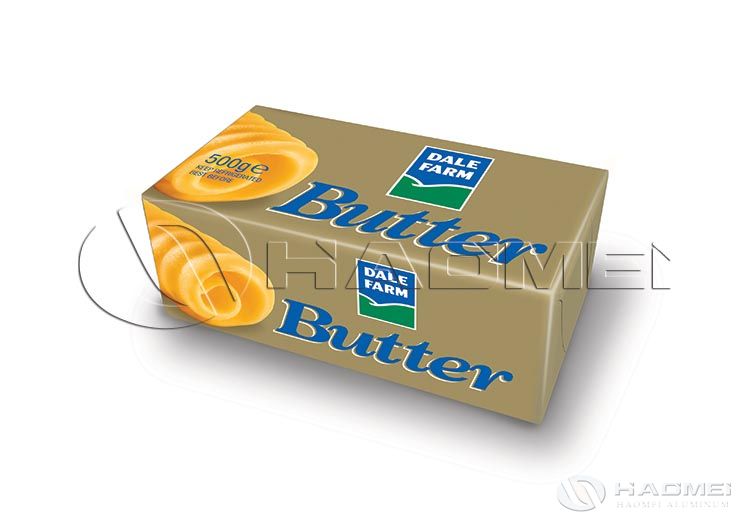 Why butter aluminum foil is neededButter aluminum foil blocks oxygen, moisture, and light, effectively preventing butter from oxidizing and spoiling, preserving nutrients, and significantly extending its shelf life. High-end products can see their sh
application
Why butter aluminum foil is neededButter aluminum foil blocks oxygen, moisture, and light, effectively preventing butter from oxidizing and spoiling, preserving nutrients, and significantly extending its shelf life. High-end products can see their sh
application
-
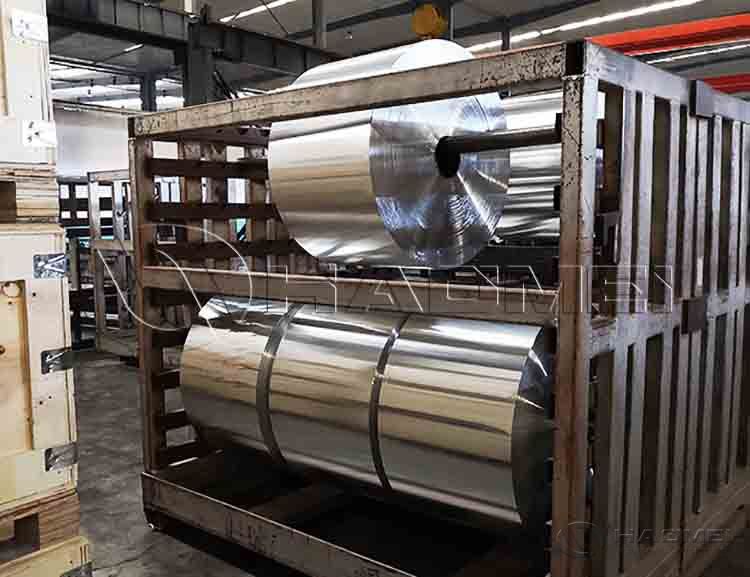 Cables are usually composed of conductors, insulation layers, shielding layers, and sheaths. Aluminum foil for cable is generally located outside the insulation layer as part of the shielding layer. It fits tightly to the surface of the insulation la
application
Cables are usually composed of conductors, insulation layers, shielding layers, and sheaths. Aluminum foil for cable is generally located outside the insulation layer as part of the shielding layer. It fits tightly to the surface of the insulation la
application
-
Aluminum Gold Foil Paper For Chocolate Wrapping
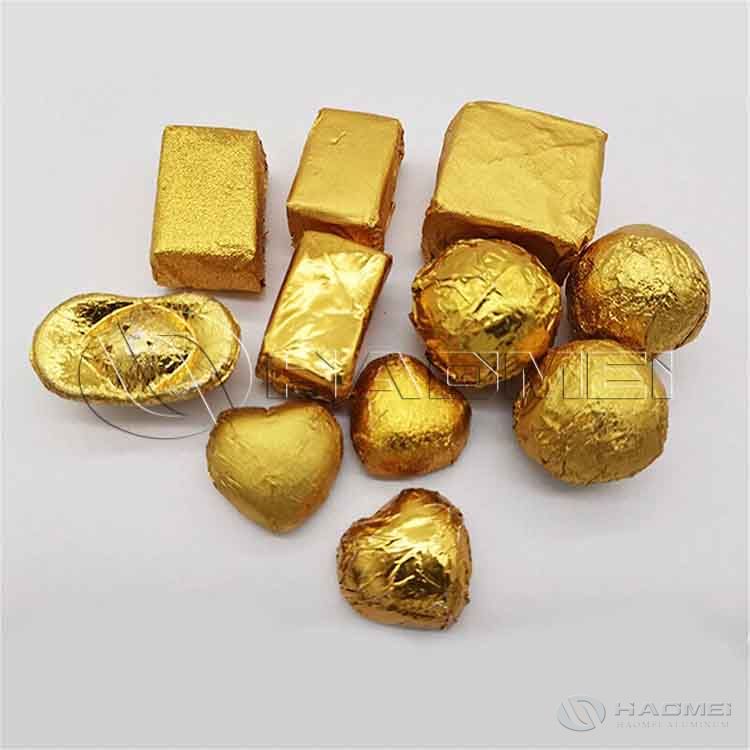 When is aluminum foil used for chocolate wrappingThe use of aluminium foil food for chocolate can be traced back to the early 20th century. In 1911, Swiss candy companies began to wrap chocolate with aluminum foil, gradually replacing the tin foil. T
application
When is aluminum foil used for chocolate wrappingThe use of aluminium foil food for chocolate can be traced back to the early 20th century. In 1911, Swiss candy companies began to wrap chocolate with aluminum foil, gradually replacing the tin foil. T
application
-
PVC Rigid Film and Aluminum Foil for Medicine Packaging
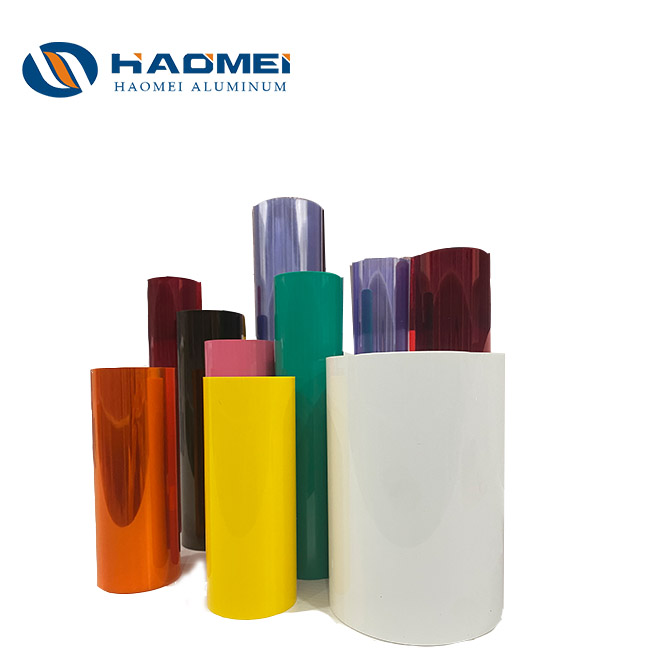 Haomei Aluminum provides different types of aluminum foil and plastic rigid films like PTP aluminum foil, cold forming foil, tropical foil, PVC rigid film, PE/PET film,etc. Best Price! Inquire now.
application
Haomei Aluminum provides different types of aluminum foil and plastic rigid films like PTP aluminum foil, cold forming foil, tropical foil, PVC rigid film, PE/PET film,etc. Best Price! Inquire now.
application
-
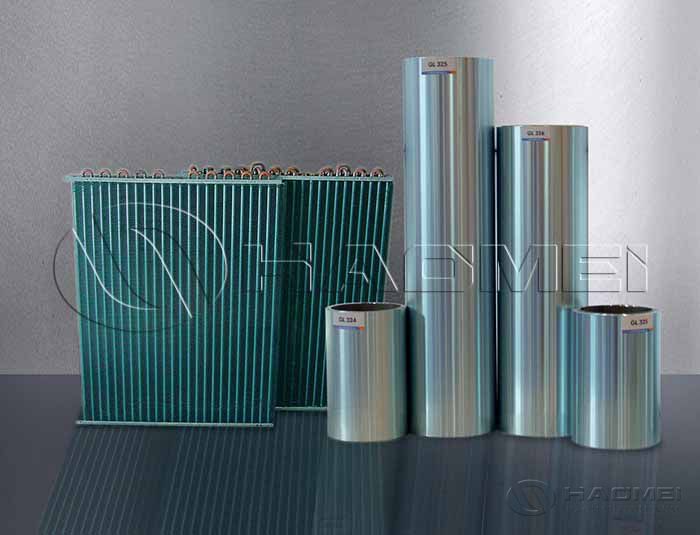 Haomei Aluminum offers you different colors of air conditioner aluminum foil like hydrophilic aluminum foil, including1100/ 3003 /8006/8011 aluminum foil,etc. Learn more.
application
Haomei Aluminum offers you different colors of air conditioner aluminum foil like hydrophilic aluminum foil, including1100/ 3003 /8006/8011 aluminum foil,etc. Learn more.
application
Latest Blog
-
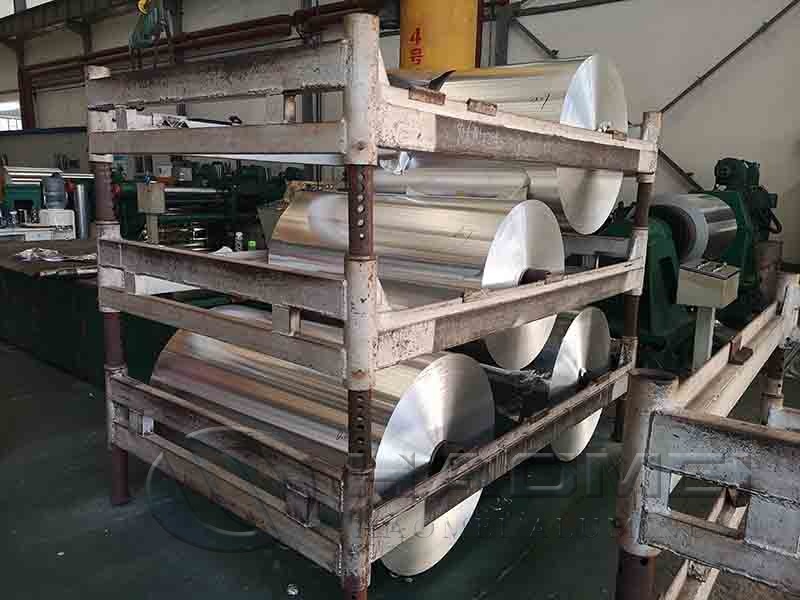 Plan year-end capacitor production with specified aluminum foil: purity, temper, surface controls, test documents, and shipment timing that reduce line risk.
Blog
Plan year-end capacitor production with specified aluminum foil: purity, temper, surface controls, test documents, and shipment timing that reduce line risk.
Blog
-
Where To Find a Reliable Air Conditioner Fin Foil Supplier
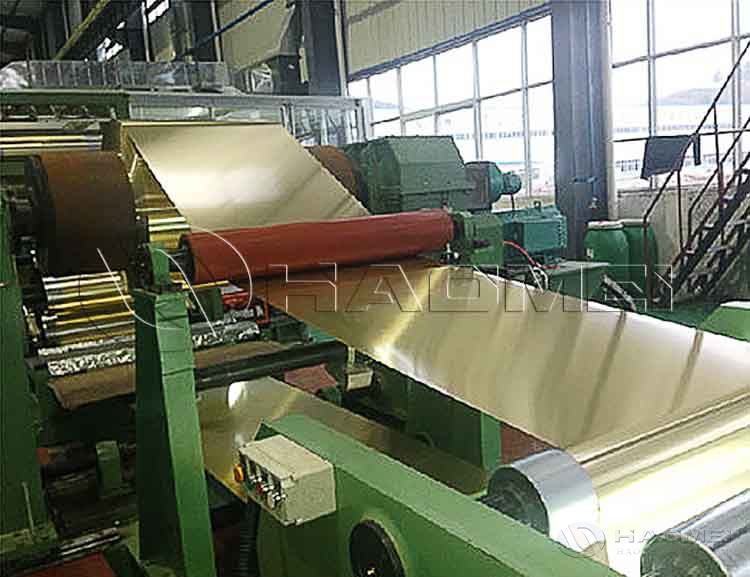 In the competitive HVAC industry, the quality of air conditioner fin stock directly determines the heat exchange efficiency, durability, and energy-saving performance of air conditioning equipment. For manufacturers, distributors, and processing enterpris
Blog
In the competitive HVAC industry, the quality of air conditioner fin stock directly determines the heat exchange efficiency, durability, and energy-saving performance of air conditioning equipment. For manufacturers, distributors, and processing enterpris
Blog
-
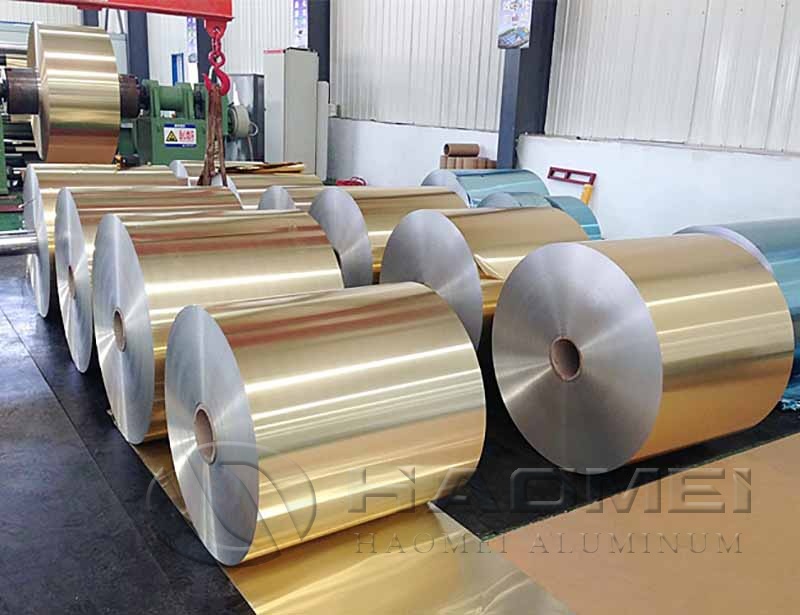 Specify aircon aluminum foil with durable hydrophilic coating: compare alloys, tests, standards, conversion costs, and receiving controls for HVAC fins.
Blog
Specify aircon aluminum foil with durable hydrophilic coating: compare alloys, tests, standards, conversion costs, and receiving controls for HVAC fins.
Blog
-
Aluminium Foil for Air Conditioner
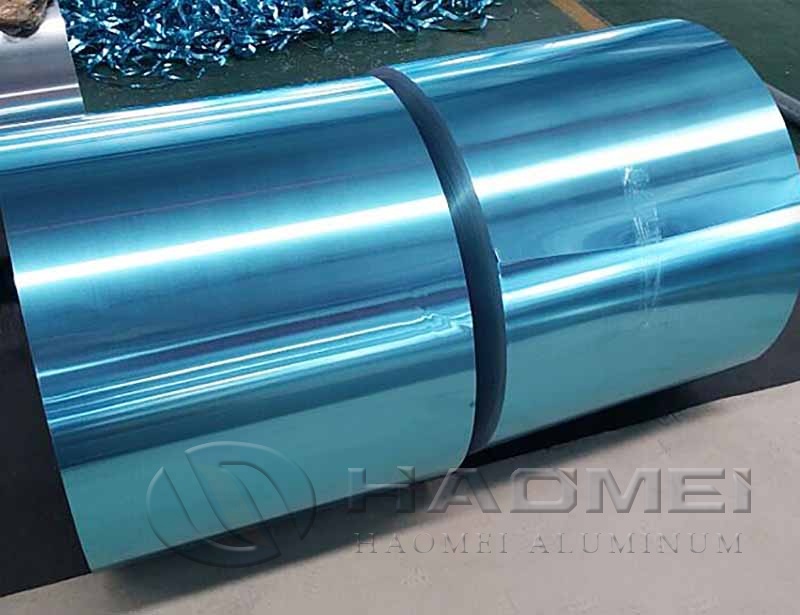 Explore aluminium foil for air conditioner questions on alloy, coating, thickness, and inspection for efficient, durable heat-exchanger fins.
Blog
Explore aluminium foil for air conditioner questions on alloy, coating, thickness, and inspection for efficient, durable heat-exchanger fins.
Blog
-
What Is Food Grade Aluminum Foil Jumbo Roll
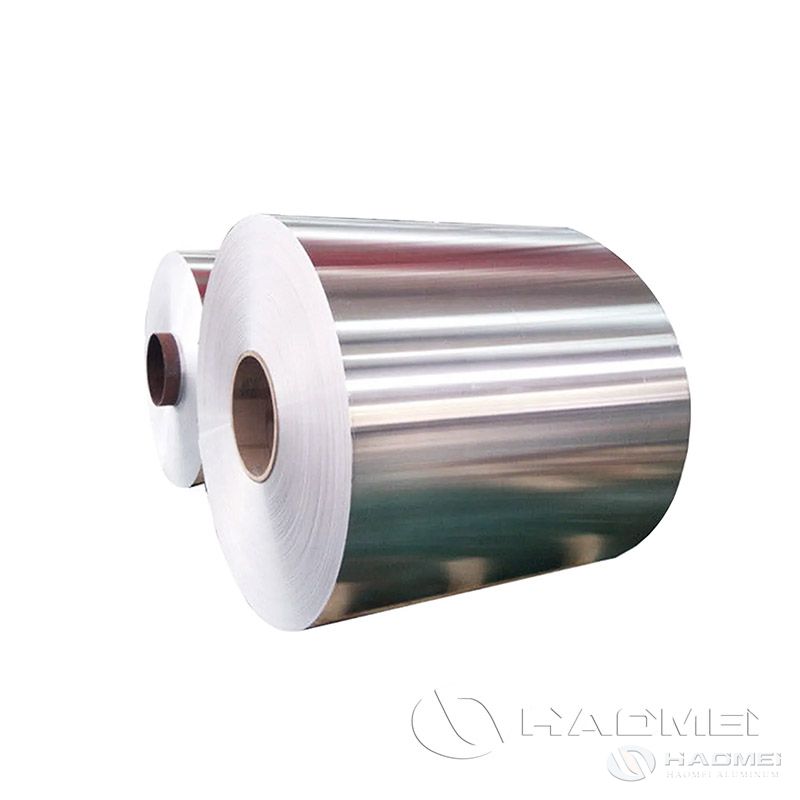 From the aluminum foil used for everyday baking and grilling to the containers used for takeout and the packaging that keeps food fresh, these ubiquitous aluminum foil products all originate from the same core raw material: the food grade aluminum foil ju
Blog
From the aluminum foil used for everyday baking and grilling to the containers used for takeout and the packaging that keeps food fresh, these ubiquitous aluminum foil products all originate from the same core raw material: the food grade aluminum foil ju
Blog

Haomei Aluminum CO., LTD.
Tel/Whatsapp: +86-15978414719
Email: sale@alumhm.com
Website: https://www.alumfoils.com
Xin'an Industrial Assemble Region,Luoyang,Henan Province,China
Office Add: 1103, No.14 Waihuan Road, CBD, Zhengzhou, China