Aluminum Foil Battery
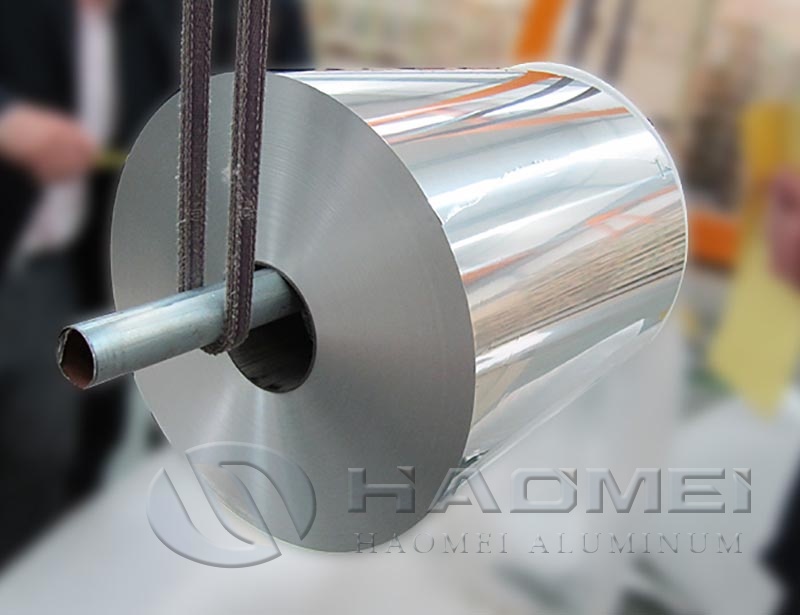
Answers to aluminum foil battery questions on safety, cathode collector use, DIY cells, grades, thickness, and sourcing specs for battery projects today.
Recent English Q&A discussions around the term aluminum foil battery often mix two different topics: household battery tricks and industrial battery-grade aluminum foil. The first is about temporary contact fixes or DIY electrochemistry. The second is about precision metal foil used as a current collector in lithium-ion and other rechargeable battery systems. For manufacturers, electronics developers, and material purchasers, separating these topics helps prevent wrong material choices.

| Hot question people ask | Short answer | Practical concern |
|---|---|---|
| Can aluminum foil fix a battery connection? | Sometimes, only as a temporary contact spacer. | Heat, looseness, and short circuits. |
| Why is aluminum foil used in lithium batteries? | It works as the cathode current collector. | Purity, thickness, surface quality. |
| Can I make a battery with aluminum foil? | Yes, as a science cell, not as a commercial battery. | Low power and unstable performance. |
| Which aluminum foil grade is used for batteries? | 1050, 1060, 1070, 1100, 1235, and some 8xxx alloys appear often. | Conductivity, tensile strength, cleanliness. |
| Is kitchen foil the same as battery foil? | No. | Pinholes, oil residue, thickness tolerance. |
1. Can I use aluminum foil to make a loose battery work?
Yes, aluminum foil can bridge a small gap when a battery spring or terminal no longer touches the cell firmly. This is why the topic appears often in consumer Q&A threads. However, it should only be treated as a short-term emergency measure for low-power devices such as a remote control or flashlight.
The risk is not the aluminum itself, but uncontrolled contact. Folded foil may shift, touch the wrong terminal, or create a short circuit. If the device draws higher current, the contact area may heat up. For commercial products, repair workshops, or equipment maintenance, a proper plated contact, spring replacement, or designed conductive spacer is much safer.
For industrial sourcing, this question also shows why battery foil must be flat, clean, and dimensionally stable. Random household foil cannot replace engineered battery foil in cell assembly.
2. Why do lithium-ion batteries use aluminum foil?
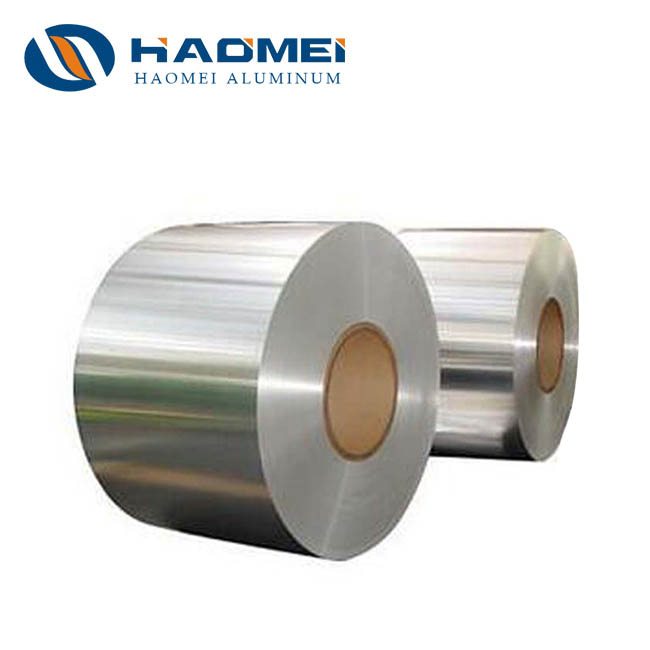
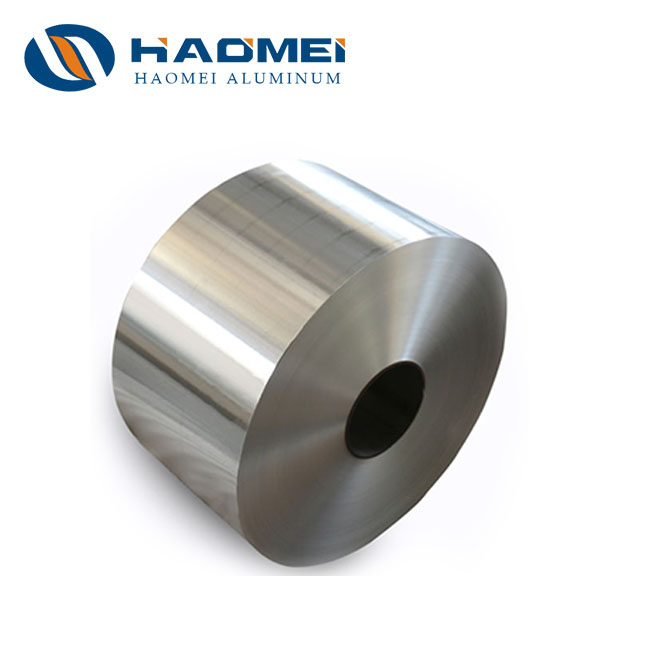
In many lithium-ion cells, aluminum foil is used as the positive electrode current collector. Active cathode material is coated onto the aluminum surface, then dried, calendered, slit, and assembled into the cell. Aluminum is selected because it is light, conductive, corrosion-resistant under cathode operating conditions, and easier to process into very thin gauges.
Copper is usually used on the negative electrode side, while aluminum is commonly used on the positive side. This pairing is not accidental. Aluminum behaves well at the higher voltage of the cathode, while copper is more suitable for the anode environment.
For battery production, the important points are not only alloy name and thickness. Producers also care about surface wetting, oil control, burr level after slitting, pinhole control, tensile strength, elongation, and coil winding quality. Materials such as 1050 Aluminum Foil for Battery and Electronics are often discussed when stable conductivity and clean surface performance are required.
3. Can aluminum foil and a battery start a fire?
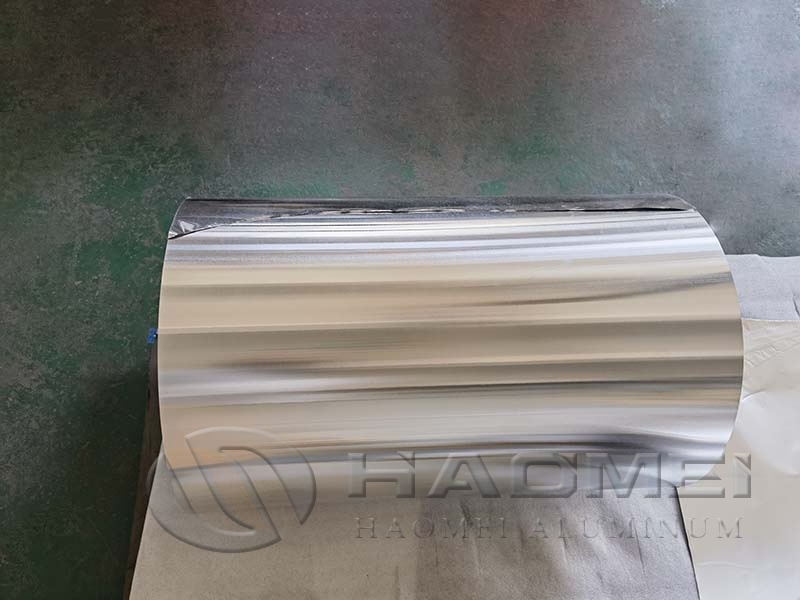
Yes, under the wrong conditions. A small strip of aluminum foil can heat quickly if it connects the positive and negative ends of a battery with little resistance. This is why foil-and-battery fire-starting experiments are popular online. They are also dangerous when repeated without protective control.
The fire risk increases with lithium cells, high-drain batteries, damaged wrappers, and confined spaces. A short circuit can raise temperature rapidly, vent gas, or damage the battery casing. In factories and warehouses, metal foil should be kept away from exposed terminals, charged cells, and mixed battery waste.
For safe handling, battery materials should be packed with insulation, moisture protection, and edge protection. Workers should avoid placing conductive foil scraps near energized test benches. The same caution applies during slitting, trimming, and sample cutting.
4. What aluminum foil thickness is used in batteries?
There is no single thickness for every battery. Lithium-ion cathode collector foil is commonly found in thin gauges, often around 10 to 20 microns, depending on cell design, coating load, strength requirements, and equipment capability. Some applications may use thinner or thicker material.
| Application area | Typical focus | Common material considerations |
|---|---|---|
| Lithium-ion cathode collector | Conductivity and coating adhesion | 10-20 microns, clean surface, low burr |
| Battery tabs or connectors | Strength and weldability | Higher mechanical stability |
| Pouch battery laminate structures | Barrier and formability | Pinholes, surface uniformity |
| Lab research cells | Small-batch consistency | Easy coating and repeatable thickness |
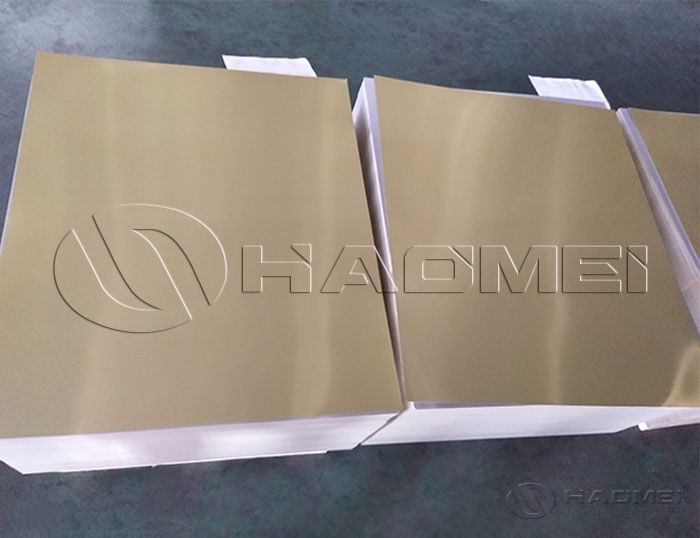
When evaluating supply, ask for thickness tolerance, width tolerance, surface oil level, mechanical properties, wettability, and test reports. A shiny surface alone does not prove battery suitability. For some designs, 1235 Aluminum Foil Battery and Tape can be considered where high purity and flexible processing are needed.
5. Is kitchen aluminum foil suitable for battery experiments or production?
Kitchen foil can be used for simple classroom demonstrations, such as a saltwater cell with aluminum and another metal. It helps explain oxidation, electron flow, and voltage generation. But it is not suitable for repeatable battery development or production.
Household foil may contain lubricant residue, uneven thickness, wrinkles, pinholes, and uncertain alloy composition. It is made for food wrapping and heat transfer, not for electrode coating or high-speed battery processing. In coating trials, these defects may cause poor adhesion, uneven current distribution, tearing, or unstable test data.
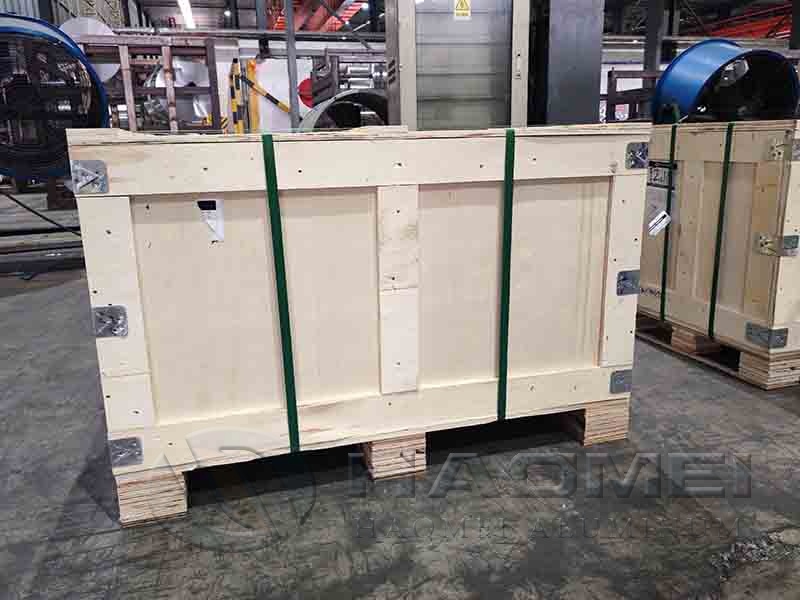
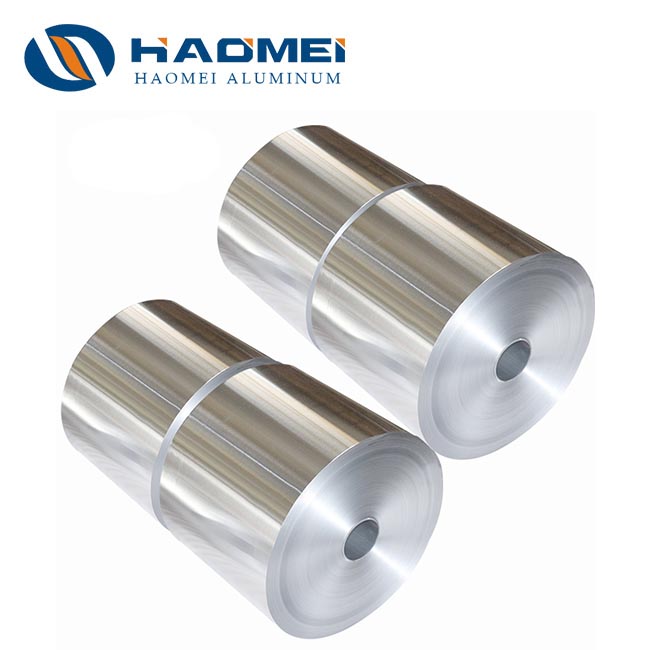
For technical purchasing, a better request includes alloy, temper, thickness, width, roll inner diameter, roll outer diameter, maximum joints, surface treatment, packing method, and inspection standards.
| Specification item | Why it matters for battery use |
|---|---|
| Alloy and temper | Affects conductivity, strength, and forming behavior. |
| Thickness tolerance | Influences energy density and coating uniformity. |
| Surface cleanliness | Supports slurry coating and adhesion. |
| Pinhole level | Reduces failure risk in thin material. |
| Edge quality | Limits burr-related short circuits. |
| Roll winding | Supports stable unwinding on coating lines. |
A useful supplier conversation should focus on real processing conditions: coating speed, drying temperature, tension range, slitting width, and storage environment. This approach is more reliable than asking only whether a product is battery foil.


- Aluminum Foil for Packaging and CookingJan 30, 2024
Aluminum flexible foil for packaging and household aluminum foil is two kinds of aluminum foils. 8021 is a mai...
- Food Tray FoilMar 25, 2026
Food tray foil article covering alloy selection, tempers, compliance, cost drivers, supply checks, and sourcin...
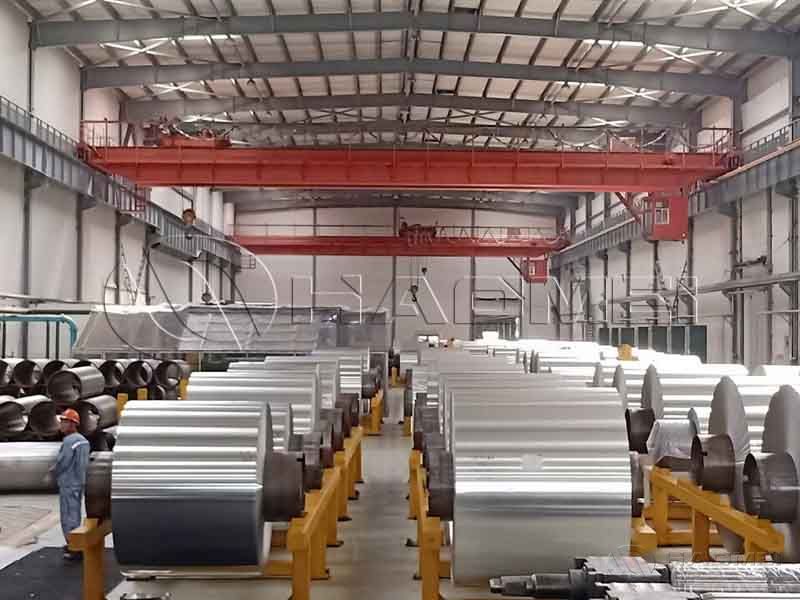
- 3003, 8011 and 8006 Aluminum Foil for Food Container MakingAug 26, 2026
As food packaging evolves toward lightweight, eco-friendly, and premium designs, aluminum foil—valued for bein...
- Aluminum Foil for Lithium Ion BatteryApr 29, 2026
Compare alloys, gauges, surface rules and cost drivers for aluminum foil for lithium ion battery cathode colle...
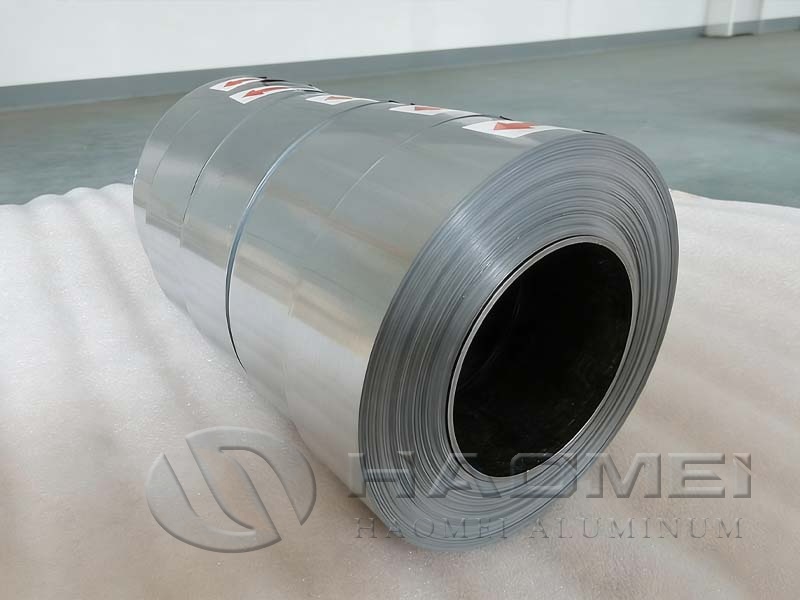
- Battery and Aluminum FoilJun 10, 2026
Battery and aluminum foil sourcing plan for holiday electronics: compare 1235/1050 specs, QC steps, compliance...
Inquiry
Products Category
Latest Application
-
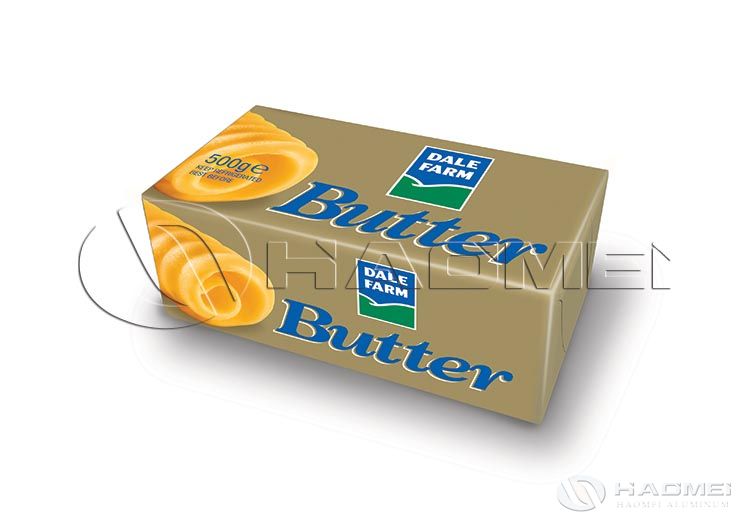 Why butter aluminum foil is neededButter aluminum foil blocks oxygen, moisture, and light, effectively preventing butter from oxidizing and spoiling, preserving nutrients, and significantly extending its shelf life. High-end products can see their sh
application
Why butter aluminum foil is neededButter aluminum foil blocks oxygen, moisture, and light, effectively preventing butter from oxidizing and spoiling, preserving nutrients, and significantly extending its shelf life. High-end products can see their sh
application
-
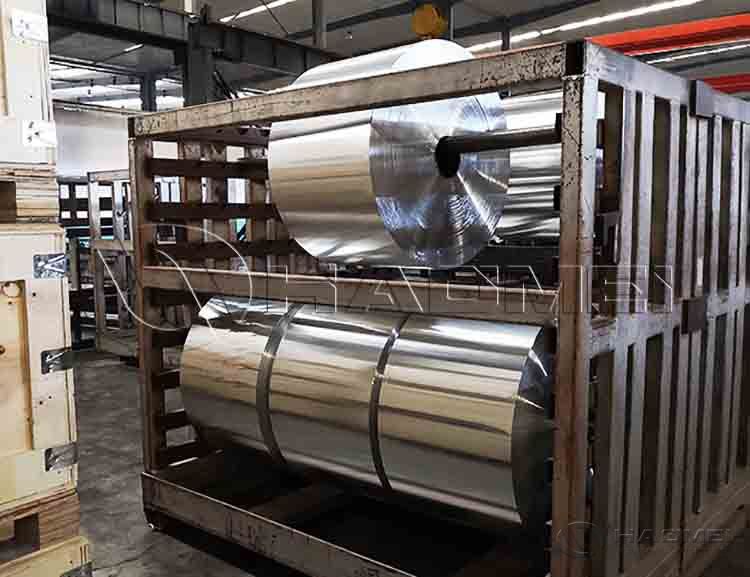 Cables are usually composed of conductors, insulation layers, shielding layers, and sheaths. Aluminum foil for cable is generally located outside the insulation layer as part of the shielding layer. It fits tightly to the surface of the insulation la
application
Cables are usually composed of conductors, insulation layers, shielding layers, and sheaths. Aluminum foil for cable is generally located outside the insulation layer as part of the shielding layer. It fits tightly to the surface of the insulation la
application
-
Aluminum Gold Foil Paper For Chocolate Wrapping
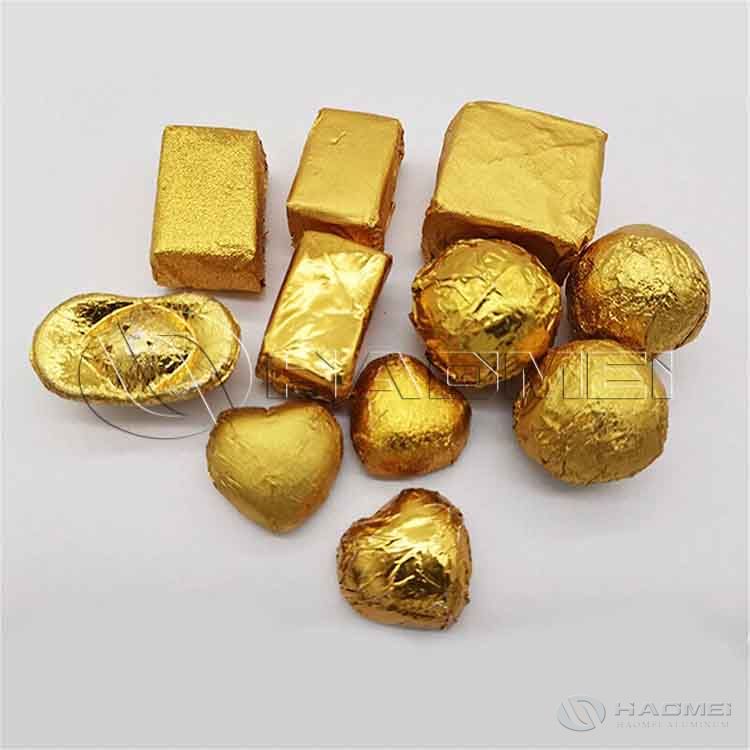 When is aluminum foil used for chocolate wrappingThe use of aluminium foil food for chocolate can be traced back to the early 20th century. In 1911, Swiss candy companies began to wrap chocolate with aluminum foil, gradually replacing the tin foil. T
application
When is aluminum foil used for chocolate wrappingThe use of aluminium foil food for chocolate can be traced back to the early 20th century. In 1911, Swiss candy companies began to wrap chocolate with aluminum foil, gradually replacing the tin foil. T
application
-
PVC Rigid Film and Aluminum Foil for Medicine Packaging
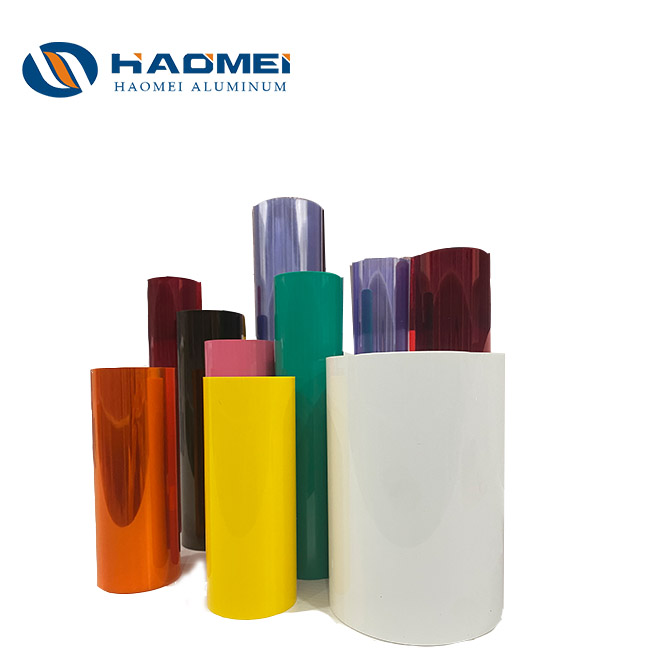 Haomei Aluminum provides different types of aluminum foil and plastic rigid films like PTP aluminum foil, cold forming foil, tropical foil, PVC rigid film, PE/PET film,etc. Best Price! Inquire now.
application
Haomei Aluminum provides different types of aluminum foil and plastic rigid films like PTP aluminum foil, cold forming foil, tropical foil, PVC rigid film, PE/PET film,etc. Best Price! Inquire now.
application
-
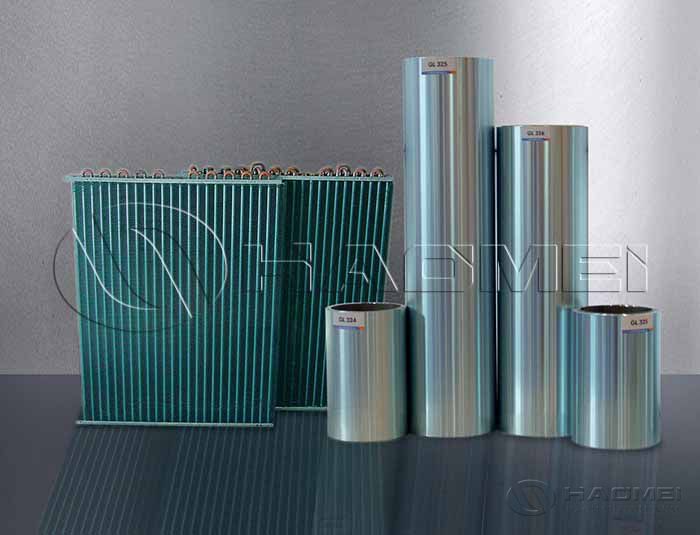 Haomei Aluminum offers you different colors of air conditioner aluminum foil like hydrophilic aluminum foil, including1100/ 3003 /8006/8011 aluminum foil,etc. Learn more.
application
Haomei Aluminum offers you different colors of air conditioner aluminum foil like hydrophilic aluminum foil, including1100/ 3003 /8006/8011 aluminum foil,etc. Learn more.
application
Latest Blog
-
3003, 8011 and 8006 Aluminum Foil for Food Packing
In the food packaging sector, aluminum foil is widely used for products such as composite flexible packaging, containers, meal boxes, sealing lids, and baking packaging due to its excellent barrier properties, light-shielding capabilities, heat resistance Blog
-
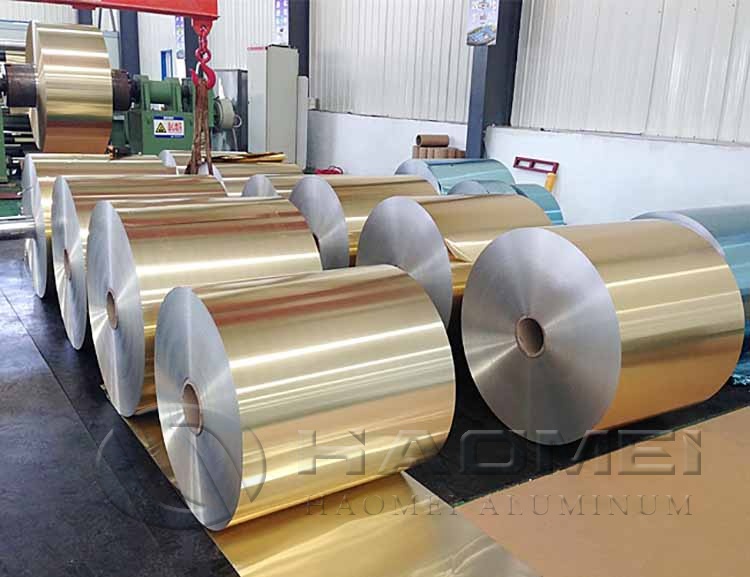 Select air conditioner foil for durable heat-exchanger fins: alloys, hydrophilic coatings, test methods, tolerances, and order specifications for HVAC units.
Blog
Select air conditioner foil for durable heat-exchanger fins: alloys, hydrophilic coatings, test methods, tolerances, and order specifications for HVAC units.
Blog
-
Aluminum Foil Jumbo Roll for Flexible Packaging Laminates
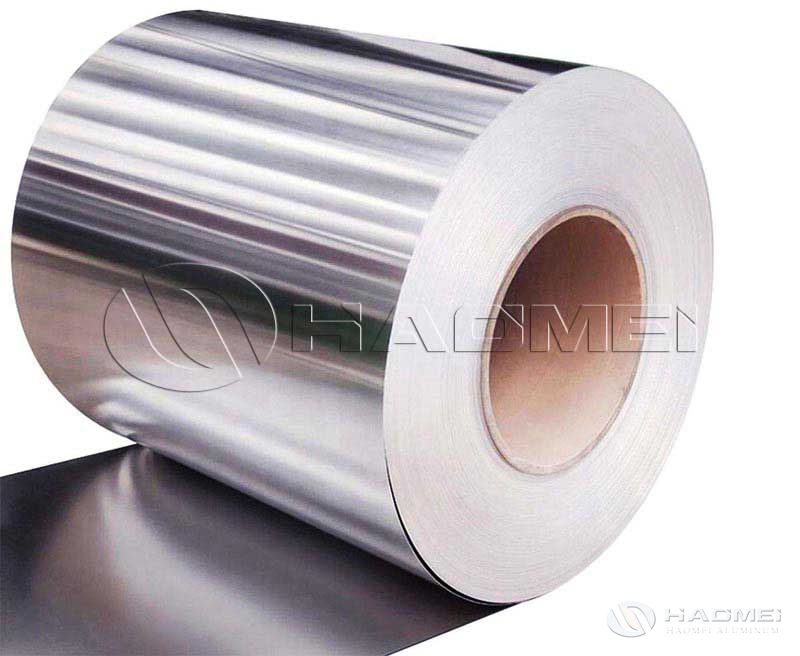 Compare 1235 pure aluminum & 8011 alloy foil jumbo rolls for flexible packaging lamination. Learn their differences in material properties, performance, pros & cons, and key application scenarios to choose the right foil for food, pharmaceutical & consume
Blog
Compare 1235 pure aluminum & 8011 alloy foil jumbo rolls for flexible packaging lamination. Learn their differences in material properties, performance, pros & cons, and key application scenarios to choose the right foil for food, pharmaceutical & consume
Blog
-
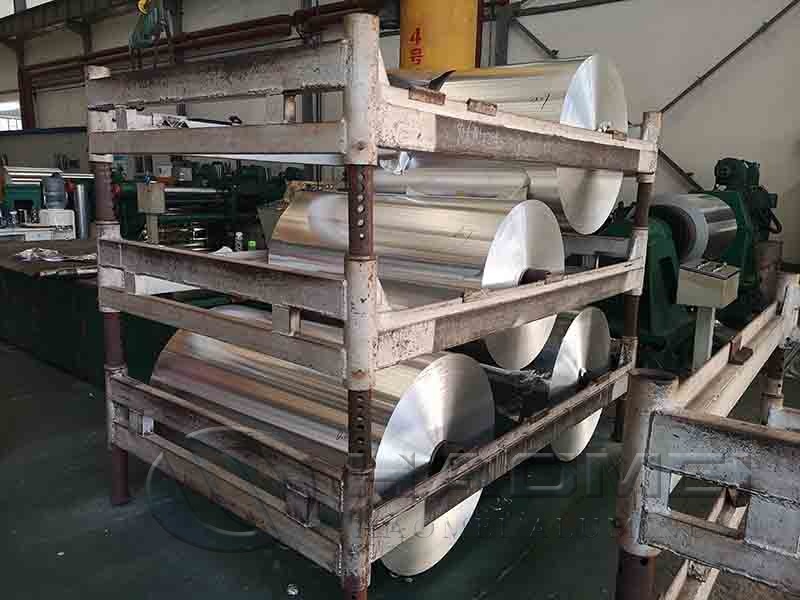 Plan year-end capacitor production with specified aluminum foil: purity, temper, surface controls, test documents, and shipment timing that reduce line risk.
Blog
Plan year-end capacitor production with specified aluminum foil: purity, temper, surface controls, test documents, and shipment timing that reduce line risk.
Blog
-
Where To Find a Reliable Air Conditioner Fin Foil Supplier
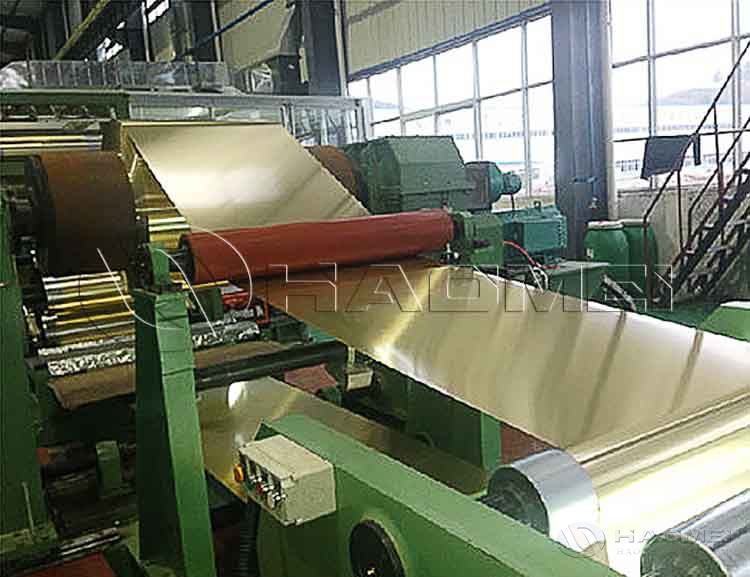 In the competitive HVAC industry, the quality of air conditioner fin stock directly determines the heat exchange efficiency, durability, and energy-saving performance of air conditioning equipment. For manufacturers, distributors, and processing enterpris
Blog
In the competitive HVAC industry, the quality of air conditioner fin stock directly determines the heat exchange efficiency, durability, and energy-saving performance of air conditioning equipment. For manufacturers, distributors, and processing enterpris
Blog

Haomei Aluminum CO., LTD.
Tel/Whatsapp: +86-15978414719
Email: sale@alumhm.com
Website: https://www.alumfoils.com
Xin'an Industrial Assemble Region,Luoyang,Henan Province,China
Office Add: 1103, No.14 Waihuan Road, CBD, Zhengzhou, China