Aluminum or Tin Foil for Capacitor
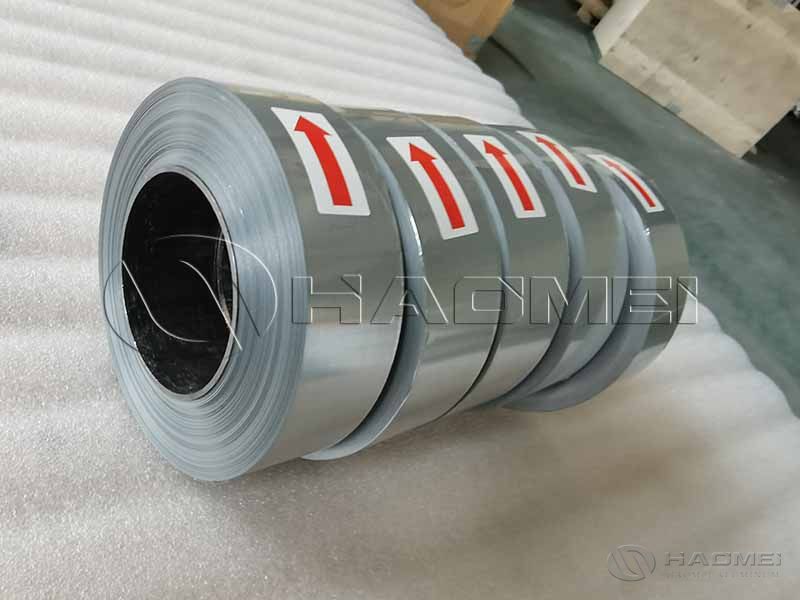
Among the core materials of capacitors, the choice of electrode metal foil is particularly crucial. When metal foil is mentioned, many people first think of tin foil, but in the capacitor manufacturing industry, capacitor aluminum foil has long been the a
Among the core materials of capacitors, the choice of electrode metal foil is particularly crucial. When metal foil is mentioned, many people first think of tin foil, but in the capacitor manufacturing industry, capacitor aluminum foil has long been the absolute mainstream due to its unique advantages.

1. Superior Specific Capacitance
Specific capacitance is a core indicator for measuring capacitor electrode materials, representing the capacitance that a unit mass or volume of material can store. After electrochemical etching and other processes, aluminum foil forms a dense porous structure on its surface, greatly increasing the contact area between the electrode and the electrolyte, thus significantly improving its specific capacitance.
In contrast, tin foil has a relatively dense crystal structure, making it difficult to achieve efficient surface activation through conventional processes. Its specific capacitance is typically only 1/3 to 1/5 that of aluminum foil. For modern capacitors that pursue miniaturization and high capacity, this advantage of aluminum foil directly determines the core competitiveness of the product.
2. More Reliable Electrochemical Stability
During the charging and discharging process, the electrodes of a capacitor are in the chemical environment of the electrolyte for a long time; therefore, the electrochemical stability of the material is crucial. Aluminum rapidly forms a dense alumina film in air. This film not only provides excellent insulation but also effectively prevents further corrosion of the aluminum substrate, providing a natural "protective barrier" for the electrodes.
Tin, on the other hand, has relatively high chemical reactivity and readily undergoes redox reactions in electrolytes, leading to a gradual decline in electrode performance and consequently shortening the capacitor's lifespan. Data shows that capacitors using aluminum foil electrodes typically have a cycle life 3 to 10 times longer than those using tin foil electrodes.
3. Superior Processing Performance
Capacitor metal foil requires multiple precision processing steps, including rolling, slitting, etching, and formation, demanding extremely high processing properties such as ductility and strength. Aluminum foil has excellent ductility, allowing it to be rolled to ultra-thin thicknesses in the micrometer range (down to 0.004 mm) while maintaining good dimensional stability, meeting the production needs of capacitors of various specifications.
While tin foil also possesses some ductility, it is prone to cracking and wrinkling during ultra-thin rolling, resulting in a lower processing yield. Furthermore, aluminum foil offers superior cutting and stamping performance, significantly improving capacitor production efficiency.
4. More Reasonable Cost Control
From a resource reserve perspective, aluminum is one of the most abundant metallic elements in the Earth's crust, with reserves far exceeding tin. This gives aluminum foil a natural advantage in raw material costs. Simultaneously, the mature production process and high output of aluminum foil further reduce unit production costs.
In contrast, tin is a scarce metal, with fluctuating raw material prices and high processing difficulty, resulting in a significantly higher overall cost for tin foil compared to aluminum foil. For capacitor manufacturers producing in bulk, choosing aluminum foil as the electrode material can effectively reduce production costs while ensuring product performance, thereby enhancing market competitiveness.
Capacitor Aluminum Foil Alloys
Capacitor aluminum foil mainly includes 1-series pure aluminum alloys (1060 and 1070), 3-series aluminum alloys (3003 and magnesium-silicon-containing 3-series alloys), 2-series copper-containing aluminum alloys, and high-temperature resistant aluminum alloys containing chromium and zirconium.
1. 1060 and 1070 (1-series pure aluminum foil): Primarily used as the positive electrode foil in aluminum electrolytic capacitors. Its high purity and stable electrochemical performance allow for the formation of a uniform and dense oxide film. It is also suitable for high-frequency circuit capacitors, as its excellent conductivity reduces signal loss.
2. 3003 aluminum foil (3-series aluminum alloy foil containing manganese): The preferred choice for the negative electrode foil in aluminum electrolytic capacitors. Manganese enhances corrosion resistance and optimizes surface corrosion, resulting in a porous structure that significantly improves electrode specific capacitance, meeting the high capacitance requirements of negative electrode foil.
3. 2-series aluminum alloy foil containing copper: Mainly used for film capacitor electrodes. Copper balances conductivity and mechanical strength, solving the strength problem of insufficient pure aluminum foil and meeting the dual requirements of film capacitors for electrodes with "high strength and excellent conductivity."
4. High-temperature resistant aluminum alloy foil containing chromium and zirconium: Suitable for capacitors in high-temperature environments such as automotive electronics and industrial control equipment. Chromium and zirconium enhance thermal stability, ensuring that the electrode maintains stable electrochemical performance and structural integrity under high-temperature conditions.
- What Are Two Popular Uses of 3004 Aluminum FoilApr 15, 2024
3004 aluminum foil has higher hardness and strength than 3003, so it can be used for food container and honeyc...
- Which Bottle Caps Are Aluminum Foil Used ForNov 30, 2022
Aluminum foil for bottle can be used to make different types of bottle caps like medical bottle cap, wine cap,...
- Why Is Hydrophilic Aluminum Foil Used for Air ConditionerDec 06, 2023
The hydrophilic aluminum foil has better heat exchange performance. Its common alloys are 1100, 1145, 3003 and...
- What Role Does BBQ Aluminum Foil PlayApr 14, 2022
BBQ aluminum foil contributes to better cooking effect and clean barbecue. Which side should you use? What the...
- Aluminum or Tin Foil for CapacitorDec 10, 2025
Among the core materials of capacitors, the choice of electrode metal foil is particularly crucial. When metal...
Inquiry
Products Category
Latest Application
-
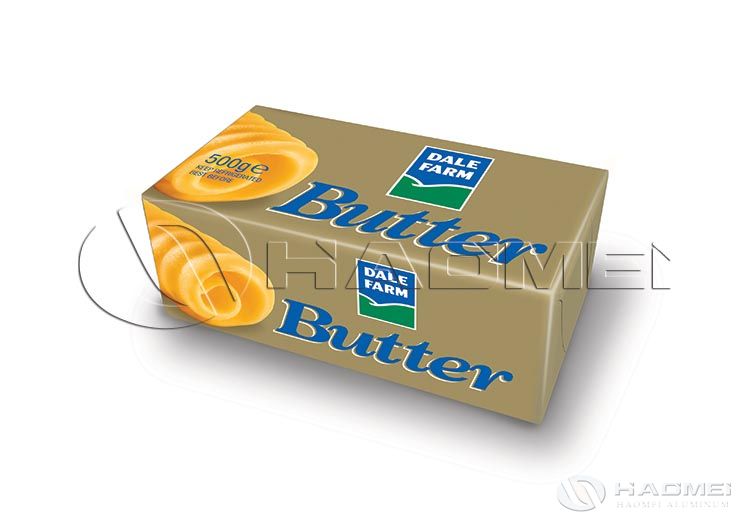 Why butter aluminum foil is neededButter aluminum foil blocks oxygen, moisture, and light, effectively preventing butter from oxidizing and spoiling, preserving nutrients, and significantly extending its shelf life. High-end products can see their sh
application
Why butter aluminum foil is neededButter aluminum foil blocks oxygen, moisture, and light, effectively preventing butter from oxidizing and spoiling, preserving nutrients, and significantly extending its shelf life. High-end products can see their sh
application
-
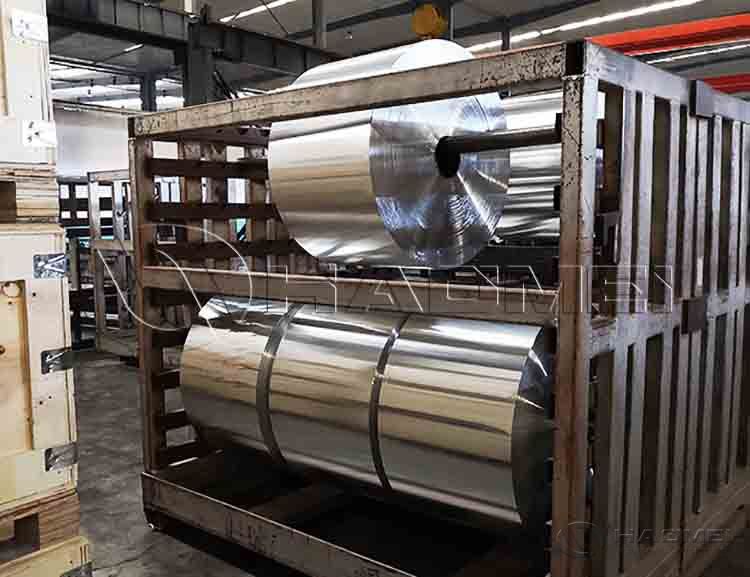 Cables are usually composed of conductors, insulation layers, shielding layers, and sheaths. Aluminum foil for cable is generally located outside the insulation layer as part of the shielding layer. It fits tightly to the surface of the insulation la
application
Cables are usually composed of conductors, insulation layers, shielding layers, and sheaths. Aluminum foil for cable is generally located outside the insulation layer as part of the shielding layer. It fits tightly to the surface of the insulation la
application
-
Aluminum Gold Foil Paper For Chocolate Wrapping
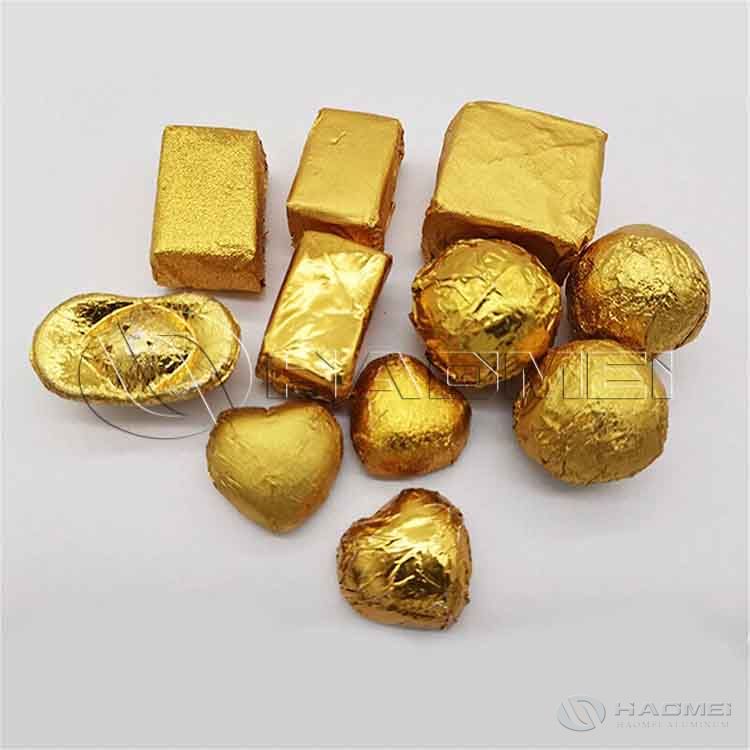 When is aluminum foil used for chocolate wrappingThe use of aluminium foil food for chocolate can be traced back to the early 20th century. In 1911, Swiss candy companies began to wrap chocolate with aluminum foil, gradually replacing the tin foil. T
application
When is aluminum foil used for chocolate wrappingThe use of aluminium foil food for chocolate can be traced back to the early 20th century. In 1911, Swiss candy companies began to wrap chocolate with aluminum foil, gradually replacing the tin foil. T
application
-
PVC Rigid Film and Aluminum Foil for Medicine Packaging
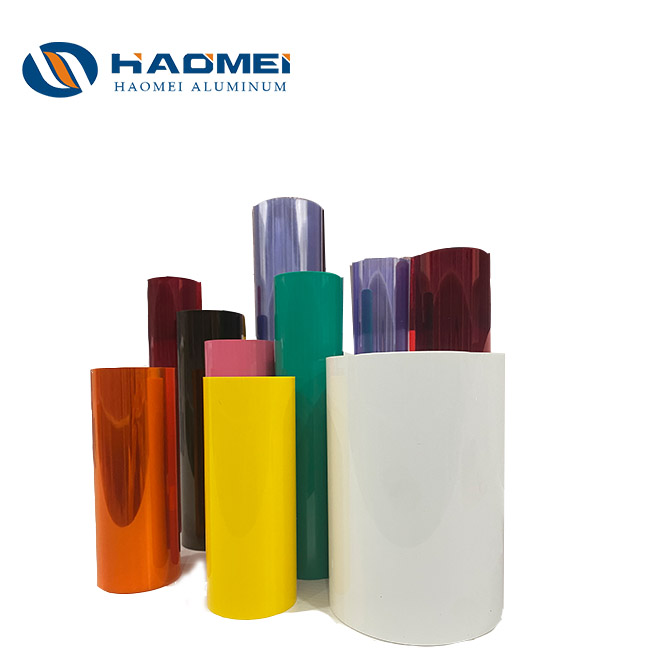 Haomei Aluminum provides different types of aluminum foil and plastic rigid films like PTP aluminum foil, cold forming foil, tropical foil, PVC rigid film, PE/PET film,etc. Best Price! Inquire now.
application
Haomei Aluminum provides different types of aluminum foil and plastic rigid films like PTP aluminum foil, cold forming foil, tropical foil, PVC rigid film, PE/PET film,etc. Best Price! Inquire now.
application
-
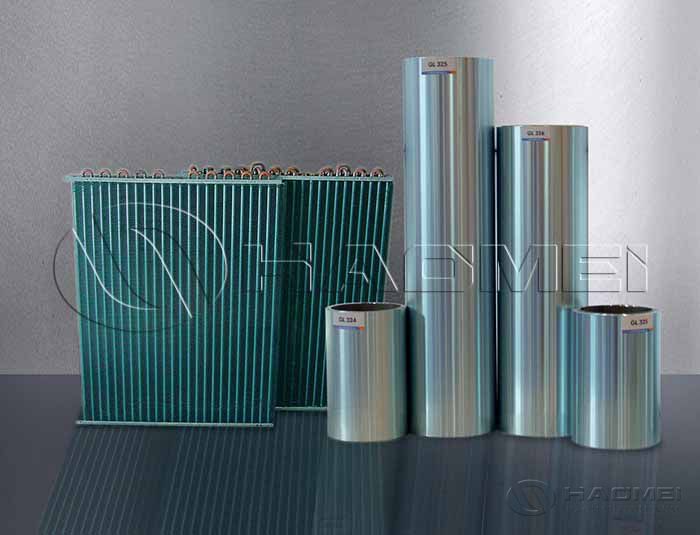 Haomei Aluminum offers you different colors of air conditioner aluminum foil like hydrophilic aluminum foil, including1100/ 3003 /8006/8011 aluminum foil,etc. Learn more.
application
Haomei Aluminum offers you different colors of air conditioner aluminum foil like hydrophilic aluminum foil, including1100/ 3003 /8006/8011 aluminum foil,etc. Learn more.
application
Latest Blog
-
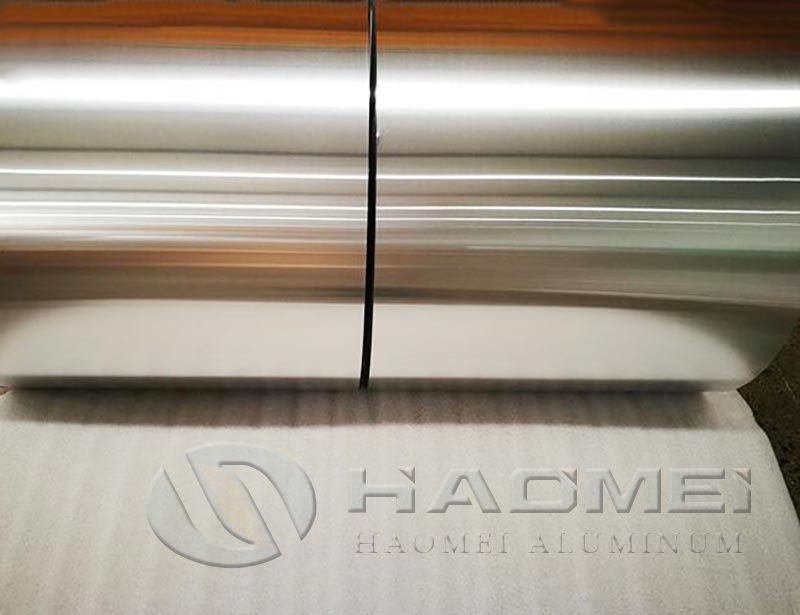 Specify 8011 aluminium foil with practical chemistry, pinhole, temper, testing and packaging checks for reliable food and pharmaceutical conversion.
Blog
Specify 8011 aluminium foil with practical chemistry, pinhole, temper, testing and packaging checks for reliable food and pharmaceutical conversion.
Blog
-
3003, 8011 and 8006 Aluminum Foil for Food Packing
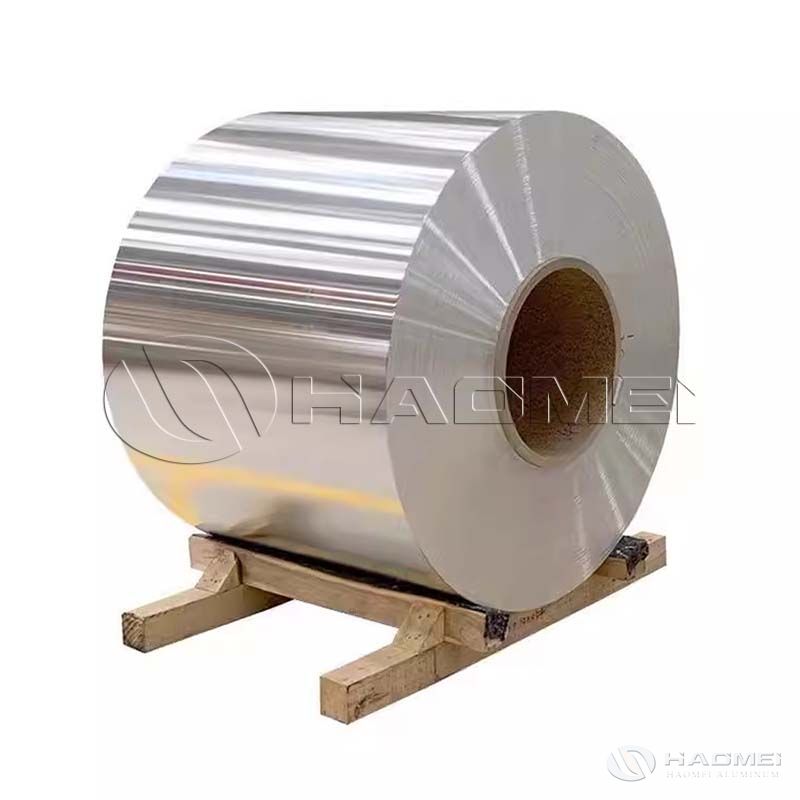 In the food packaging sector, aluminum foil is widely used for products such as composite flexible packaging, containers, meal boxes, sealing lids, and baking packaging due to its excellent barrier properties, light-shielding capabilities, heat resistance
Blog
In the food packaging sector, aluminum foil is widely used for products such as composite flexible packaging, containers, meal boxes, sealing lids, and baking packaging due to its excellent barrier properties, light-shielding capabilities, heat resistance
Blog
-
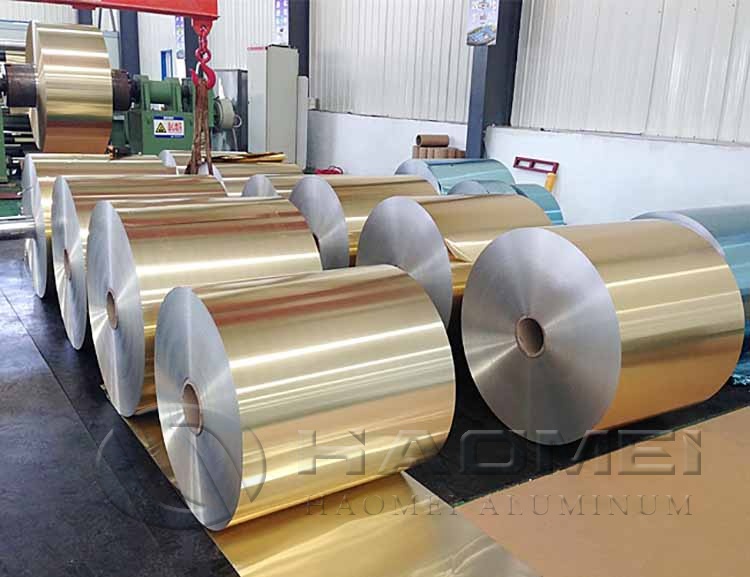 Select air conditioner foil for durable heat-exchanger fins: alloys, hydrophilic coatings, test methods, tolerances, and order specifications for HVAC units.
Blog
Select air conditioner foil for durable heat-exchanger fins: alloys, hydrophilic coatings, test methods, tolerances, and order specifications for HVAC units.
Blog
-
Aluminum Foil Jumbo Roll for Flexible Packaging Laminates
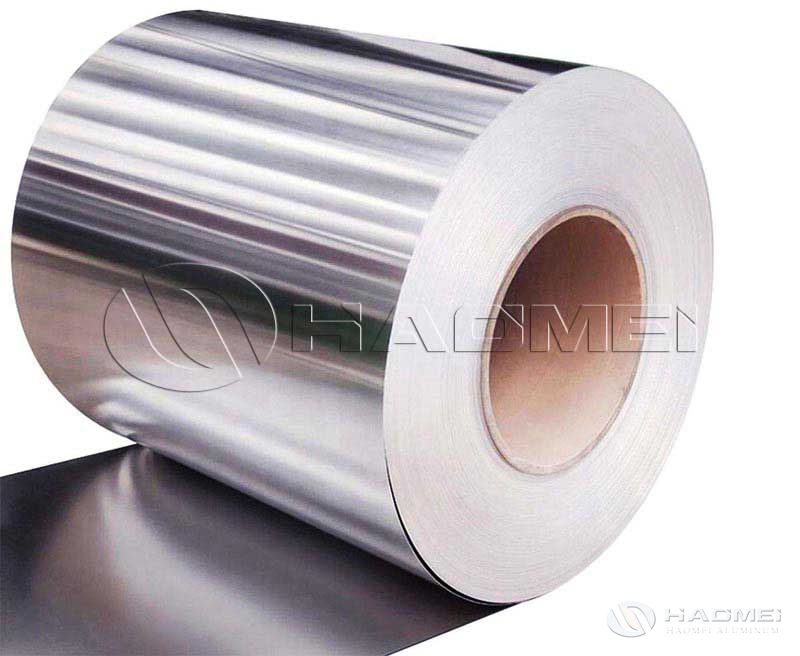 Compare 1235 pure aluminum & 8011 alloy foil jumbo rolls for flexible packaging lamination. Learn their differences in material properties, performance, pros & cons, and key application scenarios to choose the right foil for food, pharmaceutical & consume
Blog
Compare 1235 pure aluminum & 8011 alloy foil jumbo rolls for flexible packaging lamination. Learn their differences in material properties, performance, pros & cons, and key application scenarios to choose the right foil for food, pharmaceutical & consume
Blog
-
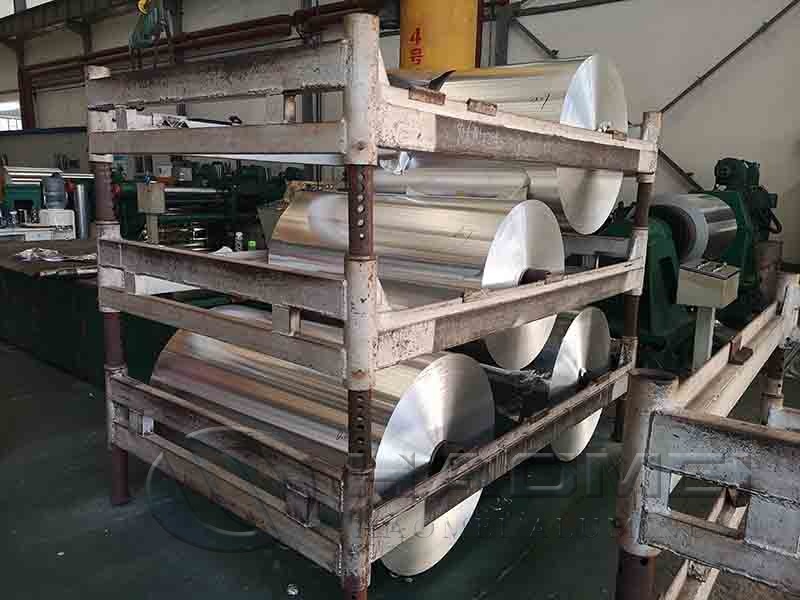 Plan year-end capacitor production with specified aluminum foil: purity, temper, surface controls, test documents, and shipment timing that reduce line risk.
Blog
Plan year-end capacitor production with specified aluminum foil: purity, temper, surface controls, test documents, and shipment timing that reduce line risk.
Blog

Haomei Aluminum CO., LTD.
Tel/Whatsapp: +86-15978414719
Email: sale@alumhm.com
Website: https://www.alumfoils.com
Xin'an Industrial Assemble Region,Luoyang,Henan Province,China
Office Add: 1103, No.14 Waihuan Road, CBD, Zhengzhou, China