Aluminum Foil and Battery
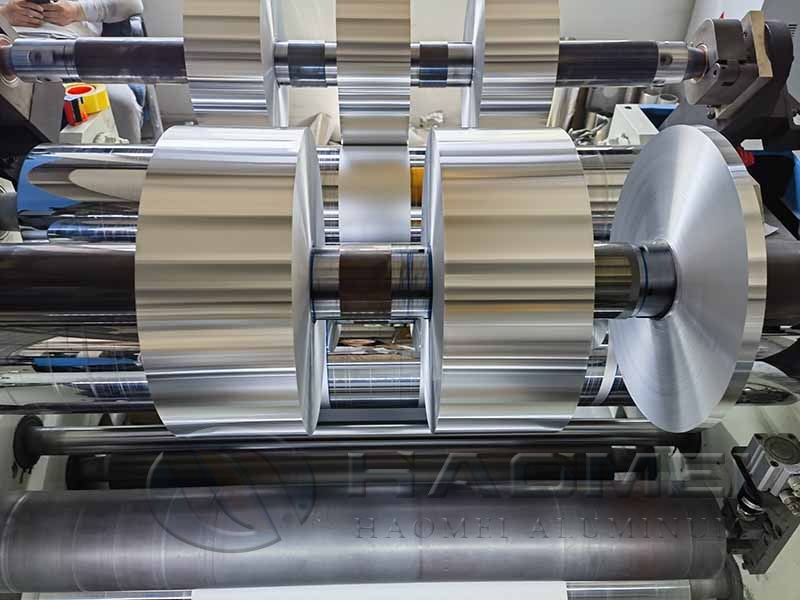
Compare battery aluminum foil grades, surface-cleanliness checks, specs, and EU Battery Regulation points for safer high-volume cell-material purchasing.
Electric-vehicle and energy-storage growth has turned battery-grade aluminum foil from a commodity roll into a controlled electrochemical material. The International Energy Agency reported nearly 14 million electric cars sold in 2023, equal to about 18% of global car sales. That demand raises pressure on cathode current-collector supply, especially for clean, uniform, thin-gauge foil.

Featured concern: surface cleanliness. In lithium-ion cells, aluminum is commonly used as the positive-electrode current collector, while copper is commonly used on the negative electrode. If rolling oil, chloride, metal fines, or oxide dust remain on the foil surface, coating adhesion and internal resistance can become unstable. For purchasing teams, the first commercial risk is not only alloy selection; it is whether the producer can prove cleanliness lot after lot.
Where aluminum foil works in cells
Battery aluminum foil is mainly used as the cathode current collector in lithium-ion and sodium-ion cells. It must conduct current, resist corrosion in the cathode environment, bond with active-material slurry, and run smoothly through high-speed coating and slitting lines.
Typical commercial foil thickness is often 10-20 µm for lithium-ion cathode collectors, while some high-energy designs use thinner gauges after validation. Thinner material can reduce inactive weight, but it also increases the risk of wrinkling, pinholes, edge cracking, and tension instability.
| Application area | Main requirement | Practical risk if uncontrolled |
|---|---|---|
| Cathode current collector | Conductivity, coating adhesion, corrosion resistance | Capacity loss, high impedance, delamination |
| Tab and connection areas | Mechanical integrity, low burr level | Short-circuit risk, welding variation |
| Cell production coating line | Flatness, wetting, tension consistency | Web breaks, coating streaks, scrap |
| Storage before coating | Moisture and contamination control | Oxidation spots, surface energy change |
The European Union Battery Regulation (EU) 2023/1542 has applied since 18 February 2024 and introduces staged requirements covering sustainability, labeling, carbon footprint, recycled content, and due diligence for battery supply chains. It does not replace cell makers' technical specifications, but it makes traceability and documented material control more important.
Alloy and temper selection
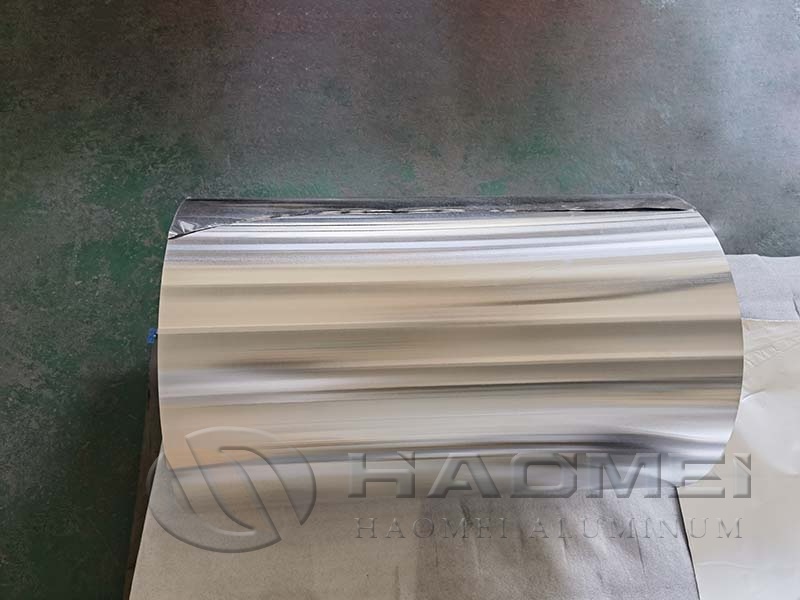
High-purity 1xxx alloys dominate battery current-collector foil because they provide good conductivity and stable rollability. Common options include 1050, 1060, 1070, 1100, and 1235. Exact selection depends on cell chemistry, coating process, strength target, and cost model.
For battery and electronics projects requiring high aluminum purity, 1050 Aluminum Foil for Battery and Electronics is often evaluated where formability and conductivity are prioritized. When very thin foil, tape use, or high-purity processing is required, 1235 Aluminum Foil Battery and Tape can also be considered after process trials.
| Alloy | Aluminum content by designation | Typical value for battery foil | Watch item |
|---|---|---|---|
| 1050 | Minimum 99.50% Al | Good conductivity and formability | Strength may require temper control |
| 1070 | Minimum 99.70% Al | Higher purity, good electrical performance | Cost and availability by width |
| 1100 | Minimum 99.00% Al | Better strength balance in some uses | Copper content must match cell requirements |
| 1235 | Minimum 99.35% Al | Common for thin, high-purity foil | Surface cleanliness and pinhole class |
| 8021 | Al-Fe-Si system | Used in packaging and some battery-related structures | Not the default cathode collector alloy |
Temper is as important as chemistry. H18 or similar hard tempers may support strength and web handling, while softer tempers improve forming but may stretch under coating-line tension. Do not approve temper by name alone. Ask for tensile strength, elongation, yield strength where applicable, and test method. ASTM E345 is a recognized standard for tension testing of metallic foil; EN 546 is widely used for aluminum foil dimensional and mechanical requirements in Europe.
Specification checklist for sourcing and quality control
A professional specification should convert performance needs into measurable acceptance criteria. Use the following checklist before confirming a trial order or annual contract.
| Control point | What to specify | Why it matters |
|---|---|---|
| Thickness | Nominal gauge and tolerance, for example 12 µm ± agreed limit | Controls cell weight, resistance, and coating stability |
| Width and edge | Slit width tolerance, burr limit, edge wave limit | Reduces web breaks and short-circuit risk |
| Surface | Oil residue limit, wetting requirement, no visible stains | Supports slurry adhesion and uniform coating |
| Pinhole level | Maximum pinholes per square meter by size class | Prevents coating defects and local weakness |
| Mechanical properties | Tensile strength, elongation, temper, sampling plan | Confirms runnability on coating machines |
| Conductivity | Agreed method or resistivity target if required | Supports current-collector performance |
| Packaging | Vacuum or moisture-resistant packing, core type, roll direction | Prevents oxidation, dents, and telescoping |
| Documentation | Mill test certificate, traceability, RoHS/REACH statements if applicable | Supports audits and regulated supply chains |
Surface cleanliness deserves direct testing. Request a documented method for residual rolling oil, particles, and wetting behavior. Dyne testing is commonly used as a process-control tool, but the test method and acceptance level should be agreed in writing because methods developed for polymer films are not automatically equivalent for metal foil.
For incoming inspection, use a simple four-step routine:
Check roll labels against the purchase specification, including alloy, temper, gauge, width, net weight, and production batch.
Inspect outer wraps for moisture, dents, crushed cores, telescoping, and edge damage before opening.
Test thickness, width, tensile properties, surface appearance, and pinholes on retained samples from defined roll positions.
Run a small coating trial and record adhesion, streaks, web tension, break frequency, and drying behavior before releasing full production.
Pricing should be transparent. Aluminum foil contracts commonly combine a published aluminum reference, such as the London Metal Exchange aluminum price, with a conversion charge. The conversion charge changes with gauge, width, slit precision, surface class, pinhole requirements, packaging, order volume, and inspection level. Battery-grade foil usually costs more than standard packaging foil because tight thickness tolerance, cleaner surfaces, narrower defects, and traceability add processing cost.
Before approval, ask the mill for recent capability data rather than a single best sample. Useful evidence includes statistical process control for thickness, oil residue trend records, pinhole inspection records, tensile-property distribution, and customer-return history for coating defects. If the supplier cannot provide stable data, increase incoming inspection frequency and limit the first production release to validated rolls only.
Maintain storage at controlled temperature and humidity, keep rolls sealed until use, and avoid bringing cold rolls directly into a warm coating room where condensation can form. Record opening time, room conditions, and remaining roll resealing practice. These small controls protect the most important product feature in battery aluminum foil: a clean, uniform surface ready for reliable electrode coating.

- Is Aluminium Foil Good for Food PackagingMay 25, 2023
The flexible packaging aluminum foil is an important material for safe packaging of food, beverage and medicin...
- Aluminum Foil Specification for Food ContainerMar 04, 2026
Container aluminum foil for trays and pans: learn alloy choices, tempers, thickness, coatings, forming perform...
- Battery Aluminum FoilMar 11, 2026
Professional checklist for battery aluminum foil: standards, key tests, typical grades, defect limits, and rec...
- Aluminium Foil PackagingJun 24, 2026
Aluminium foil packaging standards, pinhole testing, alloy selection and ordering checks for food, lidding, bl...
- Why Medicines Are Packed in Aluminium FoilSep 16, 2022
The aluminium foil for pharmaceutical packaging protects the medicines from all influences until it is consume...
Inquiry
Products Category
Latest Application
-
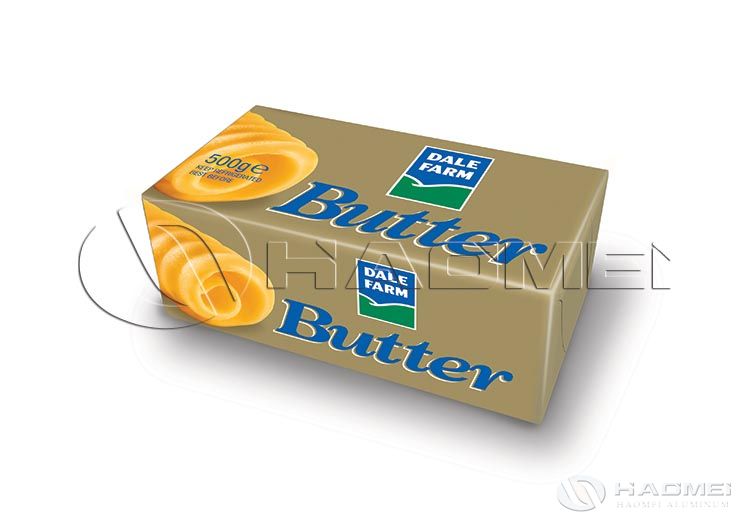 Why butter aluminum foil is neededButter aluminum foil blocks oxygen, moisture, and light, effectively preventing butter from oxidizing and spoiling, preserving nutrients, and significantly extending its shelf life. High-end products can see their sh
application
Why butter aluminum foil is neededButter aluminum foil blocks oxygen, moisture, and light, effectively preventing butter from oxidizing and spoiling, preserving nutrients, and significantly extending its shelf life. High-end products can see their sh
application
-
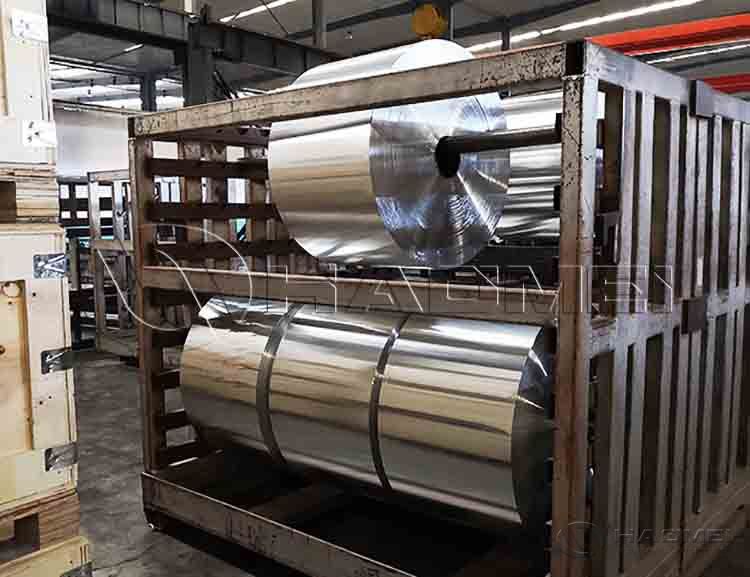 Cables are usually composed of conductors, insulation layers, shielding layers, and sheaths. Aluminum foil for cable is generally located outside the insulation layer as part of the shielding layer. It fits tightly to the surface of the insulation la
application
Cables are usually composed of conductors, insulation layers, shielding layers, and sheaths. Aluminum foil for cable is generally located outside the insulation layer as part of the shielding layer. It fits tightly to the surface of the insulation la
application
-
Aluminum Gold Foil Paper For Chocolate Wrapping
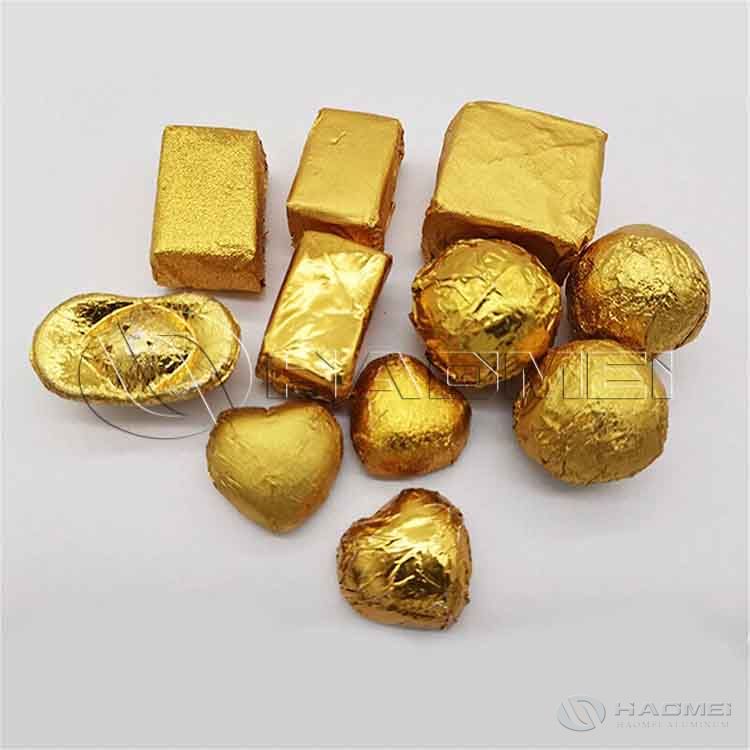 When is aluminum foil used for chocolate wrappingThe use of aluminium foil food for chocolate can be traced back to the early 20th century. In 1911, Swiss candy companies began to wrap chocolate with aluminum foil, gradually replacing the tin foil. T
application
When is aluminum foil used for chocolate wrappingThe use of aluminium foil food for chocolate can be traced back to the early 20th century. In 1911, Swiss candy companies began to wrap chocolate with aluminum foil, gradually replacing the tin foil. T
application
-
PVC Rigid Film and Aluminum Foil for Medicine Packaging
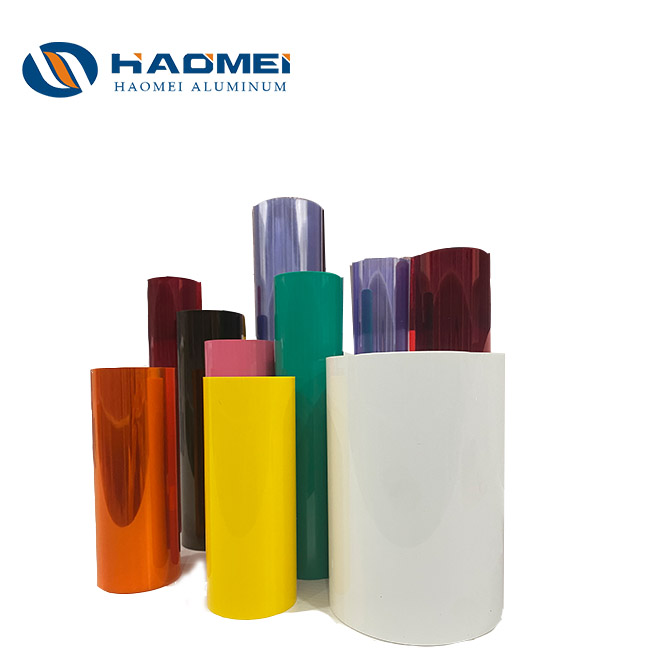 Haomei Aluminum provides different types of aluminum foil and plastic rigid films like PTP aluminum foil, cold forming foil, tropical foil, PVC rigid film, PE/PET film,etc. Best Price! Inquire now.
application
Haomei Aluminum provides different types of aluminum foil and plastic rigid films like PTP aluminum foil, cold forming foil, tropical foil, PVC rigid film, PE/PET film,etc. Best Price! Inquire now.
application
-
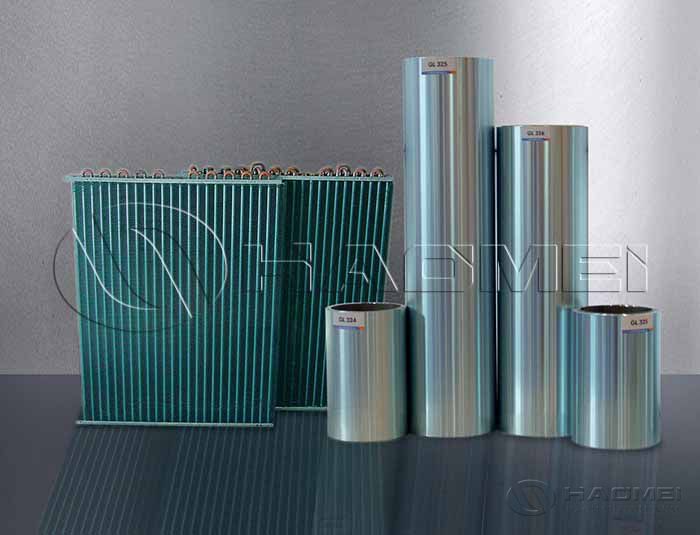 Haomei Aluminum offers you different colors of air conditioner aluminum foil like hydrophilic aluminum foil, including1100/ 3003 /8006/8011 aluminum foil,etc. Learn more.
application
Haomei Aluminum offers you different colors of air conditioner aluminum foil like hydrophilic aluminum foil, including1100/ 3003 /8006/8011 aluminum foil,etc. Learn more.
application
Latest Blog
-
 Plan year-end capacitor production with specified aluminum foil: purity, temper, surface controls, test documents, and shipment timing that reduce line risk.
Blog
Plan year-end capacitor production with specified aluminum foil: purity, temper, surface controls, test documents, and shipment timing that reduce line risk.
Blog
-
Where To Find a Reliable Air Conditioner Fin Foil Supplier
 In the competitive HVAC industry, the quality of air conditioner fin stock directly determines the heat exchange efficiency, durability, and energy-saving performance of air conditioning equipment. For manufacturers, distributors, and processing enterpris
Blog
In the competitive HVAC industry, the quality of air conditioner fin stock directly determines the heat exchange efficiency, durability, and energy-saving performance of air conditioning equipment. For manufacturers, distributors, and processing enterpris
Blog
-
 Specify aircon aluminum foil with durable hydrophilic coating: compare alloys, tests, standards, conversion costs, and receiving controls for HVAC fins.
Blog
Specify aircon aluminum foil with durable hydrophilic coating: compare alloys, tests, standards, conversion costs, and receiving controls for HVAC fins.
Blog
-
Aluminium Foil for Air Conditioner
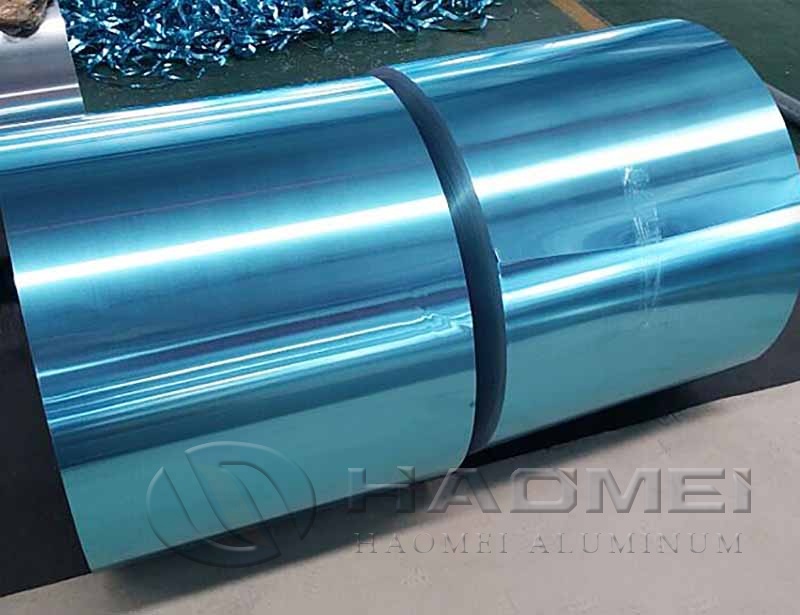 Explore aluminium foil for air conditioner questions on alloy, coating, thickness, and inspection for efficient, durable heat-exchanger fins.
Blog
Explore aluminium foil for air conditioner questions on alloy, coating, thickness, and inspection for efficient, durable heat-exchanger fins.
Blog
-
What Is Food Grade Aluminum Foil Jumbo Roll
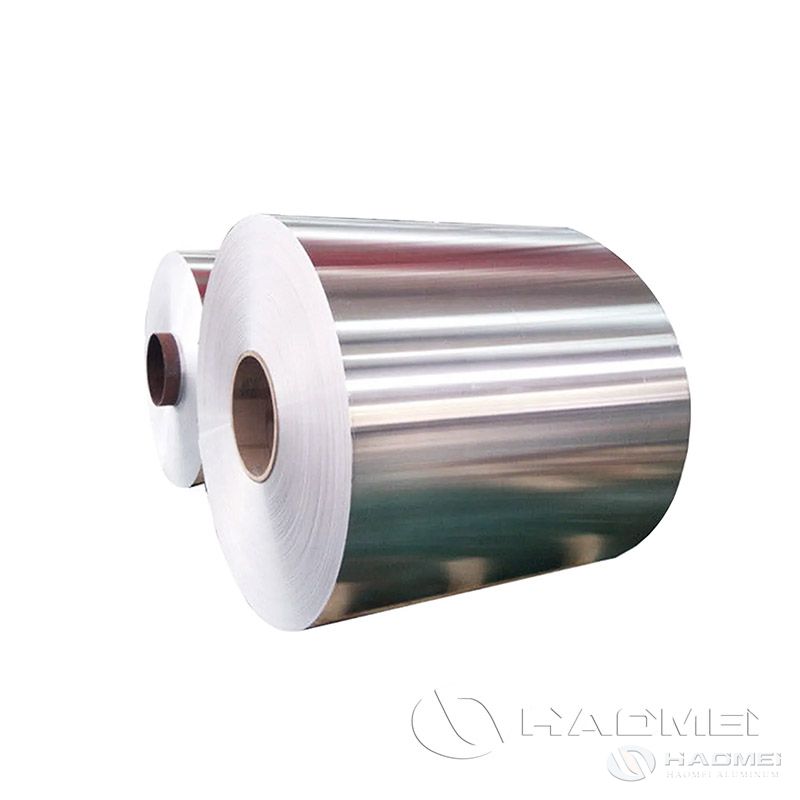 From the aluminum foil used for everyday baking and grilling to the containers used for takeout and the packaging that keeps food fresh, these ubiquitous aluminum foil products all originate from the same core raw material: the food grade aluminum foil ju
Blog
From the aluminum foil used for everyday baking and grilling to the containers used for takeout and the packaging that keeps food fresh, these ubiquitous aluminum foil products all originate from the same core raw material: the food grade aluminum foil ju
Blog

Haomei Aluminum CO., LTD.
Tel/Whatsapp: +86-15978414719
Email: sale@alumhm.com
Website: https://www.alumfoils.com
Xin'an Industrial Assemble Region,Luoyang,Henan Province,China
Office Add: 1103, No.14 Waihuan Road, CBD, Zhengzhou, China