Aluminium Foil Packaging
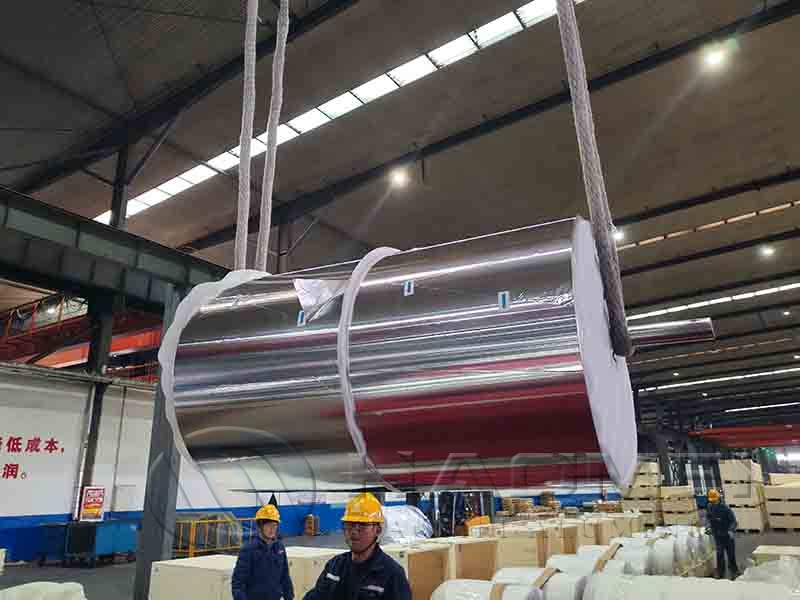
Aluminium foil packaging standards, pinhole testing, alloy selection and ordering checks for food, lidding, blister and container applications.
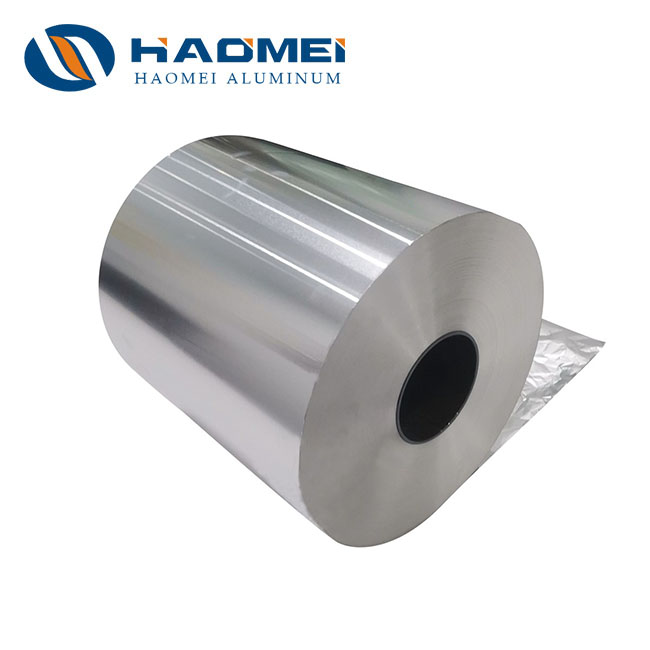
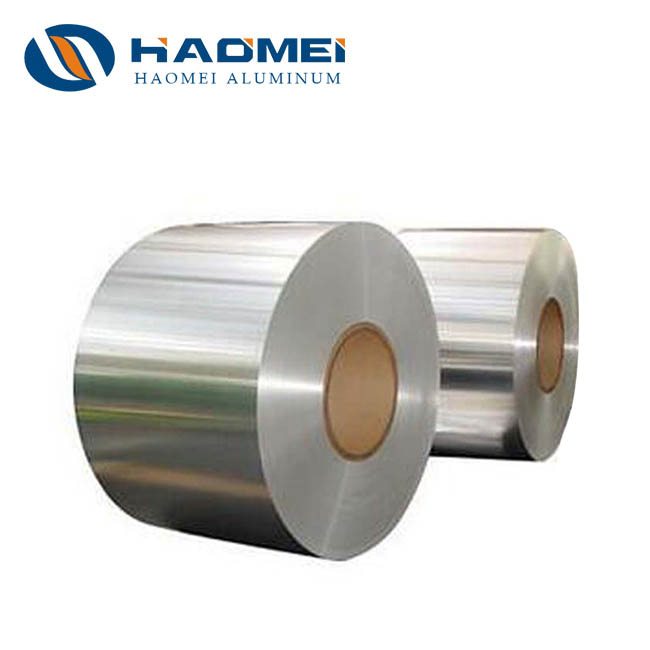
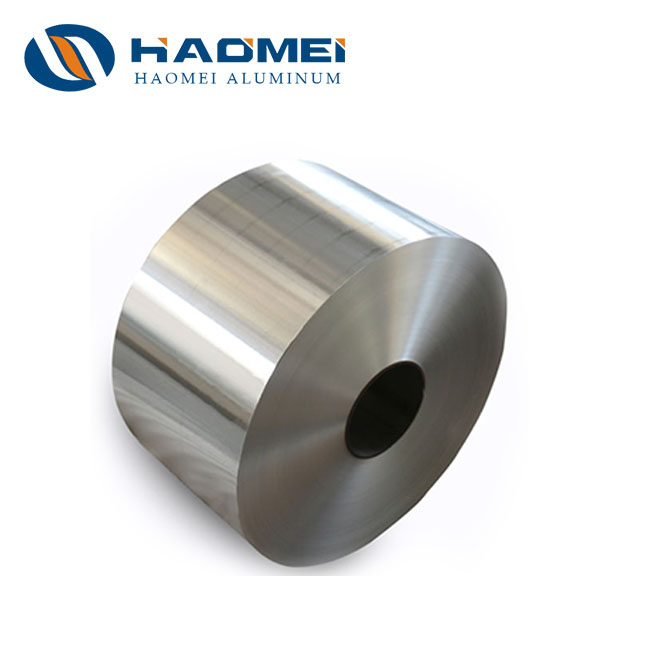
Aluminium foil packaging is selected when products need a thin, formable barrier against light, aroma loss, oxygen and moisture. For procurement teams, the main risk is not only alloy price. The top concern is pinhole control, because pinholes can turn a nominally high-barrier material into a weak package after printing, lamination, forming or sealing.

A practical specification should connect end use, alloy, temper, thickness, surface condition, food-contact compliance and inspection method. The following points help reduce disputes at receiving inspection and during packing-line trials.
Standards and compliance to put on the purchase specification
Use recognized standards as the inspection language. They do not replace your drawing, but they define terms, tolerances and test expectations.
| Requirement area | Common reference | What to define in the order |
|---|---|---|
| General foil delivery | EN 546-1 | Inspection documents, delivery condition, sampling and acceptance rules |
| Mechanical properties | EN 546-2 | Temper, tensile strength, elongation, bend or formability needs |
| Dimensional tolerances | EN 546-3 | Thickness, width, camber, reel outer diameter, core size |
| Special properties | EN 546-4 | Pinholes, wettability, surface condition, corrosion-related requirements |
| Flexible barrier foil | ASTM B479 | Annealed aluminium and aluminium-alloy foil for barrier and food-contact applications |
| Food contact, EU | Regulation (EC) No 1935/2004 and Regulation (EC) No 2023/2006 | Declaration of compliance, traceability, GMP production controls |
| Food contact, China | GB 4806.9 for metal materials and articles | Migration and safety compliance for food-contact metal articles |
| Coated or lacquered structures | Relevant coating rules, such as FDA 21 CFR 175.300 for resinous and polymeric coatings in the US | Coating chemistry, intended food type, temperature and contact time |
For uncoated household wrap, food tray stock or laminated snack-pack material, request a certificate of analysis showing alloy, temper, thickness and mechanical results. For direct food contact, request a declaration stating the intended contact conditions, not just food grade wording.
Alloy and temper selection by application
Aluminium foil alloys are selected for formability, strength, sealing compatibility and conversion performance. Pureer 1xxx grades offer high conductivity and softness, while 8xxx and 3xxx grades are widely used for packaging because they balance strength and processing stability.
| Application | Typical alloy choices | Typical temper | Procurement notes |
|---|---|---|---|
| Flexible food packs, sachets, wraps | 8011, 8079, 8021 | O, H18 depending on process | Prioritize pinhole limit, clean surface and lamination adhesion |
| Dairy lidding, cup sealing, coffee capsules | 8011, 8079 | O or H temper | Check heat-seal lacquer compatibility and burst strength |
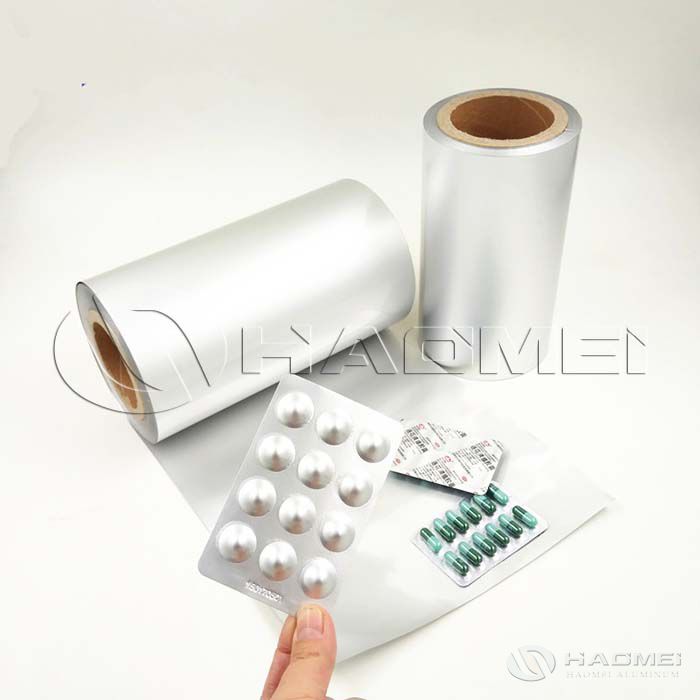
| Pharmaceutical blister lidding | 8011, 8021 | H18 or hard temper | Require strict pinhole control, printability and regulated coating data |
| Semi-rigid food containers and trays | 3003, 3004, 8006 | H22, H24, O | Focus on earing, wall thinning, wrinkle resistance and oven suitability |
| Household foil rolls | 8011, 1235 | O | Confirm rewinding quality, edge condition and roll cleanliness |
For common food wrap and laminated packs, 8011 Aluminum Foil Food for Packaging is often specified because it combines formability, moderate strength and stable conversion performance. For wrinkle-resistant trays and meal containers, 8006 Aluminium Foil for Container is a practical option when higher container strength and shape retention are needed.
Pinhole control: the feature that protects barrier performance
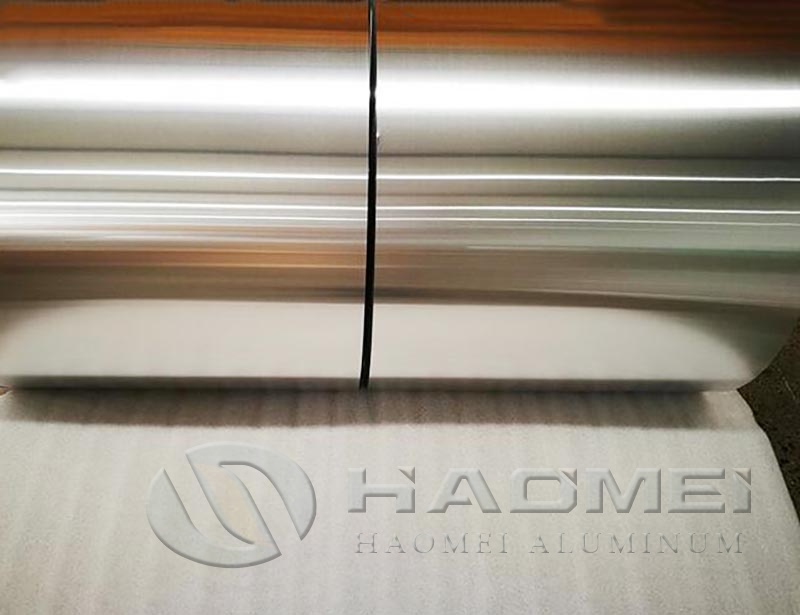
A continuous aluminium layer is effectively opaque and highly resistant to gas and water-vapor transmission. In real packaging, especially at low gauges, pinholes become the limiting factor. A thinner gauge may reduce material cost, but if pinhole density rises, shelf life, aroma retention and leakage resistance may fail.
Define pinholes with measurable acceptance criteria:
| Item to specify | Why it matters | Recommended wording approach |
|---|---|---|
| Inspection method | Different light-box settings can produce different results | State EN 546-4, ASTM B479 or an agreed internal method |
| Size threshold | Tiny light points and larger holes have different barrier impact | Define reportable pinhole diameter classes |
| Maximum count | Converts visual defects into an accept/reject rule | Set maximum count per square meter or per agreed inspection area |
| Gauge range | Lower thickness usually has higher pinhole risk | Do not copy limits from 20 micron material to 6 micron material |
| Converted structure | Lamination may mask or expose defects | Test both bare foil and final laminate where shelf life is critical |
Practical thickness decisions should balance cost and risk:
| Thickness range | Common use | Pinhole and handling risk |
|---|---|---|
| 6-9 micron | High-yield flexible laminates | Highest pinhole sensitivity; needs tight converter process control |
| 10-20 micron | Food wraps, sachets, general laminates | Balanced cost and barrier for many dry-food applications |
| 20-40 micron | Lidding, blister, strong laminates | Better mechanical stability and lower pinhole risk |
| 40-120 micron | Containers and trays | Forming behavior, surface quality and strength are usually more important than pinhole count |
If your product is moisture-sensitive, oxygen-sensitive or aroma-sensitive, do not approve material only by thickness and price. Run shelf-life validation on the final structure, including adhesive, coating, ink and sealing layer.
Testing checklist before shipment approval
A reliable pre-shipment plan should include both laboratory tests and roll-level checks.
| Test | Standard or method reference | Acceptance focus |
|---|---|---|
| Chemical composition | EN 573 or Aluminum Association alloy limits | Confirms alloy identity and impurity control |
| Tensile strength and elongation | EN 546-2 or ASTM tensile method agreed by contract | Confirms temper and conversion suitability |
| Thickness measurement | EN 546-3 or calibrated micrometer method | Prevents yield loss and sealing variation |
| Pinhole inspection | EN 546-4, ASTM B479 or agreed light-box method | Protects barrier performance |
| Surface wetting | Dyne solution or contact-angle method agreed by converter | Supports printing, coating and lamination |
| Cleanliness and odor | Sensory and residue checks agreed by end use | Reduces food-pack odor and adhesion complaints |
| Roll geometry | Receiving inspection | Checks telescoping, edge damage, core crush and winding tension |
For food-contact packaging, also review rolling oil residue, lubricant declarations and any coating or lacquer certificates. Aluminium foil used with acidic or salty foods may need a protective coating, because direct contact conditions influence corrosion and metal release.
Cost comparison without sacrificing performance
Aluminium foil pricing is usually built from exchange metal value, regional premium, conversion fee, packaging cost and freight. The metal value may reference LME or SHFE pricing, while conversion cost depends on gauge, width, temper, surface requirements, slit accuracy and defect limits.
Use this comparison during supplier negotiations:
| Cost lever | Possible saving | Risk if pushed too far |
|---|---|---|
| Lower thickness | Lower metal consumption | More pinholes, weaker handling, lower burst strength |
| Wider master roll | Better slitting efficiency | Higher inventory and machine-fit risk |
| Softer temper | Better forming and lamination | Lower stiffness and possible wrinkling |
| Harder temper | Better flatness and stiffness | Poor deep drawing or cracking |
| Relaxed pinhole limit | Lower conversion cost | Shelf-life failure and customer claims |
| Uncoated surface | Lower direct cost | Corrosion or sealing failure in aggressive foods |
Procurement teams should request trial rolls before annual contracts. Run them on the actual packing line at normal speed, not only in a lab press. Record sealing temperature window, tearing behavior, wrinkle level, print adhesion, tray forming scrap and leakage rate.
Order checklist for packaging foil
Use this checklist in every request for quotation:
Application: wrap, lidding, blister, pouch laminate, tray or container.
Alloy and temper: for example, 8011-O, 8079-O, 8021-H18, 8006-H22.
Thickness and tolerance: state nominal micron value and EN 546-3 tolerance class or custom tolerance.
Width, core and roll data: width tolerance, core inner diameter, reel outer diameter, maximum reel weight.
Surface: one-side bright or two-side bright, wettability, oil level, odor and cleanliness.
Pinhole requirement: inspection method, size class and maximum count.
Food-contact documents: EU, US, China or other market-specific declarations as applicable.
Conversion requirement: printing, lamination, coating, sealing, deep drawing or embossing.
Packing: moisture-proof wrapping, pallet protection, edge guards and roll identification.
Traceability: heat number, roll number, inspection report and retained sample policy.
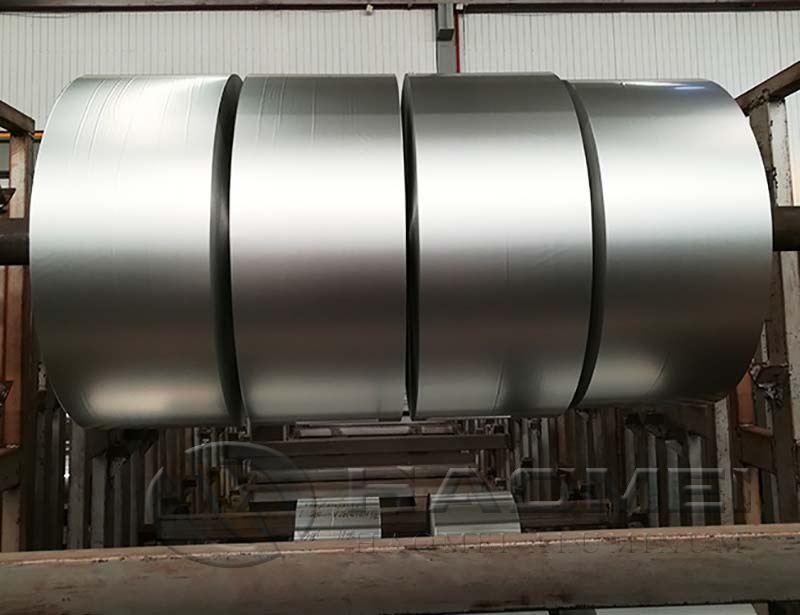
When the specification is written around pinhole control and verified standards, aluminium foil packaging becomes easier to compare across suppliers. The strongest purchase decision is the one that matches alloy, temper and thickness to the real barrier and forming demands of the packed product.
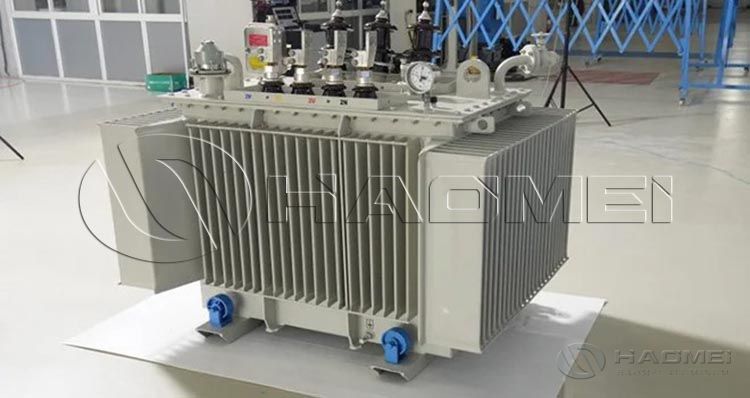
- Aluminum Foil Winding in TransformerJul 14, 2025
Among the many components of a transformer, the winding is undoubtedly one of the key components, and its perf...
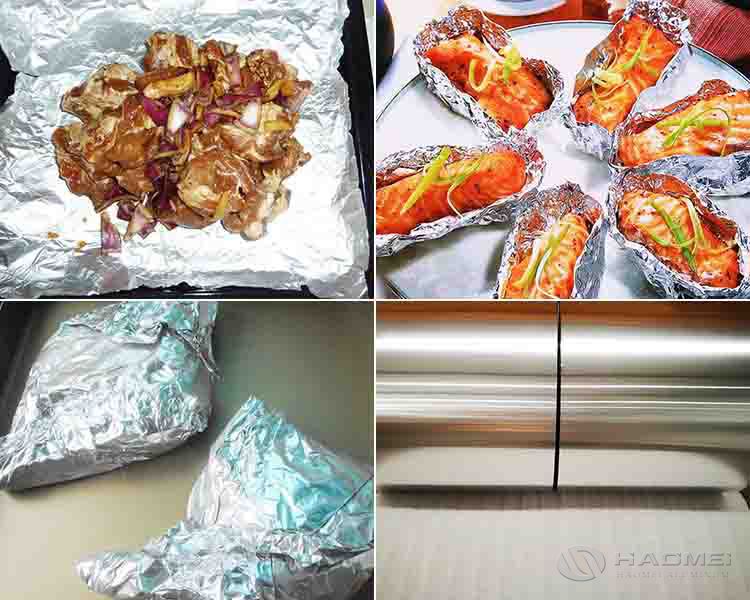
- Can We Bake with Aluminium FoilJan 21, 2025
Aluminum foil like 8011 or Al 1235 is increasingly used in cooking a variety of foods like baking and barbecue...
- Air Conditioner Aluminum Foil for Fin StockApr 14, 2022
Air conditioner aluminum foil is for making fin stock. There are different types of aircon aluminum foil jumbo...
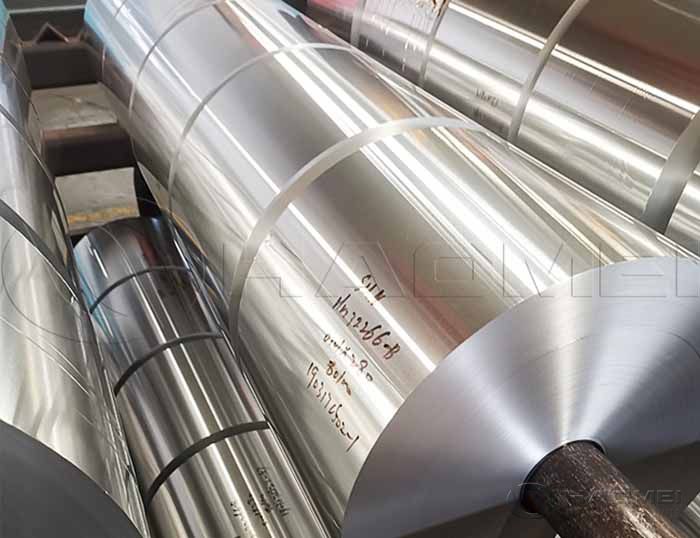
- Aluminum for Food PackagingFeb 17, 2023
With the development of the times, aluminum for food packing became popular, especially after aluminum foil is...
- Aluminium Foil for CookingJul 01, 2026
Fresh answers to hot questions on aluminium foil for cooking: oven safety, acidic foods, air fryers, thickness...
Inquiry
Products Category
Latest Application
-
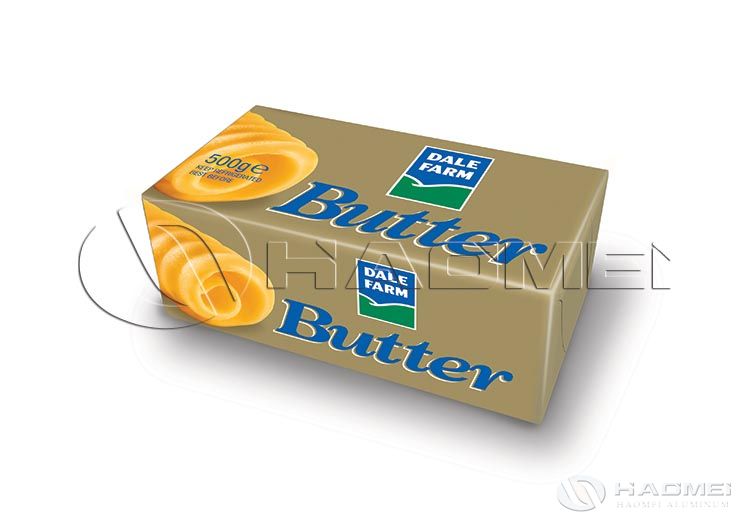 Why butter aluminum foil is neededButter aluminum foil blocks oxygen, moisture, and light, effectively preventing butter from oxidizing and spoiling, preserving nutrients, and significantly extending its shelf life. High-end products can see their sh
application
Why butter aluminum foil is neededButter aluminum foil blocks oxygen, moisture, and light, effectively preventing butter from oxidizing and spoiling, preserving nutrients, and significantly extending its shelf life. High-end products can see their sh
application
-
 Cables are usually composed of conductors, insulation layers, shielding layers, and sheaths. Aluminum foil for cable is generally located outside the insulation layer as part of the shielding layer. It fits tightly to the surface of the insulation la
application
Cables are usually composed of conductors, insulation layers, shielding layers, and sheaths. Aluminum foil for cable is generally located outside the insulation layer as part of the shielding layer. It fits tightly to the surface of the insulation la
application
-
Aluminum Gold Foil Paper For Chocolate Wrapping
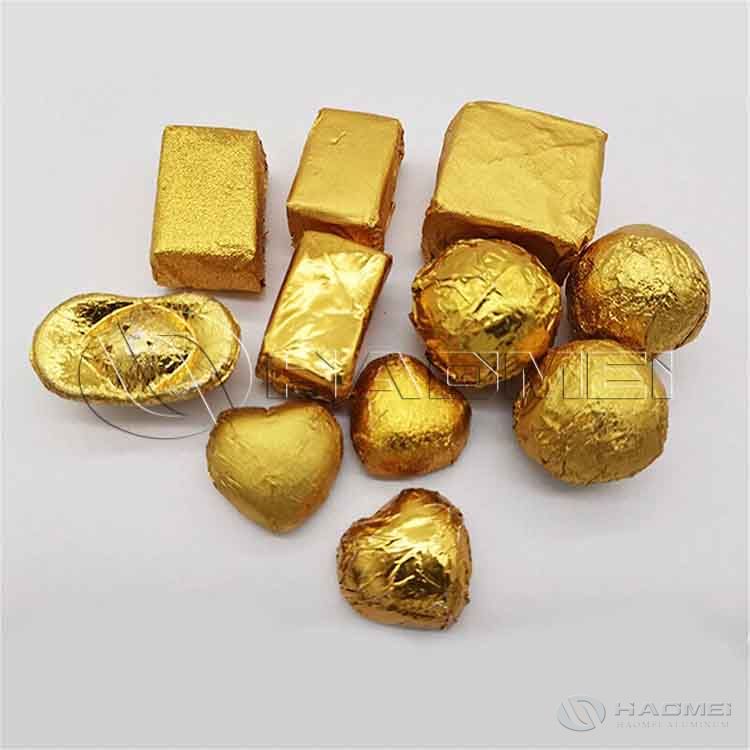 When is aluminum foil used for chocolate wrappingThe use of aluminium foil food for chocolate can be traced back to the early 20th century. In 1911, Swiss candy companies began to wrap chocolate with aluminum foil, gradually replacing the tin foil. T
application
When is aluminum foil used for chocolate wrappingThe use of aluminium foil food for chocolate can be traced back to the early 20th century. In 1911, Swiss candy companies began to wrap chocolate with aluminum foil, gradually replacing the tin foil. T
application
-
PVC Rigid Film and Aluminum Foil for Medicine Packaging
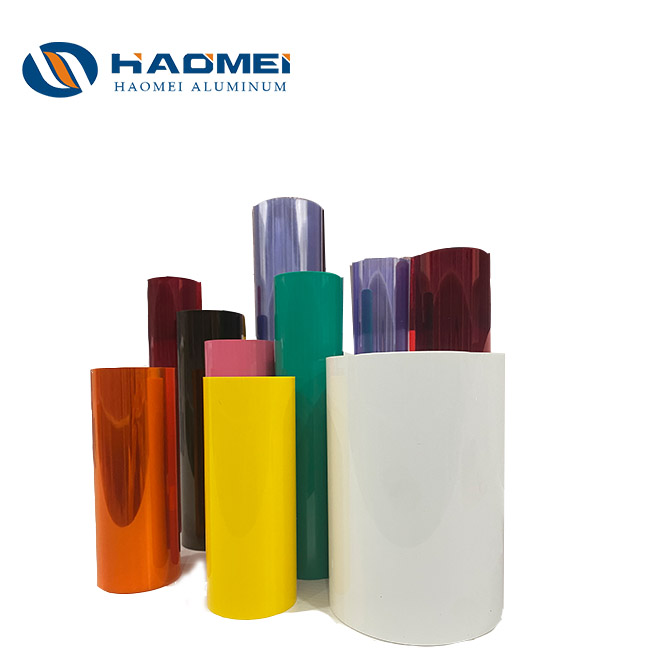 Haomei Aluminum provides different types of aluminum foil and plastic rigid films like PTP aluminum foil, cold forming foil, tropical foil, PVC rigid film, PE/PET film,etc. Best Price! Inquire now.
application
Haomei Aluminum provides different types of aluminum foil and plastic rigid films like PTP aluminum foil, cold forming foil, tropical foil, PVC rigid film, PE/PET film,etc. Best Price! Inquire now.
application
-
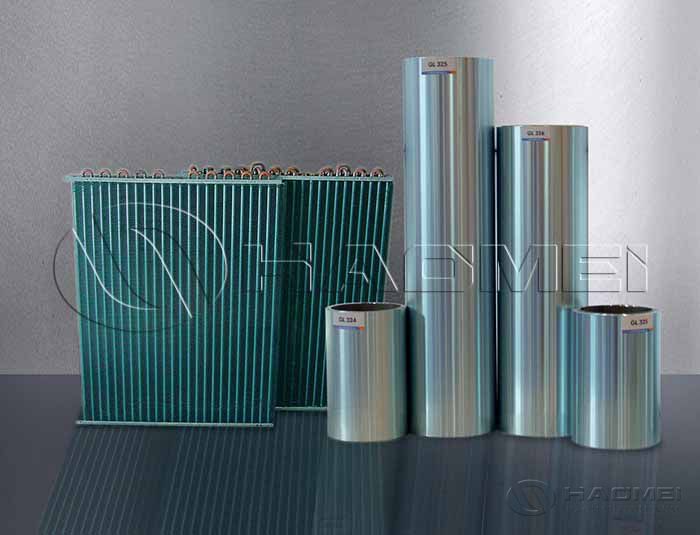 Haomei Aluminum offers you different colors of air conditioner aluminum foil like hydrophilic aluminum foil, including1100/ 3003 /8006/8011 aluminum foil,etc. Learn more.
application
Haomei Aluminum offers you different colors of air conditioner aluminum foil like hydrophilic aluminum foil, including1100/ 3003 /8006/8011 aluminum foil,etc. Learn more.
application
Latest Blog
-
 Plan year-end capacitor production with specified aluminum foil: purity, temper, surface controls, test documents, and shipment timing that reduce line risk.
Blog
Plan year-end capacitor production with specified aluminum foil: purity, temper, surface controls, test documents, and shipment timing that reduce line risk.
Blog
-
Where To Find a Reliable Air Conditioner Fin Foil Supplier
 In the competitive HVAC industry, the quality of air conditioner fin stock directly determines the heat exchange efficiency, durability, and energy-saving performance of air conditioning equipment. For manufacturers, distributors, and processing enterpris
Blog
In the competitive HVAC industry, the quality of air conditioner fin stock directly determines the heat exchange efficiency, durability, and energy-saving performance of air conditioning equipment. For manufacturers, distributors, and processing enterpris
Blog
-
 Specify aircon aluminum foil with durable hydrophilic coating: compare alloys, tests, standards, conversion costs, and receiving controls for HVAC fins.
Blog
Specify aircon aluminum foil with durable hydrophilic coating: compare alloys, tests, standards, conversion costs, and receiving controls for HVAC fins.
Blog
-
Aluminium Foil for Air Conditioner
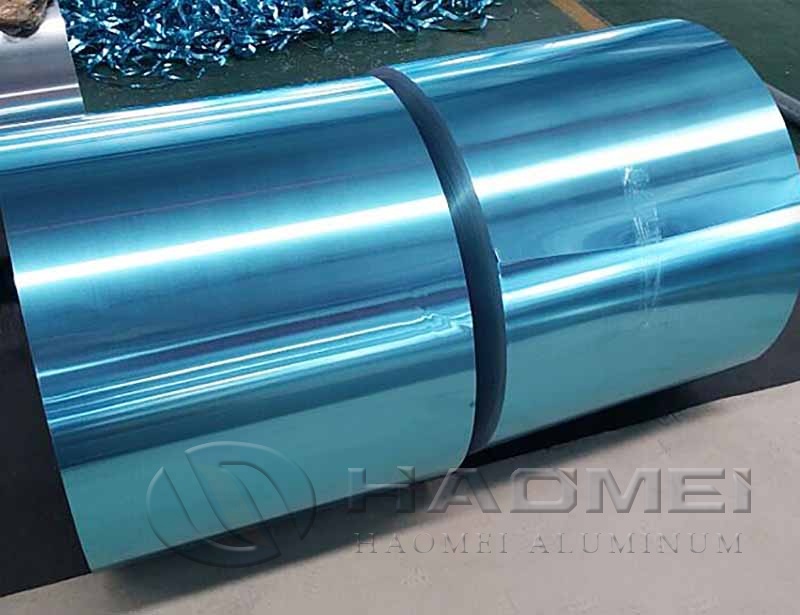 Explore aluminium foil for air conditioner questions on alloy, coating, thickness, and inspection for efficient, durable heat-exchanger fins.
Blog
Explore aluminium foil for air conditioner questions on alloy, coating, thickness, and inspection for efficient, durable heat-exchanger fins.
Blog
-
What Is Food Grade Aluminum Foil Jumbo Roll
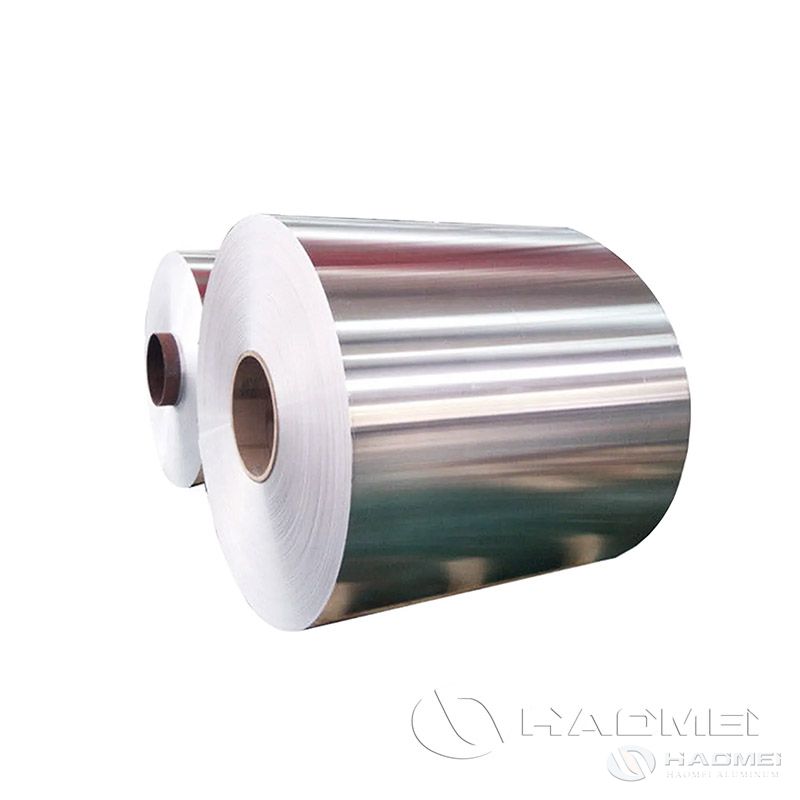 From the aluminum foil used for everyday baking and grilling to the containers used for takeout and the packaging that keeps food fresh, these ubiquitous aluminum foil products all originate from the same core raw material: the food grade aluminum foil ju
Blog
From the aluminum foil used for everyday baking and grilling to the containers used for takeout and the packaging that keeps food fresh, these ubiquitous aluminum foil products all originate from the same core raw material: the food grade aluminum foil ju
Blog

Haomei Aluminum CO., LTD.
Tel/Whatsapp: +86-15978414719
Email: sale@alumhm.com
Website: https://www.alumfoils.com
Xin'an Industrial Assemble Region,Luoyang,Henan Province,China
Office Add: 1103, No.14 Waihuan Road, CBD, Zhengzhou, China